
To start DIY projects without turning your home into chaos, begin by organizing all your tools and materials beforehand, ensuring everything is in its place. Follow safety guidelines by wearing protective gear and keeping your workspace tidy. Break the project into manageable steps and clearly outline each task. Regularly inspect your tools and maintain your space to prevent hazards. Staying organized and safety-conscious keeps chaos at bay, and exploring more tips will help you keep your projects smooth and stress-free.

Turn the school run and nap time into listening time
- Thousands of audiobooks, podcasts and originals
- Listen on your phone, tablet or Echo — also offline
- Cancel anytime
Key Takeaways
- Organize tools and materials beforehand, using storage solutions to maintain order and easy access.
- Plan your project with detailed steps to stay focused and prevent clutter buildup.
- Prioritize safety by wearing protective gear and ensuring a well-ventilated, clutter-free workspace.
- Regularly maintain tools and inspect your work area to prevent hazards and keep everything in good condition.
- Work in designated zones, keep surfaces clear, and clean up after each step to avoid chaos.
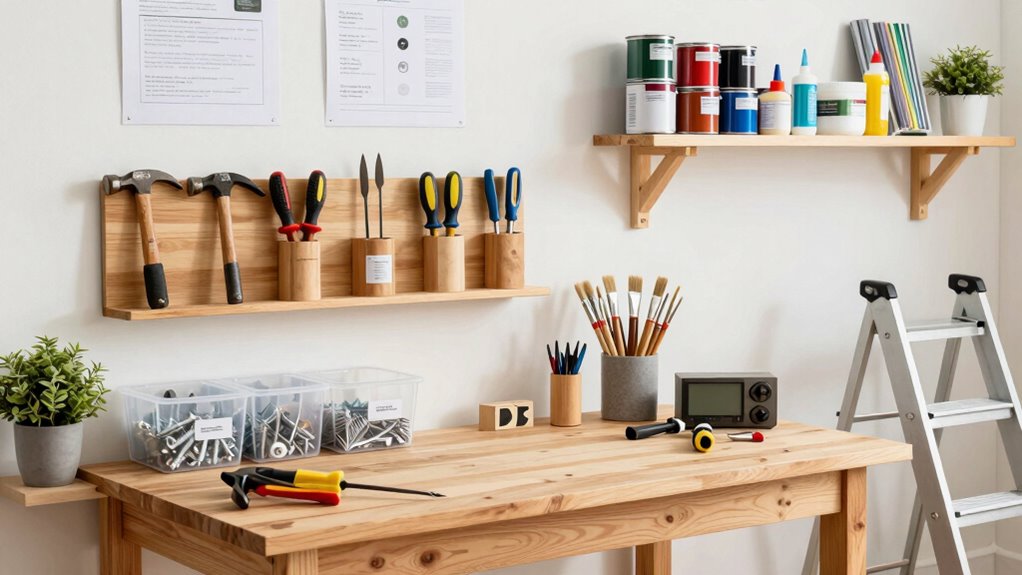
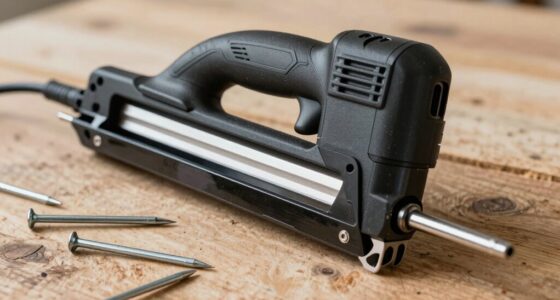
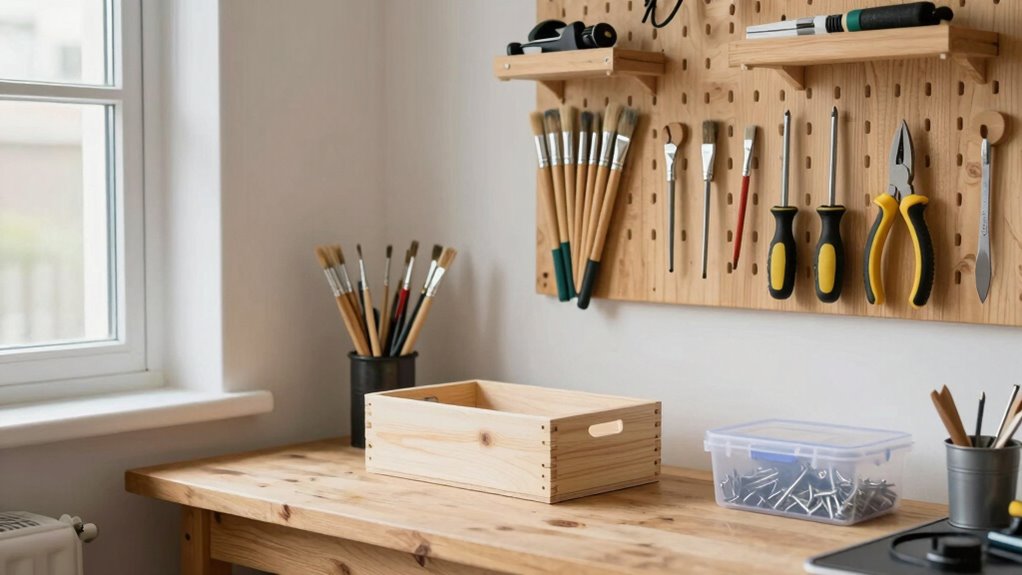
Beginning DIY projects can be rewarding, but without proper planning, chaos often ensues. To keep your space manageable and your project on track, start by focusing on tool organization. Before diving into any task, gather all the tools and materials you’ll need. Spread out your tools to see what’s available and identify missing items. Use storage containers, pegboards, or toolboxes to keep everything orderly. When your tools are organized, you avoid wasting time searching and reduce clutter, which helps prevent accidents. Arrange tools based on usage frequency—keep the most-used ones within easy reach and store less-used items out of the way. Maintaining this level of organization not only streamlines your workflow but also minimizes the risk of losing important pieces or accidentally knocking items over. Proper tool organization also promotes a safer workspace, especially when handling sharp or heavy items. Additionally, incorporating a designated workspace for specific tasks can further improve your overall efficiency and safety. Regularly reviewing your tool storage setup ensures that your workspace remains efficient and safe as your projects evolve. Establishing a consistent organization system helps maintain order over time and makes future projects easier to manage. Implementing a routine check for tool maintenance can extend the lifespan of your equipment and ensure it functions correctly when needed.
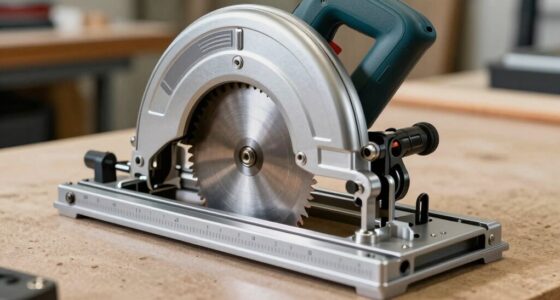
Equally important is paying attention to safety precautions. Before starting, read through any instructions or safety guidelines for your project and tools. Wearing protective gear like gloves, goggles, and masks can shield you from potential injuries or inhaling dust and fumes. Make sure your workspace is well-ventilated, especially if you’re working with paints, adhesives, or power tools. Keep a clean area around your work zone, free from clutter that might cause tripping or accidental cuts. When handling power tools, ensure they are in good condition and use them according to the manufacturer’s instructions. Disconnect tools when not in use and keep cords tidy to prevent tripping hazards. If you’re working at heights or with heavy materials, take extra precautions such as securing objects properly and using sturdy ladders or supports. Remember, safety is an ongoing process, so routinely inspecting your tools and workspace can help identify potential hazards before they cause problems.
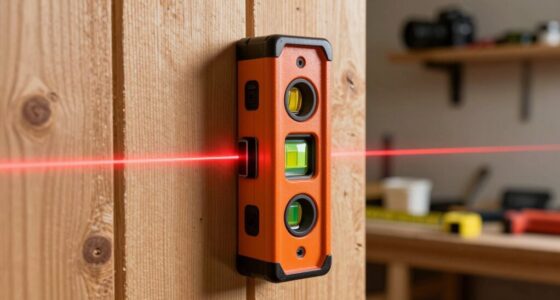
Starting your project with a clear plan and safety mindset makes a significant difference. Create a step-by-step outline of what you want to accomplish, and break it into manageable tasks. This approach keeps you focused and prevents you from feeling overwhelmed. As you work, stay mindful of your surroundings—avoid rushing, and double-check that your tools and materials are organized and safely stored before moving on to the next step. Remember, taking the time to organize your tools and prioritize safety doesn’t just protect you; it also ensures your project runs smoothly and finishes successfully. Being aware of safety precautions and following best practices can significantly reduce the risk of accidents or setbacks. When you respect these fundamentals, your DIY experience becomes more enjoyable and less chaotic, allowing you to take pride in your work and avoid unnecessary setbacks. Proper preparation and organization are key to transforming your DIY endeavors into successful and satisfying accomplishments.
As an affiliate, we earn on qualifying purchases.
Frequently Asked Questions
What Safety Gear Should I Always Wear During DIY Projects?
You should always wear personal protective equipment during your DIY projects to guarantee safety. This includes safety goggles to protect your eyes from debris, gloves for hand safety, and a dust mask or respirator when dealing with dust or fumes. Follow safety precautions diligently, like securing loose clothing and working in well-ventilated areas. Prioritizing safety gear helps prevent injuries and keeps your projects enjoyable and safe.
How Can I Budget Effectively for Multiple DIY Projects?
You can budget effectively by starting with detailed budget planning and accurate cost estimation for each DIY project. List all necessary materials and tools, then research prices to avoid surprises. Track your expenses as you go to stay within your limits. Prioritize projects based on your budget, and consider buying in bulk or using leftover materials. This approach helps you manage costs and enjoy your DIY journey without financial stress.
What Are Quick Cleanup Tips After Completing a Project?
Think of cleanup as the finishing brushstroke on your masterpiece. Keep organization tips in mind by gathering your cleaning supplies beforehand—wipes, brushes, and rags—ready to tackle messes as they happen. Quickly wipe down surfaces, sweep or vacuum debris, and put tools back in their designated spots. This swift, organized approach prevents clutter from piling up, so your space stays tidy, and you’re free to enjoy your hard work.
How Do I Prioritize Which DIY Projects to Start First?
You should prioritize DIY projects by focusing on those that align with your project planning and available resources. Start with projects that require materials you already have or easily acquire, ensuring quick progress and motivation. Consider the complexity and time commitment of each project, opting for manageable tasks first. This approach helps you build confidence, prevents overwhelm, and keeps your workspace organized, setting a solid foundation for more ambitious DIY endeavors.
What Tools Are Essential for a Beginner’s DIY Toolkit?
For your beginner’s DIY toolkit, focus on essential tools like a hammer, screwdrivers, pliers, measuring tape, and a utility knife. These support project planning and help you tackle a variety of tasks. Remember to maintain your tools regularly by cleaning and storing them properly, which guarantees they stay in good condition and last longer. Starting with these basics keeps your projects manageable and your workspace organized.
As an affiliate, we earn on qualifying purchases.
Conclusion
Remember, the journey of DIY is a gentle dance between creativity and organization. With a little planning, you’ll find that even the most ambitious projects can unfold smoothly, leaving behind only whispers of progress. Embrace patience and a touch of humility, knowing that some clutter is just the quiet hum of growth. When you approach each project with care, your home will transform not just in appearance, but in the peaceful rhythm of your efforts.
As an affiliate, we earn on qualifying purchases.
As an affiliate, we earn on qualifying purchases.
Fall Picks
fall essentials
As an affiliate, we earn on qualifying purchases.