Avoid common mistakes like skipping proper measurement and using a level, which can leave your project crooked. Don’t forget to clean surfaces before hanging to guarantee the adhesive or hardware sticks well. Always check the weight of your decor to choose the right hardware, and consider your wall material to prevent damage. Poor placement at unflattering heights can also ruin the look. Want tips to make your next project flawless? Keep going for more expert advice.

Turn the school run and nap time into listening time
- Thousands of audiobooks, podcasts and originals
- Listen on your phone, tablet or Echo — also offline
- Cancel anytime
Key Takeaways
- Skipping measurement and leveling causes crooked or uneven wall displays.
- Using inappropriate or unprepared surfaces reduces adhesive effectiveness and risks falling.
- Underestimating decor weight leads to hardware failure and wall damage.
- Ignoring wall material specifics results in insecure hanging and potential damage.
- Improper placement at wrong heights or angles diminishes visual appeal and room harmony.
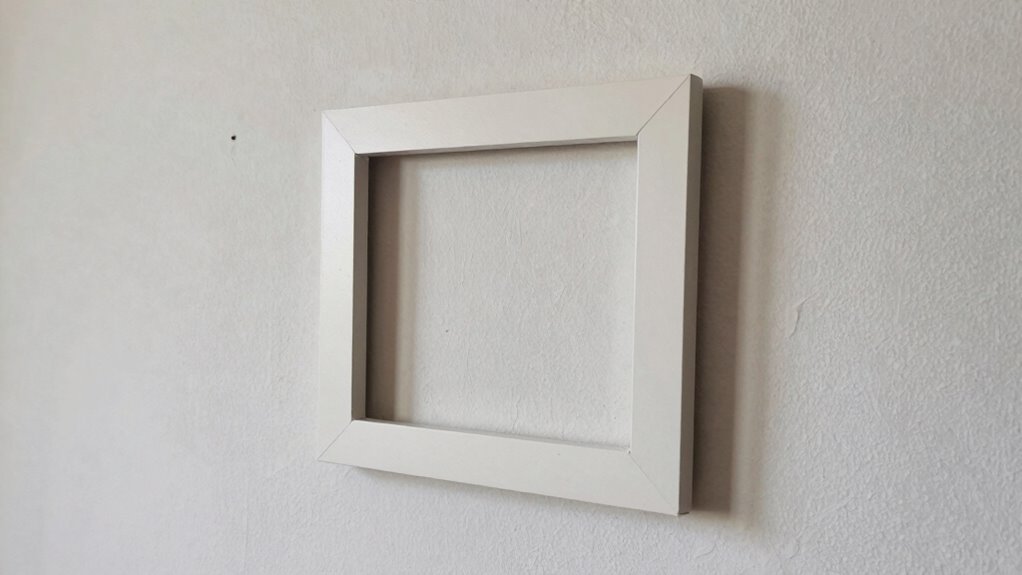
Hanging artwork or decor might seem straightforward, but making common mistakes can easily undermine your efforts. One of the most frequent pitfalls is choosing the wrong hanging techniques. If you skip measuring or don’t use a level, your piece can end up crooked or uneven, distracting from its beauty. It’s tempting to eyeball placement, but this often leads to misaligned art that clashes with the room’s overall aesthetic. Instead, take a few extra minutes to measure carefully, mark your spots, and use a level to guarantee everything hangs perfectly straight. Proper hanging techniques might seem minor, but they make a big difference in how polished your display looks and feels. Additionally, technique consistency ensures your decor remains aligned and visually appealing over time. Another mistake that trips many up involves adhesive issues. When hanging lightweight decor with adhesives or strips, people often overlook the importance of surface preparation. Dust, grease, or uneven walls can prevent adhesives from sticking properly, causing your artwork to fall prematurely. Be sure to clean the wall thoroughly before applying any adhesive strips or hooks, and follow the manufacturer’s instructions carefully. Using the wrong type of adhesive for your wall surface can lead to poor adhesion or damage. For example, some adhesives are not suitable for textured or painted walls, which can cause peeling or falling. When in doubt, opt for more secure hanging options like hooks or nails, especially for heavier pieces. Many underestimate the importance of weight distribution. If you hang a heavy picture with a flimsy hook or adhesive, it’s only a matter of time before disaster strikes. Confirm the weight of your decor and choose appropriate hardware accordingly. For lightweight items, adhesive strips or small hooks may suffice, but for heavier pieces, wall anchors or hooks designed to bear weight are essential. Failing to take into account weight limits can result in damage to your wall or the loss of your decor altogether. Take a moment to evaluate your wall type and the weight of your piece before hanging, ensuring your chosen method is secure. Properly wall surface preparation can greatly improve the longevity and stability of your hanging projects. Knowing the specific wall material is also beneficial, as different surfaces may require different hardware to prevent damage and ensure stability. To further enhance your success, consider researching appropriate hardware options for different wall types and weight ranges. Additionally, understanding the proper hardware selection can help you avoid unnecessary damage and make your hanging process smoother. Finally, ignoring the importance of eye level and positioning can make your efforts seem off even if your hanging techniques and adhesive work perfectly. You might hang something at a height that’s awkward or unflattering, throwing off the room’s balance. Think about where you’ll be viewing the piece from most often and aim to hang it at eye level. Adjustments in placement can elevate your project from “okay” to “wow,” making your space look more intentional and well-designed. Paying attention to these details ensures your simple project turns out looking professional and cohesive, rather than sloppy or haphazard.
As an affiliate, we earn on qualifying purchases.
Frequently Asked Questions
How Do I Choose the Right Wall-Hanging Size for My Space?
To choose the right wall-hanging size, consider your wall’s dimensions and the piece’s frame selection. For larger walls, opt for bigger or multiple pieces, while smaller walls benefit from smaller, focused art. Use placement techniques like centering or grouping art to create balance. Measure your space carefully, leaving enough room around the hanging for visual comfort. This approach *guarantees* your wall-hanging complements your space without overwhelming it.
What Tools Are Best for Hanging Wall Art Securely?
Who knew hanging art could be a high-stakes game? You’ll want sturdy hanging hardware that matches your wall art’s weight capacity. Use a level for perfect alignment, and consider wall anchors if your art’s heavy. A stud finder helps locate support behind the wall, ensuring your masterpiece stays put. Don’t skimp on tools—they’re your best chance to hang securely and avoid frustrating falls or crooked displays.
How Can I Prevent Damage to My Wall Surface?
To prevent damage to your wall surface, prioritize hanging safety and wall surface prep. Use painter’s tape to mark the spot and guarantee proper placement. Choose the right anchors and hooks for your wall type, and avoid overloading. Before hanging, clean the wall and repair any holes or rough spots. Taking these steps keeps your wall safe and helps your art hang securely without causing damage.
What Are Quick Fixes for a Crooked Wall Hanging?
To quickly fix a crooked wall hanging, start by adjusting the hardware or hooks to level the piece. You can also use a small bubble level to guarantee perfect alignment. Consider enhancing your display with gallery lighting to draw attention away from minor misalignments. Additionally, choose a frame that complements the wall and hanging, making slight imperfections less noticeable. These simple steps help straighten your display efficiently.
How Do I Match Wall Hangings With Different Interior Styles?
Imagine you have a vintage-style wall hanging but a modern interior. To match it, focus on color coordination—pick wall colors or accessories that echo the hanging’s hues. For style blending, incorporate elements that bridge the gap between eras, like combining sleek frames with rustic textures. By balancing color and mixing styles thoughtfully, you create a cohesive look that highlights each piece without clashing.
As an affiliate, we earn on qualifying purchases.
Conclusion
Remember, hanging a picture isn’t just about placement—it’s about creating harmony. I once watched a friend struggle for hours to hang a gallery wall, only to realize she’d misjudged the spacing. It’s like trying to fit puzzle pieces that don’t quite match. When you avoid common mistakes, your wall becomes a story rather than a mess. Trust your eye, measure twice, and enjoy turning blank walls into artful expressions that truly reflect your style.
As an affiliate, we earn on qualifying purchases.
As an affiliate, we earn on qualifying purchases.
Fall Picks
fall essentials
As an affiliate, we earn on qualifying purchases.