If you’re shopping for kids’ ergonomic backpacks, the biggest challenge is that most backpacks marketed to children are styled like toys but built like afterthoughts — heavy loads end up hanging off one shoulder or pulling backward from poorly designed straps. Among the eight packs compared here, the Deuter Schmusebär stands out as the best overall pick because its harness system, padding, and load transfer come from a real outdoor-gear brand rather than a school-bag factory. The Bluboon Boys School Backpack is the best value play, offering genuinely lightweight construction and laptop-friendly organization at a budget price, while the LOVEVOOK School Backpack suits older students carrying a 15.6-inch laptop and a 40oz tumbler daily. The main tradeoff you’ll face: true ergonomic refinement versus features-and-storage-per-dollar, plus sizing the pack to your child’s age rather than their stuff. Keep reading for the full breakdown of how these eight ranked.

Turn the school run and nap time into listening time
- Thousands of audiobooks, podcasts and originals
- Listen on your phone, tablet or Echo — also offline
- Cancel anytime
Complete the kit


Key Takeaways
- Brand heritage mattered more than marketing claims — the Deuter Schmusebär’s alpine-inspired harness and 8L capacity beat larger, cheaper packs because a properly scaled, padded load beats a big floppy one.
- Capacity inflation was the biggest ergonomic problem in this lineup: several ‘kids‘ packs (High Sierra Loop, LOVEVOOK) are adult-sized, which undermines strap fit for elementary students even when the padding is good.
- Pack weight is a hidden cost — the Bluboon and MOONBABY won on value partly because their lightweight shells leave kids’ weight budget for books, while the High Sierra’s rugged build adds ounces a first-grader feels.
- Laptop compartments were the sharpest dividing line: only three packs (the laptop-compartment Kids Backpack, LOVEVOOK, and Bluboon) carry devices safely, which instantly narrows the field for middle schoolers.
- Theme-heavy designs (Bansusu camo, Pig Girl kawaii) cost a few dollars less but consistently traded padding and back-panel structure for visuals — fine for light loads, weak for heavy textbook haulers.


| kids’ ergonomic backpack | Material | Weight | Dimensions | Capacity |
|---|---|---|---|---|
| Kids Backpacks for Girls and B | Nylon | 0.8 kg | 11.8 x 7.1 x 16.5 inches | 22 liters |
| LOVEVOOK School Backpack for T | Water-repellent polyester | 1.45 lbs | 18 x 7 x 13 inches | — |
| Deuter Schmusebär Children’s B | 600D PES | — | — | 8 L |
| Bansusu Camo Backpacks for Boy | Nylon | 0.6 kg | — | 23 liters |
| MOONBABY Girls Backpack | Tear-resistant, water-resistant polyester | 1.5 lbs | 17.7 x 11.8 x 6.7 inches | 22.9 L |
| Bluboon Boys School Backpack | Polyester | Lightweight | 17.5 x 12 x 6.5 inches | — |
| High Sierra Loop Backpack | 100% polyester, water-resistant | 1.3 lbs | 19 x 13.5 x 8.5 inches | 33 liters |
| Pig Girl Kids Backpack for Gir | Water-resistant, tear-resistant polyester | 1.76 lbs | 11.41 x 6.29 x 17.71 inches | 21.8 L |
More Details on Our Top Picks
Kids Backpacks for Girls and Boys with Laptop Compartment – Ergonomic Design
This set earns the top spot because it balances ergonomic support with genuine everyday versatility — the breathable back panel and adjustable straps matter most for growing spines, and this model delivers both without compromises elsewhere. At 22 liters with a dedicated laptop sleeve, it handles a full school load plus electronics, something the Deuter Schmusebär simply can’t do at 8 liters. Compared with the Bansusu Camo, it adds a matching tote bag, which is a quiet win for families juggling lunch kits and library books. The 20 kg maximum weight recommendation is generous on paper, but realistically the 0.8 kg empty weight means parents should still watch total load. The tradeoff: hand-wash-only care and limited color choices make it less forgiving than machine-washable rivals.
Pros:- Ergonomic design with breathable back panel and adjustable straps
- Water-resistant nylon construction holds up to daily wear
- Dedicated laptop compartment plus five pockets for organization
- Bonus matching tote bag adds carrying flexibility
Cons:- Hand wash only, inconvenient for messy school years
- Limited color options restrict personalization
Best for: Elementary and middle school students who carry a laptop or tablet daily and need all-day comfort
Not ideal for: Parents who want machine-washable bags or lots of color choices — hand washing and limited palettes will frustrate them
- Material:Nylon
- Dimensions:11.8 x 7.1 x 16.5 inches
- Capacity:22 liters
- Weight:0.8 kg
- Compartments:3 compartments, 5 pockets
- Water Resistance:Waterproof
- Max Load:20 kg
Our verdict“The most well-rounded pick for students who need laptop protection, ergonomic comfort, and room to grow.”
LOVEVOOK School Backpack for Teen Girls, Waterproof, Fits 15.6 Inch Laptop & 40oz Tumbler
Where most ergonomic backpacks lean utilitarian, this LOVEVOOK leans expressive — the vibrant color-block design and DIY personalization options make it the pick teens will actually want to wear. Functionally, the 15.6-inch laptop fit and dedicated 40 oz tumbler pocket put it a step above the MOONBABY Girls Backpack, which lacks a true laptop-specific sleeve at this size. Reflective safety strips are a thoughtful touch for kids walking home in low light. At 1.45 lbs it stays light, though the water-repellent rating only covers light rain — the Kids Backpacks for Girls and Boys model offers stronger waterproofing. Sizing runs large, so this is squarely a tween-and-up choice, not an elementary school option.
Pros:- Fits 15.6-inch laptops and a 40 oz tumbler in dedicated pockets
- Reflective strips improve visibility on dark walks home
- Ergonomic straps and breathable back panel for heavier loads
- DIY personalization options let teens customize the look
Cons:- Water resistance handles only light rain and splashes
- Bold color-block design won’t suit every aesthetic
Best for: Teen girls who carry a laptop and oversized water bottle and refuse to sacrifice style for support
Not ideal for: Elementary-aged kids — the 18-inch frame and teen-oriented design will overwhelm smaller bodies
- Dimensions:18 x 7 x 13 inches
- Weight:1.45 lbs
- Laptop Fit:Up to 15.6 inches
- Tumbler Capacity:40 oz
- Material:Water-repellent polyester
- Safety Features:Reflective strips
Our verdict“The pick for style-driven teens who still need real laptop capacity and reflective safety features.”
Deuter Schmusebär Children’s Backpack (8 L)
The Schmusebär plays a completely different role from every other bag here: it’s built for little backs, not big loads. Deuter’s ergonomic back cushions and ventilation channels are borrowed from their adult hiking line, and it shows — no other preschool-sized pack on this list takes spinal fit this seriously for a 3-year-old. The 8-liter capacity is deliberate: it physically prevents a small child from overloading themselves, something the 22-liter Kids Backpacks for Girls and Boys can’t claim. The playful prints (pirate ship, unicorn, butterfly) match the age group perfectly. The obvious tradeoff is outgrowing it fast — by first or second grade, most kids will need a larger pack, making this a short-lived purchase.
Pros:- Genuinely ergonomic back cushions sized for small torsos
- Ventilation channels reduce sweaty backs on warm days
- Lightweight, durable 600D PES construction from a proven outdoor brand
- Small capacity naturally limits load on developing backs
Cons:- Kids outgrow it within a few years
- Limited colorway selection compared with flashier rivals
Best for: Parents of preschoolers and kindergartners who want a properly fitted, ventilated first backpack from a trusted outdoor brand
Not ideal for: School-age kids carrying folders and lunch boxes — 8 liters fills up after a jacket and a snack
- Capacity:8 L
- Material:600D PES
- Age Range:3 years and up
- Back System:Ergonomic cushions with ventilation channels
- Designs:Pirate ship, forest, butterfly, princess & unicorn, bears
Our verdict“The best first backpack for ages 3-6, priced around the fact that it won’t last forever.”
Bansusu Camo Backpacks for Boys – Middle School & Elementary School Bags for Kids and Teens
For budget-conscious families, this Bansusu delivers the core ergonomic features — padded adjustable straps, a lightweight 0.6 kg build — without the price jump of bigger-name options. The seven-pocket layout actually beats the Kids Backpacks for Girls and Boys backpack’s five, giving kids more ways to distribute weight evenly and find their pencils. At 23 liters, capacity edges out most rivals here, and the water-resistant nylon shrugs off bus-stop drizzle. Compared with the Bluboon Boys School Backpack, the camo styling is the main differentiator — this one skews rugged and outdoorsy. The compromises are real but manageable: a 15-inch device limit and hand-wash-only care. It’s a workhorse, not a showpiece.
Pros:- Seven pockets encourage even weight distribution and organization
- Featherlight 0.6 kg build reduces baseline load
- Water-resistant nylon handles daily weather
- Lower price point than comparable 23-liter options
Cons:- Only fits devices up to 15 inches
- Hand wash only
- Camouflage design limits appeal beyond its target audience
Best for: Budget-focused families buying for boys in elementary or middle school who need durable organization without premium pricing
Not ideal for: Students with laptops larger than 15 inches, or anyone wanting a polished, non-camo look for formal settings
- Size:12.2 x 6.2 x 18.1 inches
- Capacity:23 liters
- Material:Nylon
- Weight:0.6 kg
- Pockets:7
- Water Resistance:Water resistant
- Max Device Size:15 inches
Our verdict“The smart budget buy that covers all the ergonomic basics and then some for school-age boys.”
MOONBABY Girls Backpack, Kids School Bag for Girls, Primary to Middle School
Nine compartments is the headline here, and it’s a number no other bag in this roundup matches — the Bansusu Camo offers seven and the LOVEVOOK fewer still. For kids who lose permission slips and calculators, this level of compartmentalization is the practical ergonomic win: smaller, distributed loads ride better than one dense lump. The padded straps and breathable back panel keep it comfortable across the full 6-14 age range it targets, and the detachable coin purse is a nice touch for lunch money. At 22.9 liters, capacity is competitive with anything here. The tradeoff is finish quality rather than function — tear-resistant polyester is solid, but it lacks the waterproof rating of the Kids Backpacks for Girls and Boys set, and unspecified color options make online ordering a gamble.
Pros:- Nine compartments including zipper pockets and detachable coin purse
- Ergonomic padded straps with breathable back panel
- Tear-resistant, water-resistant polyester survives daily abuse
- Multiple carry handles add grab-and-go flexibility
Cons:- Water resistance won’t match fully waterproof competitors
- Color options not clearly specified at purchase
- May run large for the youngest end of its 6-14 range
Best for: Girls aged 6-14 who carry many small items and benefit from a designated spot for everything
Not ideal for: Kids needing serious rain protection or parents who want to see exact colorways before ordering
- Weight:1.5 lbs
- Dimensions:17.7 x 11.8 x 6.7 inches
- Capacity:22.9 L
- Material:Tear-resistant, water-resistant polyester
- Compartments:9 including detachable coin purse
- Age Range:6-14 years
Our verdict“The organization champion for girls who carry a lot of little things and need a place for each one.”
Bluboon Boys School Backpack
What makes this Bluboon backpack stand out is the chest strap, a feature most elementary-school bags skip entirely. When a kid’s load creeps toward a textbook-and-laptop weight, a sternum clip keeps the shoulder straps anchored so the bag doesn’t pull backward off the shoulders — that’s the core of carrying comfort at this age. Compared with the Pig Girl Kids Backpack, the Bluboon is lighter and better suited to boys who dislike the kawaii aesthetic, though it trades away some of that bag’s padded strap plushness. It also out-hauls the tiny Deuter Schmusebär (8 L), which is really a preschool bag. The tradeoff: it sits on the smaller side of the middle-school range, and color choices are thin, so picky kids may object.
Pros:- Chest strap keeps shoulder straps anchored under heavy loads
- Padded back support adds real carrying comfort
- Water-resistant fabric survives rain and spills
- Lightweight build prevents the bag itself from adding to the load
Cons:- Capacity runs small for older middle-schoolers with bulky items
- Very limited color options
Best for: Elementary and middle-school boys whose bags carry real weight — the chest strap does load-stabilizing work most kids’ packs skip
Not ideal for: Middle-schoolers hauling big binders or gear — the 6.5-inch depth fills up fast, and kids who want color variety will find the options limited
- Dimensions:17.5 x 12 x 6.5 inches
- Laptop Fit:Up to 15.6 inches
- Material:Polyester
- Water Resistance:Waterproof
- Pockets / Compartments:6 pockets, 3 compartments
- Weight:Lightweight
- Support Features:Adjustable straps, chest strap, padded back support
Our verdict“The pick for elementary-age boys with heavier daily loads, thanks to the chest strap and padded back the others lack — just size up if binders are piling up.”
High Sierra Loop Backpack
If your child has outgrown the kids’ aisle entirely, the High Sierra Loop offers 33 liters of capacity — roughly 50% more than the Pig Girl (21.8 L) and several times the toy-sized Deuter Schmusebär. That volume translates directly into fewer armloads of books left at school because they didn’t fit. The dedicated tablet sleeve keeps devices from sliding loose, and compression straps cinch half-empty loads down so contents don’t shift around on the walk home. The catch is that this is an adult-sized bag at 19 inches tall: on a second-grader it will swamp their torso and defeat the ergonomic purpose entirely. The lightweight fabric also raises durability questions with daily kid abuse, unlike the tear-resistant Pig Girl material.
Pros:- 33 L capacity fits a full middle-school workload
- Dedicated tablet sleeve protects electronics
- Compression straps stabilize partial loads
- Water-resistant polyester handles rainy commutes
Cons:- Device sleeve caps out at 13.5 inches — no 15.6-inch laptops
- Lightweight fabric is less durable under daily kid wear
- Hand wash only
Best for: Tweens and teens in middle school who need serious volume for textbooks, devices, and after-school gear
Not ideal for: Elementary-age kids — the 19-inch adult frame will hang past their hips and undermine the fit and comfort this roundup is about
- Dimensions:19 x 13.5 x 8.5 inches
- Capacity:33 liters
- Weight:1.3 lbs
- Material:100% polyester, water-resistant
- Pockets / Compartments:5 pockets, 2 compartments
- Max Device Size:13.5 inches
- Closure:Zipper
Our verdict“The right choice once homework volume outpaces kids’ bags — but only for torsos big enough to carry a 19-inch adult-size pack.”
Pig Girl Kids Backpack for Girls
Some kids simply won’t wear a bag they think is ugly, and no ergonomic feature fixes that. The Pig Girl backpack wins by getting a child to want to carry the bag properly, with its purple kawaii design and display window for pins and charms. But it’s not just looks: the breathable padded straps and tear-resistant polyester make it more durable than the lighter-built High Sierra Loop, if less roomy. Compared with the Bluboon, it offers plusher carrying comfort but lacks the chest strap that stabilizes heavier loads. At nearly 18 inches tall and 1.76 lbs empty, it has real bulk — on a 6-year-old the bag itself eats into a healthy carrying budget before anything goes inside. Ages 8 to 12 are its sweet spot.
Pros:- Breathable, well-padded straps for all-day comfort
- Tear-resistant, water-resistant polyester holds up to kid abuse
- Roomy 21.8 L main compartment with laptop sleeve
- Ita display window lets kids personalize without damaging the bag
Cons:- Heavy for its class at 1.76 lbs empty
- Too large for the youngest kids in its stated age range
- Limited color options
Best for: Style-driven kids aged 8 to 12 who will actually wear — and properly adjust — a backpack they helped choose
Not ideal for: Very young children in the 6-to-7 range — the 17.7-inch frame and 1.76 lb empty weight are simply too much bag for a small torso
- Dimensions:11.41 x 6.29 x 17.71 inches
- Weight:1.76 lbs
- Capacity:21.8 L
- Material:Water-resistant, tear-resistant polyester
- Recommended Age:6 to 14 years
- Features:Laptop sleeve, multiple pockets, padded breathable straps
Our verdict“The pick when getting your kid to happily wear the bag matters as much as the bag itself — best for ages 8 to 12, not the littlest users.”
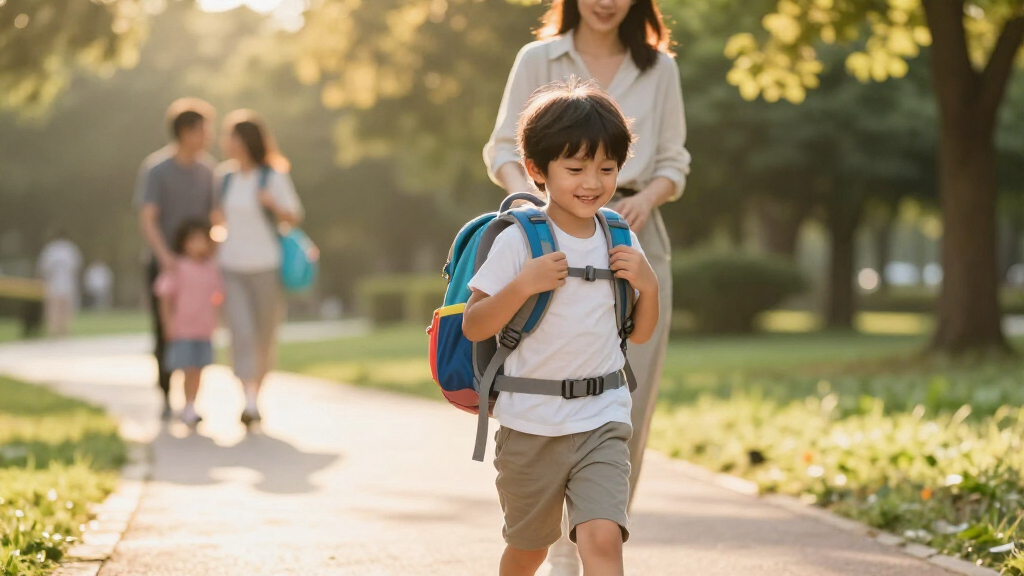
How We Picked
I evaluated each backpack against the factors that actually affect a child’s posture and comfort day to day: shoulder strap width and padding, the presence and stiffness of a back panel, whether a sternum or load-stabilizing feature exists, total empty pack weight, and how well the capacity matches the stated age range. A pack can claim ‘ergonomic design’ on the listing, but if the straps are thin, unpadded, or spaced for adult shoulders, that claim doesn’t survive contact with a loaded lunchbox and three textbooks.
From there, I layered in practical criteria: build quality and stitch reinforcement at stress points, water resistance for the walk to school, organizational layout, laptop protection where relevant, and price relative to what a family actually gets. The ranking rewards packs that fit the child first and carry gear second — which is why a small, well-engineered pack like the Deuter Schmusebär outranks bigger, feature-rich options for younger kids, while feature-dense packs like the LOVEVOOK and High Sierra Loop earn their spots for older, heavier-load students. Value picks had to genuinely cut price without cutting the harness, not just cut everything.
Factors to Consider When Choosing Kids’ Ergonomic Backpacks
Choosing an ergonomic backpack for a child involves more than picking a cute print. These are the factors that separate packs that protect growing spines from packs that just say they do — and the mistakes I saw repeated across this entire category.Size the Pack to the Child, Not the Gear
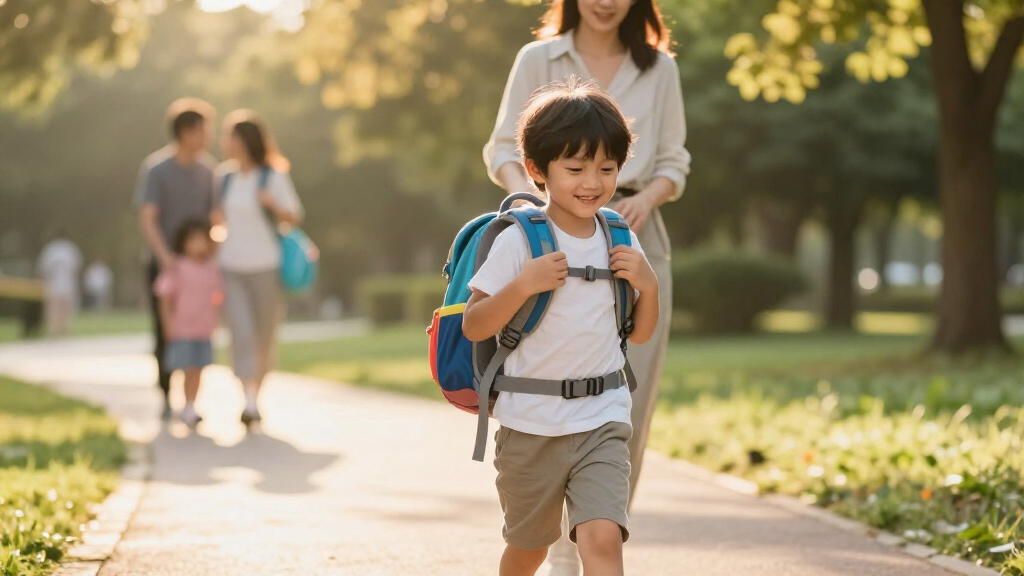
The single most common mistake parents make is buying a backpack that fits the homework rather than the kid. An ergonomic pack should sit between the shoulder blades and end at the waist — no lower — and the straps should anchor at the child’s actual shoulder width. Oversized adult-style packs, even well-padded ones, cause the load to sag backward and pull the shoulders into a rounded, hunched posture that undoes every ergonomic feature listed on the box. If your child’s load genuinely doesn’t fit in a properly sized pack, the fix is carrying less or using a locker rotation, not upsizing the bag. Resist the temptation to buy one pack to last through elementary and middle school; a second grader swimming in a teen-sized pack gets no benefit from ‘growing into it.’ A pack that looks slightly small on day one is usually the correct choice.
The 10–15% Body Weight Rule
Pediatric and physical therapy guidance generally suggests a loaded backpack should stay under about 10–15% of a child’s body weight — roughly 6–9 pounds for a 60-pound kid. That budget gets eaten fast: textbooks, a binder, a lunchbox, and a water bottle can blow past it before a laptop ever enters the picture. This is why the empty weight of the pack itself matters more than most parents expect; a three-pound backpack spends half the allowance before school supplies even go in. When comparing packs, subtract the listed pack weight from your child’s personal budget and see what’s actually left. And remember that ergonomic design redistributes load — it doesn’t eliminate it. Even the best harness in this roundup can’t make a 20-pound load healthy for a seven-year-old.
What ‘Ergonomic’ Actually Has to Include
Genuine ergonomic construction has four checkable components, and I’d walk away from any kids’ pack missing more than one: wide, contoured, padded shoulder straps; a padded back panel that keeps books from pressing into the spine; a sternum strap or chest stabilizer that stops straps sliding off small shoulders; and a hip or waist belt (more common on hiking-style packs) that shifts weight off the shoulders entirely. Marketing language like ‘ergonomic design’ on a listing is not regulated — several packs in this category use the phrase while offering thin flat straps. In photos, look for visible foam thickness at the straps and a structured-looking rear panel. Read reviews specifically mentioning strap comfort after months of use, not first-week impressions. The harness is the backpack; everything else is storage.
Durability Versus Weight — The Core Tradeoff
There’s an unavoidable tension in this category: the materials that survive being dragged across pavement (heavy-duty ballistic nylon, reinforced bases, metal hardware) are the same materials that add weight a small child has to carry. Rugged packs like the High Sierra Loop will outlast several school years and multiple kids, which makes them excellent hand-me-down value — but that durability is better spent on a middle schooler than a first grader. Younger children do better with lightweight packs, accepting that you may replace them every year or two. Cheap packs fail in predictable places: zipper pulls, strap stitching, and bottom-panel abrasion, so check reinforcement at those three points before anything else. Paying more buys better stitching and fabric, not necessarily more padding — don’t assume a premium price means an ergonomic design.
Laptop Protection Changes the Math
Once a child carries a device, the backpack conversation changes. A laptop or tablet adds two to four pounds of dense, awkward weight, and it needs a suspended, padded sleeve so it isn’t resting against the child’s back or slamming down when the pack is dropped. Only buy a laptop-compartment pack if your child genuinely carries a device — otherwise that sleeve is just dead weight and structure designed for a bigger kid. For middle schoolers, look for a raised sleeve (the device shouldn’t touch the bottom of the bag), a water-resistant shell, and enough strap padding for the heavier total load. Also check your school’s policy before spending on device features; many schools supply tablets that stay in the classroom. The right question isn’t ‘does it fit a 15.6-inch laptop’ but ‘will my child actually carry one daily?’
Character Designs and the Replacement Cycle
Theme prints — camo, unicorns, anime characters — are cheap because they sell on visuals, but they carry a hidden cost: kids outgrow them. A pack your child is embarrassed to carry in sixth grade has an effective lifespan of one or two years no matter how well it’s built. If your child is deeply attached to a theme, buy it cheap and expect a short cycle, which is why the themed packs in this roundup are ranked as light-load or short-term options rather than heavy-duty haulers. Neutral or color-blocked designs age better and survive sibling hand-me-downs, which often makes a $40 plain pack cheaper per year than a $25 themed one. A middle path many parents take: a neutral primary backpack plus an inexpensive themed lunch bag or charm for the personality element. Let the theme live where it’s cheap to replace.
Frequently Asked Questions
At what age does an ergonomic backpack actually start to matter?
Ergonomic features matter as soon as a child carries a real load regularly, which for most kids means kindergarten or first grade, when backpacks start containing folders, lunch, and a water bottle daily. Preschoolers carrying a jacket and a snack don’t need sternum straps or structured back panels — an 8-liter soft pack is appropriate. The stakes rise around ages 7–10, when textbooks appear and children’s proportions make oversized adult-style packs especially problematic. Middle school, with laptops and full textbook loads, is when harness quality becomes non-negotiable. If you’re only going to invest in one genuinely ergonomic pack, the highest-impact window is elementary-to-middle-school transition, roughly ages 9–12.
Are expensive brand-name kids’ backpacks worth the extra money?
Usually yes, but only if the premium buys engineering rather than a logo. Outdoor brands like Deuter charge more because their harness systems, foam density, and load-transfer design trickle down from adult hiking packs — that difference is real and lasts for years. Within the fashion school-bag segment, though, price mostly tracks print licensing and styling, not structure, so a $45 character backpack may have identical straps to a $20 one. My rule of thumb: pay up for a pack a child will carry heavily and daily, and go cheap on packs for light loads, short cycles, or theme attachments. Also check warranties — genuine gear brands often back stitching and zippers for years, which effectively lowers the per-year cost below cheaper replacements.
Should I buy a bigger backpack so my child grows into it?
No — this backfires ergonomically more often than any other purchasing decision in this category. A pack that’s too large can’t be tightened properly: the straps sit wide on small shoulders, the load hangs below the waist, and the child compensates by leaning forward, which is exactly the posture the backpack was supposed to prevent. Growth room works in clothing because fabric drapes; it doesn’t work in load-bearing gear where strap geometry is fixed. If budget is the concern, buy an inexpensive correctly sized pack now and put the savings toward a quality pack when your child hits middle school and carries real weight. The money saved by skipping one oversized premium purchase usually covers most of a correctly sized replacement.
How can I tell from a listing whether a kids’ backpack is genuinely ergonomic?
Ignore the phrase ‘ergonomic design’ entirely — it’s unregulated and appears on nearly every listing in this category. Instead, verify four things visually: strap width and visible padding thickness (thin flat straps are an instant disqualifier), a structured or quilted back panel in the photos, an adjustable sternum strap if one exists at all, and a capacity in liters that makes sense for your child’s age — roughly 8–12L for early elementary, 15–20L for upper elementary, and 20–30L only for teens. Then read negative reviews for the words ‘straps,’ ‘shoulders,’ and ‘sore,’ which reveal failures the product photos won’t. If a listing doesn’t state capacity in liters or strap materials, treat that omission as information.
Is a wheeled backpack a better option for heavy loads?
Wheeled packs solve the weight problem on flat, smooth surfaces but introduce their own tradeoffs most families don’t anticipate. They’re heavier as empty packs, awkward on stairs and buses (where they must be carried anyway, now worse than a regular backpack), and many schools restrict or ban them in crowded hallways for tripping hazards. They also cost roughly double a quality standard pack. A wheeled pack makes sense if your child’s route is largely paved and level and the load is genuinely heavy — say, a daily laptop plus instruments or large textbooks. For most kids, though, the better solution is a well-fitted ergonomic backpack plus deliberate load management: locker trips, duplicate home supplies, and honest pruning of what actually gets carried.
Conclusion
After comparing all eight, the right choice depends less on which pack is ‘best’ and more on who’s carrying it. For the best overall pick, the Deuter Schmusebär wins for elementary-age kids because its properly engineered harness and correctly scaled 8L capacity do more for posture than any feature list — accept that it’s pricier and smaller than the fashion packs. The best value is the Bluboon Boys School Backpack, which delivers lightweight construction, water resistance, and laptop capacity at a budget price, ideal if you want ergonomic basics without a gear-brand price. For older students and heavier loads, the LOVEVOOK is the strongest fit with its 15.6-inch laptop sleeve and tumbler pocket, while the High Sierra Loop is the durability pick that will survive multiple school years and siblings. For beginners and light loads — preschool and early elementary — the themed packs like the Pig Girl kawaii backpack or Bansusu camo are perfectly acceptable short-term choices, and the MOONBABY splits the difference for primary-to-middle schoolers. Size the pack to the child, keep the load under 10–15% of body weight, and the ergonomics will take care of themselves.
Halloween Picks
halloween
As an affiliate, we earn on qualifying purchases.