
To effectively filter wildfire smoke indoors, use a combination of HEPA and activated carbon filters, as HEPA captures tiny particles like ash and soot, while carbon absorbs harmful gases and odors. HEPA alone isn’t enough for gases, and carbon filters don’t catch small particles well. Combining both offers the best protection during wildfire season. Want to know more about setting up your purifier and maintenance tips? Keep going for all the essential details.

Turn the school run and nap time into listening time
- Thousands of audiobooks, podcasts and originals
- Listen on your phone, tablet or Echo — also offline
- Cancel anytime
Key Takeaways
- HEPA filters effectively trap tiny smoke particles (PM2.5), reducing inhalation of harmful aerosols indoors.
- Carbon filters absorb gases, VOCs, and odors, helping neutralize smoky smells and toxic gases from wildfire smoke.
- Combining HEPA and carbon filters provides comprehensive protection against both particles and gases.
- Proper placement, regular maintenance, and sealing entry points optimize filtration effectiveness during wildfires.
- No filter completely eliminates wildfire smoke; a combination of filtration, ventilation control, and sealing best reduces indoor pollution.
HEPA air purifier for wildfire smoke
As an affiliate, we earn on qualifying purchases.
As an affiliate, we earn on qualifying purchases.
What Are the Main Pollutants in Wildfire Smoke?
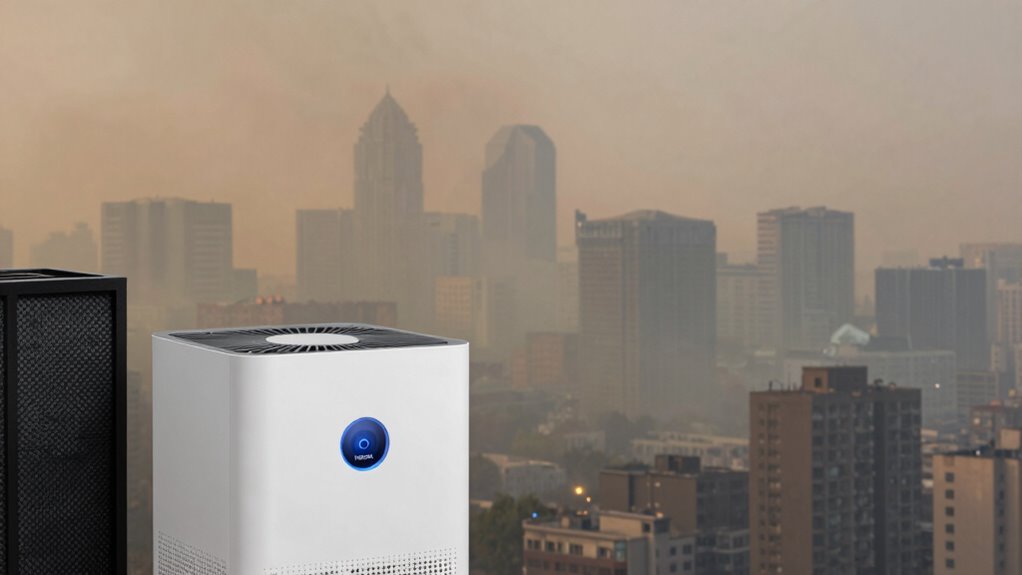
Have you ever wondered what makes wildfire smoke so harmful? The answer lies in its complex wildfire smoke composition, which includes a mix of pollutants contributing to outdoor air pollution. When wildfires burn, they release tiny particles called particulate matter (PM), especially PM2.5, which can penetrate deep into your lungs. Along with these particles, wildfire smoke contains harmful gases like carbon monoxide, volatile organic compounds (VOCs), and nitrogen oxides. These pollutants can cause respiratory problems, worsen asthma, and even affect your cardiovascular health. The composition varies depending on what’s burning, but generally, wildfire smoke is packed with dangerous pollutants that elevate outdoor air pollution and pose serious health risks. Understanding these main pollutants helps you grasp why wildfire smoke is so hazardous. Additionally, home filtration systems equipped with HEPA filters are highly effective at capturing many of these microscopic particles, providing an extra layer of protection indoors.
activated carbon filter for air purifier
As an affiliate, we earn on qualifying purchases.
As an affiliate, we earn on qualifying purchases.
How Does Wildfire Smoke Affect Indoor Air Quality?
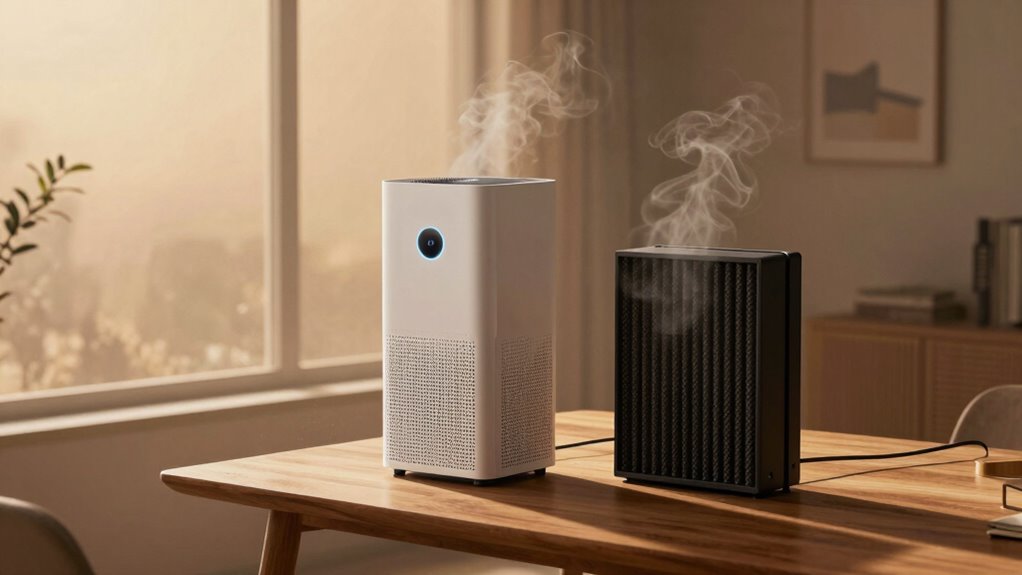
Wildfire smoke doesn’t just stay outside; it can quickly infiltrate indoor spaces, impacting the air you breathe inside your home or office. This infiltration lowers indoor air quality and can cause health issues, especially during high smoke periods. Higher air exchange rates can either help clear pollutants faster or introduce more outdoor smoke if ventilation isn’t controlled. Indoor plant benefits include natural air purification, but they’re not enough alone to combat wildfire smoke. To improve indoor air quality, you need effective filtration systems. Additionally, understanding air filtration options can help you choose the best solution for your environment. Effective filtration methods are essential for removing hazardous particles from the air and protecting your health during wildfire events. Incorporating proper air quality management strategies, such as sealing gaps and using appropriate filtration technologies, can significantly reduce indoor smoke infiltration, especially when combined with proper ventilation practices.
combination HEPA and carbon filter air purifier
As an affiliate, we earn on qualifying purchases.
As an affiliate, we earn on qualifying purchases.
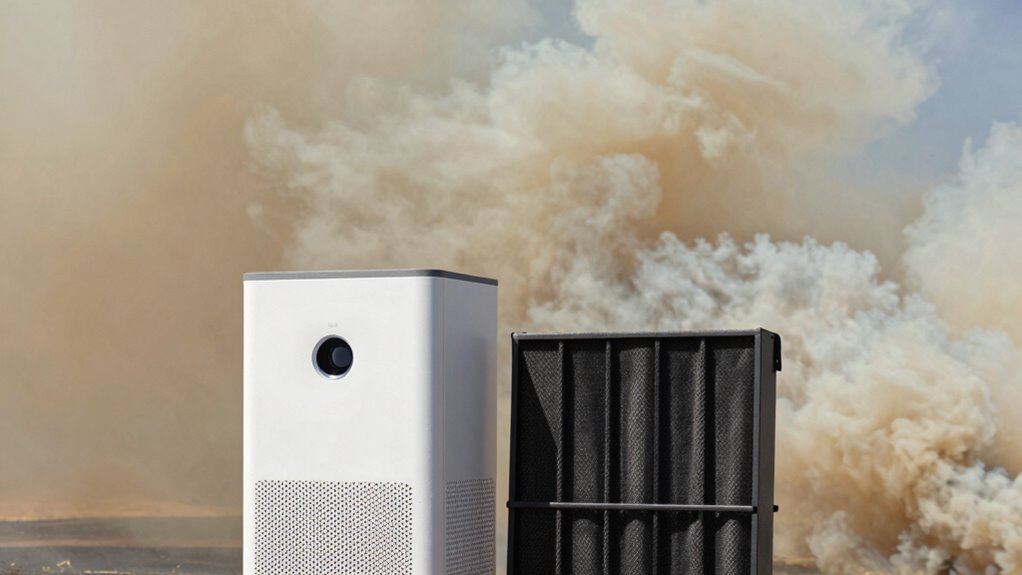
What Are the Best Filtration Options for Wildfire Smoke?
What Are the Best Filtration Options for Wildfire Smoke?
When choosing filtration options for wildfire smoke, HEPA filters are highly effective at capturing tiny particles. Carbon filtration adds the benefit of removing odors and harmful gases from the air. Combining these filters can provide all-encompassing protection for your indoor environment. Additionally, smart appliances can optimize filtration systems for better air quality management. Implementing proper installation practices ensures that your filtration system functions safely and efficiently. Proper maintenance and filter replacement are also crucial to maintaining optimal performance over time. Regularly monitoring your air quality with air quality sensors can help you determine if your filtration system is working effectively and needs adjustments.
Effectiveness of HEPA Filters
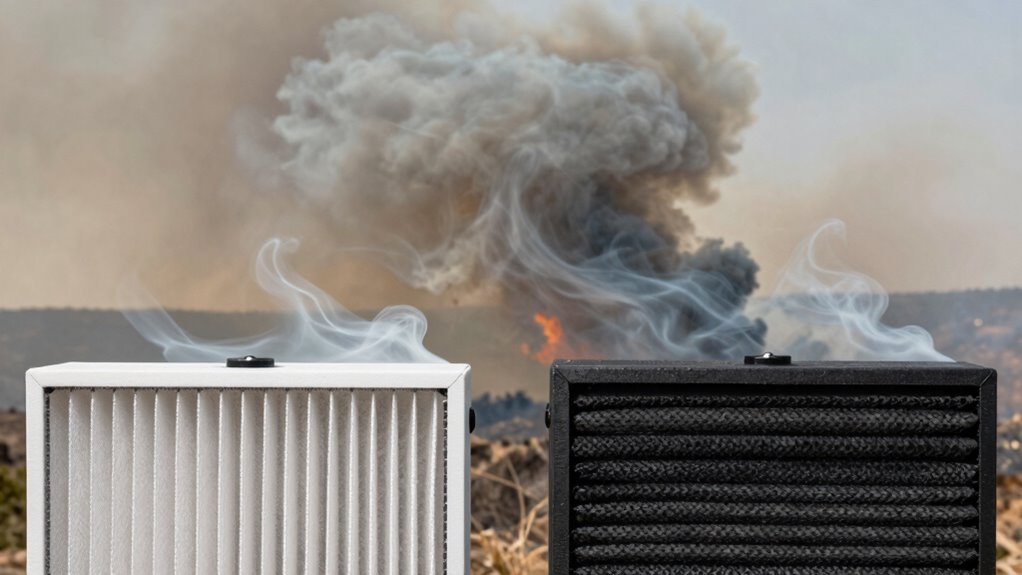
HEPA filters are among the most effective options for capturing wildfire smoke particles, which can be extremely tiny and penetrate deep into your respiratory system. They are designed to trap particles as small as 0.3 microns, including smoke, pollen, and dust. To maintain their effectiveness, regular filter maintenance is essential, as clogged filters reduce air exchange and filtration efficiency. Properly maintained HEPA filters ensure continuous, high-quality air purification during wildfire events. They excel at removing fine particles, but their performance depends on correct installation and timely replacement. Use the table below to see how HEPA filters compare in key aspects:
| Feature | Effectiveness | Maintenance | Air Exchange Rate |
|---|---|---|---|
| HEPA Filter | Very high | Regular | optimal |
| Filter Replacement | Necessary | Frequent | maintains efficiency |
Benefits of Carbon Filtration
Carbon filtration offers a highly effective way to remove harmful gases, odors, and volatile organic compounds (VOCs) from the air during wildfire events. This type of filtration notably improves air quality by targeting pollutants that HEPA filters can’t trap. The filtration benefits include reducing smoky smells, chemical fumes, and toxins, which can irritate your respiratory system. Carbon filters are especially useful when wildfire smoke contains harmful gases like carbon monoxide and volatile organic compounds. By incorporating activated charcoal or carbon layers into your air purifier, you enhance its ability to neutralize these pollutants. Additionally, air quality improvement can be achieved by combining carbon filters with other filtration methods for comprehensive protection. Understanding filtration technologies helps in choosing the most effective setup for wildfire season. It’s also important to consider the filter maintenance requirements to ensure continued effectiveness over time. Overall, carbon filtration provides an essential layer of protection, ensuring cleaner, safer indoor air during wildfire seasons. It’s an indispensable option for anyone seeking thorough wildfire smoke mitigation.
wildfire smoke indoor air filter
As an affiliate, we earn on qualifying purchases.
As an affiliate, we earn on qualifying purchases.
HEPA vs. Carbon Purifiers: Which Is Better for Wildfire Smoke?
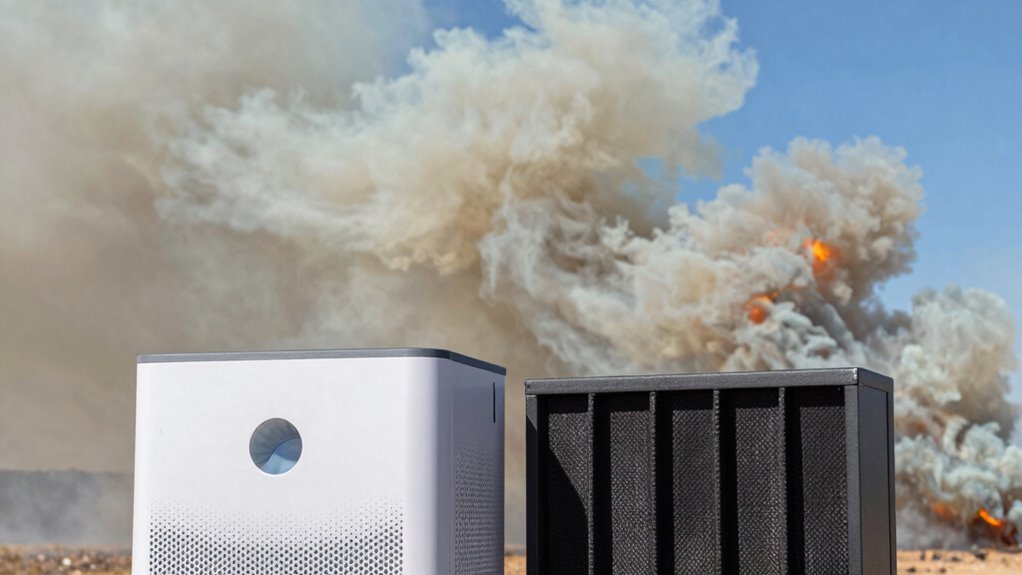
When choosing between HEPA and carbon purifiers for wildfire smoke, you need to contemplate their filtration effectiveness and how well they handle smoke particles and odors. HEPA filters excel at capturing tiny particles, while carbon filters are better at removing gases and smells. Understanding their strengths helps you decide which purifier suits your needs best during wildfire events. Additionally, some advanced purifiers combine both technologies to provide comprehensive protection against both particles and odors, offering a versatile filtering solution. Incorporating proper ventilation strategies can further enhance indoor air quality during smoke episodes. Considering filter maintenance is also essential to ensure optimal performance and longevity of your air purifier during prolonged smoke exposure.
Filtration Effectiveness Comparison
Selecting the right air purifier during a wildfire can make a considerable difference in your indoor air quality. HEPA filters excel at capturing tiny particles, including smoke aerosols, making them highly effective for wildfire smoke. Carbon filters, on the other hand, are better at absorbing gases and odors but may struggle with particle removal. In terms of filtration effectiveness, HEPA units typically provide superior particle removal, reducing your exposure to harmful pollutants. Additionally, understanding air filtration principles can help you choose the most effective system for your needs. However, to maintain peak performance, you need to monitor air exchange rates and replace filters regularly. Carbon filters require consistent replacement to retain their gas-absorbing capabilities, while HEPA filters need periodic cleaning or replacement to sustain high filtration efficiency. Choosing a purifier with proper filter maintenance ensures continuous protection against wildfire smoke.
Suitability for Wildfire Smoke
While both HEPA and carbon purifiers can improve indoor air quality during wildfires, their effectiveness depends on the specific pollutants you need to target. HEPA filters excel at capturing airborne particles like ash, soot, and pollen, making them ideal for smoke particles. Carbon filters, on the other hand, better absorb gases and odors from wildfire smoke. To maximize their benefits: 1. Regularly check and perform filter maintenance to keep them functioning at their best. 2. Place air purifiers near sources of smoke entry, such as windows or vents, to enhance filtration. 3. Use a combination of HEPA and carbon filters if possible, for all-encompassing protection. Proper air purifier placement and timely filter maintenance are essential to ensure you’re effectively filtering harmful wildfire pollutants. Additionally, understanding the types of pollutants present can help you choose the most suitable filtration method. Staying informed about air quality standards can help you better protect your indoor environment during such events. Recognizing the environmental impact of wildfires underscores the importance of effective filtration systems in safeguarding health.
Are HEPA Filters Effective Against Wildfire Smoke Particles?
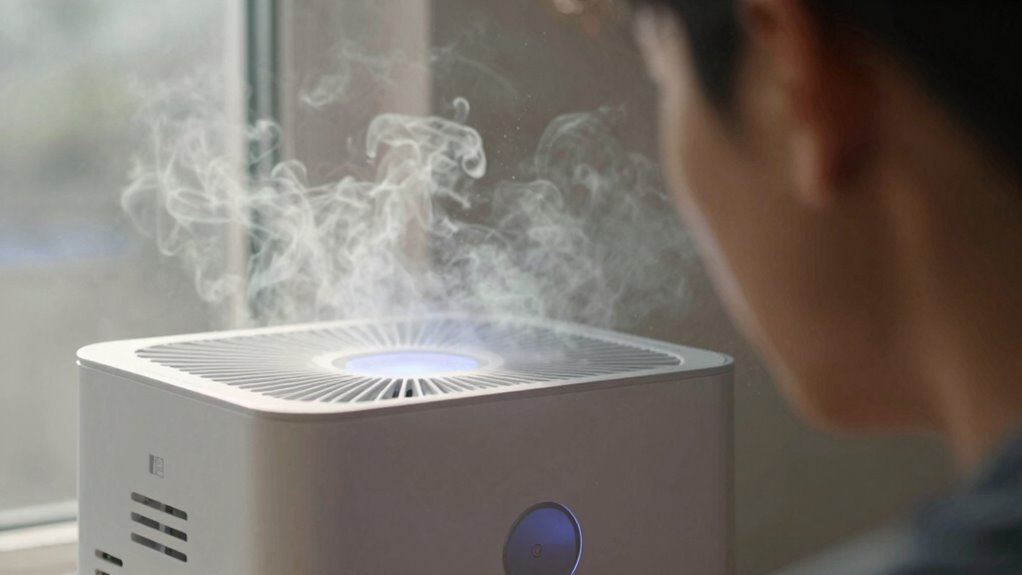
HEPA filters are highly effective at capturing wildfire smoke particles, making them a popular choice for improving indoor air quality during wildfire events. They trap tiny particles, including those from smoke, which can harm your lungs. To maximize their effectiveness, you should incorporate air quality monitoring to gauge smoke levels and adjust filtration accordingly. Understanding filter efficiency ratings helps consumers select the best filtration options for smoke particles. HEPA filters can considerably reduce airborne pollutants, supporting wildfire prevention by maintaining cleaner indoor environments. Regular maintenance, such as filter replacement, is essential to ensure optimal performance. Additionally, choosing filters with a high MERV rating can enhance particle removal efficiency. Here’s a quick comparison:
| Feature | Effectiveness Against Smoke Particles |
|---|---|
| HEPA Filter | Captures particles as small as 0.3 microns |
| Other Filtration Methods | Less effective at capturing fine smoke particles |
| Maintenance | Regular filter replacement essential |
| Indoor Air Quality Impact | Improves air quality during wildfire events |
This visual helps illustrate how HEPA filters directly address wildfire smoke particles effectively.
Do Carbon Filters Really Absorb Smoke Gases and Odors?
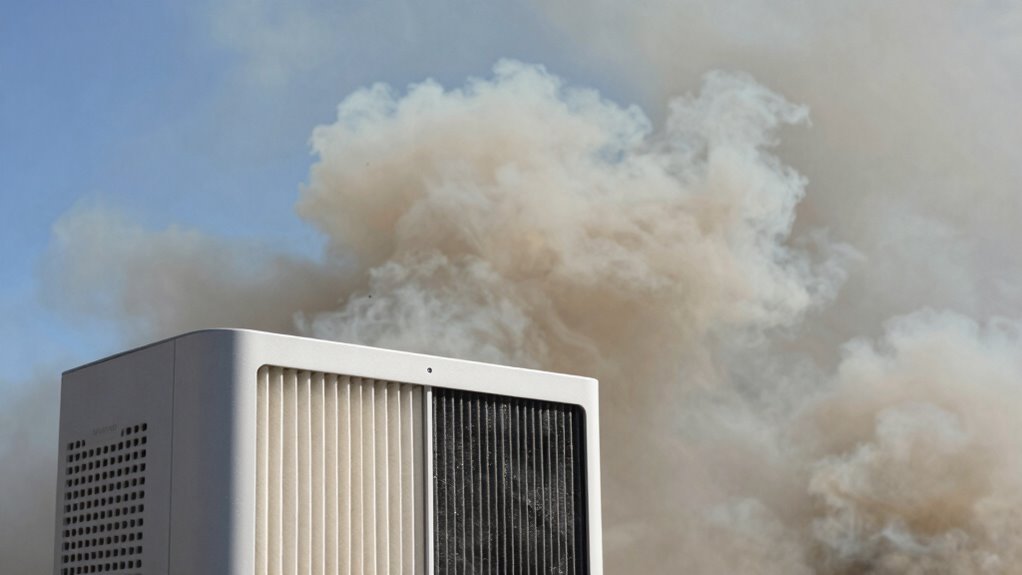
You might wonder if carbon filters can truly remove smoke gases and odors from the air. Their effectiveness depends on how well they absorb these particles and neutralize smells. Let’s explore whether they live up to their reputation in wildfire smoke filtration.
Effectiveness Against Smoke Gases
Are carbon filters effective at removing smoke gases and odors? The answer depends on the filtration technology used. Carbon filters excel at reducing certain smoke gases, but their effectiveness varies. Here’s what you need to know:
- They absorb volatile organic compounds (VOCs) and some toxic gases like carbon monoxide, improving air quality.
- Their porous structure traps many gaseous particles, but performance depends on filter type and exposure duration.
- They aren’t as effective against particulate matter, which is better handled by HEPA filters.
While carbon filters do help diminish smoke gases and odors, they aren’t a complete solution for wildfire smoke. Combining filtration methods offers the best chance to maintain ideal air quality during a wildfire event.
Odor Absorption Capabilities
Carbon filters are highly effective at absorbing many odors and some smoke gases, making them a popular choice for improving indoor air quality during wildfires. They excel at air freshening by trapping volatile organic compounds (VOCs) and other odor-causing molecules, leading to a noticeable reduction in smoky smells. When it comes to odor neutralization, activated carbon’s porous surface captures and binds odor particles, preventing them from circulating in your space. This makes carbon filters ideal for tackling persistent smoke odors that linger after the fire has passed. While they may not completely eliminate all gases, their ability to absorb and neutralize odors considerably improves indoor air comfort. If your goal is to reduce unpleasant smells and improve air quality during wildfire events, carbon filters are a highly effective solution.
Should You Use Dual-Filter Systems During Wildfire Season?

During wildfire season, many homeowners wonder if installing a dual-filter system is worth the investment. Using dual filters can enhance air purification, but it also requires more filter maintenance. Consider these points:
- Improved filtration: Combining HEPA and activated carbon filters captures both particles and odors more effectively.
- Longer filter life: Dual filters distribute the workload, potentially extending filter replacement intervals.
- Higher upfront cost: Dual-filter systems tend to be pricier and may require extra maintenance time.
If you choose this setup, be prepared for more frequent filter checks and replacements to keep your system running efficiently. Overall, dual filters can be beneficial during wildfire season, but weigh the increased filter maintenance against the improved air quality.
What Features Should You Look for in a Wildfire-Ready Air Purifier?
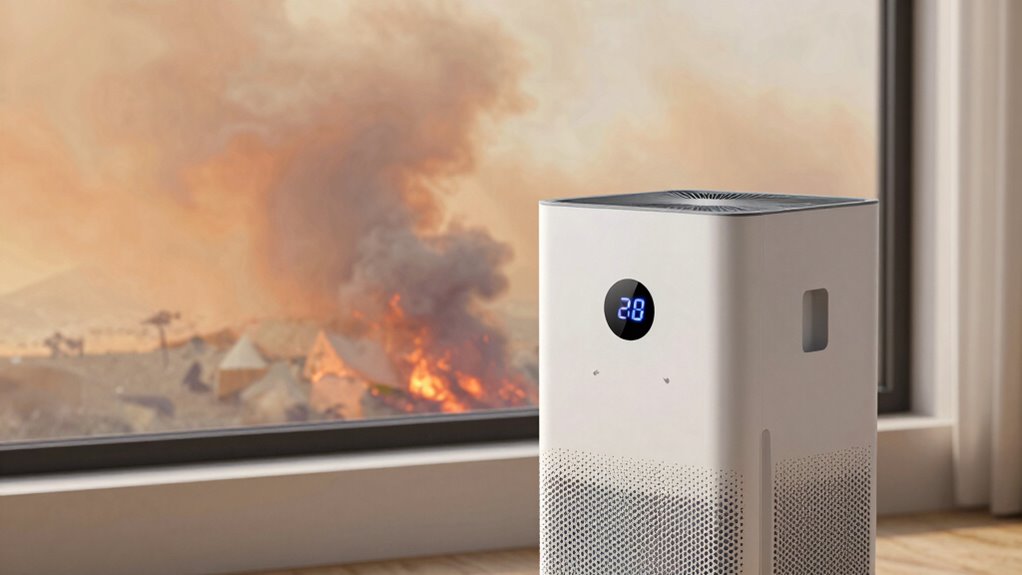
When selecting a wildfire-ready air purifier, it’s vital to prioritize key features that guarantee effective filtration and ease of use. Confirm it meets established air quality standards, such as HEPA certification, to reliably remove fine particles like smoke and soot. Look for a purifier with a high CADR (Clean Air Delivery Rate) to cover your space efficiently. Consider models that offer real-time air quality monitoring, so you can track improvements and adjust settings as needed. Ease of filter replacement is essential; choose units with straightforward access to filters and clear instructions. This helps maintain peak performance without hassle. A user-friendly interface and adjustable fan speeds also contribute to better control and comfort during wildfire season.
How to Use and Maintain Your Air Purifier During Wildfires?
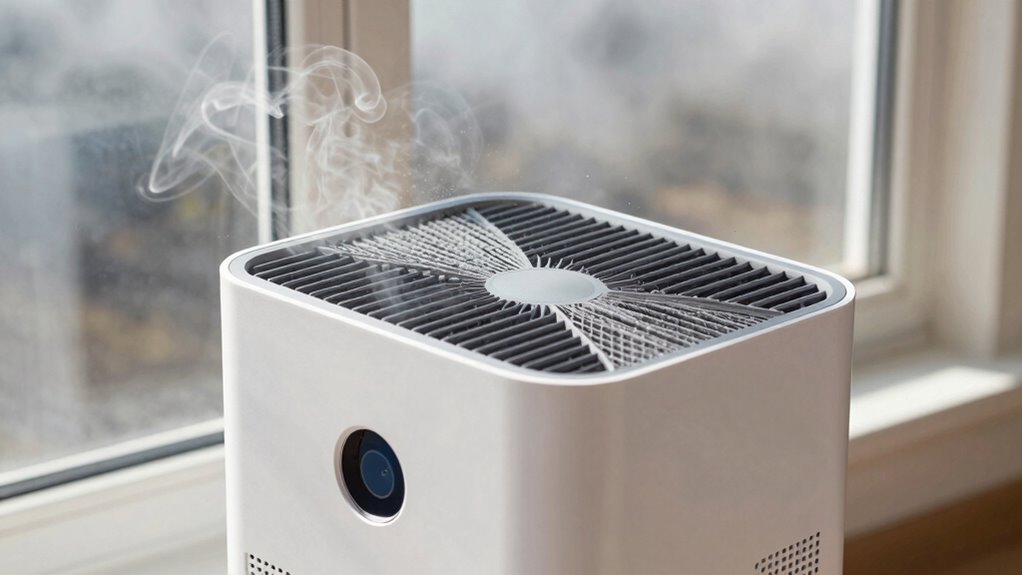
To maximize your air purifier’s effectiveness during wildfires, you should operate it continuously and keep windows and doors closed to prevent outdoor smoke from entering. Proper filter maintenance is essential; check and replace filters regularly according to manufacturer instructions. To optimize your ventilation strategies, consider these steps:
Operate your purifier continuously and keep windows closed for optimal wildfire smoke protection.
- Confirm your purifier’s filters are clean and properly installed for peak performance.
- Use a HEPA filter to trap fine particles and a carbon filter to absorb odors and toxins.
- Keep humidity levels balanced to prevent mold growth, which can worsen air quality.
Regular filter replacement and vigilant operation maintain airflow and filtration efficiency. Avoid bypassing the purifier or opening windows, as this reduces its capability to clear indoor smoke, making filter maintenance and ventilation strategies critical during wildfire events.
Additional Tips and Myths About Wildfire Smoke Filtration?
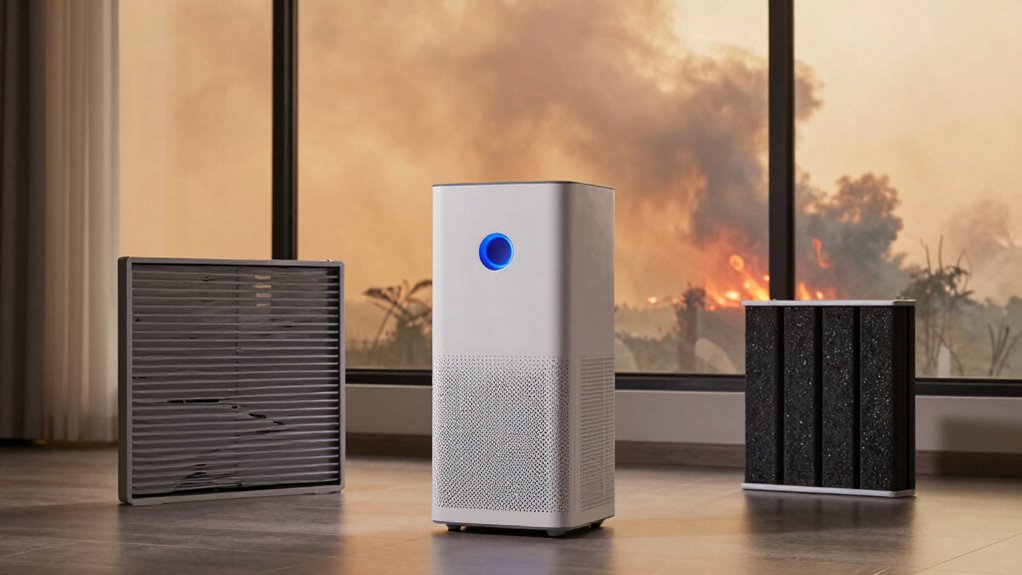
Here’s a quick myth-buster table:
| Myth | Fact | Tip |
|---|---|---|
| More filters always = better | Proper placement is more important | Optimize placement for efficiency |
| DIY filters are ineffective | They can work well with correct setup | Use high-quality filters and fans |
| Air purifiers remove all smoke | They considerably reduce pollutants, not eliminate | Combine with ventilation strategies |
Knowing these tips and myths helps you maximize your wildfire smoke defense.
Frequently Asked Questions
How Do HEPA and Carbon Filters Work Together to Improve Air Quality?
You can improve air quality by combining HEPA and carbon filters, leveraging filter synergy for enhanced filtration efficiency. HEPA filters trap tiny particles, including smoke particulates, while activated carbon absorbs odors and volatile organic compounds. Together, they work more effectively than alone, providing thorough protection against wildfire smoke. This dual approach ensures cleaner, healthier air by targeting both particles and gases, making your space safer during wildfire season.
Can Portable Air Purifiers Effectively Protect Entire Homes From Wildfire Smoke?
Portable air purifiers can help reduce wildfire smoke indoors, but they might not fully protect your entire home. Many air purification myths suggest they’re a complete solution, but proper placement and filter maintenance tips are vital for effectiveness. To maximize protection, use a purifier with a HEPA filter, keep filters clean, and run the device continuously during smoke events. Remember, no single device guarantees total safety from wildfire smoke.
What Is the Typical Lifespan of HEPA and Carbon Filters During Wildfire Season?
During wildfire season, HEPA filters typically last 6 to 12 months, while activated carbon filters need replacement every 3 to 6 months. An interesting fact is that poor filter maintenance can decrease filtration efficiency by up to 50%. Regular filter replacement and maintenance ensure your purifier works effectively, especially during smoky days. Monitoring filter life and following manufacturer recommendations keeps your indoor air cleaner and healthier.
Are There Specific Filter Ratings Recommended for Wildfire Smoke Filtration?
You should look for filters with high effectiveness ratings, like HEPA filters rated at HEPA H13 or H14, which meet safety standards for wildfire smoke. These ratings guarantee maximum particle removal, including tiny smoke particles. Using filters with proven effectiveness helps protect your air quality. Always choose filters certified to meet safety standards, so you’re confident they effectively reduce harmful smoke and improve indoor air safety during wildfire season.
How Do Indoor Air Purifiers Compare to Outdoor Ventilation in Wildfire Conditions?
Indoor air purifiers often filter wildfire smoke more effectively than outdoor ventilation during wildfires, especially if you use HEPA filters. Outdoor ventilation can bring in more pollutants, worsening air quality. You should also monitor air quality levels regularly to decide when to open or close windows. Using air quality monitoring devices helps you make informed choices, ensuring your indoor environment stays safer and cleaner during wildfire events.
Conclusion
Ultimately, understanding wildfire smoke and choosing the right filtration isn’t just about technology—it’s about trusting what works. While some believe a single filter suffices, evidence shows combining HEPA and carbon filters offers the best protection. Don’t fall for myths—stay informed and proactive. By using proven methods, you can genuinely improve indoor air quality and protect your health during wildfire season. Trust science, not hype, for true peace of mind.
Fall Picks
fall essentials
As an affiliate, we earn on qualifying purchases.