Many buyers believe all air purifiers are equally effective, but that’s false—filter type matters. HEPA filters trap 99.97% of tiny particles, while cheaper devices may only use activated carbon or ionizers, which are less effective. Ozone generators are often mistaken for air cleaners but can harm your health. Knowing these myths can help you make smarter choices and choose safer, more efficient devices. Keep exploring to learn how to protect your indoor air quality better.

Turn the school run and nap time into listening time
- Thousands of audiobooks, podcasts and originals
- Listen on your phone, tablet or Echo — also offline
- Cancel anytime
Key Takeaways
- Many ads overpromise air cleaning by promoting devices without specifying filter types, leading to buyer confusion.
- HEPA filters are highly effective for particulate removal, but some devices rely on less effective filters like activated carbon or ionizers.
- Ozone generators are falsely marketed as air purifiers; they produce harmful ozone gas and do not improve indoor air quality.
- Proper maintenance and filter replacement are essential for device performance but are often overlooked or misunderstood.
- Understanding different filtration technologies and safety guidelines helps buyers choose effective, safe air purification solutions.
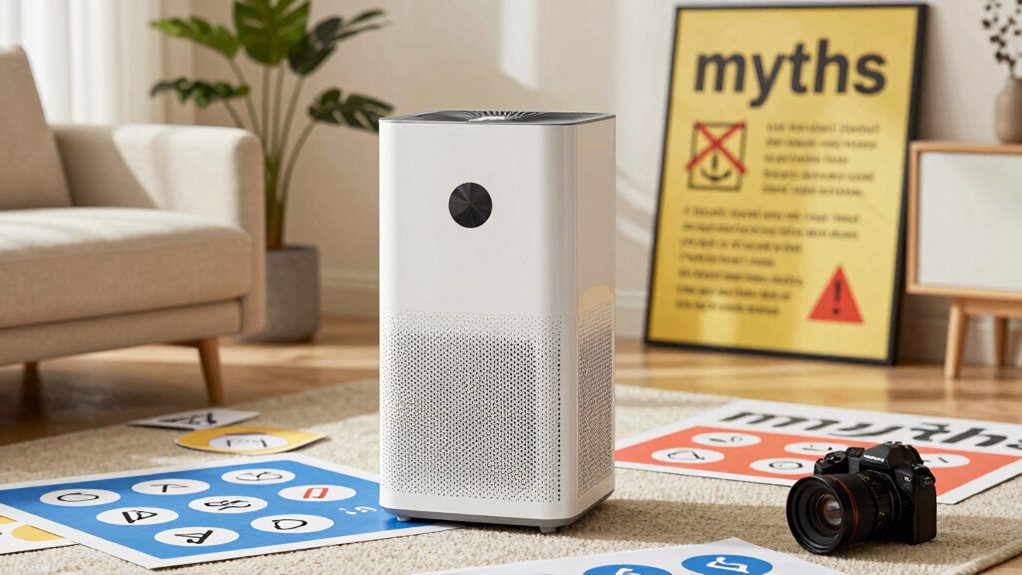
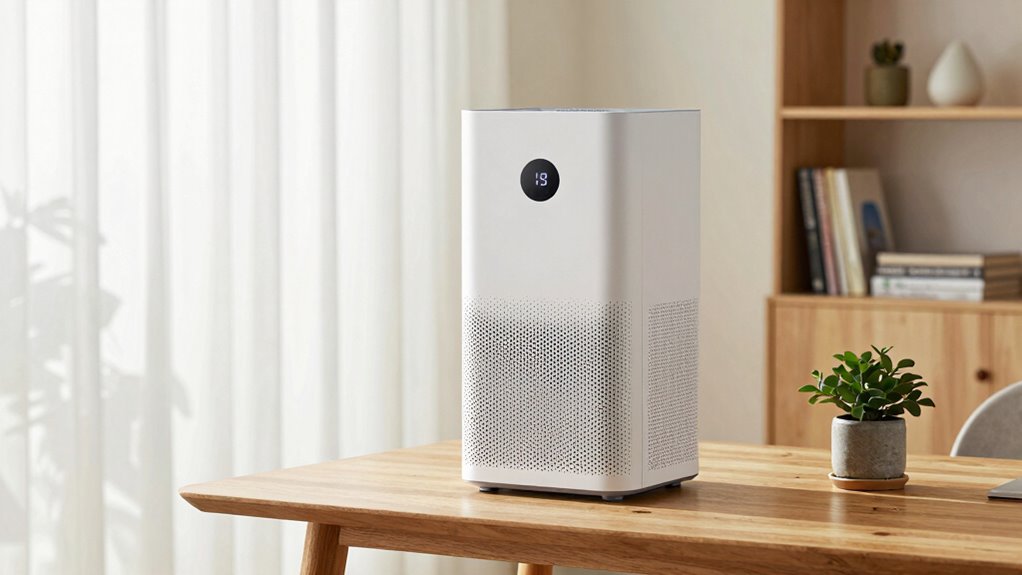
Have you ever wondered whether air purifiers are truly effective or just a marketing gimmick? It’s a common question, especially with so many models claiming to improve your air quality instantly. One of the biggest myths is that all air purifiers are created equal. In reality, their effectiveness depends on the filters they use. HEPA filters, for example, are proven to trap 99.97% of airborne particles as small as 0.3 microns, including dust, pollen, pet dander, and even some bacteria. When you choose an air purifier with a HEPA filter, you’re investing in a device that genuinely helps reduce common indoor pollutants. Nevertheless, many buyers get misled by advertisements touting “air cleaning” without understanding the importance of the filter type. Some cheaper units may claim to improve air quality but rely solely on activated carbon filters or ionizers, which might not be as effective against particulate matter. It’s vital to know what kind of filtration your device uses and whether it’s capable of handling the pollutants you’re most concerned about. Knowing the differences in air filtration technologies can help you make an informed decision and select the most suitable device for your needs. Additionally, understanding filter maintenance is crucial to ensure ongoing effectiveness and avoid unintended health risks over time. Proper filter replacement schedules and cleaning routines are essential for maintaining optimal performance and safety.
Another prevalent myth involves ozone generators. Some believe that ozone can clean the air more effectively than traditional filters. This couldn’t be further from the truth. Ozone generators produce ozone gas, which, while capable of neutralizing certain odors, can be harmful to your health. They often emit ozone at levels that can irritate your lungs, worsen asthma, or cause other respiratory issues. Despite claims that ozone can eliminate bacteria and viruses, scientific studies show that ozone is not an effective or safe disinfectant indoors. Instead, it’s better to rely on air purifiers equipped with HEPA filters for particulate removal and activated carbon filters for odors and chemicals. Using an ozone generator as a primary air cleaning tool is a dangerous misconception and can do more harm than good. Additionally, understanding air purifier safety guidelines further ensures that your efforts to improve air quality do not inadvertently cause health issues. Being informed about indoor air quality standards supports safer and more effective air purification practices.
HEPA air purifier for dust and pollen
As an affiliate, we earn on qualifying purchases.
As an affiliate, we earn on qualifying purchases.
Frequently Asked Questions
Do Air Purifiers Remove All Types of Airborne Viruses?
Air purifiers don’t remove all types of airborne viruses, but they can substantially reduce certain airborne pathogens through virus filtration. HEPA filters are effective against many viruses and bacteria, capturing particles as small as 0.3 microns. However, some viruses are smaller or spread through surfaces, so purifiers alone can’t eliminate all risks. For complete protection, combine air purifiers with good hygiene and ventilation practices.
Can Air Purifiers Completely Eliminate Indoor Odors?
Imagine walking into a room where a fresh scent welcomes you, thanks to your air purifier. While it can considerably reduce indoor odors through odor filtration and scent absorption, it can’t guarantee complete elimination. Strong or persistent smells might linger despite its efforts. Think of it as a helpful tool that improves air quality, but for total odor removal, proper ventilation and cleaning are also essential.
How Often Should Filters Be Replaced for Optimal Performance?
You should replace your air purifier filters based on the recommended replacement schedule, usually every 6 to 12 months, depending on usage and air quality. Check the filter’s lifespan, as it varies by model and environment, and replace it when it becomes visibly dirty or less effective. Regularly following the replacement schedule guarantees peak performance, improves air quality, and prolongs your purifier’s lifespan.
Are Expensive Air Purifiers Always More Effective?
Expensive air purifiers aren’t always more effective; think of it like choosing a luxury car. You might pay for the brand reputation and sleek design, but a mid-range model can deliver just as much cleaning power. Cost vs. effectiveness depends on features and maintenance. Do your research, read reviews, and compare specs—sometimes, a less costly option with solid filters outperforms pricier, lesser-known brands.
Do Air Purifiers Generate Harmful Ozone?
Air purifiers can generate harmful ozone if they use certain technologies like ionizers or ozone generators, so ozone safety is crucial. Look for models labeled as ozone-safe to guarantee purifier efficiency without risking health. Many modern purifiers use HEPA filters and activated carbon, which don’t produce ozone. Always check product specifications and reviews to confirm your chosen purifier maintains air quality safely and effectively, avoiding unnecessary ozone exposure.
As an affiliate, we earn on qualifying purchases.
Conclusion
So, next time you’re debating an air purifier, remember that myths often sneak in just when you least expect them. Sometimes, the truth about how these devices work is right in front of you—like the air you breathe daily. Don’t let misconceptions cloud your judgment. With a little research and a clear head, you’ll find the right purifier that truly meets your needs. It’s funny how facts can turn out to be the best filter of all.
HEPA and activated carbon air purifier combo
As an affiliate, we earn on qualifying purchases.
As an affiliate, we earn on qualifying purchases.
safe ozone generator for odor removal
As an affiliate, we earn on qualifying purchases.
As an affiliate, we earn on qualifying purchases.
Fall Picks
fall essentials
As an affiliate, we earn on qualifying purchases.