TL;DR

Turn the school run and nap time into listening time
- Thousands of audiobooks, podcasts and originals
- Listen on your phone, tablet or Echo — also offline
- Cancel anytime
National Magazine Day 2026 is being marked on Oct. 14 with a UK campaign to distribute more than 60,000 magazines to children and provide bundles to 20 schools. A MadeForMums report outlines five potential benefits of magazines, drawing on literacy research while noting that several findings concern reading generally, not magazines specifically.
National Magazine Day 2026 is being marked on Oct. 14 with a UK campaign aiming to distribute more than 60,000 magazines to children and provide magazine bundles to 20 schools. A MadeForMums report published for the occasion cites literacy research and experts who say magazines may offer an accessible way to engage children with reading, though some of the cited research measures reading generally rather than magazines specifically.
The report sets out five possible benefits: magazines may appeal to reluctant readers through short, illustrated pieces; let children follow their interests; create opportunities for reading together; introduce vocabulary and facts; and offer a form of screen-free downtime. These are reasons to consider magazines as one reading option, not evidence that every child will respond to them in the same way.
A 2025 Open University study followed Year 5 pupils in 13 UK primary schools. Children who had What on Earth! magazines alongside weekly reading sessions reported greater enjoyment of reading, including children previously described as reluctant readers. The report says the study involved one magazine and structured sessions, so it does not establish that all magazines, or magazines without those sessions, would have the same effect.
National Literacy Trust figures cited in the report offer broader context. Its 2026 research found 36.1% of children aged 8 to 18 said they enjoyed reading in their free time, a slight rise on the previous year. The report also says 48.7% of children and young people said reading helped them explore their interests. Among children who enjoyed reading and read at least weekly, 85.2% said reading helped them learn new words or things, while 64.4% said it helped them relax and 55.6% said it helped when they felt stressed or anxious. Those latter figures concern reading in general, not magazine reading specifically.
How Magazines Could Broaden Reading
The campaign arrives amid evidence that many children do not say they enjoy reading in their free time. The 36.1% figure does not explain why, but it highlights the value of offering children different formats rather than assuming that one kind of book suits everyone. Magazines can combine text with pictures, quizzes and short features, making it possible to read in brief stretches and choose topics that already interest a child.
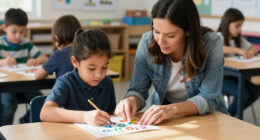
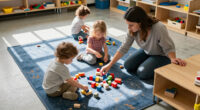
The potential benefits go beyond individual reading practice. The Open University researchers observed children talking spontaneously about what they had read, and recommended providing shared texts to encourage reading as a social activity. At home or in a classroom, that can give children a reason to explain an idea, ask questions or compare reactions. The report presents these as opportunities, not guaranteed outcomes.
For families and schools, the campaign’s distribution target also has practical relevance: it aims to put reading material into settings where access may be limited. The source does not specify how the magazines will be allocated or how the campaign will measure its effect, but its stated aim is to widen children’s access to reading choices.
As an affiliate, we earn on qualifying purchases.
The Research Behind the Campaign
National Magazine Day is part of the National Year of Reading 2026. The campaign is led by Immediate, the publisher behind MadeForMums, with other publishers and charity partners. According to the report, its target is to distribute more than 60,000 magazines to children across the UK, particularly those with limited access to reading materials, and to provide bundles for 20 schools.
The evidence described in the report comes from different sources and has different limits. The Open University study focused on Year 5 pupils reading one non-fiction magazine in weekly sessions. The National Literacy Trust statistics cover reading more broadly. For example, the findings about learning new words, relaxing and coping with stress are reported for children who enjoyed reading and read at least weekly; they are not specific to magazines or evidence that reading caused those outcomes.
Kelly Ashley, a Lecturer in Reading for Pleasure at the Open University, recommended using non-fiction magazines to broaden the forms of reading available to children, particularly those less engaged with reading. Professor Robin Banerjee, a developmental psychology professor at the University of Sussex, described varied material as part of a “literacy menu” that can draw children in with content they find engaging.
“Broaden reading into more diverse forms and foster reading for pleasure, especially for less engaged and reluctant readers.”
— Kelly Ashley, Lecturer in Reading for Pleasure at the Open University
As an affiliate, we earn on qualifying purchases.
What the Evidence Cannot Establish
The available material does not show whether the campaign has already distributed any magazines, which schools will receive bundles, or how many children will take part. Its figure of more than 60,000 is a target, not a confirmed count of magazines delivered.
The report also does not establish that magazines alone improve reading enjoyment, literacy or wellbeing. The Open University study paired one title with weekly reading sessions, while the National Literacy Trust statistics cited for vocabulary, relaxation and stress relate to reading generally. The source gives no detailed methodology or effect sizes for those findings, and it does not say how outcomes differ by age, reading level or magazine type.
screen-free activity magazines for children
As an affiliate, we earn on qualifying purchases.
As an affiliate, we earn on qualifying purchases.
Campaign Distribution and Follow-Up
The campaign’s next stated step is to distribute magazines to children across the UK and deliver bundles to 20 schools. The source does not provide a schedule, recipient list or later evaluation plan. Any account of reach or impact will need to distinguish the campaign’s distribution target from confirmed delivery figures and from evidence about changes in children’s reading habits.
For families, the report’s practical suggestion is to offer a magazine connected to a child’s existing interests and see whether it draws them into reading. It does not prescribe a particular title or reading routine; the central message is that magazines can sit alongside books and other reading materials.
magazine subscription for reluctant readers
As an affiliate, we earn on qualifying purchases.
As an affiliate, we earn on qualifying purchases.
Key Questions
When is National Magazine Day 2026?
It is being marked on Oct. 14, 2026, as part of the National Year of Reading 2026.
What is the campaign aiming to do?
According to the MadeForMums report, the campaign aims to distribute more than 60,000 magazines to children across the UK and provide magazine bundles to 20 schools. These are targets; the source does not report confirmed delivery totals.
What did the Open University study find?
A 2025 study involving Year 5 pupils at 13 UK primary schools found that children given What on Earth! magazines alongside weekly reading sessions reported greater enjoyment of reading, including some who had previously been reluctant readers. The reported study was limited to one magazine and included dedicated sessions.
Do the cited statistics prove magazines reduce stress or teach vocabulary?
No. The figures about learning new words, relaxation and stress relate to reading in general among children who enjoyed reading and read at least weekly. They do not show that magazines specifically cause those outcomes.
Source: rss
Fall Picks
fall essentials
As an affiliate, we earn on qualifying purchases.