TL;DR

Turn the school run and nap time into listening time
- Thousands of audiobooks, podcasts and originals
- Listen on your phone, tablet or Echo — also offline
- Cancel anytime
The best kids Halloween costume ideas are easy to recognize, comfortable to wear, and suited to your child’s age, plans, and local weather. Start with clothes you own, add one or two clear details, then check fit, visibility, fastenings, and age-appropriateness before heading out.
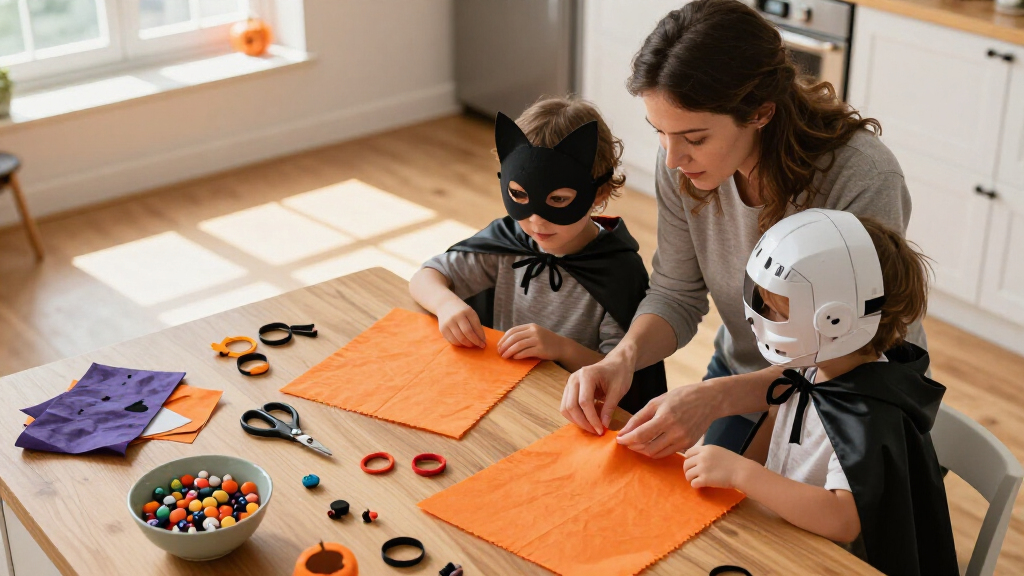
A black shirt, two paper ears, and a drawn-on nose can become a cat before the glue stick dries. The costume your child remembers most may be the one they can run, laugh, and eat a snack in—not the one with the biggest price tag.
Use these kids Halloween costume ideas to match a look to your child’s age, comfort, weather, and budget. You’ll find quick DIY options, ways to adapt costumes for different needs, and a simple safety check before trick-or-treating.
Build an easy costume from familiar clothes and one or two details that make the idea clear.
Choose soft, easy-to-remove outfits for babies and toddlers; involve older kids in picking a look they can move in.
Test the whole outfit with outerwear, shoes, accessories, and makeup before trick-or-treating.
Use reflective details or a light after dark, and consider face paint or a headband instead of a vision-limiting mask.
Borrow, swap, or reuse costume pieces, and check CPSC recalls and age suitability when using child products.
Start with one clear detail for an easy costume
Easy Halloween costume ideas for kids work best when one or two details make the character or theme easy to recognize. That clarity matters because children move between rooms, classrooms, and dark sidewalks; a costume that needs a long explanation may feel less satisfying than one people understand at a glance. Start with familiar clothes, then add a simple prop, color, or headpiece. Keeping the base ordinary also makes it easier to adjust for weather and reuse later.
For a cat, try black leggings and a top, paper ears attached to a headband, and face paint if your child enjoys it. For a rainbow, wear colorful clothes and carry a paper cloud, or turn a checked shirt and toy binoculars into a park ranger outfit. Choose details that stay visible while your child moves; a badge pinned at chest height, for example, may read better than a small accessory hidden under a coat.
Try these options for different ages and budgets:
- Last-minute: A blanket can become a superhero cape, or a striped shirt and paper hat can suggest a sailor. These are quick to assemble, but secure loose fabric so it does not trail underfoot.
- No-sew: Make a robot from a decorated cardboard box with large, securely attached shapes. The box creates a strong silhouette, though it can restrict arm movement or get awkward on stairs, so make openings roomy and test it before the event.
- Closet-based: Pair pajamas with soft ears for a favorite animal, or add a paper crown to a bright outfit for a storybook king or queen. Familiar clothes can make the costume more comfortable and reduce spending, while one bold detail helps it still feel special.
- Group theme: Pick a shared color, such as green, and let each child become a different garden creature. A common palette makes the group look connected without requiring identical outfits, so each child can choose a character and comfort level.
A recognizable look doesn’t need elaborate props. When your child’s silver shirt, foil-free cardboard “buttons,” and boxy shape say “robot,” you can skip the heavy helmet that keeps slipping over their eyes. The tradeoff is simple: fewer accessories may be less elaborate in photos, but they often leave more room for play and easier movement.
Let your child choose a costume they can enjoy
Choosing a costume goes more smoothly when you match the outfit to your child’s age, interests, and comfort before you shop or start crafting. Age affects more than the theme: it can shape how easily a child handles fastenings, tolerates face coverings, or stays warm while outside. Babies and toddlers often do best in soft, breathable clothes that open quickly, while older kids can help pick a look they can move and play in.
For a toddler still working on toilet training, a pull-on animal outfit may be easier than a jumpsuit with fiddly fasteners. That small convenience can prevent a costume change from becoming stressful midway through a party. For older kids, involve them in choosing a costume by offering a few practical options—say, astronaut, dragon, or soccer star—and letting them pick the one that feels like them. A short list sets useful limits on time and budget while preserving the child’s sense of ownership.
Age-appropriateness applies to materials and small parts as well as themes. Avoid loose buttons, beads, or other detachable pieces on outfits for young children, since they can come off during play and create a choking hazard. Check U.S. Consumer Product Safety Commission (CPSC) recall notices for a costume or child product before using it; a quick check can catch a known product issue that may not be obvious from a visual inspection.
Costumes work best when children of any gender, body type, or ability can choose the character they like. Adapting a familiar idea can keep the fun while accounting for access and movement. A child who uses a wheelchair might turn it into a pirate ship with lightweight decorations attached safely, while keeping wheels, controls, and access clear. The decoration should add to the look without making the equipment harder to use.
Check the whole outfit for warmth and visibility
A safe costume depends on the full outfit—clothes, shoes, accessories, makeup, and outerwear—not the costume alone. Each piece can change how another fits: a coat may shorten a robe’s stride, gloves can make fastenings harder to manage, and a hood may shift into a child’s line of sight. Try everything together at home so you can catch a tight waist, trailing hem, or hood that slips over your child’s eyes before the evening starts.
Use this quick check before you leave:
- Walk and sit: Ask your child to bend, climb a step, and sit down. These movements show whether a hem catches or a prop gets in the way before the child is outside. Short hems and flexible layers make those movements easier.
- Check the fit: Add warm clothes underneath, then make sure sleeves, fastenings, and waistbands still feel comfortable. Layers help with changing temperatures, but a costume that becomes tight over them can restrict movement or leave your child uncomfortable sooner.
- Test visibility: Have your child look side to side and walk around. Masks can narrow their view, which matters near steps, crowds, and curbs; face paint or a well-fitting headband may work better if your child is happy wearing it.
- Make them easier to spot: Add reflective details or carry a light if you’ll be outside after dark, and choose comfortable shoes with steady soles. Bright details can help caregivers notice a child in a group, while secure footwear reduces the chance of a stumble on uneven paths.
- Inspect small details: Secure fastenings, leave sharp or unwieldy props at home, and check labels and washing instructions for face paint and makeup. Props that look convincing can be difficult to carry for a long walk, and products used on skin should be suitable for that use.
For example, a wizard robe might drag across wet pavement after you add a puffy coat. Shorten or pin up the hem, swap a long staff for a lightweight paper wand, and let your child test the finished outfit on the stairs. This keeps the character recognizable while reducing the chance that warmth or accessories will make walking harder.
Key check: If the costume makes it hard for your child to see, walk, use the bathroom, or get warm, simplify or adjust it before trick-or-treating. A costume that needs constant fixing can take attention away from the activity, so choose the version your child can manage comfortably.
Make scratchy or complicated costumes easier to wear
Small adjustments can make a costume more comfortable for children who dislike scratchy seams, tight fits, noisy pieces, masks, or bulky headwear. Comfort affects how long a child can enjoy an outfit: a costume that feels fine for a quick photo may become distracting during a long walk or party. Keep a familiar outfit as the base, choose soft fabrics where you can, and leave room to adjust the costume during the evening.
Try a soft T-shirt and leggings beneath an itchy cape, remove a tag that rubs, or replace a mask with face paint if your child is comfortable wearing it. Each change has a tradeoff: extra layers can soften irritating fabric but may make a costume warmer, and face paint avoids a mask but can feel unfamiliar on the skin. If face paint is new to them, try a small amount first and follow the product label and cleaning directions.
Children with mobility needs may enjoy the same character ideas as anyone else, adapted to fit their movement or equipment. Attach lightweight cardboard fins to a costume without blocking a wheelchair’s wheels, or use a bright sash to make an animal costume without covering a medical device. Keeping access clear matters because costume details should not interfere with equipment a child relies on or make it harder for them to move comfortably.
Comfort is personal. A preschooler may happily wear a plush dinosaur suit for an hour, while their sibling prefers a dinosaur T-shirt and paper tail; both count as a costume if each child feels good in it. Letting the child decide which parts stay on can mean a simpler look, but it often makes the outfit more enjoyable for the time they actually wear it.
Spend less by borrowing, reusing, and keeping it simple
You can make a memorable costume without buying a complete set by borrowing pieces, reusing everyday clothes, or adding one inexpensive detail. A yellow raincoat, boots, and a paper badge can become a storybook detective; next year, the coat can go back into the closet for rainy days. Reusing a useful base spreads its cost across more than one occasion, while a small added detail gives the child a costume without requiring a full themed outfit.
Before you buy anything, check your dress-up box, ask a friend about a costume swap, and look for accessories you can use again. A cardboard crown, fabric scarf, or painted box can be cheaper than a single-use outfit, though you’ll want to keep cardboard dry and remove any rough or loose edges. Borrowing can save money and storage space, but check fit and condition early enough to make a simple adjustment if needed.
After Halloween, wash or clean each piece according to its label, let it dry fully, and store the costume in a labeled bag or box. Cleaning before storage helps avoid setting stains or odors, and a label makes it easier to find pieces when plans come up again. A quick note—“cat ears, black cape, face paint”—can save you a frantic search when a school party comes around.
Choose a costume that fits school and party plans
The right costume also fits the place your child will wear it, whether that’s school, a party, or a long neighborhood walk. The setting changes what is practical: school may have rules about masks or props, while a walk requires warmth, visibility, and shoes suited to the route. Check school rules in advance, and favor outfits your child can put on, take off, and use the bathroom in without an adult wrestling with layers of tiny snaps.
For a classroom celebration, a soft animal outfit or sports uniform may be easier to manage than a full-face mask or a costume with long accessories. For trick-or-treating, test the shoes and outerwear on a short walk before dark; a costume that looks great indoors may feel cold or clumsy outside. Trying it in the setting’s likely conditions can reveal discomfort while there is still time to change a hem, add a layer, or choose simpler footwear.
Trends from movies, games, and social media shift quickly, so let your child’s interests guide the choice instead of chasing a character you may have to hunt down. A homemade “space explorer” can feel just as special when your child picks the mission patch and helps tape it onto a favorite hoodie. A personal detail can make an easy-to-find outfit feel chosen for them, and the hoodie remains useful after the event.
Frequently Asked Questions
What are easy Halloween costume ideas for kids?
Use clothes you already have and add one recognizable detail. Black clothes and paper ears make a simple cat, while a checked shirt and cardboard badge can become a park ranger.
What can my child wear for a last-minute costume?
Try a blanket cape, pajamas with soft animal ears, or a bright outfit with a paper crown. Keep props lightweight and securely attached, and check that your child can see and move freely.
How can I make a costume warm enough for cold weather?
Try the full outfit with a coat and warm layers underneath before Halloween. If the added clothes make the costume tight or restrict movement, choose a roomier base or simplify the costume.
What can my child wear instead of a mask?
Consider face paint, a soft headband, or a hat that stays clear of the eyes. Follow makeup directions, and let your child try the alternative before the event to see how it feels.
How do I make a costume more comfortable for a sensory-sensitive child?
Start with familiar clothes, soft fabrics, and a relaxed fit. Removing scratchy tags, skipping bulky headwear, or swapping a mask for a headband can help; let your child try each piece at their own pace.
Conclusion
Pick the idea your child likes, then make it easy to wear: soft layers, clear details, good visibility, and room to move. A paper crown or pair of ears can turn an ordinary evening outfit into a story your child carries home.
Fall Picks
fall essentials
As an affiliate, we earn on qualifying purchases.