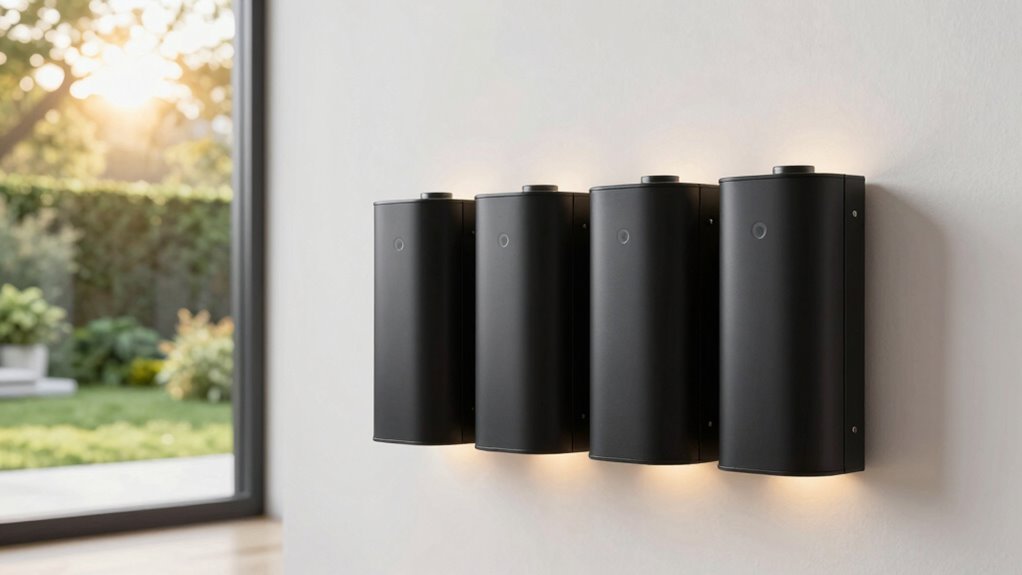

Whole-home backup batteries offer a safer, quieter, and more efficient way to keep your power on during outages. Unlike generators, they pose no risk of fumes or carbon monoxide and require less maintenance, saving you time and hassle. They seamlessly integrate with your solar system, helping you become more energy independent and eco-friendly. If you want to discover how these batteries can transform your home’s backup power, there’s more to explore below.

Turn the school run and nap time into listening time
- Thousands of audiobooks, podcasts and originals
- Listen on your phone, tablet or Echo — also offline
- Cancel anytime
Key Takeaways
- Provide silent, fumes-free backup power without noise, fumes, or carbon monoxide risks.
- Seamlessly integrate with renewable energy systems to maximize sustainable energy use.
- Offer lower long-term costs due to minimal maintenance, no fuel, and energy efficiency.
- Enhance safety by eliminating hazards associated with gas-powered generators.
- Incorporate smart technology for efficient energy management and future-proof system upgrades.
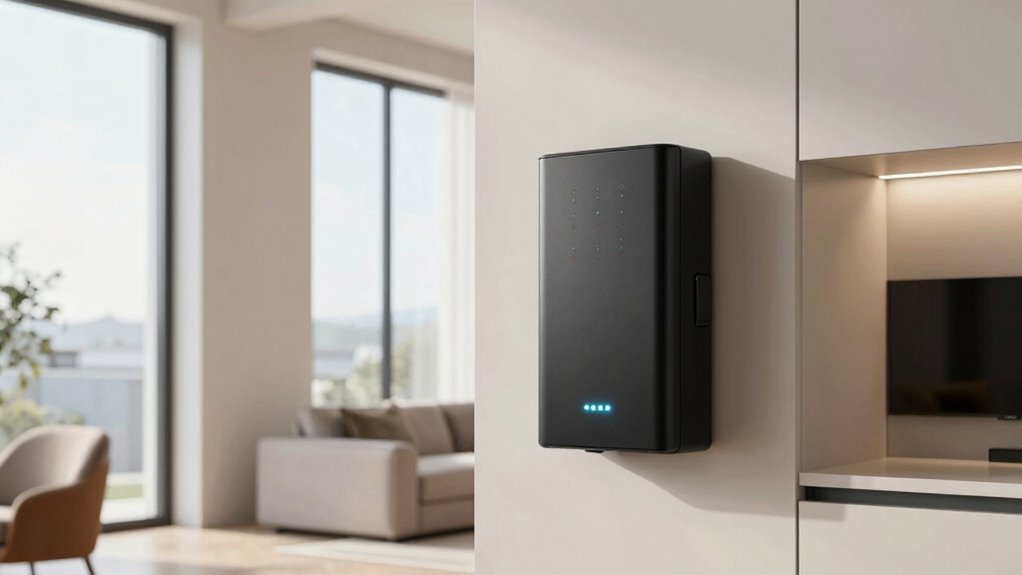
When power outages strike, whole-home backup batteries can be a reliable solution to keep your essential devices running. Unlike traditional generators, these batteries store electricity—often generated from renewable sources like solar panels—and provide instant power without the noise, fumes, or maintenance. This makes them especially appealing if you’re looking for a clean, quiet, and efficient way to guarantee your home stays operational during outages. One of the key advantages lies in renewable integration. If you already have solar panels, a backup battery seamlessly works with your system, storing excess energy produced during sunny days. This stored energy can then be dispatched instantly when the grid fails, effectively turning your home into a self-sufficient power system. This synergy not only enhances your energy independence but also promotes greener living by maximizing renewable resources.
When you compare costs, whole-home backup batteries often seem more upfront than generators, but they can be more economical in the long run. Generators typically involve ongoing expenses for fuel, maintenance, and repairs, which can add up over time. Batteries, on the other hand, require an initial investment but generally have lower operating costs. While the upfront price may be higher, the cost comparison tilts favorably when you consider the reduced need for fuel and servicing. Plus, battery systems are less labor-intensive to install and maintain, saving you money and hassle down the line. Another benefit is safety—no fumes or carbon monoxide risk, unlike gas-powered generators, which can pose health hazards if not used properly. Additionally, as energy storage solutions, batteries are increasingly compatible with renewable energy systems, making them a future-proof choice for sustainable living. This compatibility also means that advancements in energy storage technology continue to improve the efficiency and lifespan of these systems. Moreover, many battery systems now come with smart management features that allow for better energy optimization, further enhancing their appeal for modern homes.
whole-home backup battery system
As an affiliate, we earn on qualifying purchases.
As an affiliate, we earn on qualifying purchases.
Frequently Asked Questions
How Long Do Backup Batteries Typically Last During an Outage?
During an outage, backup batteries typically last anywhere from a few hours to over a day, depending on their battery lifespan and your home’s energy demand. If you have a high-capacity system, you might enjoy longer outage durations. Keep in mind, the actual duration varies based on factors like usage, battery size, and how much power your appliances draw. Planning ahead guarantees you stay powered when it matters most.
Are Whole-Home Batteries Compatible With Existing Solar Panel Systems?
You’re in luck—whole-home batteries are often compatible with existing solar panel systems, but it depends on the model and setup. Check the battery’s solar compatibility and battery lifespan to confirm a smooth fit. Sometimes, it’s a bit of a square peg in a round hole, but many systems are designed for seamless integration. Consulting with a professional guarantees you get the most out of your solar and backup battery combo.
What Is the Maintenance Required for Backup Batteries?
You need to perform minimal maintenance on backup batteries, mainly checking for any signs of damage or corrosion regularly. Maintenance frequency is low, typically once or twice a year. To maximize battery lifespan, keep the system clean and guarantee proper ventilation. Some models might require software updates or professional inspections every few years, but overall, they demand less upkeep than generators, offering reliable backup power with little ongoing effort.
How Much Does Installation of a Whole-Home Battery Cost?
Installing a whole-home battery typically costs between $10,000 and $20,000, depending on your home’s size and the system’s capacity. You should consider the battery lifespan, which usually ranges from 10 to 15 years, to evaluate long-term value. When comparing costs, remember that batteries often have higher upfront expenses but can save you money over time by reducing energy bills and providing reliable backup power during outages.
Can Backup Batteries Prevent Power Outages Entirely?
Think of backup batteries as a reliable, silent guardian for your home. They can’t prevent every power outage, but with advanced battery chemistry and energy storage, they can keep essential systems running during many outages. While they may not eliminate all disruptions, they provide a steadier, more dependable power source than generators, especially during prolonged outages. Their smart design guarantees your home stays powered when you need it most.
As an affiliate, we earn on qualifying purchases.
Conclusion
When it comes to backup power, whole-home batteries shine—offering silent, clean, and immediate energy during outages. Did you know that homes with battery systems experience 80% fewer power disruptions? Unlike generators, batteries require no fuel, emit no fumes, and need less maintenance. If you want reliable, eco-friendly backup power, investing in a whole-home battery could be your smartest move—keeping your home safe and connected when it matters most.
As an affiliate, we earn on qualifying purchases.
As an affiliate, we earn on qualifying purchases.
Fall Picks
fall essentials
As an affiliate, we earn on qualifying purchases.