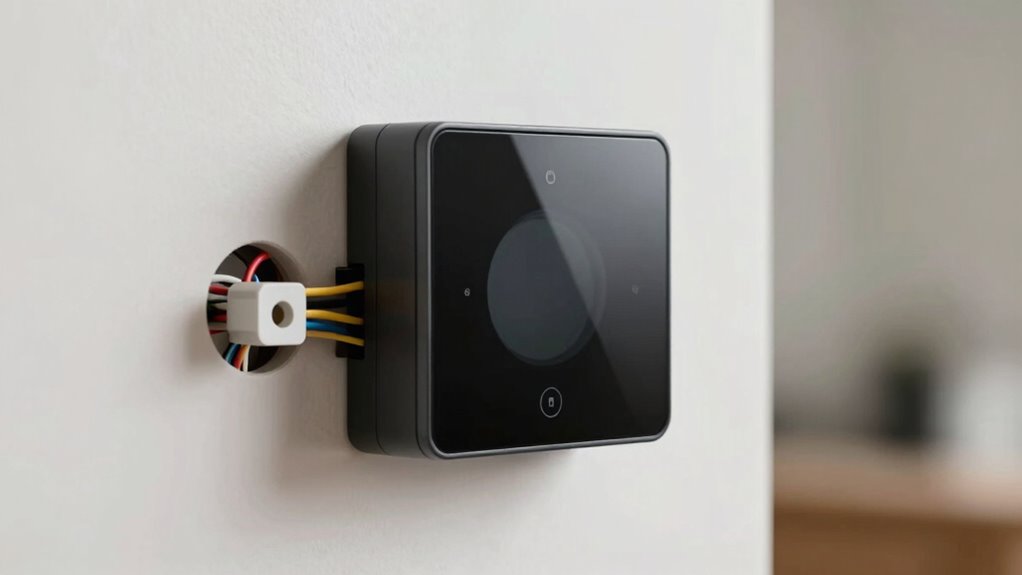

If you have a no C-wire thermostat, you can rely on adapter kits or power stealing to get power. Adapter kits connect directly to your HVAC system for a steady supply, while power stealing draws tiny amounts of energy from existing signals. However, both methods have limitations, like instability or reduced signal strength. If problems continue, it’s best to consult a professional or consider upgrading your wiring. To learn what might work best for your system, keep exploring the details.
Key Takeaways
- Adapter kits provide a reliable power source for no C-wire thermostats, simplifying installation and improving system stability.
- Power stealing draws minimal energy from HVAC signals but may weaken wireless signals and reduce battery life over time.
- Proper assessment of your HVAC system and wiring is essential to choose the best power method and avoid potential damage.
- Signs to consider installing a C-wire or professional upgrade include frequent power loss, system resets, or incompatible wiring.
- Stop using power stealing if it causes unstable performance, equipment damage, or persistent electrical issues; seek professional help if needed.

C-Wire Adapter for Smart Thermostats: A Power Solution for Smart Thermostats Without a C-Wire THP9045A2098/U
Core Functionality: As a c wire adapter, it is designed specifically for smart thermostats without a C-wire (common…
As an affiliate, we earn on qualifying purchases.
As an affiliate, we earn on qualifying purchases.
How Do No C-Wire Thermostats Get Power Without a C-Wire?
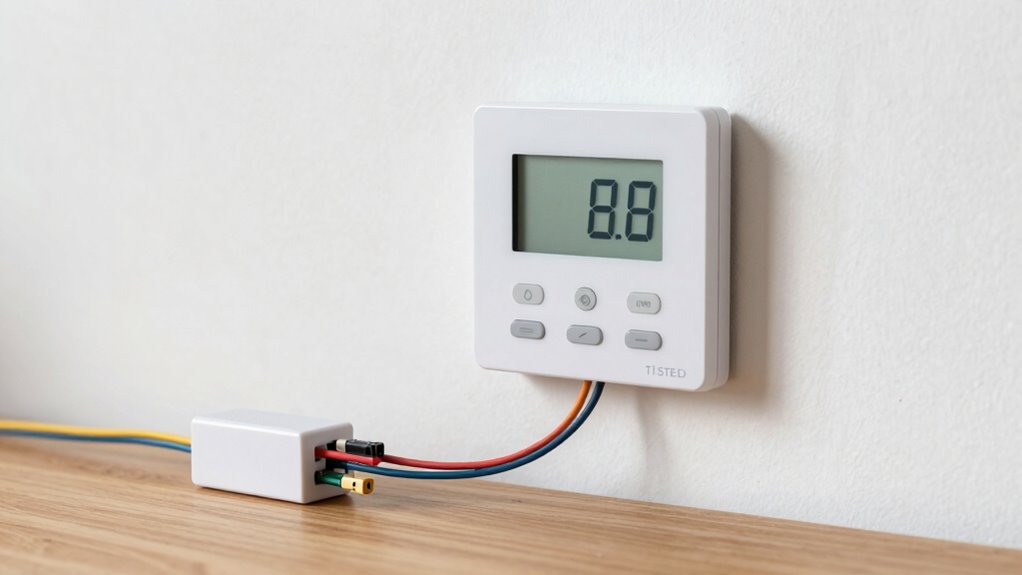
Even if your thermostat doesn’t have a dedicated C-wire, it can still get power through alternative methods. Many no C-wire thermostats rely on wireless communication to conserve energy, drawing power intermittently when needed. They often use voltage regulation techniques to manage the limited power they receive from existing wires, ensuring consistent operation. Some models utilize power stealing, where they subtly draw tiny amounts of energy from the heating or cooling signals without disrupting your system. These strategies allow the thermostat to function without a dedicated common wire while maintaining reliable communication and operation. Additionally, power management techniques are employed to optimize energy use and prolong device lifespan, depending on your HVAC system’s wiring setup and the thermostat’s design, so it’s essential to understand how your specific device manages power. Energy-efficient operation is a key benefit of these methods, helping to reduce overall power consumption and extend the life of your thermostat. Furthermore, power draw optimization ensures that the thermostat does not interfere with your HVAC system’s primary functions, maintaining system stability. To improve reliability and efficiency, some models incorporate adaptive power control, which adjusts the power intake based on usage patterns and system demands. Moreover, understanding these power sourcing methods can help you troubleshoot issues if your thermostat experiences connectivity or power problems.
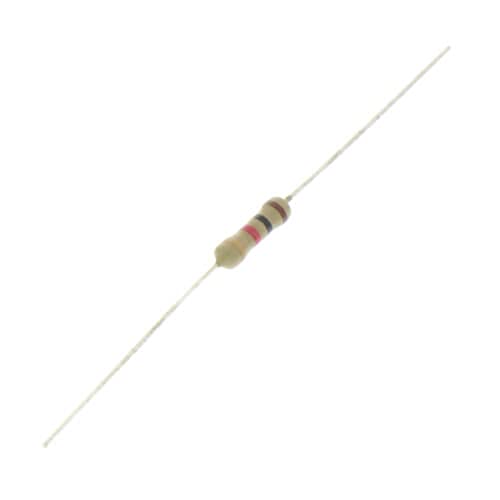
Taco Optional Power Stealing Thermostat Resistor (Pack of 6)
Application: Accessory
As an affiliate, we earn on qualifying purchases.
As an affiliate, we earn on qualifying purchases.
Choosing Between Adapter Kits and Power Stealing for Your Thermostat
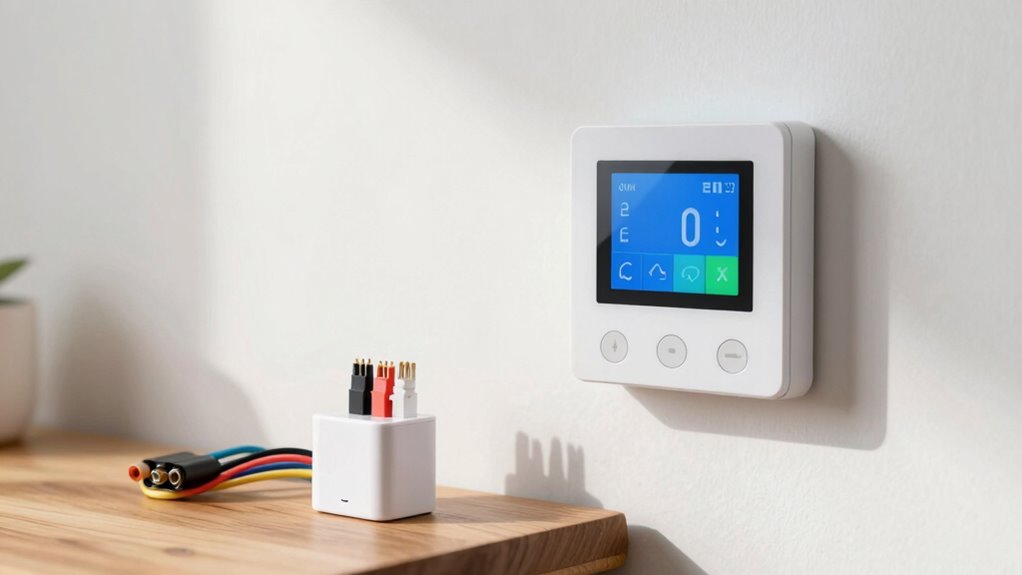
When choosing how to power a no C-wire thermostat, you have two main options: adapter kits or power stealing methods. Each choice impacts wireless communication and battery longevity differently. Consider these key points:
- Adapter Kits: They provide a direct power source, ensuring consistent energy and reliable wireless communication. This often results in longer battery life since the thermostat isn’t relying solely on stored power.
- Power Stealing: This method draws tiny amounts of power from the HVAC system, which can sometimes lead to weaker wireless signals or reduced battery longevity over time, especially if your system isn’t designed for it.
- Installation and Compatibility: Adapter kits tend to be easier to install and more compatible with smart features, whereas power stealing might save time but could compromise long-term performance.
- Understanding water-based systems can help determine the most suitable powering method, especially since some systems may not support power stealing effectively.

PWHK01G70 – Upgraded Replacement Wiring Harness Kit Compatible with Goodman HVAC Systems
"Direct Fit Replacement – Designed as an upgraded replacement part, ensuring full compatibility with Goodman HVAC systems for…
As an affiliate, we earn on qualifying purchases.
As an affiliate, we earn on qualifying purchases.
Benefits and Drawbacks of No C-Wire Power Solutions
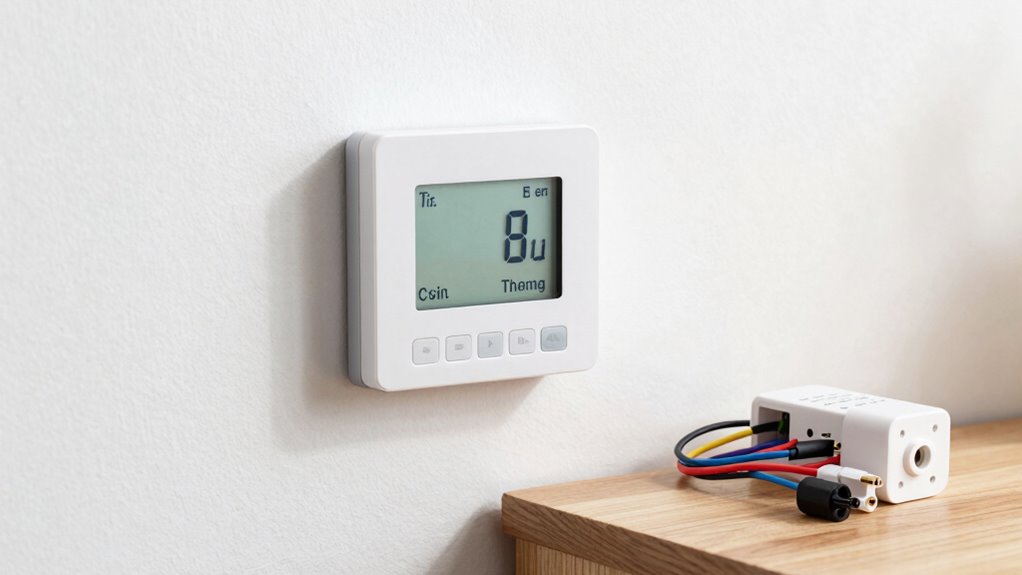
No C-wire power solutions offer a convenient way to upgrade your thermostat without running new wiring, but they come with both advantages and limitations. One major benefit is the ease of installation, often relying on wireless communication and alternative power sources like power stealing or adapter kits. These options enable your thermostat to operate without dedicated C-wire connections, making upgrades simpler. Additionally, power management plays a crucial role in ensuring the reliable operation of these systems. Proper system compatibility is essential for ensuring that these power solutions function effectively. However, the drawbacks include potential instability or insufficient power, especially with power stealing methods that can disrupt other systems. You might encounter issues with consistent performance or limited compatibility with certain HVAC systems. While no C-wire solutions save time and effort, understanding their limitations helps you decide if they’re suitable for your setup or if more robust wiring is necessary. Being aware of power supply limitations can help prevent unexpected failures and ensure smooth operation. It’s also important to consider long-term reliability, as some of these solutions may degrade over time or under heavy usage. Moreover, advancements in wireless technology have improved the stability and efficiency of some no C-wire options, but they still may not match the consistency of dedicated wiring.

Sensi Lite Smart Thermostat, Programmable, WiFi, Easy DIY, Works With Alexa, ENERGY STAR Certified, ST25, Most Systems C-Wire Not Required, C-Wire needed with Heat/Cool Only & Heat Pump System – Black
EASY DIY INSTALLATION: Do it yourself fast with a built-in level and simple step-by-step instructions. Works with the…
As an affiliate, we earn on qualifying purchases.
As an affiliate, we earn on qualifying purchases.
Common Problems and Limitations of Power Stealing Methods
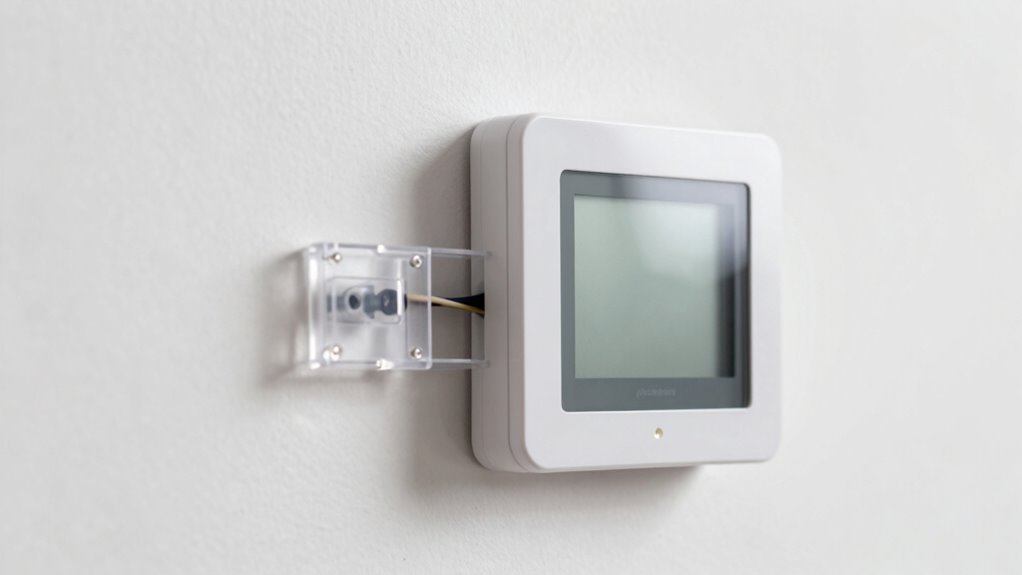
Power stealing methods can sometimes lead to inconsistent power supply, causing your thermostat to malfunction. Compatibility issues may prevent these solutions from working with certain HVAC systems. Additionally, there’s a risk of damaging your equipment if these methods aren’t implemented carefully. Using the appropriate power supply and ensuring proper installation can help mitigate some of these issues. Moreover, understanding the electrical requirements of your system can prevent potential damage or safety hazards. Proper knowledge of HVAC system compatibility can further reduce the risk of issues arising from power stealing methods.
Inconsistent Power Supply Issues
Although power stealing methods offer a convenient solution for eliminating the C-wire, they often face significant limitations due to inconsistent power supplies. These issues can disrupt your thermostat’s performance, causing unreliable operation.
- Battery life suffers because inconsistent power can drain batteries faster or prevent recharging altogether. Power stability is essential for maintaining optimal battery performance over time.
- Signal strength may weaken if the power supply fluctuates, leading to communication problems between your thermostat and HVAC system.
- Power fluctuations can cause the thermostat to reset unexpectedly or fail to wake up, making it difficult to maintain consistent temperature control.
- The compatibility of power stealing methods varies depending on your existing wiring and system configuration, which can affect their effectiveness and reliability.
If your power supply isn’t steady, you might experience erratic thermostat behavior, risking discomfort and energy waste. Recognizing these issues helps you decide whether power stealing is a suitable long-term solution.
Compatibility Limitations Arise
While power stealing methods offer a convenient way to eliminate the need for a C-wire, they often come with compatibility limitations that can cause problems. Not all HVAC systems are suitable, especially if wiring configurations are complex or non-standard. Compatibility issues arise when the thermostat’s power stealing design conflicts with your system’s wiring or control logic, leading to unreliable operation or false readings. Wiring limitations may prevent proper power transfer, especially if your system lacks certain control wires or has unusual configurations. Before attempting power stealing, you need to confirm that your system’s wiring supports these methods. Understanding system compatibility is essential to avoid issues like inadequate power delivery, system malfunctions, or even damage to your equipment. Always check compatibility before choosing a power stealing solution.
Potential Equipment Damage
Attempting to use power stealing methods without verifying compatibility can put your equipment at risk of damage. If not done correctly, it may compromise electrical safety and reduce your system’s equipment longevity. Here are common issues to watch out for:
- Overloading circuits, causing overheating or short circuits that damage your HVAC or thermostat.
- Interfering with existing wiring, which can lead to unreliable operation or system failure.
- Draining too much power, risking voltage drops that hinder both the thermostat and HVAC components.
- Understanding power stealing limitations is essential to prevent these issues and ensure safe, reliable operation. Additionally, being aware of electrical system capacity helps prevent unintentional overloads that can lead to equipment failure.
- Ignoring system compatibility guidelines can result in costly repairs and system malfunctions. Properly assessing load capacity ensures your setup can handle the power demands without issues. It’s also important to consider manufacturer instructions to avoid voiding warranties or causing damage.
These problems highlight the importance of understanding power stealing limitations. Ignoring them can result in costly repairs and reduced system lifespan. Always confirm your setup is compatible and follow safety guidelines to protect your equipment and maintain peak performance.
Signs You Should Stop Using No C-Wire Solutions and Call a Pro
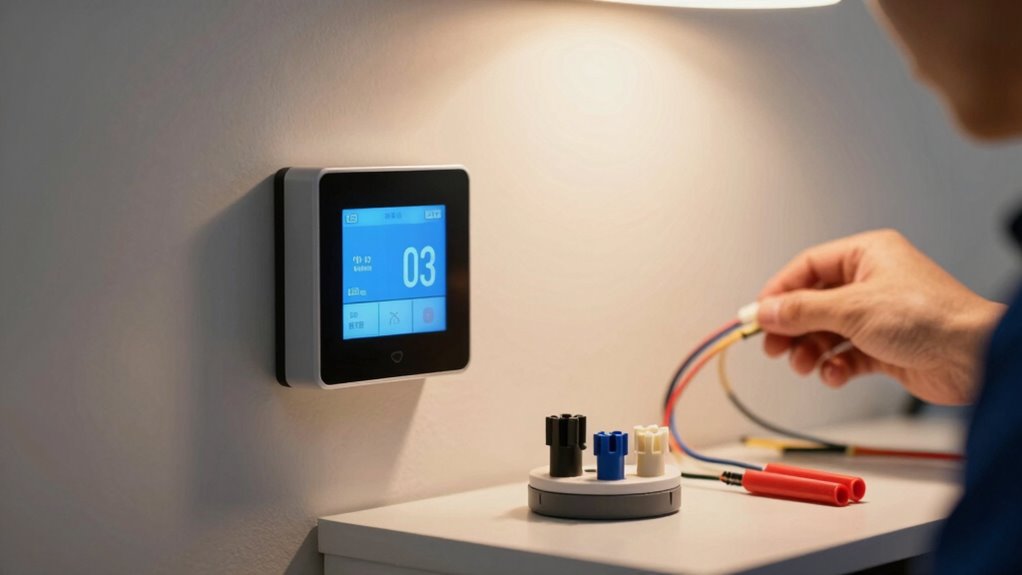
If your thermostat keeps losing power or the temperature readings seem off, it’s a clear sign something’s not working right. You might also notice your heater or AC turning on and off unexpectedly or running constantly. When these issues happen, it’s time to stop relying on no C-wire solutions and call a professional.
Persistent Power Issues
Persistent power issues are a clear sign that no C-wire solutions may not be suitable for your setup. If your thermostat frequently loses power, experiences unresponsive controls, or displays error messages, it’s time to reconsider. These problems often stem from inadequate wiring compatibility or reduced battery longevity, forcing the thermostat to rely heavily on power stealing.
Ask yourself:
- Are your batteries draining faster than usual?
- Does your thermostat reset or lose settings often?
- Is there inconsistent heating or cooling performance?
If you answered yes to any of these, it’s a strong indicator that no C-wire solutions aren’t working for your system. In such cases, calling a professional to evaluate your wiring setup is the safest move.
Unusual Heating or Cooling
Unusual heating or cooling patterns are strong signs that no C-wire solutions may not be suitable for your system. If your smart home isn’t maintaining consistent temperatures or your HVAC runs excessively, it indicates your thermostat isn’t getting reliable power. This can lead to inefficient energy use and increased utility bills. When these issues happen, it’s a clear sign that a DIY fix isn’t enough. Continuing to rely on a no C-wire setup might compromise your system’s performance and energy efficiency. It’s best to stop troubleshooting yourself and call a professional. They can assess whether your system needs a proper wired C-wire or alternative solutions that guarantee consistent power, peak performance, and energy savings in your smart home. Additionally, understanding the fundamentals of home automation wiring can help prevent future issues and ensure your system runs smoothly. Recognizing the importance of power management in your HVAC system is crucial to avoiding these performance problems.
When to Install a C-Wire or Upgrade Your HVAC System

Knowing when to install a C-wire or upgrade your HVAC system is essential for guaranteeing your thermostat functions properly, especially with modern smart thermostats that require continuous power. If you notice your battery powered thermostats frequently die or experience connectivity issues, it’s a sign you need a stable power source. Additionally, wireless communication can drain batteries faster if your system isn’t designed for it. Consider upgrading if:
- Your current setup can’t support smart features or reliable wireless communication.
- You experience inconsistent thermostat performance or frequent resets.
- Your HVAC system is outdated and incompatible with modern wiring requirements.
Installing a C-wire provides a dedicated power source, eliminating the need for power stealing or frequent battery replacements. Upgrading your system ensures compatibility and reliable operation for years to come.
Tips for Safe and Reliable No C-Wire Thermostat Installation
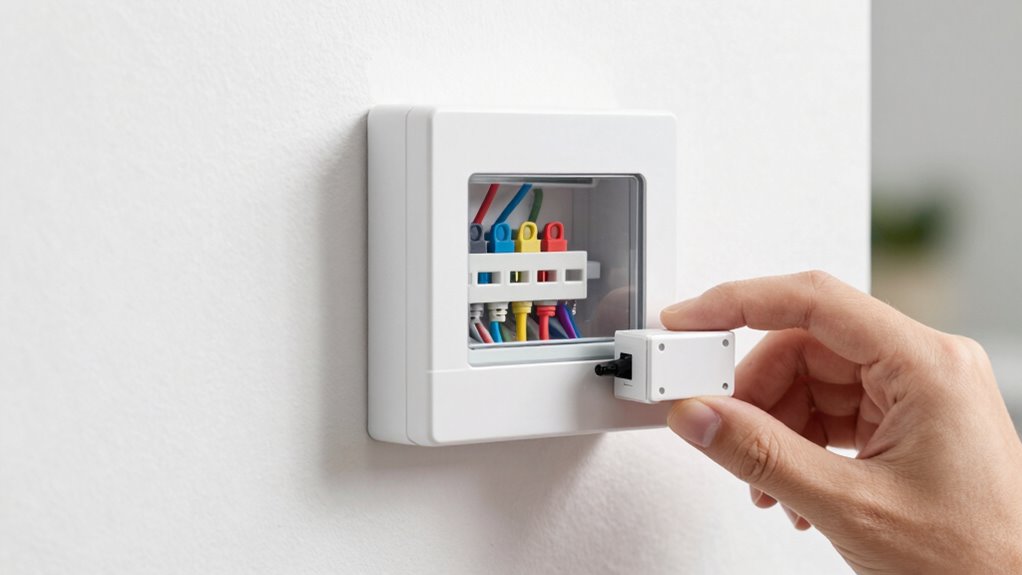
Installing a no C-wire thermostat can be straightforward if you follow proper safety precautions and verify compatibility, but it’s important to approach the process carefully. Make sure your thermostat supports wireless communication for reliable connection and easy setup. Turn off power before wiring to prevent shocks or damage. Use the manufacturer’s instructions and double-check wire connections to ensure safety and proper operation. Consider energy efficiency; some models use power stealing, which can affect your system’s performance. Regularly update your thermostat’s firmware to enhance stability. Avoid forcing connections or bypassing safety features. If you’re unsure about wiring or compatibility, consult a professional. Following these tips helps ensure a safe installation and maintains reliable, energy-efficient operation of your no C-wire thermostat. Compatibility verification is crucial to prevent potential issues.
Frequently Asked Questions
Can I Upgrade My Existing Thermostat to a No C-Wire Model?
Yes, you can upgrade your existing thermostat to a no C-wire model if your system supports wireless installation. Before proceeding, check for compatibility concerns, like whether your HVAC system can work with the new thermostat’s power requirements or if an adapter kit is needed. confirm your wiring is suitable and that the thermostat is compatible with your setup to avoid issues later.
Are No C-Wire Thermostats Compatible With All HVAC Systems?
Did you know that around 70% of HVAC systems can work with no C-wire thermostats? Compatibility depends on wire compatibility and system integration. While many modern systems support them, some older or specialized HVAC units may require traditional wiring. Before upgrading, check your system’s specifications to confirm your no C-wire thermostat will function properly. If unsure, consult a professional to avoid compatibility issues.
How Long Do Adapter Kits Typically Last Before Replacement?
Adapter kits typically last around 5 to 10 years, depending on usage and environmental factors. You should consider replacement if you notice frequent power issues, corrosion, or if your system’s demands change. Proper installation and regular maintenance can extend adapter longevity. Keep an eye on performance; when you experience inconsistent thermostat operation or power interruptions, it’s a good sign that replacement factors have reached their limit.
Is Power Stealing Safe for All Types of Thermostats?
Think of power stealing as a delicate dance—safe for most thermostats, but not all. While many models support it, some, especially older or specialized thermostats, may face compatibility issues. You need to check your thermostat’s specifications before enabling power stealing. When used correctly, it’s safe, but incompatible units risk malfunction or damage. Always verify thermostat compatibility to guarantee safe, efficient operation without risking your system.
What Are Alternative Solutions if My System Doesn’T Support No C-Wire Options?
If your system doesn’t support no C-wire options, consider upgrading to a thermostat with wireless compatibility that works with your existing setup. You might also use a power extender kit, guaranteeing voltage considerations are met to prevent damage. Alternatively, installing a dedicated C-wire or consulting an HVAC professional can ensure your thermostat gets reliable power without risking system malfunctions.
Conclusion
If you’re considering no C-wire solutions, think of it like riding a bike without training wheels—it’s doable but can be tricky. Weigh the benefits and limitations carefully, and don’t hesitate to call a professional if things get complicated. Ensuring your thermostat has reliable power is like having a steady heartbeat for your home’s comfort. When in doubt, upgrading your system or adding a C-wire keeps everything running smoothly, so you can relax and enjoy your perfectly heated or cooled home.