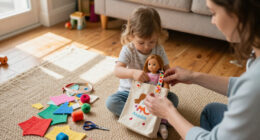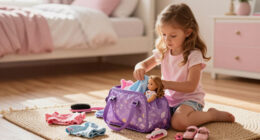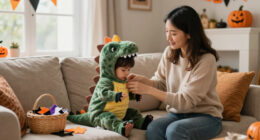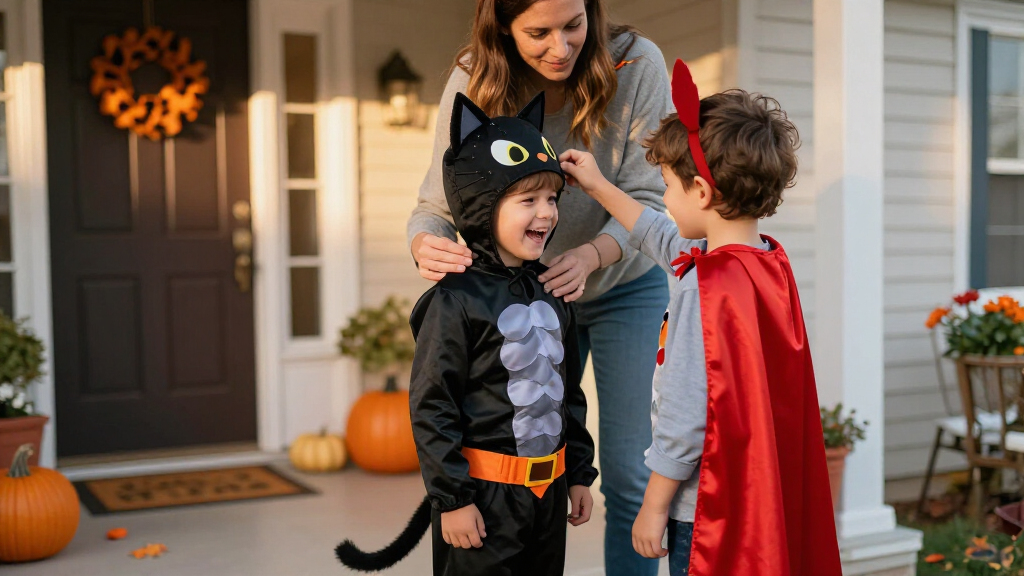
Choose a Halloween costume your child enjoys, then put it together from clothes and supplies you have or can find easily. This guide is for parents and caregivers planning a costume for a child, whether you are making it at home or adapting a store-bought outfit. Most ideas take 30 minutes to 2 hours to assemble. You will finish with an outfit your child can move in and wear safely outdoors.

Turn the school run and nap time into listening time
- Thousands of audiobooks, podcasts and originals
- Listen on your phone, tablet or Echo — also offline
- Cancel anytime

Kids’ Light-Up Dalmatian Costume with Tutu Skirt
- ✔ Fabric: Polyester
- ✔ Included items: Light-up tutu skirt, LED Dalmatian ears, bow tie, tail, and socks
- ✔ Light modes: Flash, slow, and constant
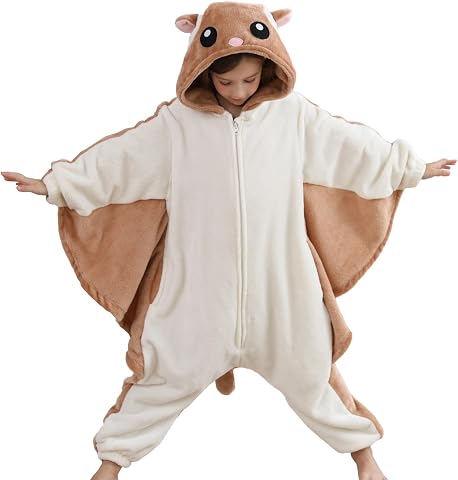
ATOZ Kids’ Animal Onesie Pajamas, Halloween Cosplay Costume
- ✔ Material: Fleece
- ✔ Closure: Full zipper
- ✔ Sizes: 100–140
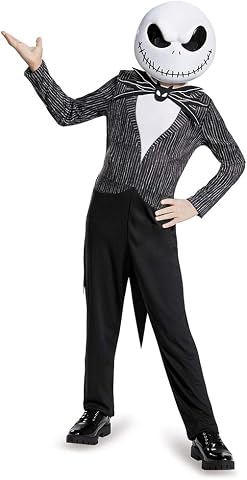
Jack Skellington Costume for Kids, Medium (7–8)
- ✔ Material: 100% polyester
- ✔ Size: Medium (7–8)
- ✔ Included components: Jumpsuit with attached coat tails, detachable bow tie, and half mask
Difficulty: Beginner | Time: 30 minutes to 2 hours, depending on the costume
What You’ll Need
Tools & Materials:
- Everyday clothes in the costume’s colors
- Optional craft supplies such as cardboard, washable markers, felt, fabric tape, or child-safe glue
- Scissors for adult use
- Comfortable shoes suitable for walking
Knowledge:
- No special sewing or crafting skills are required
Ask your child what characters, animals, jobs, or themes they like. Check the forecast and the event’s costume rules before choosing materials. Use supplies you already own when possible, and plan to keep the child warm and visible after dark.
Kids’ Light-Up Dalmatian Costume with Tutu Skirt
For families who want a recognizable animal theme without assembling pieces from a dress-up box, this seven-piece Dalmatian set brings together a tutu skirt, LED ears, bow tie, tail, and socks. The skirt and ears offer flash, slow, and constant rainbow light modes, giving the outfit more visual impact than the animal onesie, whose appeal is mainly its cozy, all-in-one shape. The included battery also means the lighting components are ready to use as described.The main compromise is fit. Although the skirt’s elastic waist is designed to extend, the costume is listed as one size for most girls ages 3–8; that is less precise than the onesie’s height range or the Jack costume’s stated medium size. Families should check the waist measurement and consider whether a tutu suits the child’s plans. Care needs attention too: the LED lights must come out before machine washing. For a child who enjoys bright accessories and can wear the pieces comfortably, this is the most complete standalone look here.
Pros:
- Seven coordinated pieces create a ready-made Dalmatian look.
- Three light modes add visibility and visual variety.
- Elastic skirt, tail, and bow tie support flexible styling.
- Can also suit parties, performances, and dress-up.
Cons:
- One-size fit may not work for every child in the stated age range.
- LED lights must be removed before machine washing.
Best for: Children ages 3–8 who enjoy colorful lights, skirts, and a coordinated animal costume for Halloween, parties, or performances.
Not ideal for: Families who need a precisely sized outfit, prefer a one-piece costume, or want to avoid handling removable lights at laundry time.
Bottom line: We recommend this as the strongest all-around pick when a bright, accessory-rich costume matters more than exact sizing or simple laundry.
“We recommend this as the strongest all-around pick when a bright, accessory-rich costume matters more than exact sizing or simple laundry.”
ATOZ Kids’ Animal Onesie Pajamas, Halloween Cosplay Costume
When comfort and wear beyond trick-or-treating matter more than a highly specific character, this fleece animal onesie makes a practical case. Ears, a nose, a tail, and palm details provide the costume cues, while a full zipper helps children get dressed and changed with less fuss than arranging the Dalmatian set’s separate accessories. It is also described for use as pajamas, so it may keep earning a place in the wardrobe after Halloween.That versatility comes with a care tradeoff: the onesie requires hand washing and flat drying, making it more work to clean than a machine-washable garment. Its height range—90 to 146 cm, approximately ages 2–11—offers a more concrete starting point than the Dalmatian’s one-size fit, but families still need to match the child to the available 100–140 sizes. Fleece is the warmest option in this lineup, which can be welcome on a chilly evening but may feel too warm indoors or when layered. Compared with Jack Skellington’s defined character styling, this costume favors coziness and flexible use.
Pros:
- Fleece construction is suited to cooler weather.
- Full zipper can simplify dressing and undressing.
- Animal details include a tail, ears, nose, and palm features.
- Designed for Halloween as well as pajamas and other dress-up occasions.
Cons:
- Hand wash only and lay flat to dry.
- May need extra clothing underneath in cold weather, which can add bulk.
Best for: Children who want a warm, easy-to-zip animal costume that can also serve as pajamas or dress-up clothing.
Not ideal for: Families who need machine-washable care, live in a warm climate, or want a sharply defined character look.
Bottom line: We’d choose this over the Dalmatian set for warmth and repeat wear, provided the hand-wash routine and animal design suit the family.
“We’d choose this over the Dalmatian set for warmth and repeat wear, provided the hand-wash routine and animal design suit the family.”
Jack Skellington Costume for Kids, Medium (7–8)
For children who already have a favorite spooky character, this officially licensed Jack Skellington costume gives the look a clear identity: a pinstripe jumpsuit with attached coat tails, a detachable bat bow tie, and a half mask. That character focus sets it apart from the Dalmatian’s bright, playful accessories and the onesie’s more general animal styling. The included mask and bow tie also help complete the outfit without needing to find matching pieces separately.This is the most specific choice and the least flexible in fit. The listing describes a regular medium for ages 7–8, with a pull-on closure and no stretch; the onesie’s zipper is easier for quick changes, while the Dalmatian’s elastic pieces offer more give. The half mask may not suit every child’s comfort or visibility preferences, and the costume requires hand washing. Choose it for a child who wants Jack’s tailored silhouette and is comfortable wearing the included mask; skip it if ease of movement, adjustable fit, or machine washing is a priority.
Pros:
- Officially licensed Nightmare Before Christmas character design.
- Includes pinstripe jumpsuit with attached coat tails.
- Detachable bow tie and half mask complete the look.
- Suitable for Halloween, cosplay, and dress-up.
Cons:
- No stretch may limit comfort and movement.
- Hand wash only.
- The half mask may be uncomfortable or unsuitable for some children.
Best for: A child around ages 7–8 who specifically wants a recognizable Jack Skellington costume for Halloween, cosplay, or dress-up.
Not ideal for: Children who dislike masks, need a stretchier or adjustable fit, or families seeking easy machine-wash care.
Bottom line: We’d pick Jack Skellington for character commitment and a defined spooky look, but its fixed fit and mask make it less adaptable than the other two.
“We’d pick Jack Skellington for character commitment and a defined spooky look, but its fixed fit and mask make it less adaptable than the other two.”
As an Amazon Associate we earn from qualifying purchases.
Before You Start
Set a budget and decide how much time you can spend. Favor soft, breathable clothing and accessories that do not block sight, hearing, or movement. Avoid long trailing fabric, sharp pieces, and props that resemble real weapons. If using makeup or face paint, check its label and test a small area of skin ahead of time.
Step-by-Step Instructions
Step 1: Choose a theme with your child
Offer a few simple options based on what your child likes, such as a cat, astronaut, dinosaur, chef, or favorite story character. Ask them to choose one and agree on a version they can comfortably wear. If they are unsure, start with a familiar outfit and add one recognizable accessory.
Tip:For a quick costume, use regular clothes as the base: dark clothing for a cat, a plain shirt for a painter, or pajamas for a cozy storybook character.
Check: Your child can describe the costume and is willing to try it on.
Step 2: Check the event and weather
Confirm whether the event is indoors or outdoors, how long your child will wear the costume, and whether there are rules about masks, props, or face paint. Check the expected temperature and rain. Choose layers that fit under or over the costume without making it tight.
Tip:A warm jacket can cover a costume during a cold walk. Pick a color or style that still works with the outfit, or add reflective tape to the jacket.
Check: You know what the child needs for warmth, weather protection, and event rules.
Step 3: Gather clothes and materials
Lay out the clothing, shoes, and accessories you already have. Make a short list of only the missing items, then borrow, reuse, or buy those pieces. Choose lightweight, washable materials where practical. Use cardboard or felt for simple shapes, and have an adult cut pieces with scissors.
Tip:Keep small decorations securely attached. Skip beads, pins, or parts that could come loose and become a choking hazard for young children.
Check: All essential pieces are ready, and you can assemble the costume without last-minute shopping.
Step 4: Build the main outfit
Dress your child in the base clothing first. Add the main costume feature, such as felt ears on a headband, cardboard wings attached to a shirt, or a paper badge on a plain top. Use fabric tape or child-safe glue according to its label, and allow glue to dry fully before wearing.
Tip:Attach decorations to clothing rather than directly to skin. Avoid anything stiff or bulky where the child needs to bend, sit, or wear a seat belt.
Check: The theme is recognizable, and the child can sit, bend, and raise their arms.
Step 5: Add finishing details
Add one or two details that make the theme clear, such as whiskers drawn with skin-safe makeup, a soft tail secured above the knees, or a paper chef’s hat. Keep the face uncovered when possible. If you use a mask, confirm that it has wide eye openings and does not interfere with breathing.
Tip:Use washable face paint designed for skin, follow its directions, and remove it promptly after the event. Stop if the child reports itching or discomfort.
Check: The child can see, breathe, speak, and hear comfortably with all accessories in place.
Step 6: Try on the full costume
Dress your child in the complete outfit, including the shoes and any coat or layers they will need. Have them walk around indoors, climb a step, sit down, and practice using the bathroom if appropriate. Shorten or secure loose fabric and remove accessories that slip, pinch, or get in the way.
Tip:Do this before Halloween day so there is time to replace uncomfortable pieces or make a simpler version.
Check: The outfit stays in place, fits over the planned layers, and allows normal movement.
Step 7: Make the costume visible outdoors
Attach reflective tape to the costume or outer layer, and give your child a flashlight or glow stick suitable for their age. Keep the flashlight easy to hold. Choose bright or reflective accessories that do not cover the child’s face or distract them while walking.
Tip:Test the flashlight and batteries before leaving. An adult should supervise glow products and follow the package instructions.
Check: The child is visible in low light, and their shoes provide a steady grip on the walking surface.
Step 8: Pack a small repair kit
Pack a few useful supplies before leaving, such as safety pins for adult use, fabric tape, spare hair ties, and a cloth for wiping away makeup. Bring an extra warm layer if the forecast calls for cold weather. Keep repair items in an adult’s bag, out of young children’s reach.
Tip:Do not use pins where they could touch skin or come loose during play.
Check: You can fix a loose decoration or clean a small smudge without replacing the outfit.
Common Mistakes to Avoid
- Choosing a costume that looks good but restricts movement or vision. — Have the child test the complete outfit by walking, sitting, and looking in every direction before the event.
- Adding long fabric or oversized accessories that drag or catch. — Keep hems above the ground, secure tails and capes, and remove props that make walking awkward.
- Waiting until Halloween to test makeup, glue, or fit. — Try the outfit and any skin products in advance, following product labels and checking for irritation.
Troubleshooting
Problem: The costume is too cold for an outdoor event.
Solution: Add a close-fitting base layer or warm jacket, then recheck that the outfit still allows free movement and the child can see clearly.
Problem: A decoration keeps falling off.
Solution: Remove it and reattach it to clothing with an appropriate fabric fastener or tape. Let glue dry as directed, then test the attachment with gentle movement.
Problem: The child dislikes the costume after trying it on.
Solution: Keep the base outfit and remove the uncomfortable piece. Offer a simpler accessory or let the child choose a different familiar item to wear.
What Success Looks Like
The finished costume matches a theme your child likes, fits over any needed layers, and stays secure while they walk, sit, and play. Your child can see, breathe, hear, and move comfortably. Shoes are suitable for walking, loose fabric does not trail, and reflective details or a light help others see them outdoors.
Next Steps
After the event, remove makeup, check the child’s skin for irritation, and wash or store reusable pieces according to their labels. Save sturdy accessories for dress-up or next year. If a costume piece caused discomfort, note what to change before storing it.
Frequently Asked Questions
What are easy last-minute Halloween costumes for kids?
Use clothes already in the child’s closet and add one clear detail: a headband with ears for an animal, a badge for a police officer or explorer, or a paper apron and hat for a chef. Make sure the accessory is secure and comfortable.
How can I make a costume without sewing?
Use clothing as the base and attach simple shapes with fabric tape, child-safe glue, or a headband. Follow product directions, allow glue to dry fully, and test that decorations stay in place during movement.
Can my child wear a Halloween mask?
A mask can limit vision or breathing. Face paint or a headband is often easier to see through. If you choose a mask, check that eye openings are wide and that your child can breathe, hear, and move comfortably while wearing it.
How do I keep a costume safe and visible at night?
Use reflective tape or bright accessories, provide an age-appropriate flashlight, and choose shoes with good grip. Keep the face uncovered where possible, secure loose fabric, and supervise children while walking.
Fall Picks
fall essentials
As an affiliate, we earn on qualifying purchases.