
AIThis post was created with the assistance of artificial intelligence (AI).
TL;DR
Search interest in dressing up and formal attire is rising, prompting discussions about its cultural significance. Miss Manners’ column examines the social value of dressing up and addresses common misconceptions.
At a glance
analysisWhen: developing; trend interest is currently…
The developmentA recent trend spike in coverage and searches about dressing up has prompted Miss Manners to analyze its social and cultural importance.

For listenersOffer from Amazon
Turn the school run and nap time into listening time
- Thousands of audiobooks, podcasts and originals
- Listen on your phone, tablet or Echo — also offline
- Cancel anytime
Try Audible free Free trial for new members
As an affiliate, we earn on qualifying purchases.
The renewed interest in dressing up reflects ongoing debates about social norms, individual identity, and cultural values. Understanding this trend matters because it may influence how people perceive social interactions, community engagement, and personal expression. If dressing up fosters a sense of pride and belonging, it could signal a shift toward valuing formality and tradition in a modern context. Conversely, dismissing this trend as superficial overlooks its potential to strengthen social bonds and reinforce shared cultural practices. As online discourse and media coverage amplify this interest, the trend could impact fashion, social etiquette, and even workplace or event standards, making it relevant for a broad audience.
Products Worth Considering

Nanit Smart Baby Video Monitor with Camera and Wall Mount, 1080p Wi-Fi
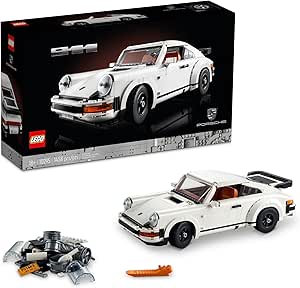
LEGO Icons Porsche 911 (10295) Building Set

LEGO Elf Club House (10275) Holiday Building Kit, 1,197 Pieces
As an affiliate, we earn on qualifying purchases.
History and Recent Resurgence of Formal Dressing
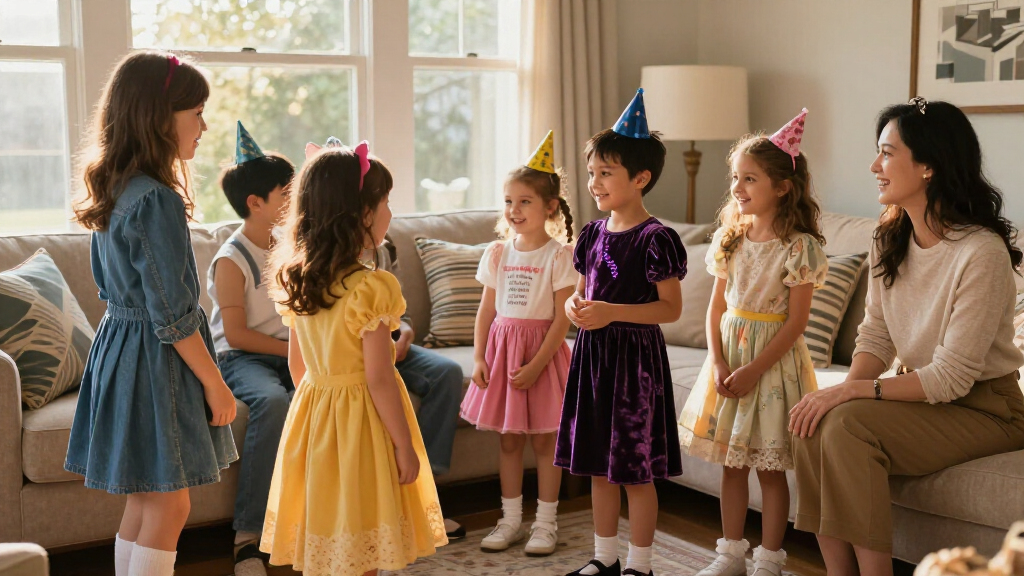
Dressing up for social occasions has long been a part of cultural norms, often associated with special events, ceremonies, and social status. Historically, formal attire was standard across many societies, symbolizing respect, social hierarchy, and community values. Over recent decades, casualization of fashion has led to a decline in formal dressing, especially in everyday settings. However, in the past few years, there has been a noticeable shift, with surveys and media reports noting increased interest in formal wear for events like weddings, parties, and even casual outings. The current spike in searches and coverage suggests a broader cultural reevaluation of the role of dress and appearance, though experts caution that the motivations behind this trend are still being studied. Some attribute it to a desire for authenticity or a rejection of the overly casual, digital age, but these claims remain unconfirmed.Unconfirmed Causes Behind the Trend Spike
It is not yet clear what specifically is driving the renewed interest in dressing up. While some speculate it is linked to social media influence, a desire for authenticity, or a reaction against casual culture, these explanations remain unconfirmed. The precise motivations and whether this is a temporary or sustained shift are still being studied by experts and analysts.Monitoring the Trend’s Development and Cultural Impact
Researchers and fashion industry observers will continue to track online searches, media coverage, and social behaviors to understand whether this interest in dressing up persists or fades. Future surveys and cultural analyses may clarify the motivations behind the trend, and industry stakeholders could adapt accordingly. Public discussions and opinion polls might also gauge whether this shift influences broader social norms regarding dress and etiquette.Key Questions
Why are more people interested in dressing up now?
While the exact reasons are still being studied, some suggest it may be due to a desire for meaningful social interactions, a reaction against casualization, or influence from social media trends.Is dressing up considered outdated?
According to Miss Manners, there is nothing inherently wrong or outdated about dressing up; it remains a valid form of self-expression and social respect.Could this trend last long-term?
It is currently uncertain. Analysts are monitoring whether the increased interest persists or is a temporary response to current cultural shifts.What social benefits might dressing up provide?
Dressing up can foster a sense of community, boost individual confidence, and promote respect in social interactions, though these benefits are subject to ongoing analysis.Source: rss
Parenting content here is informational. For medical questions about your child, consult a pediatrician.