You might feel that some hiking gear is “premium” because of flashy branding, sleek packaging, and clever marketing, rather than real quality or performance. Big brands invest in advertising and sponsorships that boost their image, often making products seem more durable or functional than they truly are. Price doesn’t always reflect actual features, so you could be paying for reputation instead of durability. Keep exploring, and you’ll discover how to spot gear that delivers true value.

Turn the school run and nap time into listening time
- Thousands of audiobooks, podcasts and originals
- Listen on your phone, tablet or Echo — also offline
- Cancel anytime
Key Takeaways
- Branding, advertising, and packaging can create a perception of quality unrelated to actual product performance.
- High prices often reflect marketing hype and prestige rather than superior materials or durability.
- Endorsements and sleek designs boost perceived value but may not improve real functionality.
- Market influence and hype can lead consumers to overvalue gear based on brand reputation rather than performance.
- Critical evaluation of features and reviews reveals that “premium” feel doesn’t always equate to better hiking performance.
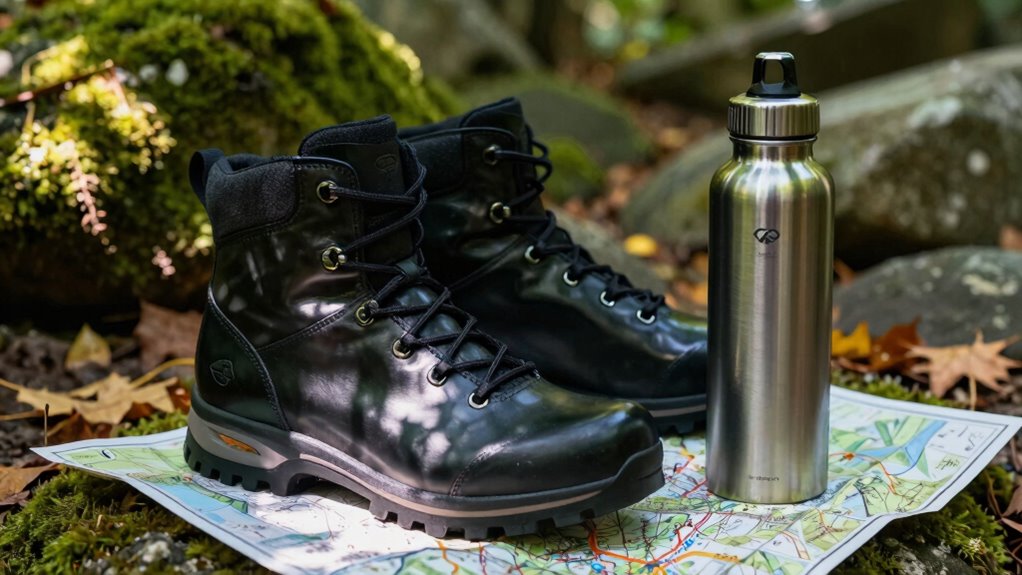
When it comes to hiking gear, many people believe that a higher price tag automatically means better quality. But that’s not always the case. Sometimes, what makes a product feel “premium” has more to do with brand reputation and marketing tactics than actual performance or durability. You might be tempted to believe that a well-known brand with a hefty price tag guarantees top-tier gear, but it’s worth questioning whether the hype matches the product’s real capabilities.
Brand reputation plays a huge role in shaping your perception of quality. Popular brands often invest heavily in advertising and sponsorships, creating an image of exclusivity and reliability. When you see their gear, you automatically associate it with high standards, even if the product itself isn’t significantly better than less expensive options. Marketing tactics, such as sleek packaging, endorsements from influencers, and promotional campaigns, further reinforce the idea that their products are worth the premium price. This can lead you to overlook the actual features or performance of the gear and focus solely on the brand name.
Brand reputation and marketing often create the illusion of quality, overshadowing actual features and performance.
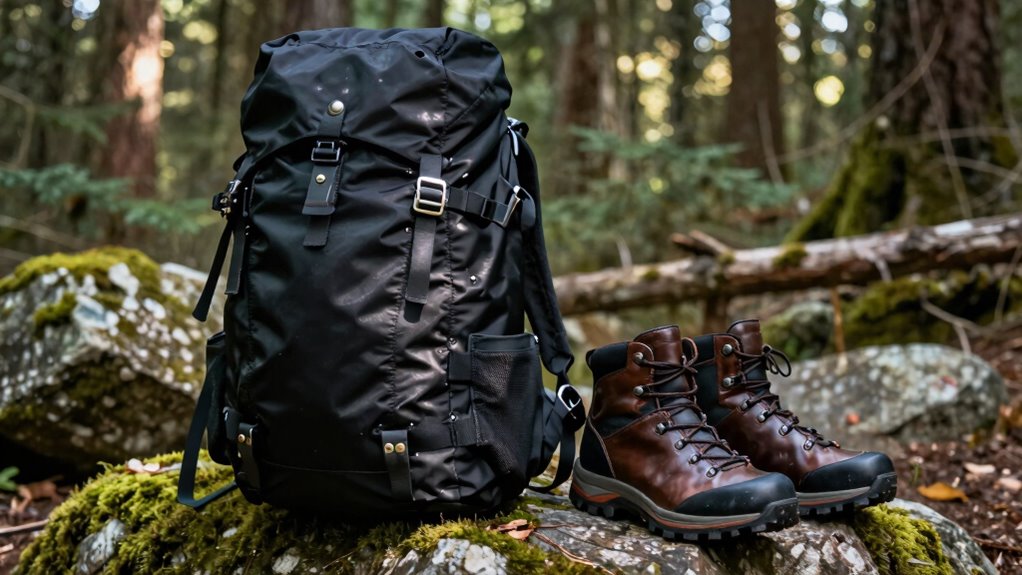
It’s easy to fall into the trap of equating a high price with superior quality, especially when marketing campaigns make it seem like owning their gear elevates your status as a hiker. But, in reality, many of these products are designed to appeal to your desire for prestige rather than to deliver the best value or durability. For example, a jacket might be priced high because it bears a famous logo, not necessarily because it offers better insulation or water resistance than a more affordable alternative. The same goes for boots, backpacks, and other essential gear.
You should also be cautious about assuming that a higher price means the gear will last longer or perform better in rugged conditions. Sometimes, the perceived “premium” feel is just a result of premium packaging or a fancy label. Instead, focus on product features, reviews, and materials used. Look for gear that fits your specific needs rather than just what’s popular or expensive. Remember, a reputable brand doesn’t automatically guarantee the best gear for you—what matters most is finding equipment that works well in real-world conditions and fits your budget. Additionally, understanding the market influence behind high-priced gear can help you make more informed choices. Recognizing the role of marketing tactics can help you see through the hype and prioritize what truly matters in your gear selection.
Being aware of branding strategies and how they influence consumer perceptions can further empower you to make smarter purchases. Ultimately, don’t let marketing tactics and brand reputation cloud your judgment. Make informed choices based on performance, durability, and your personal needs. Sometimes, the most “premium” feeling gear is just a marketing illusion, and the real value lies in smart, practical decisions rather than brand prestige.
best hiking boots for durability
As an affiliate, we earn on qualifying purchases.
As an affiliate, we earn on qualifying purchases.
Frequently Asked Questions
How Can I Identify Truly High-Quality Hiking Gear?
To identify truly high-quality hiking gear, focus on material durability and ergonomic design. Check the fabric for ruggedness and resistance to wear, ensuring it can withstand tough conditions. Test the gear’s fit and comfort, making sure it supports your movements without chafing or slipping. Look for reputable brands and read reviews to confirm consistent performance. High-quality gear balances durability with ergonomic features, enhancing your hiking experience rather than just feeling premium.
Does Brand Reputation Always Correlate With Product Quality?
Brand reputation doesn’t always mean top product quality. You might have brand loyalty that biases your perception, making you think more expensive gear is better, but that’s not always true. Sometimes, high-cost gear feels “premium” due to marketing or design, not durability or performance. So, don’t rely solely on brand reputation—look at reviews, materials, and features to truly gauge if the gear meets your needs.
Are Expensive Hiking Items Necessarily More Durable?
You might think expensive hiking gear is more durable, but don’t be fooled by luxury branding or material myths. Sometimes, high price tags promise prestige rather than performance. Durability depends on the materials used and craftsmanship, not just the cost. Before splurging, research reviews, and consider how the gear performs under real conditions. Remember, true quality isn’t always about the price—it’s about what lasts on the trail.
What Features Genuinely Improve Hiking Gear Performance?
Genuine performance improvements come from features like synthetic fabrics and waterproof coatings. Synthetic fabrics are lightweight, quick-drying, and resistant to abrasion, making them ideal for hiking gear. Waterproof coatings keep you dry in rain or wet conditions, enhancing comfort and safety. Look for gear with high-quality versions of these features, as they directly boost durability and functionality, unlike flashy design elements that don’t impact performance.
How Does Marketing Influence Perceptions of Premium Gear?
Marketing’s like a magic spell, making you believe that luxury branding automatically means better quality. It taps into marketing psychology, creating an illusion of exclusivity and status. You might buy gear just because it sports a fancy logo, not because it performs better. This tricks your mind into equating high price and branding with premium quality, even when the actual performance might be just average.
As an affiliate, we earn on qualifying purchases.
Conclusion
Next time you hit the trail, remember that true hiking gear isn’t about flashy logos or shiny finishes. It’s about how it feels against your skin, how it withstands the rough edges of nature, and how it supports your journey. Imagine the crunch of leaves beneath sturdy boots and the steady grip of a reliable pack. When gear feels right, it becomes part of your adventure—silent, steadfast, and ready for whatever trail you choose to explore.
lightweight hiking backpacks with good reviews
As an affiliate, we earn on qualifying purchases.
As an affiliate, we earn on qualifying purchases.
performance outdoor gear not based on brand
As an affiliate, we earn on qualifying purchases.
As an affiliate, we earn on qualifying purchases.
Columbus Day / Indigenous Peoples' Day Picks
long weekend sales
As an affiliate, we earn on qualifying purchases.