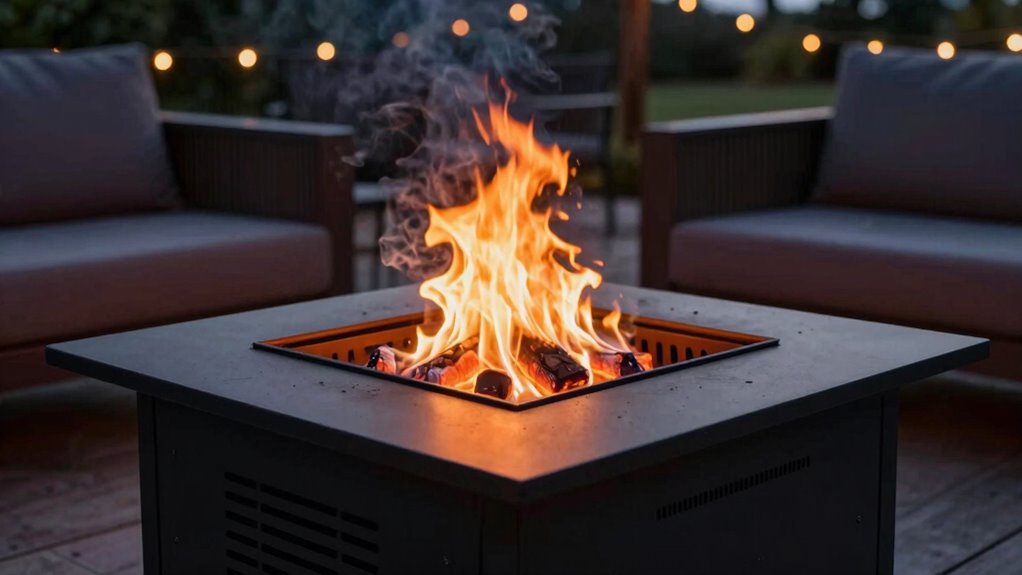

Smokeless fire pits aim to reduce smoke and odors by improving airflow and combustion efficiency through features like vents and secondary chambers. However, some smoke can still escape due to incomplete burning, poor fuel quality, or wind disrupting airflow. While they generally produce less smoke and smell, factors like wood type and maintenance impact their effectiveness. If you want to understand why some smoke remains, keep exploring how design and usage influence performance.
Key Takeaways
- Smokeless fire pits use vents or secondary chambers to improve airflow and combustion, reducing smoke but not eliminating it entirely.
- Incomplete combustion, damp wood, or poor airflow can still produce smoke and lingering odors despite the design.
- Proper fuel choice, dry seasoned wood, and correct operation are crucial for minimizing smoke in smokeless fire pits.
- Wind and environmental factors can disrupt airflow, causing smoke to escape even in advanced smokeless models.
- Regular maintenance of vents, chambers, and chimney parts helps sustain optimal smokeless performance and reduces residual smoke.
![OutVue 42 Inch Smokeless Fire Pit with 2 Grills, Extra Large Wood Burning Fire Pits for Outside, Heavy Duty Firepit,BBQ& Outdoor Firepit & Round Tabletop 4 in 1[No Waterproof Cover,NO Lid]](https://m.media-amazon.com/images/I/51DrPXStroL._SL500_.jpg)
OutVue 42 Inch Smokeless Fire Pit with 2 Grills, Extra Large Wood Burning Fire Pits for Outside, Heavy Duty Firepit,BBQ& Outdoor Firepit & Round Tabletop 4 in 1[No Waterproof Cover,NO Lid]
[4 IN 1]: OutVue smokeless fire pit is equipped with 2 cooking grills, 1 tabletop[No waterproof cover,NO Lid]….
As an affiliate, we earn on qualifying purchases.
As an affiliate, we earn on qualifying purchases.
What Is a Smokeless Fire Pit and Does It Really Work?
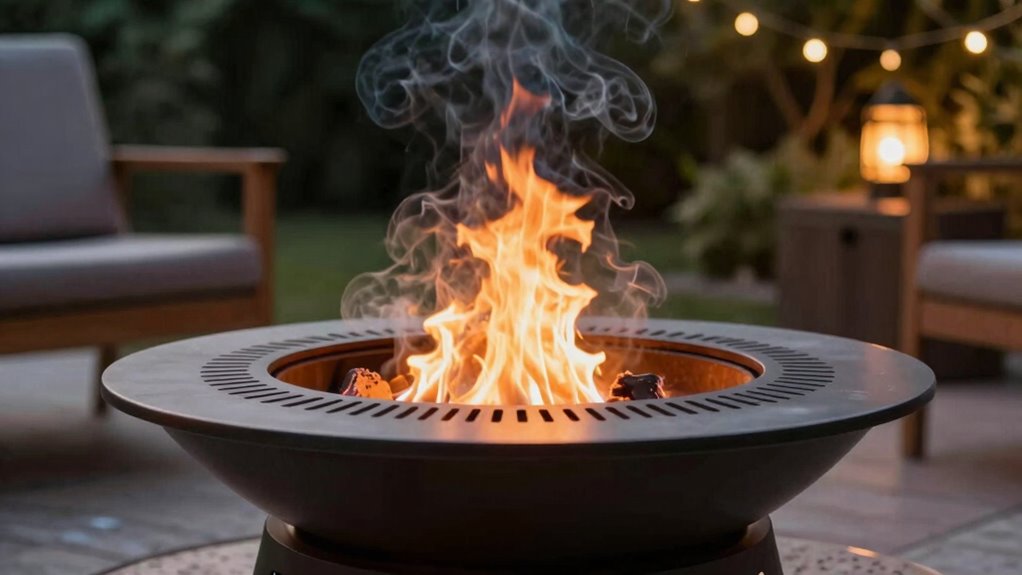
A smokeless fire pit is designed to reduce the amount of smoke produced during a fire, making it more enjoyable and less disruptive. It achieves this by improving combustion efficiency, which enhances fire safety by minimizing smoke inhalation and reducing the risk of accidental fires. These fire pits typically use specific fuel types, such as hardwood or specially designed pellets, to guarantee cleaner burning. Unlike traditional pits, smokeless models incorporate features like built-in vents or secondary combustion chambers that help burn off smoke particles before they escape. These features not only improve air quality but also contribute to more efficient fuel use. While they notably cut down on smoke, they still require proper fire safety measures, including safe fuel handling and keeping flammable materials away. Additionally, the effectiveness of a smokeless fire pit can depend on proper ventilation and maintenance to ensure optimal performance. Regular cleaning of the internal components helps maintain combustion efficiency and prolongs the lifespan of the fire pit. Ensuring the correct fuel type is used is crucial for achieving the best smoke reduction results. Proper fire safety protocols are essential for safe outdoor enjoyment. Overall, they offer a safer, cleaner way to enjoy a cozy fire outdoors.

Grovellis 27 inch Smokeless Fire Pit with Waterproof Cover, Stainless Steel Outdoor Smokeless Firepit, Wood Burning Fire Pits for Camping, Bonfire,Low Smoke Firepit for Outside
[Low Smoke Design]: Grovellis smokeless fire pit has unique design and scientific internal airflow system, provides you with…
As an affiliate, we earn on qualifying purchases.
As an affiliate, we earn on qualifying purchases.
How Do Fire Pits Create Smoke : and Why Do Some Still Smell?
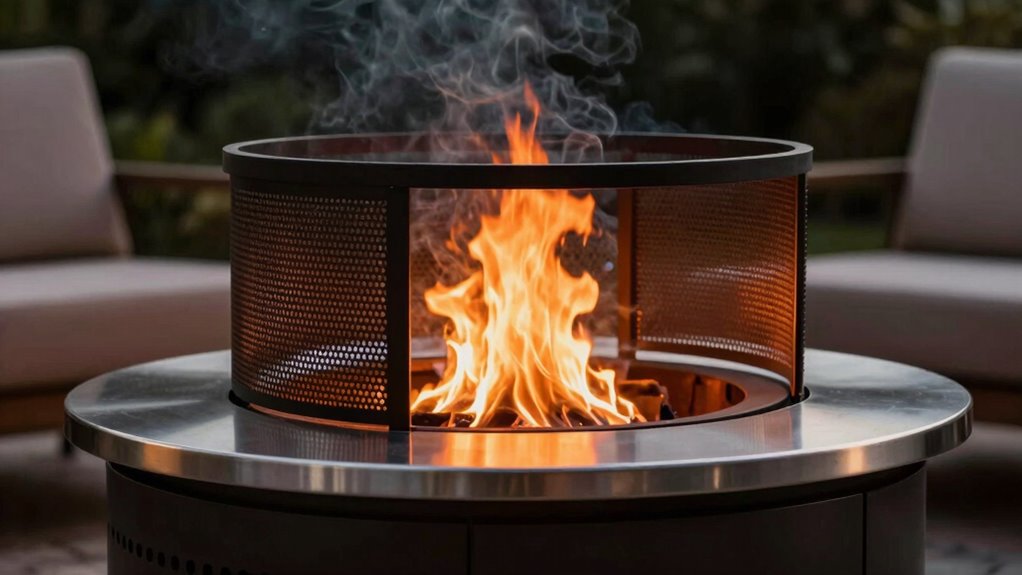
Ever wonder how fire pits produce smoke and why some still leave a lingering smell? Smoke results from wood combustion, where heat causes the wood to break down and release gases. These gases contain smoke particles—tiny bits of unburned material—that rise into the air. In traditional fire pits, incomplete combustion allows more smoke particles to escape, creating visible smoke and lingering odors. Even with smokeless models, some smoke may still be produced if the fire isn’t burning efficiently or if the wood is damp. The smell persists because smoke particles settle on surfaces or linger in the air, especially when combustion isn’t thorough. So, despite advancements, a certain amount of smoke and smell can still occur depending on how the fire burns.

HongTaok 20 Inch Smokeless Fire Pit with Removable Ash Pan, Fire Pits for Outside Wood Burning, Portable Bonfire Outdoor Firepit, Waterproof Bag & Poker Included, Stainless Steel, Camping Backyard
Enhanced Combustion Efficiency: Through iterative aerodynamic optimization, this fire pit wood burning achieves a dynamic flame profile, prolonged…
As an affiliate, we earn on qualifying purchases.
As an affiliate, we earn on qualifying purchases.
What Factors Affect How Well a Smokeless Fire Pit Performs?
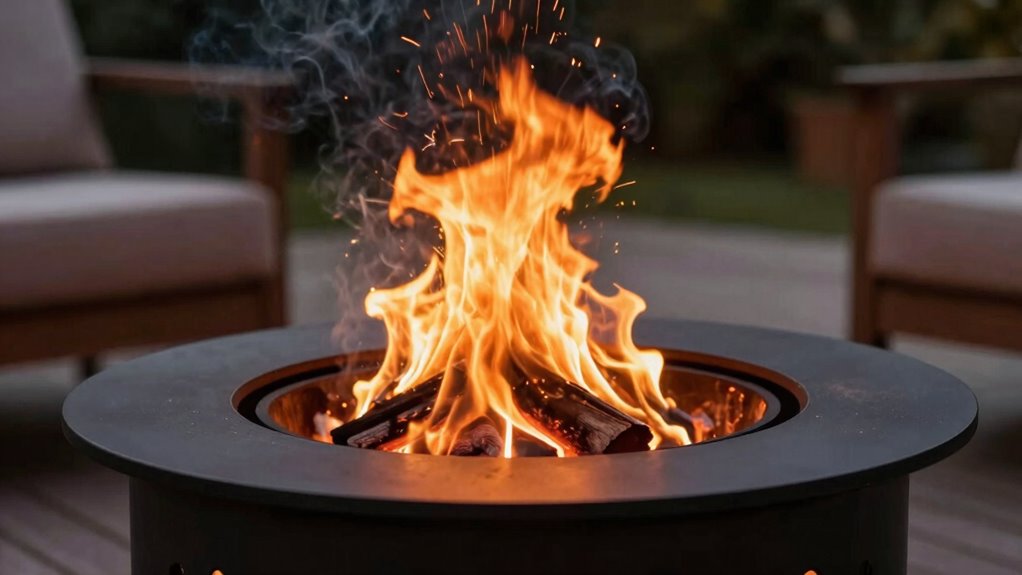
Several key factors determine how effectively a smokeless fire pit minimizes smoke and odor. The first is fuel efficiency; using the right type and amount of fuel ensures complete combustion, reducing smoke production. Wind influence also plays a role; strong or unpredictable winds can disrupt airflow, decreasing efficiency and causing smoke to escape. Additionally, design features like air vents and combustion chambers impact performance. Proper airflow management is essential to maintain a free-floating combustion process that minimizes smoke. To optimize performance, incorporating airflow control mechanisms can further enhance how well the fire pit manages smoke and odors. Regular maintenance of components like air vents and chambers is also critical, as it ensures the components function correctly and sustain smokeless operation.

OutVue 27 inch Stainless Steel Smokeless Fire Pit, Outdoor Smokeless Firepit, Wood Burning Fire Pits for Camping, Bonfire, Low Smoke Firepit for Outside (Vertical Hole)
[Low Smoke Design]: OutVue smokeless fire pit has unique design and scientific internal airflow system, provides you with…
As an affiliate, we earn on qualifying purchases.
As an affiliate, we earn on qualifying purchases.
What Should You Expect From a Truly Smokeless Fire Pit?
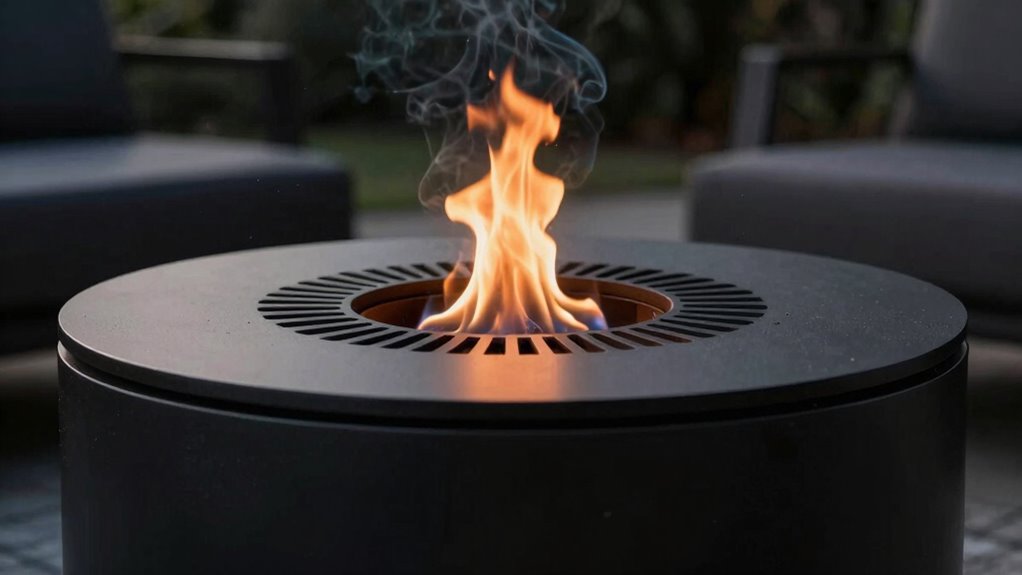
When you choose a truly smokeless fire pit, you can expect a cleaner, more enjoyable experience with minimal smoke and odor. This means less irritation for your eyes and lungs, making fire pit safety easier to prioritize. You’ll also notice a more consistent burn, with fewer lingering smells or blackened debris. A smokeless fire pit enhances your outdoor ambiance, creating a cozy atmosphere without the mess or smell typical of traditional pits. While it still produces some warmth and flickering flames, you won’t have to worry about smoke drifting into your space or affecting nearby neighbors. Expect a more comfortable, cleaner environment where socializing around the fire feels natural and inviting, without the hassle of dealing with smoke or strong odors. Incorporating proper ventilation can further improve the overall experience by reducing residual smoke and ensuring better air quality, especially since understanding fire chemistry helps optimize combustion. Additionally, understanding combustion efficiency can help you select and operate your fire pit more effectively for cleaner burning. Recognizing emissions and pollutants generated during combustion can also guide you toward more environmentally friendly options and safer operation. Being aware of residual smoke and its impact can help you make smarter choices for a healthier outdoor space.
Troubleshooting Common Issues With Smokeless Fire Pits
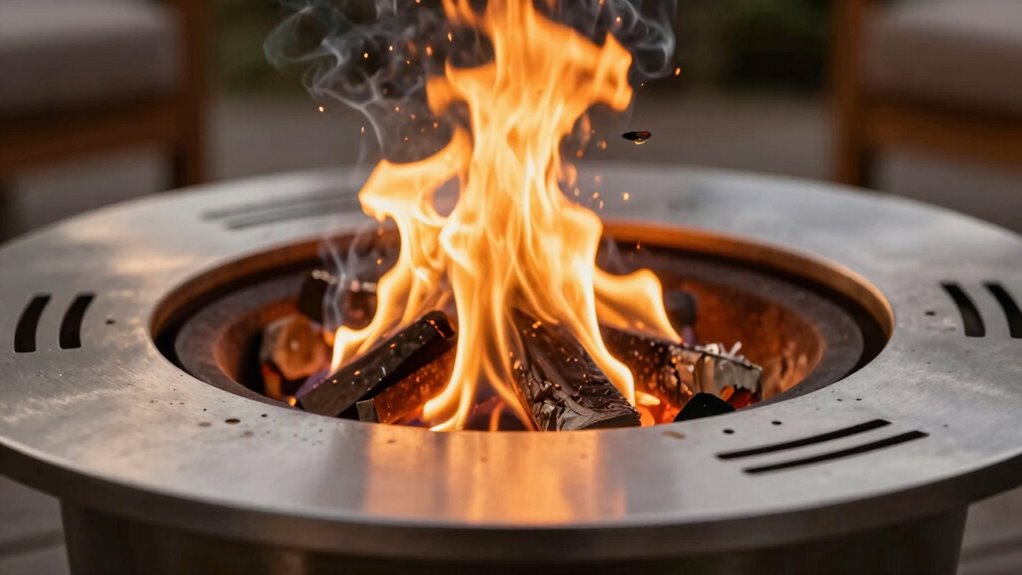
Despite their benefits, smokeless fire pits can sometimes encounter issues that disrupt your outdoor experience. Common problems often relate to chimney design or fuel quality. To troubleshoot:
- Check the chimney design—if it’s clogged or improperly assembled, airflow suffers, causing smoke. Clear any obstructions and ensure parts fit correctly.
- Use high-quality, dry fuel—wet or low-grade wood produces more smoke, defeating the purpose of a smokeless pit. Switch to seasoned wood for cleaner burns.
- Ensure proper ventilation—poor airflow around the fire pit can lead to smoke buildup. Position the pit in a well-ventilated area and avoid tight spaces.
- Applying attention to detail during assembly and maintenance helps prevent many common issues and keeps your fire pit functioning optimally. Additionally, understanding thermal behavior can assist in diagnosing why a smokeless system might still produce smoke.
- Regularly inspecting the venting system and chimney design can help identify blockages or misalignments that contribute to smoke production. Addressing these factors improves performance and minimizes smoke, keeping your fire pit experience enjoyable. Being aware of airflow dynamics can also help you optimize the placement and operation of your fire pit for better results. Recognizing how heat transfer influences combustion can further improve your troubleshooting efforts.
Frequently Asked Questions
Can Smokeless Fire Pits Be Used Indoors Safely?
You shouldn’t use smokeless fire pits indoors because they aren’t designed for indoor safety. They require proper ventilation to prevent dangerous carbon monoxide buildup, which can cause health risks. Even if they produce less smoke outdoors, using them indoors without adequate ventilation can be hazardous. Always follow manufacturer guidelines and never use outdoor-specific fire pits inside your home to guarantee safety and avoid accidents.
Do Smokeless Fire Pits Require Special Fuel Types?
You don’t need special fuel types for smokeless fire pits; they typically work with standard firewood or approved biomass fuels. The key is choosing fuel varieties that promote higher combustion efficiency, which reduces smoke production. Using well-seasoned, dry wood helps the fire burn cleaner and more efficiently. Avoid damp or green wood, as it hampers combustion efficiency and increases smoke. This way, you enjoy a cleaner, more efficient fire every time.
How Long Do the Fire Pits Typically Last?
Think of your smokeless fire pit as a trusty companion on cozy nights; its durability lifespan depends on material quality. With proper care, it can last several seasons, often 3-10 years, or even longer. Heavy-duty steel or high-quality stainless steel enhances longevity, resisting rust and damage. Regular cleaning and weather protection help extend its life, ensuring your investment keeps shining bright through countless gatherings.
Are Smokeless Fire Pits Suitable for Large Gatherings?
Yes, smokeless fire pits are suitable for large gatherings if you place them correctly. Make certain proper fire pit placement in an open outdoor space with good outdoor ventilation to prevent smoke buildup. This setup allows everyone to enjoy the warmth and ambiance without discomfort. Keep a safe distance from structures and trees, and make sure the area is well-ventilated to maximize comfort and safety during your event.
What Maintenance Is Needed to Keep Them Smoke-Free?
To keep your smokeless fire pit smoke-free, regularly clean out ash and debris to maintain ideal fuel efficiency. Check ventilation requirements to guarantee proper airflow, which reduces smoke and improves burn quality. Use dry, seasoned wood for cleaner combustion and avoid overloading the pit. Periodically inspect the vents and air intakes, and follow manufacturer guidelines for maintenance to keep your fire pit functioning efficiently and smoke-free.
Conclusion
So, while a smokeless fire pit promises a cleaner, crisper burn, it’s like chasing a mirage — sometimes you get a gentle breeze, and other times, a puff of smoke slips through. Keep in mind, factors like wood quality and airflow can turn it into a roaring bonfire or a smoky mess. But with a little patience and tweaking, you’ll enjoy cozy nights around a fire that’s more friend than foe.