Deciding if a rotomolded cooler’s extra weight is worth it depends on your priorities. If you need maximum durability and long-lasting ice for multi-day trips or tough terrains, the weight usually pays off through better insulation and ruggedness. However, if portability and ease of transport matter most, the heaviness could be a challenge. To find out how to balance these factors and make an informed choice, consider the details that follow.

Turn the school run and nap time into listening time
- Thousands of audiobooks, podcasts and originals
- Listen on your phone, tablet or Echo — also offline
- Cancel anytime
Key Takeaways
- Evaluate trip duration; longer trips benefit more from the superior ice retention of heavier rotomolded coolers.
- Consider the terrain; rugged or remote locations justify the weight for enhanced durability and performance.
- Assess transport needs; if mobility is limited, weigh the importance of portability versus extended ice life.
- Determine usage frequency; frequent outdoor use may justify the investment in a heavier, more durable cooler.
- Balance weight against benefits; prioritize durability and ice retention if reliability outweighs portability concerns.
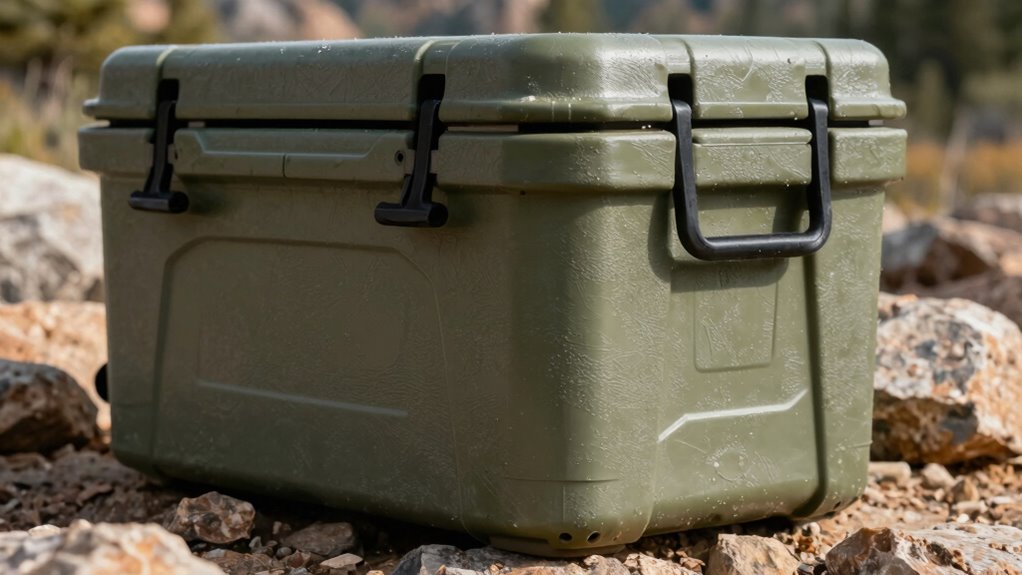
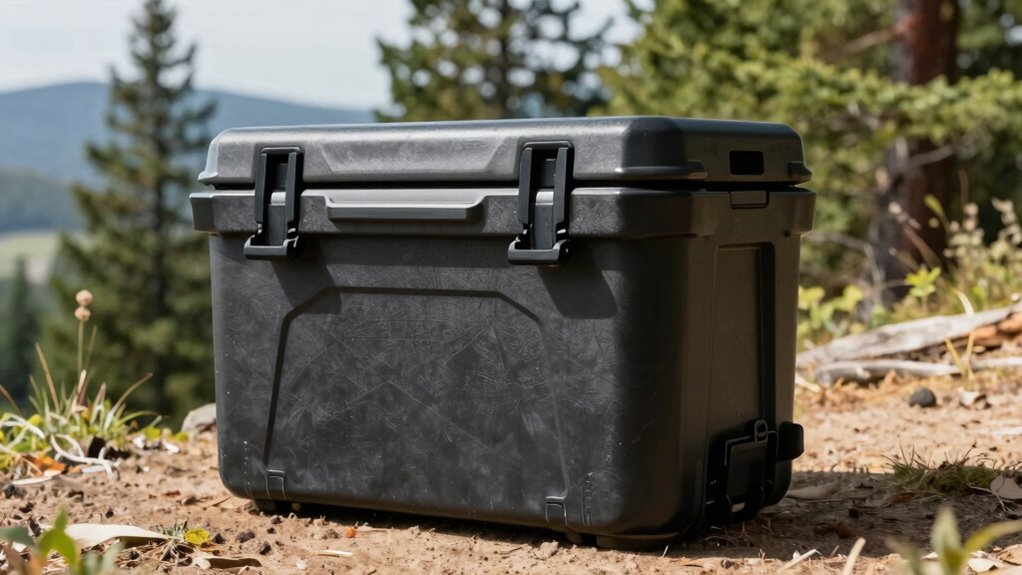
Have you ever wondered what makes rotomolded coolers stand out from the rest? The answer often comes down to their impressive ice retention and durability. When you’re choosing a cooler, these features are crucial because they directly impact how long your food and drinks stay cold and how well the cooler withstands rough handling. Rotomolded coolers are known for their thick walls and seamless construction, which significantly enhance ice retention. They often keep ice intact for several days, sometimes even a week, depending on the model and conditions. This extended ice life can be a game-changer if you’re heading on a multi-day trip, hunting expedition, or just planning a backyard barbecue where you want to keep everything cold without frequent refills. Additionally, the high-density polyethylene material used in rotomolded coolers is specially designed to withstand extreme environments, further emphasizing their ruggedness. Now, you might wonder if the extra weight of these coolers justifies their performance benefits. Compared to plastic or foam-insulated options, rotomolded coolers are noticeably heavier. This weight comes from their thick, rotomolded walls made from high-density polyethylene, designed to withstand harsh environments. When you compare durability, these coolers excel. They’re built to endure drops, impacts, and even rough handling without cracking or breaking. The seamless construction prevents leaks and weaknesses that cheaper coolers might develop over time. For outdoor enthusiasts or anyone who needs a reliable, long-lasting cooler, this durability makes the extra weight worth it. It’s an investment in longevity and reliability, especially if you frequently venture into rugged terrain or need to transport valuable contents. Furthermore, choosing the right carrying accessories can help mitigate the burden of weight during transport. The insulation quality of rotomolded coolers is also a key aspect, ensuring that they maintain their impressive ice retention performance over time. Properly insulated coolers also benefit from advanced insulation techniques, which further improve their efficiency and temperature stability. A well-insulated cooler also contributes to energy efficiency, helping to keep contents cold for longer periods. However, that added weight does mean you’ll need to consider how you plan to carry or move the cooler. If you’re often alone or have limited mobility, the heaviness can become a burden. On the flip side, many rotomolded coolers come equipped with sturdy handles, tie-down points, and sometimes wheels to make transportation easier. Think about your typical usage: if you’re packing a cooler for a weekend camping trip or a fishing expedition where weight isn’t your primary concern, then the benefits of superior ice retention and durability might outweigh the inconvenience of heft. Conversely, if portability is your top priority, you might want to weigh these factors carefully. In the end, deciding whether the extra weight is worth it depends on how much you value long-lasting performance, ice retention, and rugged durability. If you’re looking for a cooler that can handle the elements and keep your contents cold for days, the weight will likely be a minor trade-off for the peace of mind and performance you gain.
As an affiliate, we earn on qualifying purchases.
Frequently Asked Questions
Are Rotomolded Coolers More Environmentally Friendly Than Other Types?
Rotomolded coolers are generally more eco-friendly than other types because they use durable, long-lasting materials that reduce waste. However, their recycling challenges can make disposal tricky. You should consider if the cooler’s lifespan outweighs its environmental impact. While made from eco-friendly materials, the heavier weight might mean more energy during transport, so weigh the benefits of durability against environmental costs before choosing one.
How Long Do Rotomolded Coolers Typically Last?
Rotomolded coolers typically last 10 to 20 years with proper care. Their thick walls offer excellent ice retention, keeping your contents cold longer. However, their extra weight can cause portability issues, especially if you need to carry or move them frequently. If durability and ice retention are top priorities, their longevity justifies the weight. Otherwise, consider lighter options if portability is more important for your needs.
Can Rotomolded Coolers Be Repaired if Damaged?
Absolutely, rotomolded coolers can be repaired if damaged, turning despair into hope like a phoenix rising. You can perform DIY repairs using specific replacement parts, restoring your cooler’s strength and longevity. While some damages might require professional help, many cracks or leaks can be fixed with sealants and basic tools. This way, you extend your cooler’s life and keep the adventure going without replacing it entirely.
Are Rotomolded Coolers Suitable for Non-Cold Storage?
Rotomolded coolers aren’t ideal for non-cold storage because their insulation effectiveness is designed for chilling, not storing dry or non-perishable items. While you can use them for general storage, their weight and insulation quality limit versatility. If you want a container for dry goods or non-cold storage, lightweight options without heavy insulation work better. Rotomolded coolers excel at keeping things cold but aren’t the best choice for non-cold storage needs.
What Maintenance Is Required for Rotomolded Coolers?
Maintaining your rotomolded cooler is like giving it a gentle tune-up. You should regularly clean it with mild soap and water, focusing on hinges and seals to prevent mold. Storage tips include keeping it open when not in use to air out and avoiding prolonged sun exposure. These routines guarantee durability, preserving insulation and preventing odors, so your cooler stays reliable and long-lasting.
As an affiliate, we earn on qualifying purchases.
Conclusion
When choosing a rotomolded cooler, remember that their durability and insulation can keep ice up to five days longer than traditional coolers. That extra weight might seem like a hassle, but if you’re planning a multi-day adventure or need reliable performance, it’s worth it. Nearly 70% of users report fewer replacements over five years, proving these coolers’ longevity. So, consider your needs—sometimes, the extra weight pays off in peace of mind and lasting freshness.
As an affiliate, we earn on qualifying purchases.
As an affiliate, we earn on qualifying purchases.
Fall Picks
fall essentials
As an affiliate, we earn on qualifying purchases.