To improve dry skin, it’s essential to understand how ceramides, oils, and occlusives work together. Ceramides restore and strengthen your skin’s barrier, preventing moisture loss. Oils deeply hydrate, repair damage, and improve elasticity. Occlusives form a protective layer on the skin’s surface, sealing in moisture and shielding against environmental stressors. Combining these ingredients effectively can open the door to better hydration and healthier skin—if you want to learn more, there’s plenty to discover.
Key Takeaways
- Ceramides restore and strengthen the skin barrier, preventing moisture loss and supporting skin health.
- Oils deeply hydrate, repair damage, and mimic natural skin oils to improve elasticity and radiance.
- Occlusives form a protective barrier, sealing in moisture and shielding skin from environmental stressors.
- Choosing gentle, fragrance-free products with ceramides, humectants, and barrier repair ingredients benefits dry or sensitive skin.
- Layering water-based serums, oils, and occlusives optimizes hydration and reinforces skin resilience.

Illiyoon Ceramide Ato Concentrate Cream | Moisturizer for Dry & Sensitive Skin, 100hr Lasting Hydration, For Face & Body, Gentle for Infants, Moisture Barrier Repair, Vegan Certified, 2.53 fl.oz.
REVOLUTIONARY MULTI-CERAMIDE COMPLEX: Our innovative formula features plant-sourced Ceramides, structurally akin to those your skin naturally. Its multi-molecular…
As an affiliate, we earn on qualifying purchases.
As an affiliate, we earn on qualifying purchases.
What Are Ceramides, Oils, and Occlusives? An Overview

Have you ever wondered what makes certain moisturizers effective for dry skin? The answer lies in ingredient interactions and formulation considerations. Ceramides are lipids that restore the skin’s barrier, preventing moisture loss. Oils, like jojoba or argan, mimic natural skin oils, providing deep hydration and nourishment. Occlusives, such as petroleum jelly or beeswax, form a protective barrier that locks in moisture. When formulators combine these ingredients, they optimize healing and hydration. Understanding how they interact helps guarantee the moisturizer works harmoniously without causing irritation or diminishing effectiveness. Proper formulation ensures that ceramides, oils, and occlusives complement each other, creating a balanced product that addresses dry skin’s needs. This synergy is key to crafting moisturizers that truly improve skin’s moisture retention and overall health. Innovative European cloud servers offer sustainable solutions that can support advanced skincare research and development. Additionally, ingredient compatibility plays a crucial role in ensuring that these components work together effectively without compromising skin health.
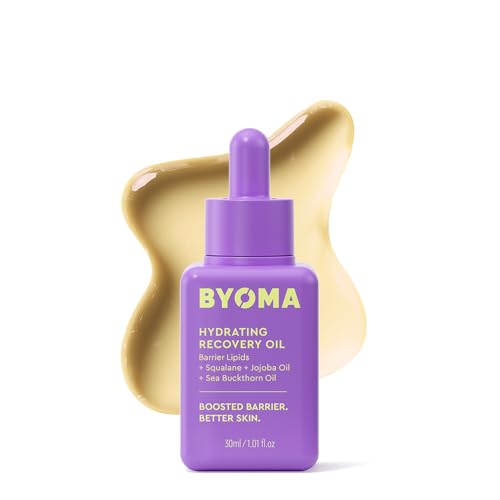
BYOMA Hydrating Recovery Oil – Luxury Face Oil with Squalane, Jojoba Oil & Seabuckthorn Oil – Instant Radiant and Glowy Skin – Barrier Repair Facial Oil – 1.01 fl. oz
RESTORE + NOURISH: This ultra-lightweight oil nourishes skin, helping to effectively hydrate + protect the skin barrier. Accepted…
As an affiliate, we earn on qualifying purchases.
As an affiliate, we earn on qualifying purchases.
Which Moisturizer Ingredients Are Best for My Dry or Sensitive Skin?

Choosing the right moisturizer starts with identifying gentle ingredients that won’t irritate your skin. You need to match those ingredients to your specific skin needs for effective hydration. You can also consider adding products with glycolic acid for mild exfoliation, which can help improve skin texture and promote better absorption of moisturizers. Incorporating antioxidants can further protect your skin from environmental stressors and support overall skin health. Let’s explore which components work best for dry or sensitive skin types. Understanding the “why” behind food and the science of skin care can help you select products that support your skin’s natural barrier and promote lasting moisture. Incorporating ingredients like ceramides, which are essential for skin barrier repair, can significantly improve dry skin conditions. Recognizing the role of moisturizer ingredients can help you make informed choices tailored to your skin’s unique requirements.
Identifying Gentle Ingredients
When selecting moisturizers for dry or sensitive skin, focusing on gentle ingredients can make a significant difference. Look for products with gentle cleansers that won’t strip your skin’s natural oils or cause irritation. Fragrance-free formulations are often better, as artificial fragrances can trigger sensitivities or allergic reactions. Ingredients like ceramides, glycerin, and hyaluronic acid are soothing and help restore your skin’s barrier without causing irritation. Incorporating hydrating ingredients such as humectants can further enhance moisture retention. Avoid harsh chemicals, alcohols, and strong preservatives that can worsen dryness or sensitivity. Opt for hypoallergenic and non-comedogenic options to reduce the risk of reactions. By choosing products with gentle, skin-friendly ingredients, you support healthier skin and minimize discomfort. Additionally, selecting moisturizers with trusted market reputation can provide added confidence in their quality and effectiveness. Always read labels carefully to ensure the moisturizer aligns with your skin’s needs. Incorporating gentle cleansers and preservatives can further help maintain your skin’s delicate balance and prevent irritation. Being aware of the latest dermatological research can also guide you toward better product choices for your skin type. For example, understanding the halal status of ingredients can be important for consumers seeking products that align with their ethical standards.
Matching Skin Needs
To effectively address dry or sensitive skin, selecting moisturizers with ingredients tailored to your specific needs is essential. The right ingredient pairing strengthens your skin barrier and targets your concerns. For example, if your skin feels tight and flaky, look for occlusives like petrolatum or lanolin that lock in moisture. Sensitive skin may benefit from soothing ingredients such as ceramides and niacinamide, which repair the skin barrier. Incorporating ingredients that improve air quality can also support healthier skin by reducing exposure to pollutants that exacerbate dryness and irritation. Additionally, choosing products formulated with environmental protection can help shield your skin from environmental stressors that contribute to dryness. Being mindful of pollutant exposure and reducing contact with environmental irritants can further support your skin’s health and resilience. Furthermore, understanding how barrier repair ingredients work can help select moisturizers that promote longer-lasting hydration and skin comfort.

Medline Remedy Essentials Zinc Oxide Skin Protectant Paste (4 oz Tube), Unscented, Barrier, Incontinence Cream, Diaper Rash, Adults, Elderly, Hypoallergenic, Paraben Free
EFFECTIVE WETNESS DEFENSE: New packaging, same great product. Thick paste contains 75% petrolatum and 20% zinc oxide to…
As an affiliate, we earn on qualifying purchases.
As an affiliate, we earn on qualifying purchases.
How Do Ceramides Strengthen and Repair Your Skin Barrier?

Ceramides play a crucial role in maintaining your skin’s health by strengthening and repairing its protective barrier. They help facilitate skin barrier repair by filling in gaps between skin cells, preventing moisture loss and protecting against environmental damage. When your skin’s barrier is compromised, ceramides support the natural process of ceramide synthesis, encouraging your skin to produce more of these essential lipids. This boosts barrier resilience and restores its ability to lock in moisture. By replenishing ceramides through topical products, you reinforce the skin’s defense system, making it less vulnerable to irritants and dryness. Consistent use of ceramide-rich moisturizers helps maintain a healthy, intact skin barrier that’s better equipped to defend against daily stressors and dehydration.

eos Shea Better Sensitive Skin Body Lotion, 48-Hour Moisture Skin Care, For Dry Skin, Fragrance Free Body Lotion, Eczema Lotion, Vegan, 16 fl oz (Packaging may vary)
DERMATOLOGIST-RECOMMENDED & NEA-APPROVED: Now officially recognized by the National Eczema Association as safe and effective for sensitive skin
As an affiliate, we earn on qualifying purchases.
As an affiliate, we earn on qualifying purchases.
Why Oils Are Key for Deep Hydration and Nourishment

Oils are powerful allies in achieving deep hydration and nourishing your skin. They work by enhancing oil absorption, allowing your skin to better retain moisture and nutrients. Unlike lighter moisturizers, oils penetrate your skin’s outer layer, delivering essential fatty acids directly to nourish the skin barrier. This helps repair damage and improves elasticity, leaving your skin feeling softer and more resilient. Because oils form a protective layer, they also prevent moisture loss throughout the day. When chosen wisely, oils can deeply hydrate without clogging pores or feeling greasy. They support your skin’s natural functions by strengthening the skin barrier, which is vital for maintaining long-lasting moisture and overall skin health. Incorporating oils into your routine can transform dry, dull skin into a nourished, radiant complexion. Additionally, selecting appropriate application techniques ensures you maximize their benefits without overdoing it. Understanding skin barrier repair can further enhance how effectively oils benefit your skin’s health and hydration. Moreover, using proper storage methods helps preserve the quality and effectiveness of your oils, ensuring they remain beneficial over time. A good understanding of water retention can also help you optimize your hydration strategies for healthier skin. For optimal results, consider off-road top speeds to understand the importance of proper maintenance and technique, which can be metaphorically applied to skin care routines.
How Do Occlusives Lock in Moisture and Protect Your Skin?

Occlusives play a crucial role in locking in moisture and shielding your skin from environmental stressors. They form a physical barrier on the skin’s surface, preventing water loss and enhancing moisture retention. This barrier strengthens your skin barrier, making it more resistant to irritants and pollutants. By reducing transepidermal water loss, occlusives help keep your skin hydrated longer. Common occlusives like petrolatum, mineral oil, and lanolin create a protective layer that seals in existing moisture. This not only maintains hydration but also helps your skin recover from dryness and irritation. Using occlusives ensures your skin stays supple and resilient, especially in harsh conditions. They’re an essential component in dry skin routines, acting as a defense mechanism to preserve your skin’s health and moisture. Incorporating skin barrier health into your routine can further enhance the protective benefits of occlusives, especially when combined with other moisturizing ingredients.
How to Choose the Best Moisturizer for Your Skin Type and Concerns

Choosing the right moisturizer depends on understanding your skin’s unique needs and concerns. To find the best fit, consider these hydration tips and ingredient myths.
- Identify your skin type—dry, oily, sensitive, or combination—to select suitable ingredients.
- Look for calming components like ceramides if irritation is an issue, as they help restore the skin’s protective barrier.
- Avoid ingredient myths, such as believing oils cause breakouts; many oils balance skin and support hydration.
- Prioritize products with humectants like hyaluronic acid for deep hydration.
- Understanding your skin’s barrier function can help you choose products that support overall skin health skin barrier health.
- Incorporating products that support moisture retention can improve skin resilience and comfort.
How to Combine Ceramides, Oils, and Occlusives for Optimal Hydration

To get the most from ceramides, oils, and occlusives, you should layer them in a way that promotes absorption. Start with lighter, water-based products and follow with heavier oils and occlusives to lock in moisture. Keep an eye on how your skin reacts to find the right balance for comfort and hydration.
Layer Strategically for Absorption
Layering your moisturizers correctly can make a big difference in how well your skin absorbs hydration. To optimize absorption, use effective layering techniques that respect ingredient compatibility. First, apply lightweight ceramides or water-based serums first, as they penetrate best when the skin is damp. Next, layer oils to lock in moisture and nourish deeper layers. Third, top with occlusives to create a barrier that prevents water loss. Keep these tips in mind:
- Start with water-based products for maximum absorption.
- Follow with oils, ensuring they don’t interfere with ceramide delivery.
- Use occlusives last to seal in hydration.
- Always consider ingredient compatibility to avoid interactions that reduce effectiveness.
Balance Ingredients for Comfort
After applying your lightweight serums and oils, it’s important to confirm that the ingredients work together comfortably without causing irritation or congestion. Proper ingredient pairing is key to balancing hydration and comfort, especially if you have sensitive skin. Start with ceramides to restore your skin’s barrier, then layer oils to seal in moisture. Finish with an occlusive if needed, but be cautious to avoid clogging pores. Pay attention to your skin’s response, and adjust combinations accordingly. If you notice redness or irritation, simplify your routine and focus on gentle, compatible ingredients. By combining ceramides, oils, and occlusives thoughtfully, you can achieve ideal hydration without sacrificing comfort or risking skin sensitivity.
Common Mistakes to Avoid When Moisturizing Dry Skin
Many people make simple mistakes when moisturizing dry skin that can actually worsen the problem. First, neglecting sunscreen application leaves your skin vulnerable to damage and moisture loss. Second, over-exfoliating strips away natural oils, worsening dryness, so stick to a gentle schedule. Third, applying moisturizers on damp skin helps lock in hydration, but waiting too long can reduce effectiveness. Fourth, choosing products without checking ingredients can lead to irritation or insufficient repair. Avoid these pitfalls by being mindful of your skincare routine. Focus on consistent sunscreen use, limit exfoliation to a few times a week, apply moisturizer promptly after bathing, and select products suited for dry skin. These steps help maintain your skin’s barrier and prevent further dryness.
Tips for Incorporating These Ingredients Into Your Skincare Routine

Incorporating key ingredients into your skincare routine can considerably improve dry skin, but it’s important to do so thoughtfully. Start by understanding ingredient combinations that work well together; for example, layering ceramides with oils can enhance barrier repair. Use proper application techniques by applying lighter, water-based products first, then sealing in moisture with occlusives or oils. Pat your skin gently instead of rubbing to maximize absorption. Consistency is key—apply moisturizers immediately after cleansing to lock in hydration. Avoid overloading your routine with too many products at once, which can cause irritation. Instead, choose targeted formulations suited for dry skin and build gradually. With these tips, you’ll optimize your moisturizer application and effectively incorporate these ingredients into your daily skincare routine.
Frequently Asked Questions
Can Ceramides Be Used Alongside Oils and Occlusives Safely?
Yes, you can safely use ceramides alongside oils and occlusives by following proper layering techniques. Apply lighter ingredients like ceramides first, then layer oils to lock in moisture, and finish with occlusives to create a barrier. This guarantees ingredient compatibility and maximizes hydration. Just make sure your products are compatible, and avoid overloading your skin with too many layers.
Are Natural Oils Better Than Synthetic Oils for Dry Skin?
Think of your skin as a garden needing pure water. Natural oils often feel like fresh rain—rich in antioxidants and better for oil purity. Synthetic oils can be like tap water—sometimes less refined and potentially irritating. For dry skin, natural oils generally offer better nourishment and fewer additives. However, always check ingredients, because “natural” isn’t always synonymous with “better,” and your skin’s needs are unique.
Do Occlusives Clog Pores or Cause Breakouts?
Occlusives can cause pore congestion and contribute to acne formation if you have oily or acne-prone skin. They create a barrier that traps oil, dirt, and bacteria, which may clog pores and lead to breakouts. To avoid this, look for lightweight, non-comedogenic occlusives, and don’t overuse them. Always monitor how your skin reacts, and adjust your routine accordingly to prevent pore congestion and breakouts.
How Often Should I Apply Moisturizers Containing Ceramides?
Imagine waking up with dry, flaky skin; applying a ceramide moisturizer twice daily can markedly improve skin absorption and barrier repair. You should typically apply it morning and night, or as needed, to maintain hydration. Consistent application helps your skin stay moisturized and resilient. Adjust frequency based on your skin’s response—if it feels dry or tight, increase application, but avoid overdoing it to prevent potential irritation.
Can I Layer Multiple Moisturizer Types for Better Hydration?
Yes, you can layer multiple moisturizer types for better hydration, but focus on proper layering techniques and product compatibility. Start with lightweight, water-based products like serums or ceramide creams, then follow with oils for added nourishment. Finish with occlusives to lock in moisture. Make sure each product absorbs well before applying the next, and avoid mixing incompatible ingredients to prevent irritation. This approach maximizes hydration and skin health.
Conclusion
So there you have it—your ultimate guide to tackling dry skin. Now, armed with knowledge about ceramides, oils, and occlusives, you can stop playing skincare roulette and start making smarter choices. Remember, moisturizers aren’t magic potions—they’re tools, so don’t expect miracles overnight. Treat your skin with patience, avoid the common pitfalls, and you’ll soon be the proud owner of a hydrated, happy face. Who knew saving your skin could be so delightfully simple?