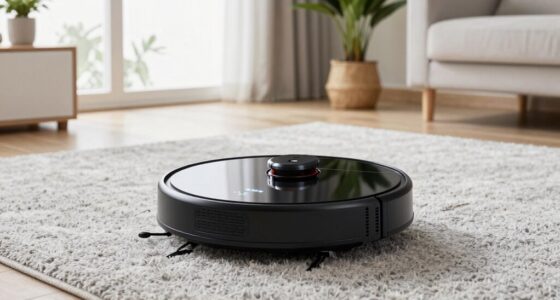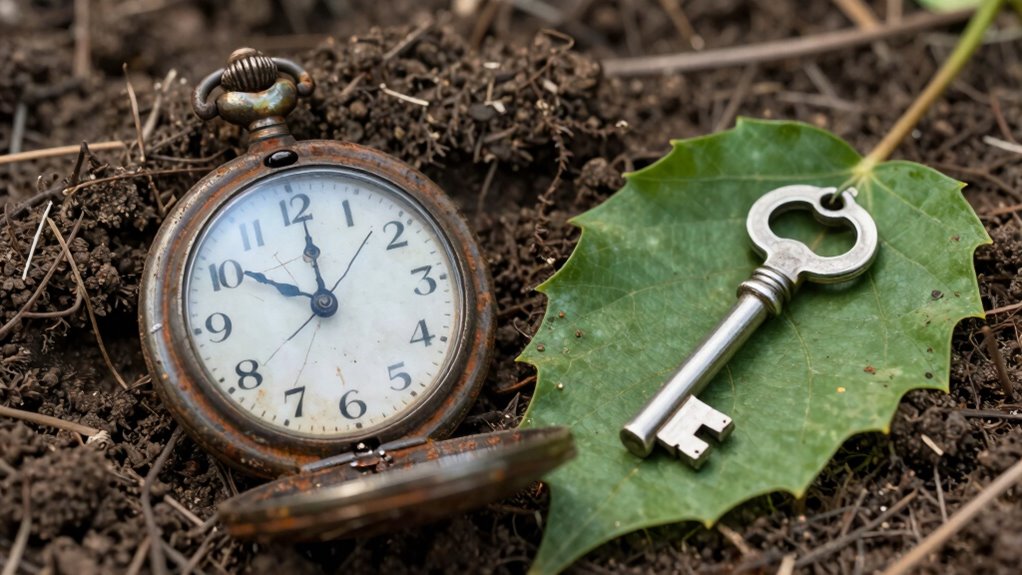
A useful find is an item that solves a current problem or improves your daily life, so you use it now. A future drawer item, on the other hand, is something you may need later but isn’t useful at the moment, so you store it away. To keep your space organized, assess whether an item is needed soon or can wait. Keep exploring to discover how to manage these items effectively and avoid clutter.

Turn the school run and nap time into listening time
- Thousands of audiobooks, podcasts and originals
- Listen on your phone, tablet or Echo — also offline
- Cancel anytime
Key Takeaways
- Useful finds solve current needs, while future drawer items are often overlooked or rarely used later.
- Assess whether an item is needed soon or can be stored away for future use.
- Proper storage and organization prevent useful items from becoming forgotten future drawer clutter.
- Regular reviews help determine if stored items are still useful or should be discarded.
- Clear labeling and designated spots distinguish between current-use items and future drawer storage.
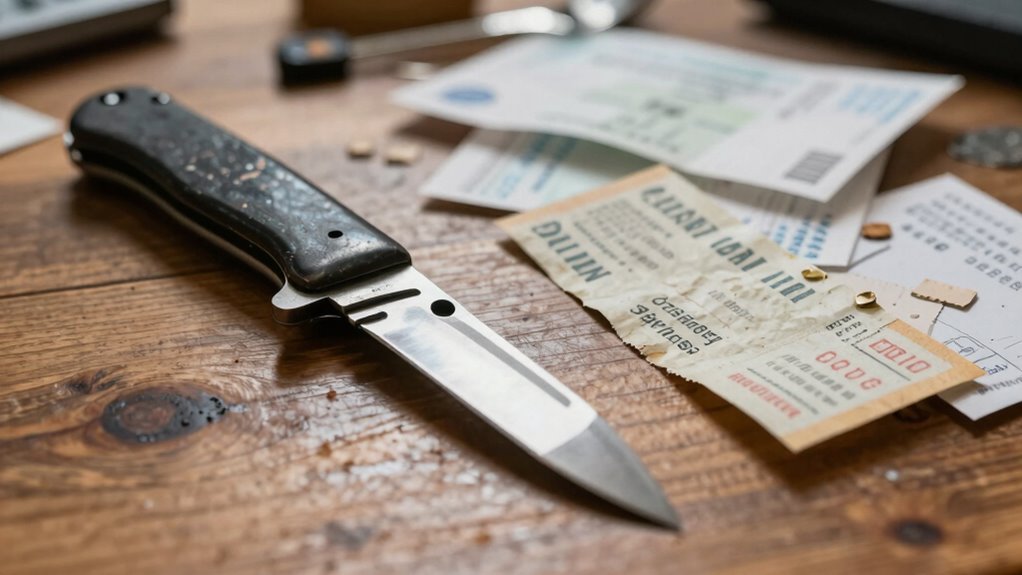
Ever since you’ve started decluttering and organizing your belongings, you’ve probably encountered items that seem useful but end up cluttering your space instead. These are often hidden treasures—those items you might overlook or forget about, yet could serve a purpose someday. The challenge lies in distinguishing between what’s genuinely useful now and what’s just taking up space for the foreseeable future. This is where effective storage strategies come into play. Instead of tossing everything into a drawer or onto a shelf, you need to assess whether an item will serve you soon or if it’s better off stored away until it’s truly needed.
When you come across a potential hidden treasure, ask yourself if it solves a current problem or enhances your daily life. If it does, find a designated spot for it within your organized system. This way, you keep it accessible and avoid turning it into a future drawer item—something you stash away with the hope of using later but often forget about altogether. Storage strategies are vital here; they help you decide where to place these items so they’re easy to find when needed, yet don’t clutter your main living areas. Incorporating a systematic approach can also help streamline this process and make it easier to maintain your organization over time.
On the other hand, when you identify an item that you’re unlikely to need in the near future but might be useful someday—like seasonal decorations or rare tools—consider creating a specific storage zone. Use labeled bins, clear containers, or stackable boxes to keep these hidden treasures organized and out of sight. The key is to create a system where you can quickly locate these items when the time comes, preventing them from becoming clutter or future drawer items that never see the light of day. Developing a storage plan and regularly reviewing your belongings can enhance this process, making your organization more efficient. Additionally, understanding the value of proper labeling can significantly improve how easily you retrieve stored items and prevent unnecessary rummaging.
You should also develop a routine for periodically reviewing stored belongings. This helps you distinguish between items that still hold potential and those that have outlived their usefulness. If an item has been tucked away for months without use, decide whether it’s worth keeping or if it’s better to donate or discard it. Incorporating regional culture into your decluttering approach can also provide unique insights and motivation to maintain your organized space. This ongoing process prevents storage from becoming a cluttered black hole, ensuring your space remains functional and welcoming.
In the end, the difference between a useful find and a future drawer item hinges on your ability to implement smart storage strategies and ask the right questions. By doing so, you’ll transform your cluttered space into an organized environment where hidden treasures are accessible and unnecessary items are efficiently stored away. This balance allows you to enjoy a cleaner, more functional home—one where every item has a purpose.
Frequently Asked Questions
How Can I Tell if an Item Is Genuinely Useful?
You can tell if an item is genuinely useful by considering how often you use it and if it improves your daily routines. Think about storage solutions and decluttering strategies—if an item doesn’t serve a clear purpose or has no place in your organized space, it’s likely not useful. Keep only things that add real value, and regularly reevaluate your belongings to maintain a clutter-free environment.
What Are Common Signs of a Future Drawer Item?
You can spot a future drawer item by noticing items that seem promising for storage solutions or organization strategies but aren’t quite needed now. They might be items with potential, like unused containers or gadgets, that could fit into your system later. Keep an eye on things that might become useful someday, but for now, don’t clutter your space. These are signs you’re holding onto a future drawer item.
Should I Prioritize Frequent Use Over Potential Value?
You should prioritize frequent use over potential value because it helps with storage optimization and decluttering strategies. Items you use often deserve accessible storage, preventing clutter and saving you time. While future drawer items might seem valuable, they can accumulate and create chaos. Focus on organizing what you need daily, and consider relocating or reevaluating items with potential future use to keep your space functional and clutter-free.
How Long Should I Keep a Questionable Item?
Think of your questionable item as a seed in your storage solutions garden. If it’s been there for months without use, it’s unlikely to grow into something valuable. Keep it for a set decluttering strategy, like three or six months, then reevaluate. If it’s still questionable, it’s time to let it go. Regularly reassessing helps you maintain an organized space and focus on things truly worth holding onto.
Can Sentimental Value Influence Usefulness Assessments?
Yes, sentimental value can influence your usefulness assessments. When you have an emotional attachment to an item, you might overlook its practicality or aesthetic appeal, keeping it longer than necessary. Your feelings can cloud judgment, making it harder to decide whether an item truly serves a current purpose. To stay balanced, consider both emotional attachment and practicality, and regularly evaluate if the item still adds value or simply holds sentimental significance.
Conclusion
Imagine you find a vintage camera at a garage sale. If you plan to use it and enjoy capturing moments, it’s a useful find. But if you stash it away, hoping someday it’ll be valuable, it’s a future drawer item. Recognizing the difference helps you make smarter choices about what to keep and what to let go. Stay mindful of your priorities, and turn your finds into everyday treasures instead of forgotten relics.
Fall Picks
fall essentials
As an affiliate, we earn on qualifying purchases.