
To spot “looks better online” products quickly, start by checking customer reviews for mentions of appearance discrepancies or faded, smaller, or less vibrant results in person. Examine detailed, high-quality images from multiple angles and compare them with descriptions for consistency. Beware of overly perfect stock photos or edited images, and pay attention to seller reputation and transparency. If you keep going, you’ll find more tips to navigate deceptive listings and spot fake visuals with confidence.

Turn the school run and nap time into listening time
- Thousands of audiobooks, podcasts and originals
- Listen on your phone, tablet or Echo — also offline
- Cancel anytime
Key Takeaways
- Scrutinize customer reviews for mentions of duller, smaller, or less vibrant in-person appearances.
- Compare product descriptions with images, noting any vague details or exaggerated features.
- Examine high-quality, multi-angle photos and user-uploaded reviews for realistic views.
- Watch for signs of digital editing or manipulation in product images.
- Prioritize sellers with positive feedback and transparent communication about their products.
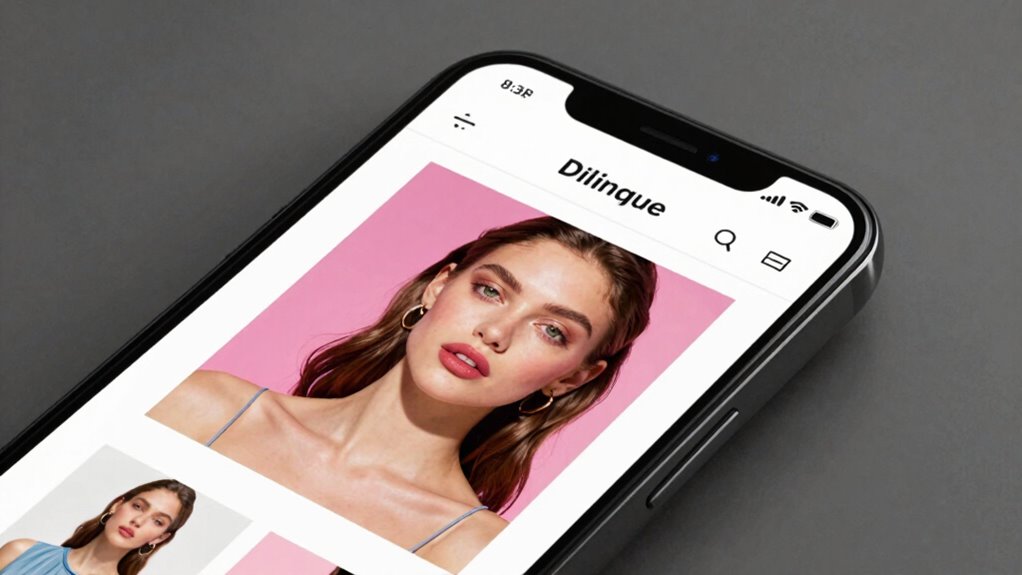
Ever wondered how to identify products that look better online than they really are? It’s a common trap, especially when shopping from unfamiliar brands or websites. The trick is to become a savvy shopper who can quickly spot the signs of a “looks better online” product. Start by paying close attention to customer reviews. They’re often your best resource because real buyers share honest insights about the product’s true appearance and quality. If multiple reviews mention that a product looks different in person—more faded, smaller, or less vibrant than the photos—you should take that seriously. Conversely, glowing reviews that confirm the product matches the online images are usually more trustworthy. Look for patterns; if many reviews complain about misleading visuals, it’s a red flag.
Watch for reviews warning that products look different in person—faded, smaller, or less vibrant than online images.
Next, scrutinize the product descriptions carefully. Many shady sellers rely on glossy photos and vague descriptions to disguise a subpar item. If the product description lacks specific details—such as dimensions, material quality, or close-up images—it might be a sign that the seller isn’t confident in the product’s authenticity or appearance. Compare the description with the images. If the description emphasizes features that aren’t visible or don’t match the photos, proceed with caution. Sometimes, sellers will exaggerate or omit flaws, leaving you with a product that’s quite different from what you expected. Paying attention to product authenticity can help you avoid disappointment. Being aware of visual discrepancies in product images is also crucial, as they can be used to mislead buyers. Recognizing common deceptive tactics can further sharpen your ability to spot questionable listings. Additionally, understanding how photo editing can alter product appearances helps you stay alert to potential deceptions. Knowing about digital manipulation techniques enhances your ability to identify altered images effectively.
Additionally, examine the images themselves. High-quality, detailed photos from multiple angles are more trustworthy. Be wary of listings that rely heavily on stock images or overly polished photos that seem too perfect. These are often used to hide imperfections or differences in real life. If possible, look for user-uploaded photos within reviews, as these tend to show the actual product in real settings, giving you a clearer idea of its true look.
Another tip is to check the seller’s reputation. Established sellers with positive feedback and a history of satisfied customers are less likely to deceive you. If a seller has a high rate of disputes or negative reviews specifically about product authenticity or quality, it’s better to steer clear. Remember, a good seller is transparent about their products and willing to provide additional images or information if asked.
product authenticity verification tools
As an affiliate, we earn on qualifying purchases.
As an affiliate, we earn on qualifying purchases.
Frequently Asked Questions
Are High Prices a Sign of Quality or Just Marketing?
High prices often don’t guarantee quality; they mostly leverage marketing and pricing psychology, making products seem more desirable. Luxury branding uses these tactics to create an aura of exclusivity and prestige, convincing you that higher cost equals better craftsmanship or experience. So, before falling for the hype, research reviews, compare alternatives, and consider whether the premium price is justified by actual quality, not just marketing tricks.
Can Product Reviews Be Trusted to Reflect Real Quality?
Product reviews can be tricky, but you can trust them if you practice proper perception. Customer testimonials often tell the tale, but look for signs of authenticity verification to weed out fake feedback. Focus on detailed reviews that discuss specific features rather than generic praise. By scrutinizing reviews carefully, you’ll see genuine quality, helping you make smarter shopping decisions and avoid falling for false claims or superficial scores.
How Important Are Professional Photos Compared to User Images?
Professional photos are essential because they establish brand consistency and convey a polished image, but user images add authenticity, showing how products look in real life. You should prioritize both, as professional photos boost trust and credibility, while user images provide genuine insights into product performance. Balancing these visuals helps you make smarter choices, ensuring the product meets your expectations and reflects true quality.
Do Trending Products Necessarily Look Better Online?
Trending products don’t necessarily look better online because visual deception and branding tricks often make them appear more appealing. You need to watch for these tactics, like exaggerated images or selective editing, that manipulate perception. Just because something is trending doesn’t mean it’s genuinely high quality or attractive in real life. Be cautious, analyze product photos critically, and don’t fall for branding tricks that aim to boost online appeal.
How Can I Identify Fake or Misleading Product Photos?
You can spot fake or misleading product photos by watching for photo inconsistencies like strange shadows, mismatched colors, or blurry details that don’t match the product. Pay attention to branding cues—logos that are off-center or poorly aligned often signal a fake. Trust your instincts and compare images across multiple sources. If something feels off or too perfect, it’s a red flag that the photo might be misleading or manipulated.
high quality product review camera
As an affiliate, we earn on qualifying purchases.
As an affiliate, we earn on qualifying purchases.
Conclusion
Think of online shopping like steering through a minefield—you need to spot the hidden dangers before you step on them. By paying close attention to reviews, photos, and product details, you can avoid the glittering traps of “looks better online” products. Trust your instincts and do a bit of digging. The more you sharpen your eye, the easier it becomes to spot the real gems amid the shiny decoys, turning shopping into a confident treasure hunt.
digital image editing detection tools
As an affiliate, we earn on qualifying purchases.
As an affiliate, we earn on qualifying purchases.
As an affiliate, we earn on qualifying purchases.
Halloween Picks
halloween
As an affiliate, we earn on qualifying purchases.