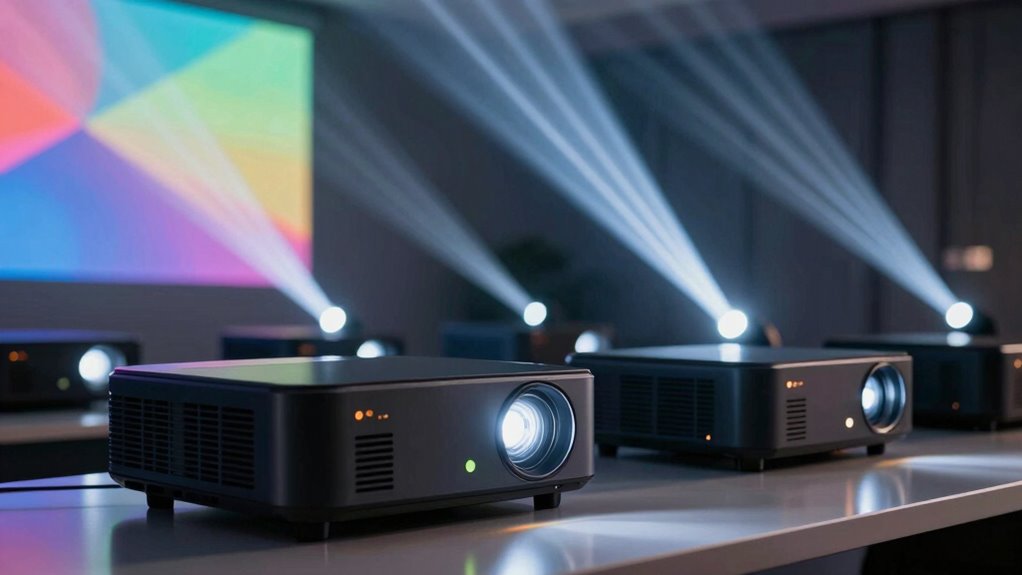

When shopping for projectors on Amazon, you’ll notice the term “lumens” used to indicate brightness. However, many manufacturers list “marketing lumens,” which can overstate the true brightness your projector will produce in real-world conditions. Actual lumens are measured under standardized testing, giving you a better idea of performance, especially in well-lit environments. To avoid being misled, it’s important to understand this difference; if you continue exploring, you’ll discover how to choose a projector that matches your needs.
Key Takeaways
- “Marketing lumens” are inflated brightness claims, often overstating actual projector performance.
- Actual lumens are measured in real-world conditions, providing a more accurate brightness indicator.
- Different measurement standards lead to variations, making direct comparisons between projectors challenging.
- Relying solely on lumen numbers without considering environment and image quality can be misleading.
- Evaluate projector brightness in context—consider ambient lighting, screen size, and room conditions for optimal choice.

ONOAYO Outdoor-Projector-4K with 60W Dolby Audio and Official Licensed Apps
- Dolby Audio Power: Dual 60W Hollywood-grade sound
- AI Sound Enhancement: Removes echoes and boosts bass
- Room-Filling Sound: Covers up to 540 sq.ft
As an affiliate, we earn on qualifying purchases.
As an affiliate, we earn on qualifying purchases.
What Are Lumens and Why Do They Matter in Projectors
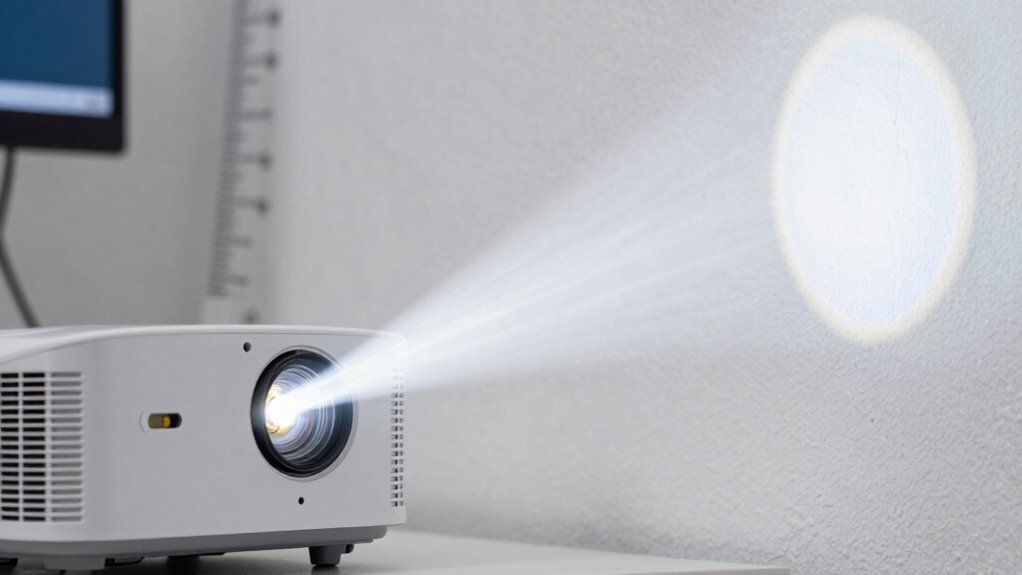
Lumens measure the brightness of a projector’s light output, which directly affects how clear and vibrant the image appears. When considering projector placement, higher lumens help assure your image remains visible, especially if the setup isn’t perfectly dark. Ambient lighting plays a significant role—bright rooms demand projectors with more lumens to counteract the light and maintain image clarity. If your space has lots of natural light or ceiling lights, opting for a projector with higher lumens guarantees the picture stays sharp and vivid. Additionally, understanding the contrast ratio can help you select a projector that performs well across various lighting conditions. Recognizing how brightness levels impact image visibility allows you to make more informed choices. Conversely, in darker rooms, you can get away with fewer lumens. Understanding how lumens work helps you choose the right projector for your environment, ensuring a bright, clear display regardless of lighting conditions.
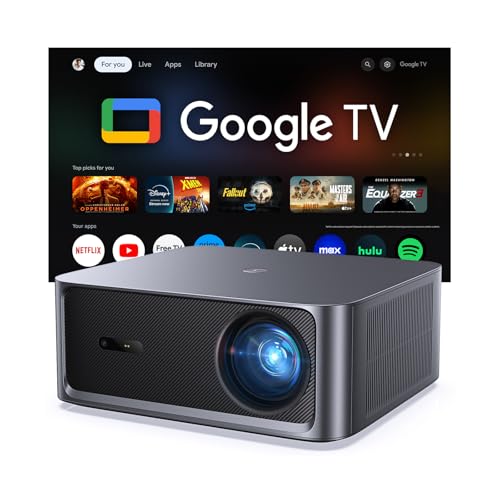
HAPPRUN 3000 ANSI Lumens Outdoor Projector with Official Google TV
- Built-in Google TV with Streaming Apps: Access 1,000+ apps including Netflix and YouTube
- Bright 3000 ANSI Lumens Display: Vivid, clear images in day or night
- Supports 4K with HDR10+: Cinematic visuals with high contrast and color
As an affiliate, we earn on qualifying purchases.
As an affiliate, we earn on qualifying purchases.
Actual Lumens vs. Marketing Lumens: What’s the Difference?
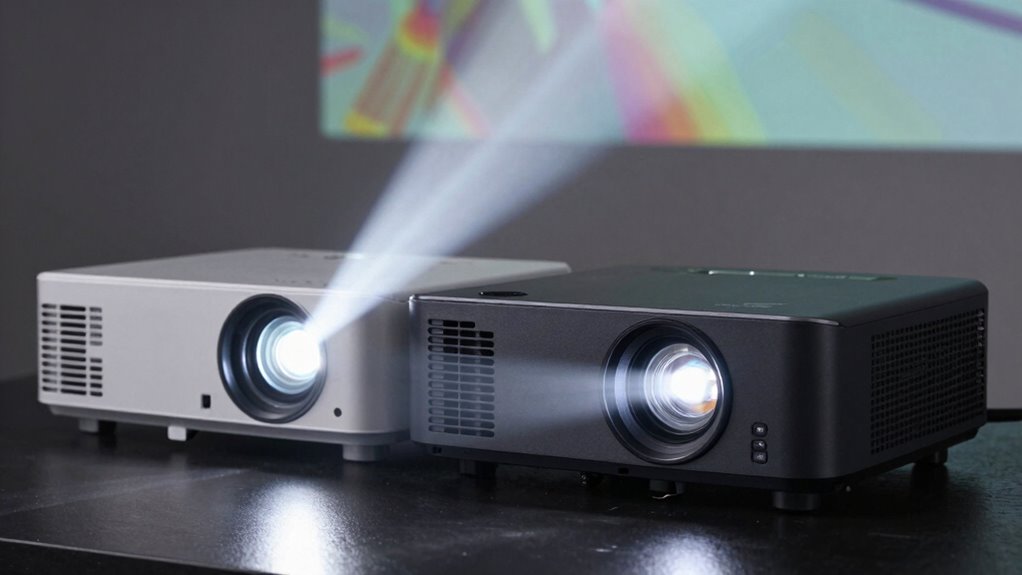
Have you ever noticed that a projector’s advertised brightness often seems more impressive than what you experience in your room? That’s because many projection myths, including lumen myths, distort the truth. Manufacturers often list marketing lumens, which overstate the actual brightness you’ll see. This difference can mislead buyers into thinking a less-bright projector will perform well in their space. Knowing the gap between actual lumens and marketing lumens helps you set realistic expectations. Additionally, understanding the distinction between measured and advertised brightness ensures you make informed purchasing decisions and select a projector suited to your environment. Recognizing how air purifier maintenance impacts device longevity also underscores the importance of accurate specifications in related technology sectors. Proper understanding of piercing care and hygiene can serve as a reminder that accurate, honest information is key when making decisions about any product or procedure. Being aware of sound design skills can further help consumers appreciate the importance of authentic specifications over marketing hype.

ViewSonic PX700HDH 3700 Lumens 1080p Projector, High Brightness and Supercolor Technology for Smooth Home Entertainment, 1.1x Optical Zoom, and Vertical Keystone for Flexible Setup, and Dual HDMI
- Resolution: Full HD 1920x1080p
- Brightness: 3700 Lumens for Bright Images
- Color Technology: SuperColor for Vibrant Colors
As an affiliate, we earn on qualifying purchases.
As an affiliate, we earn on qualifying purchases.
How Manufacturers Inflate Lumens Ratings to Make Projectors Seem Brighter
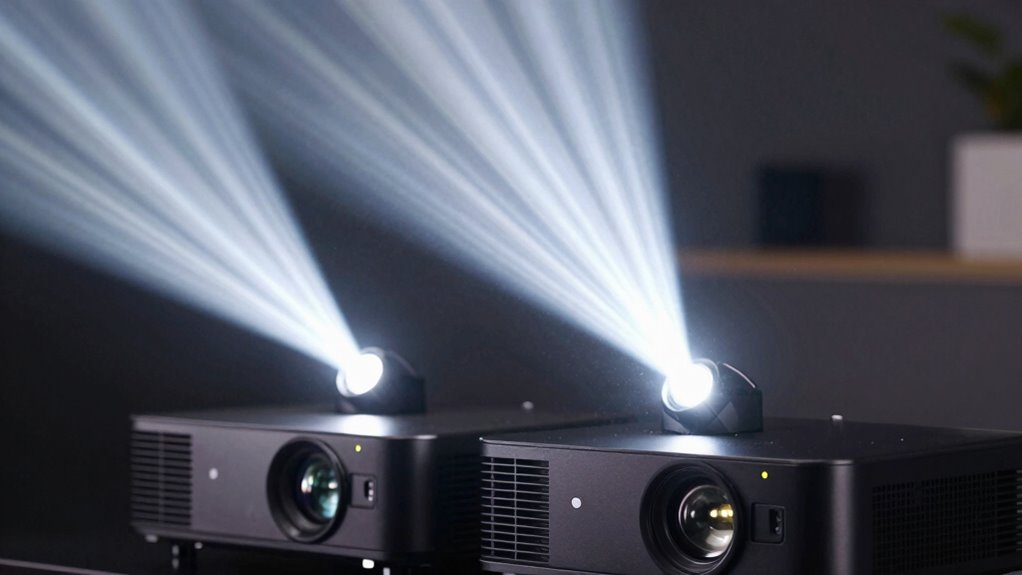
Manufacturers often use different measurement standards to boost lumen ratings and make their projectors appear brighter. They might highlight marketing lumens instead of the real ones, which can be misleading. Understanding this difference helps you choose a projector that actually performs as advertised.
Different Measurement Standards
While many projector specs claim incredibly high lumen ratings, not all measurements are created equal. Different manufacturers use varying measurement standards, which can distort the true brightness of a projector. Some measure brightness based on the maximum output with a specific projection technology, while others include color accuracy or white brightness only. This inconsistency allows brands to inflate lumen ratings by emphasizing the highest possible numbers without considering how the projector performs in real-world settings. These differences make it difficult to compare projectors directly. To get an accurate sense of brightness, look for standardized testing methods and consider how projection technology impacts color accuracy and overall image quality. Recognizing these measurement standards helps you avoid being misled by inflated lumen claims.
Marketing vs. Real Brightness
Many projector brands boost their lumen ratings through marketing tactics, making their products seem brighter than they actually are. They often inflate lumen numbers to appeal to consumers during the projection setup, especially in rooms with ambient light. These marketing lumens can be misleading because they don’t reflect real-world brightness, which depends on factors like screen size and lighting conditions. When comparing projectors, focus on actual lumens rather than inflated ratings, and consider how ambient light impacts image clarity. A projector with a true lumen rating suited for your environment will provide a clearer, more vibrant picture without overestimating its capabilities. Don’t fall for inflated specs—understand how brightness measurements relate to your specific projection setup for better results. Additionally, understanding Free Floating projection concepts can help you better grasp how to optimize your viewing experience in various settings. Recognizing the difference between marketing lumens and real brightness can save you from overpaying for a projector that doesn’t meet your needs.
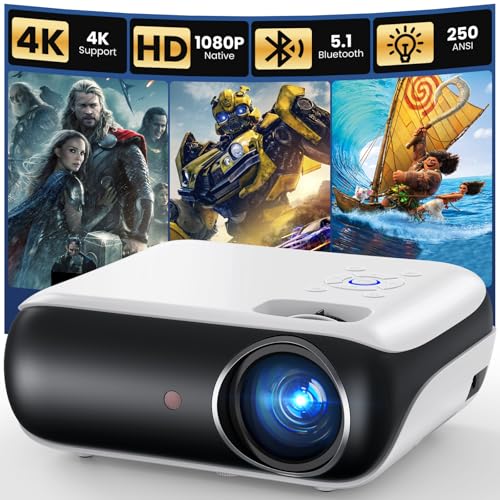
HAPPRUN Native 1080P Outdoor Smart Projector-Standard
- Native 1080P Resolution: 1920×1080 full HD for sharp images
- Compact & Portable Design: Fits in backpacks for outdoor use
- Bluetooth 5.1 Connectivity: Pair with speakers or headphones
As an affiliate, we earn on qualifying purchases.
As an affiliate, we earn on qualifying purchases.
How to Assess Projector Brightness Effectively
Evaluating projector brightness accurately is essential to guarantee your setup works well in your intended environment. To do this, consider how brightness interacts with factors like color accuracy and power consumption. Brightness alone doesn’t tell the whole story—look for projectors with high contrast ratios for vibrant colors and sharp images. Check the actual lumen ratings from reviews, not just marketing claims. Assess how much power consumption impacts your long-term costs; a brighter projector might use more energy. Remember, a projector with proper brightness and good color accuracy provides a more immersive experience. Additionally, understanding the different brewing methods can help you appreciate the importance of precise measurements and performance in your equipment. Ensuring compatibility with your existing networking solutions can also influence your device choices and setup efficiency.
Common Mistakes When Comparing Projectors’ Brightness on Amazon
When comparing projectors’ brightness on Amazon, one common mistake is relying solely on the lumen ratings listed in product titles or descriptions. These numbers often don’t account for how projector color accuracy impacts image quality or how it performs in different setup environment considerations. A projector with higher lumens may seem brighter but could deliver poor color accuracy, resulting in dull or washed-out images. Additionally, your setup environment—such as room size, ambient light, and screen type—affects actual brightness needs. Ignoring these factors can lead you to choose a projector that underperforms in your specific setting. It’s also important to understand that Gold IRA Markets highlight the significance of transparency and accurate information in financial products, which is equally applicable when evaluating projector specifications. Always look beyond the lumen number and consider how color accuracy and environment considerations influence the overall viewing experience before making a purchase. Being aware of data management and how it affects product performance can help you make more informed decisions, especially when comparing tech specifications. Furthermore, understanding specification transparency can assist you in discerning which products genuinely meet your needs rather than relying on marketing claims. Paying attention to performance metrics that include color accuracy and contrast ratios can give you a clearer picture of a projector’s true quality. Additionally, researching manufacturer transparency can reveal how openly brands share detailed performance data, aiding in better comparisons.
Tips for Choosing a Bright Projector Without Being Misled
To choose a bright projector without falling for misleading claims, focus on understanding how lumen ratings relate to your specific space and viewing conditions. The key factors are projector placement and ambient lighting. If your room has a lot of natural or artificial light, you’ll need a projector with higher lumens. Conversely, in a darker room, fewer lumens suffice. Don’t rely solely on marketing lumens; instead, consider real-world brightness needs. Additionally, be aware that comfort and confidence in your setup can be affected by factors like glare and image clarity, which are influenced by your choice of projector brightness. Keep these tips in mind: – Assess your room’s ambient lighting before choosing – Position the projector properly for ideal brightness – Be skeptical of inflated lumen claims – Match projector placement to your screen size – Prioritize actual use conditions over marketing hype – Understanding the relationship between lumens and image quality can help you select the right brightness for your space. Also, understanding how projector specifications translate to real-world performance can prevent disappointment with purchase outcomes. Recognizing how lumen ratings are measured and interpreted across different models can further refine your decision-making process, especially considering the connected home fitness trends that encourage versatile and effective home entertainment setups.
What Brightness Can You Expect in Real-World Use
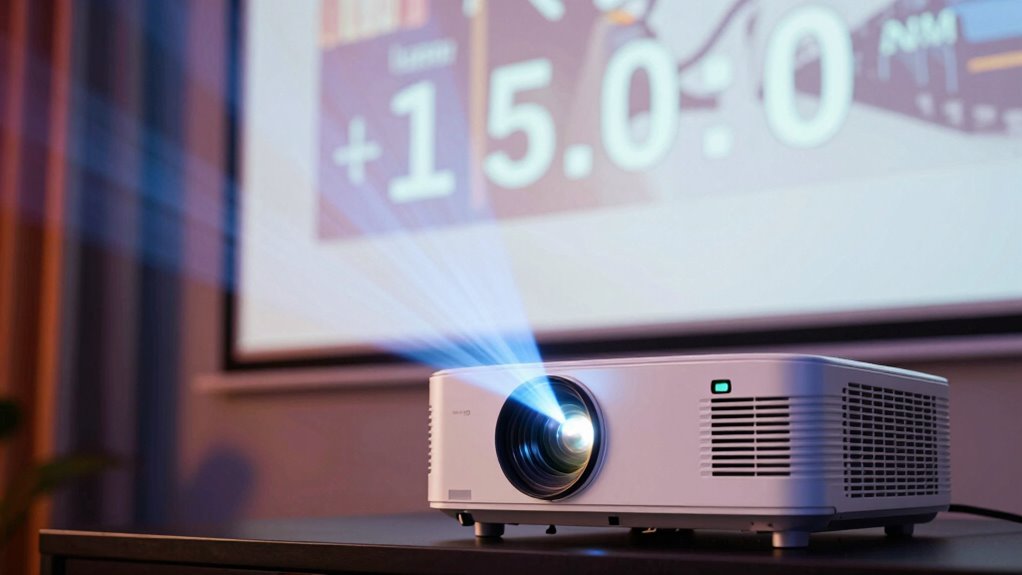
In real-world use, the brightness you see on the screen often falls short of the published lumen ratings. Factors like ambient light and room conditions greatly impact your viewing experience. Even a projector with high lumens may struggle in a bright environment, reducing color accuracy and making images appear washed out. To get the best picture, aim for a darker room or use blackout curtains, which help preserve contrast and vivid colors. Keep in mind that environmental lighting, screen quality, and projector placement all influence how bright and sharp the image appears. So, while specs matter, actual performance depends on your setup. Adjusting ambient light and choosing a projector with realistic lumen expectations ensures you get a clear, bright image that accurately reflects the content. Understanding indoor air quality can also help create a more comfortable viewing environment by reducing dust and allergens that can affect image clarity. Additionally, maintaining good air circulation in the room can help prevent the buildup of dust and improve overall comfort during extended viewing sessions. Proper environmental conditions can significantly impact your projector’s longevity and performance, making it essential to optimize your room setup. Using proper cleaning techniques and tools, such as herbal infusion tools, can also help optimize your setup to keep the environment clean and dust-free, thereby supporting better image quality.
Frequently Asked Questions
How Do Ambient Light Conditions Affect Projector Brightness Requirements?
Ambient light considerably impacts your projector brightness needs. In bright rooms with lots of ambient light, you’ll need a projector with higher lumens to guarantee a clear image. Conversely, in darker settings, lower lumens suffice. Also, consider screen reflectivity; a high-quality, reflective screen enhances brightness and contrast, reducing the need for an extremely high lumen count. Adjusting for ambient light and choosing the right reflectivity helps you get the best image quality.
Can a Projector’s Lumen Rating Impact Image Quality?
Think of a projector’s lumen rating as the heartbeat of its image quality—you might have high lumens, but if color accuracy suffers or the lamp lifespan is short, your visuals could disappoint. A higher lumen rating generally brightens the image, but it doesn’t guarantee sharpness or true colors. So, choose a projector that balances brightness with good color accuracy and durable lamps to keep your images vibrant over time.
Are Higher Lumens Always Better for Home Theaters?
Higher lumens aren’t always better for home theaters since contrast ratios and color accuracy matter more for picture quality. If your room is dark, a projector with lower lumens can still produce vibrant images. But in brighter rooms, higher lumens help maintain brightness. Focus on a balance: choose a projector with good contrast ratios and color accuracy, and consider your ambient lighting to get the best viewing experience.
How Do Different Projection Sizes Influence Brightness Needs?
Think of your projection size as a canvas; larger screens demand more brightness to keep images vivid. As your screen dimensions grow, you’ll need higher lumens to sustain clarity and avoid dim, washed-out visuals. Smaller projection sizes require less brightness, so you can choose a projector with lower lumens. Adjust your projector’s brightness based on your desired screen size to ensure sharp, vibrant images, no matter how big or small your display.
What Are the Best Ways to Verify a Projector’s Actual Brightness?
You can verify a projector’s actual brightness by checking independent reviews and user feedback, focusing on real-world performance. Look for details about color accuracy and contrast ratios, which impact image quality. Test the projector in a dim room to see how well it maintains brightness and color fidelity at its rated lumens. Avoid relying solely on marketing lumens; instead, prioritize objective measurements and professional testing to guarantee it meets your needs.
Conclusion
Now that you understand the difference between real lumens and marketing hype, are you ready to make smarter projector choices? Don’t fall for inflated brightness claims—do your research and compare actual specs carefully. By knowing what to look for, you can find a projector that truly meets your needs without getting fooled. After all, isn’t it worth investing in a device that delivers real performance, not just shiny marketing?