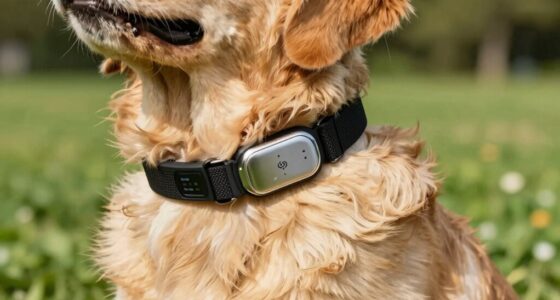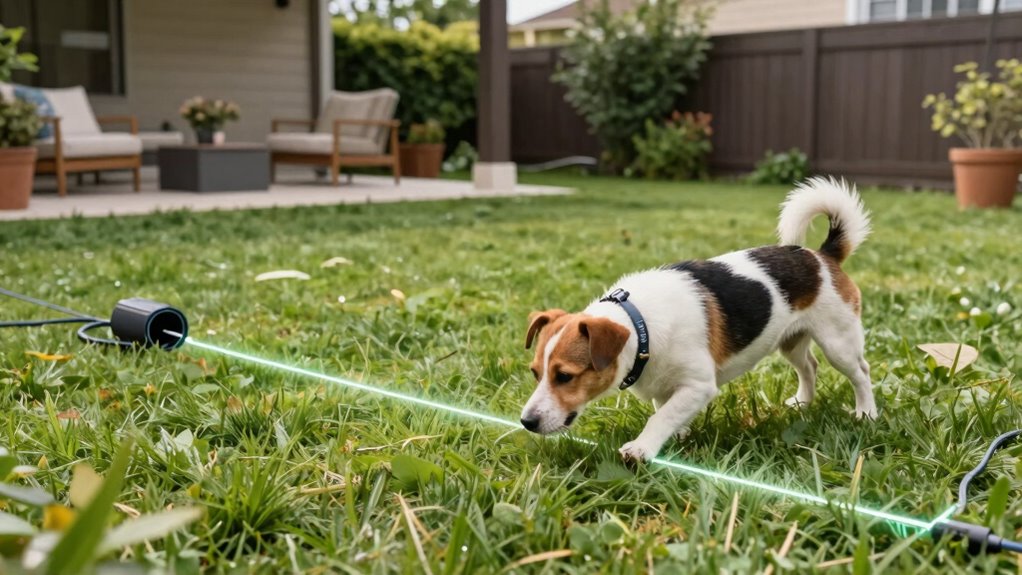

Wireless pet containment systems work best for pet owners wanting an easy, customizable boundary without install hassles, especially if your yard has fewer obstacles and your pet is well-behaved. They’re ideal if you’re committed to consistent training and have a manageable outdoor space. However, if your yard is complex or your pet easily gets distracted or is aggressive, traditional fencing might be better. To find out if this system fits your needs, you’ll discover more below.

Turn the school run and nap time into listening time
- Thousands of audiobooks, podcasts and originals
- Listen on your phone, tablet or Echo — also offline
- Cancel anytime
Key Takeaways
- Suitable for pet owners with manageable outdoor spaces and a willingness to invest in training.
- Ideal for pets that are well-behaved, responsive to positive reinforcement, and not easily distracted.
- Less effective in yards with dense trees, metal structures, or uneven terrain that weaken signals.
- Not recommended for aggressive or highly energetic pets needing more robust containment solutions.
- Requires ongoing supervision, calibration, and training for reliable performance and pet safety.
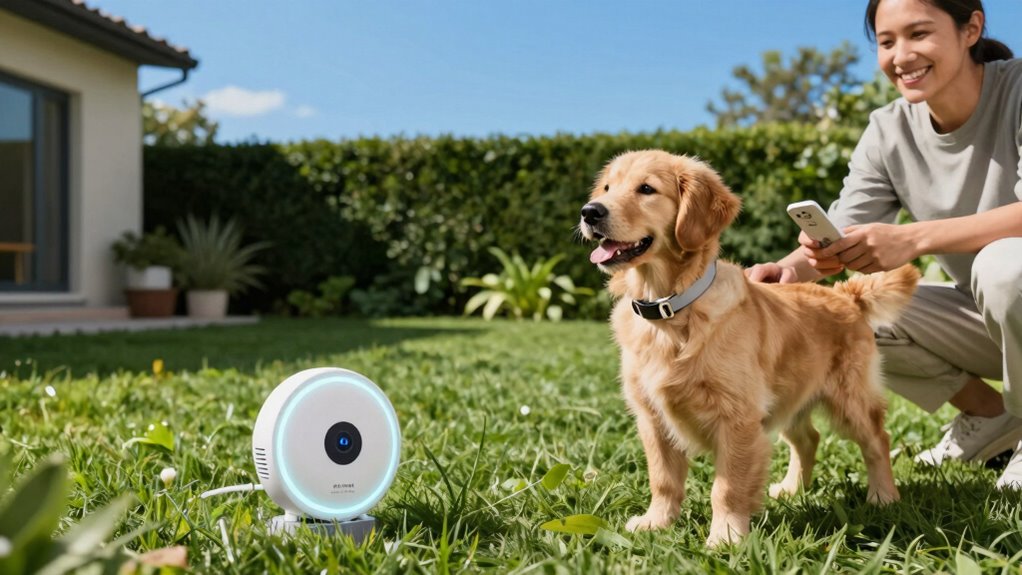
Training techniques play a vital role in making sure your pet adapts to the wireless boundary. When you first introduce your pet to the system, you need to establish clear boundaries and reinforce them through positive reinforcement. Use treats, praise, and consistent commands to help your pet understand where they can go and where they shouldn’t. It’s important to start slow, gradually increasing the distance from the boundary, and never rushing the training process. Remember, patience is key. If your pet resists or seems confused, revisit basic training techniques and confirm the system is properly calibrated. Proper training will help your pet associate the boundary with a gentle correction, preventing any fear or anxiety about being outside their safe zone. Outdoor safety is also essential to consider when setting up containment systems. This type of containment works well for owners who want a seamless outdoor experience, but it’s not for everyone. If your yard has a lot of obstacles like dense trees, metal structures, or uneven terrain, the signal might weaken, reducing the system’s effectiveness. Additionally, if your pet is particularly stubborn or highly energetic, they might learn how to test the boundary or escape, so ongoing training and supervision are necessary. For pets that are easily distracted, aggressive, or have special behavioral needs, traditional fencing or more personalized training methods might be better suited. Understanding the radio signal strength can help you determine if the system will perform reliably in your yard. Moreover, considering the local environment and potential interference sources can be crucial for optimal system performance. Ensuring system reliability involves understanding how external factors might impact the wireless signal and system functionality. Being aware of potential interference sources can help in troubleshooting connectivity issues and maintaining effective containment.
In the end, wireless pet containment systems are a great fit if you value convenience, have a manageable outdoor space, and are committed to consistent training. They offer an effective way to guarantee outdoor safety while giving your pet freedom to roam. However, if your yard presents challenges or your pet needs specialized supervision, it’s worth exploring other containment options or consulting a professional trainer. The right choice depends on your pet’s personality, your yard’s layout, and how much time you’re willing to invest in training.
As an affiliate, we earn on qualifying purchases.
Frequently Asked Questions
Are Wireless Dog Fences Safe for Puppies?
Wireless dog fences can be safe for puppies if used properly, but they do pose some puppy safety and training challenges. You need to guarantee the system is set up correctly to prevent accidental shocks, and start training your puppy gradually. Keep a close eye on them during initial use to avoid confusion or stress. Overall, with careful supervision and proper training, wireless fences can be a safe option for puppies.
How Long Does the Battery Last on Wireless Systems?
The battery life on wireless pet containment systems usually lasts between 1 to 2 weeks, depending on usage. Think of it as a marathon runner—reliable but needing regular rest. Proper battery maintenance and understanding the power source durability are key to keeping your system working smoothly. Keep spare batteries handy and follow the manufacturer’s instructions to guarantee your pet stays safely within bounds without interruptions.
Can Multiple Pets Use the Same Wireless Boundary?
Yes, multiple pets can use the same wireless boundary, but you need to set up boundary overlap carefully. Most systems allow for multiple collars, so your pets can share the same area. However, make certain their boundaries don’t conflict, as overlapping zones might confuse your pets or cause boundary breaches. Adjust the system settings for each pet’s collar to prevent interference, guaranteeing they stay safely within their designated zones.
Do Wireless Systems Work Outdoors in All Weather Conditions?
Wireless systems, like a trusty lighthouse, can guide your pet safely outdoors, but their weather durability varies. Rain, snow, or extreme heat can weaken signal reliability, making them less effective. Most systems are designed to withstand different weather conditions, but check the manufacturer’s specs. For the best results, use them in moderate weather or consider models specifically built for harsh outdoor environments to keep your pet safe year-round.
Is Professional Installation Necessary for Wireless Pet Fences?
You don’t always need professional installation for wireless pet fences, but it depends on the system’s installation complexity. If you’re comfortable with basic setup and the instructions are straightforward, you can usually install it yourself, saving on cost considerations. However, for more complex setups or if you want to guarantee best performance and safety, hiring a professional might be worth the extra expense.
As an affiliate, we earn on qualifying purchases.
Conclusion
If you’re considering a wireless pet containment system, weigh whether it truly fits your lifestyle and your pet’s personality. While these systems can be a gentle guide, they might not suit every pet or owner perfectly. Sometimes, a more hands-on approach offers a softer, more tailored touch. In the end, trusting your instincts and understanding your pet’s needs will help you find a solution that’s just right, without any unnecessary compromises.
As an affiliate, we earn on qualifying purchases.
pet training treats for boundary training
As an affiliate, we earn on qualifying purchases.
As an affiliate, we earn on qualifying purchases.
Fall Picks
fall essentials
As an affiliate, we earn on qualifying purchases.