Brushless tools are worth paying more for if you need longer runtime, higher efficiency, and better durability, especially for demanding tasks. They perform better during sustained use, reduce maintenance costs, and deliver consistent power even under tough conditions. However, for light, occasional work, brushed tools might still do the job at a lower price. If you want to maximize performance and longevity, it’s worth exploring when and why brushless options stand out.

Turn the school run and nap time into listening time
- Thousands of audiobooks, podcasts and originals
- Listen on your phone, tablet or Echo — also offline
- Cancel anytime
Key Takeaways
- Brushless tools excel in demanding, prolonged tasks due to better efficiency, durability, and longer battery life.
- They are worth the extra cost when consistent power, reduced maintenance, and quieter operation are priorities.
- For light, infrequent use, brushed tools may suffice and offer a more budget-friendly option.
- Upgrading to brushless is beneficial if current tools show decreased performance or struggle with battery compatibility.
- Consider long-term savings from less maintenance and longer-lasting batteries when deciding if the premium is justified.
As an affiliate, we earn on qualifying purchases.
How Do Brushless Power Tools Work and Why Are They Better?

Brushless power tools operate more efficiently because they eliminate brushes and commutators found in traditional motors. This design improves battery efficiency because less energy is lost due to friction and electrical contact. With no brushes to wear out, the motor’s design allows for smoother operation, reducing maintenance needs and extending tool lifespan. The absence of brushes also means less heat generation, which helps maintain consistent power output and prevents overheating. These factors combine to give you longer runtime per battery charge and more reliable performance over time. Additionally, the better heat dissipation in brushless motors prevents overheating, contributing to longer motor life and consistent performance. Improved electrical efficiency ensures that power is used more effectively, maximizing the tool’s overall performance. Furthermore, the compact design of brushless motors makes tools lighter and easier to handle, enhancing user comfort during extended use. Overall, these innovations in motor design translate into better efficiency, durability, and user experience.
high torque brushless impact driver
As an affiliate, we earn on qualifying purchases.
As an affiliate, we earn on qualifying purchases.
When Do Brushless Motors Provide Real Performance Gains?

While brushless motors are generally more efficient, their performance gains become most noticeable in specific situations. If you’re working on demanding tasks that require sustained power, you’ll see improved battery efficiency, allowing longer use between charges. Brushless motors also excel in noise reduction, making your work environment quieter and more comfortable. When cutting through tough materials or operating at high speeds, these tools maintain consistent performance without overheating or losing power. This efficiency translates into better torque delivery and minimized energy waste. If your projects demand extended runtime, reduced noise, and reliable power, investing in brushless tools will give you genuine performance benefits. However, for light or occasional tasks, the advantages may not justify the higher cost.
long battery life brushless reciprocating saw
As an affiliate, we earn on qualifying purchases.
As an affiliate, we earn on qualifying purchases.
Are Brushless Tools Worth the Price? Long-Term Cost Benefits Explained

Although brushless tools often have a higher upfront cost, they can save you money over time by reducing maintenance and extending battery life. Their improved battery efficiency means longer use per charge, which reduces downtime and replacement costs. Plus, brushless motors tend to require less maintenance, saving you money on repairs. Tool compatibility is also a factor—many brushless tools work with universal batteries, boosting versatility. Here’s a quick comparison:
| Feature | Benefits |
|---|---|
| Battery Efficiency | Longer run time, fewer replacements |
| Tool Compatibility | Use same batteries across different tools |
| Long-Term Savings | Less maintenance, extended battery life |
In the long run, investing in brushless tools can be cost-effective if you value durability and efficiency. Considering the advancements in electric dirt bikes, investing in quality brushless tools can be especially beneficial for maintaining and repairing these high-performance machines. Additionally, the energy efficiency of brushless motors contributes to lower operational costs. Moreover, the technological advancements in motor design continue to improve the performance and lifespan of brushless tools, making them a wise investment for professionals and DIY enthusiasts alike. For example, ongoing innovations in motor technology are making these tools even more reliable and efficient. As the market for power tools continues to evolve, brushless options are increasingly setting the standard for quality and longevity.
As an affiliate, we earn on qualifying purchases.
Should You Use Brushless or Brushed Tools? Key Scenarios and Use Cases
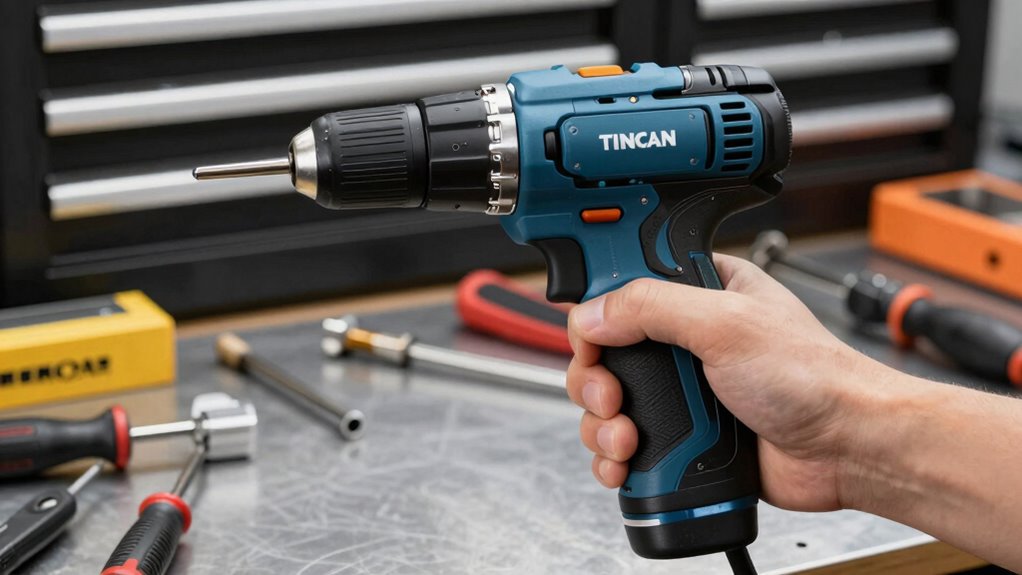
Choosing between brushless and brushed tools depends on your specific needs and how you’ll use them. If you prioritize longer runtime and durability, a brushless tool often excels, especially in demanding tasks. Consider battery compatibility—brushless tools typically require compatible batteries, so check your existing power system. For extended use, ergonomic design is essential; brushless models generally offer better balance and reduced vibration, reducing fatigue. If your projects involve frequent, heavy-duty work, a brushless tool’s efficiency and power make it a smart choice. Conversely, for light or occasional tasks, brushed tools might suffice, especially if budget is a concern. Additionally, local craftsmanship and cultural preferences can influence the choice of tools based on traditional practices or regional standards. Recognizing innovations in power tool technology can help you make better-informed decisions. Ultimately, assess your workload, battery system, and comfort preferences to determine whether a brushless or brushed tool fits your use case best.
When Is It Time to Upgrade to a Brushless Tool? Tips to Help You Decide

If your current tools are no longer meeting your needs, or if you notice decreased performance, it’s probably time to contemplate upgrading to a brushless model. You should consider switching when your tools struggle with battery compatibility or become uncomfortable to use. Brushless tools typically offer better ergonomics, reducing fatigue on long projects. Look for signs like reduced runtime, slower operation, or inconsistent power, which indicate it’s time to upgrade. Additionally, pay attention to motor technology innovations that enhance durability and efficiency over traditional brushed motors.
Frequently Asked Questions
Can Brushless Tools Be Used With Existing Batteries?
Yes, brushless tools can often be used with existing batteries, but you need to verify battery compatibility first. Many brands design tools and batteries to be compatible within their line, so your current batteries might work if they match the voltage and connector type. Also, confirm charger compatibility, because using the wrong charger can damage batteries or reduce their lifespan. Always verify these factors before swapping batteries or chargers.
Do All Brands Offer Interchangeable Brushless Tool Features?
Not all brands offer interchangeable brushless tool features. You’ll find that brand consistency and feature compatibility vary; some brands design their tools to work seamlessly within their ecosystem, while others don’t. To guarantee you can swap parts or use the same batteries, stick with a brand that emphasizes compatibility across its lineup. That way, you avoid frustrations and get the most out of your investment in brushless tools.
Are There Safety Concerns Specific to Brushless Tools?
You should be aware that brushless tools can pose safety concerns, especially regarding electrical hazards and thermal management. They generate less heat but still carry risks of electrical shocks if damaged or mishandled. Always wear proper safety gear, keep tools well-maintained, and follow manufacturer instructions. Regularly inspect for exposed wiring or overheating to prevent accidents, and make certain proper ventilation to manage heat buildup effectively.
How Does Maintenance Differ Between Brushed and Brushless Tools?
You’ll find that maintenance for brushless tools is simpler and less costly because they have fewer worn parts like brushes. This means they require less frequent maintenance, saving you time and money. Their brushless longevity guarantees they stay efficient longer, reducing replacement costs over time. Overall, investing in brushless tools can lower your maintenance costs and keep your projects running smoothly with less upkeep.
Will Switching to Brushless Tools Increase My Project Speed?
Switching to brushless tools is like upgrading to a sports car—they can boost your project speed markedly. Thanks to their higher motor efficiency, they deliver more power with less energy waste, making each task quicker. Plus, their enhanced tool longevity means fewer breaks for maintenance, keeping you moving smoothly. You’ll find yourself completing projects faster and with less downtime, turning your workday into a well-oiled machine.
Conclusion
Ultimately, choosing between brushless and brushed tools is like steering a winding road—knowing when to accelerate with efficiency or take a cautious turn. Brushless tools, with their silent strength and lasting endurance, can transform your work into a symphony of precision. But sometimes, the simpler, brushed option is all you need to keep your project moving. Trust your instincts, weigh the terrain, and pick the tool that keeps your craftsmanship flourishing like a well-tended garden.
Fall Picks
fall essentials
As an affiliate, we earn on qualifying purchases.