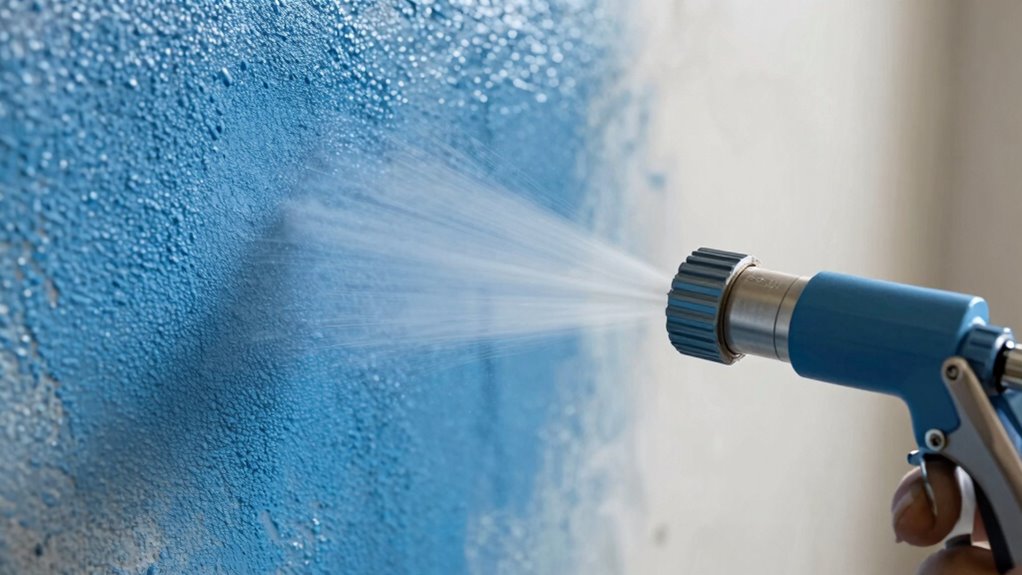
To avoid runs and overspray with your airless sprayer, choose the correct tip size for your project—smaller tips for detail work and larger ones for broad coverage. Maintain consistent spray distance, typically around 12-18 inches, and adjust pressure gradually for a smooth finish. Proper masking and controlling your spray pattern help prevent excess paint. Keep your equipment clean and in good shape. Continuing to learn tips and techniques will help you achieve professional results every time.

Turn the school run and nap time into listening time
- Thousands of audiobooks, podcasts and originals
- Listen on your phone, tablet or Echo — also offline
- Cancel anytime
Key Takeaways
- Choose the appropriate tip size based on paint thickness and desired spray pattern to prevent runs and overspray.
- Maintain a consistent spray distance of 12-18 inches to ensure even coverage and reduce paint buildup.
- Adjust pressure settings gradually, starting low and increasing as needed to avoid excessive overspray and runs.
- Properly mask surfaces and use drop cloths to minimize overspray and protect areas from unintended paint.
- Regularly clean and inspect tips and filters to prevent clogs, uneven spray, and paint runs during application.
As an affiliate, we earn on qualifying purchases.
How Do Airless Paint Sprayers Work?
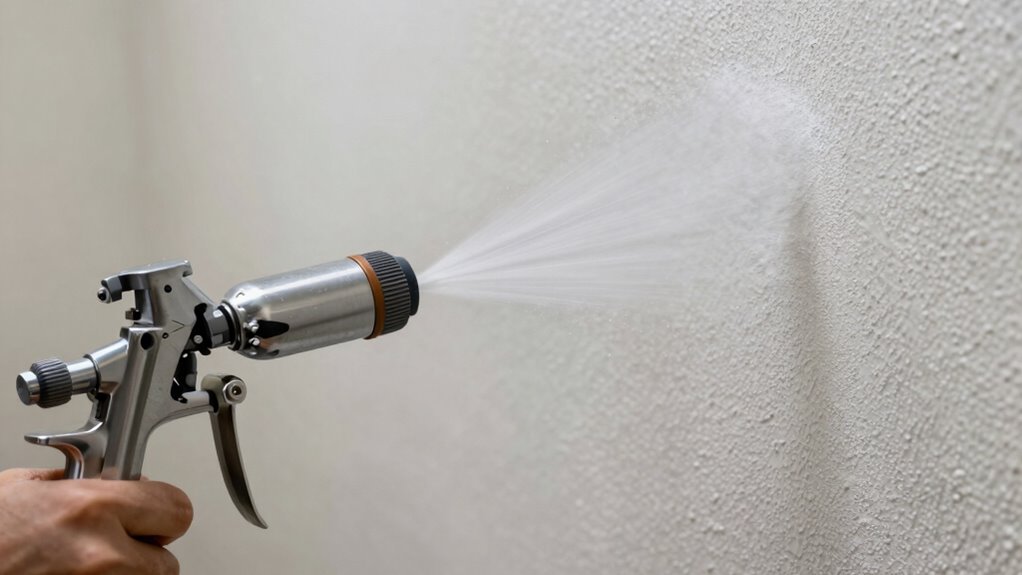
Airless paint sprayers work by forcing paint through a high-pressure nozzle, eliminating the need for a traditional paintbrush or roller. The sprayer mechanism uses a pump to generate pressure, pushing paint at speeds that create a fine, even spray. Fluid dynamics play a vital role here, as the high pressure causes the liquid to accelerate through the nozzle, breaking into small droplets. This process ensures a smooth, consistent coating over large surfaces. The pressure level can typically be adjusted to suit different projects and paint types. As you operate the sprayer, you’ll notice how the fluid’s behavior under pressure creates an efficient, uniform spray pattern. Understanding this mechanism helps you control overspray and achieve professional results with less effort. Additionally, modern energy-efficient designs help reduce power consumption while maintaining optimal performance. Mastering pressure regulation is crucial for preventing issues like runs and overspray, allowing for a more controlled application. A thorough understanding of fluid flow principles can further improve your spraying technique and results.
professional airless paint sprayer
As an affiliate, we earn on qualifying purchases.
As an affiliate, we earn on qualifying purchases.
Choose the Right Tips for Your Airless Sprayer

Choosing the right tip for your airless sprayer is essential to achieving a smooth, professional finish. Your tip selection directly affects the spray pattern, which determines how evenly the paint covers the surface. Smaller tips produce a finer spray ideal for detail work or thinner paints, while larger tips handle heavier coatings or larger areas efficiently. Consider the size of your project and the type of finish you want to achieve. A wider spray pattern covers more area quickly but may sacrifice some detail, whereas a narrower pattern offers precision. Matching your tip size to your project ensures ideal atomization and minimizes overspray. Always choose a tip that fits your sprayer and suits your specific task to get the best results. Color accuracy impacts the overall quality of the paint application, ensuring consistent color and finish. Additionally, understanding atomization helps in selecting the appropriate tip to prevent issues like runs or uneven coverage. Being aware of overspray can help you fine-tune your technique for cleaner results.
As an affiliate, we earn on qualifying purchases.
Learn How to Set Up and Install Tips Properly
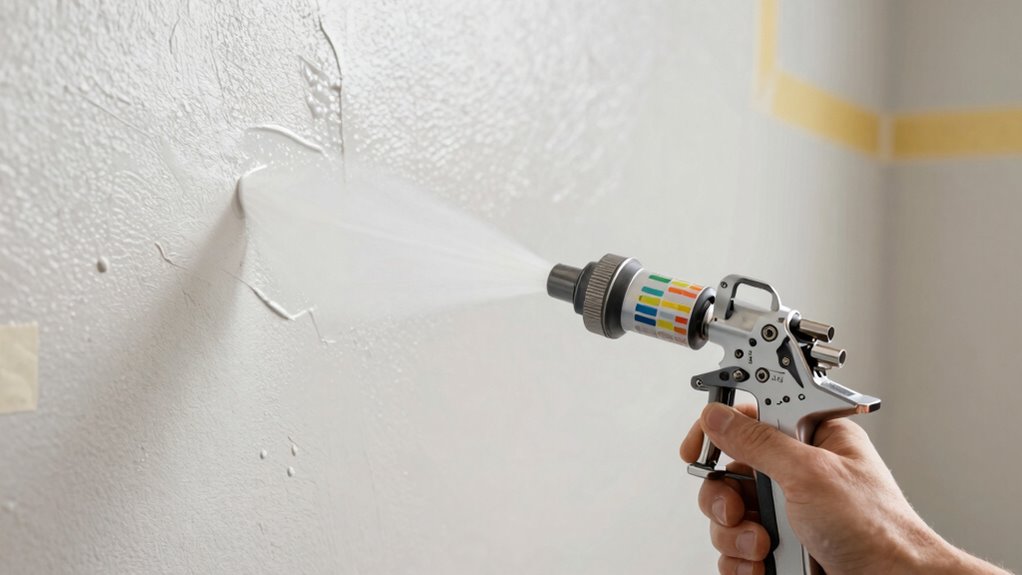
Properly setting up and installing your spray tips guarantees you get the best spray pattern and finish. Start by selecting the correct tip for your project and ensuring it’s clean. During tip installation, carefully insert the spray tip into the gun, making sure it’s seated securely and aligned properly. Tighten it snugly without over-tightening, which can damage threads. Regular spray tip maintenance is essential; inspect for clogs, wear, or damage before use, and clean tips after each job. Proper tip installation not only ensures even spray coverage but also extends the life of your tips. Always follow the manufacturer’s instructions for installation and maintenance to prevent leaks, uneven spray, or runs. This attention to detail improves your results and prolongs your equipment’s lifespan. Additionally, understanding connected equipment and proper maintenance routines can help optimize your spray system performance. Using high-quality airless paint sprayer components can also contribute to more consistent results and reduce the risk of overspray or runs. Ensuring all parts are correctly assembled and properly maintained is crucial for avoiding issues like overspray and runs. Incorporating load calculations and understanding your system’s capabilities can further help prevent problems during spraying.
airless sprayer pressure regulator
As an affiliate, we earn on qualifying purchases.
As an affiliate, we earn on qualifying purchases.
Manage Overspray to Protect Your Environment
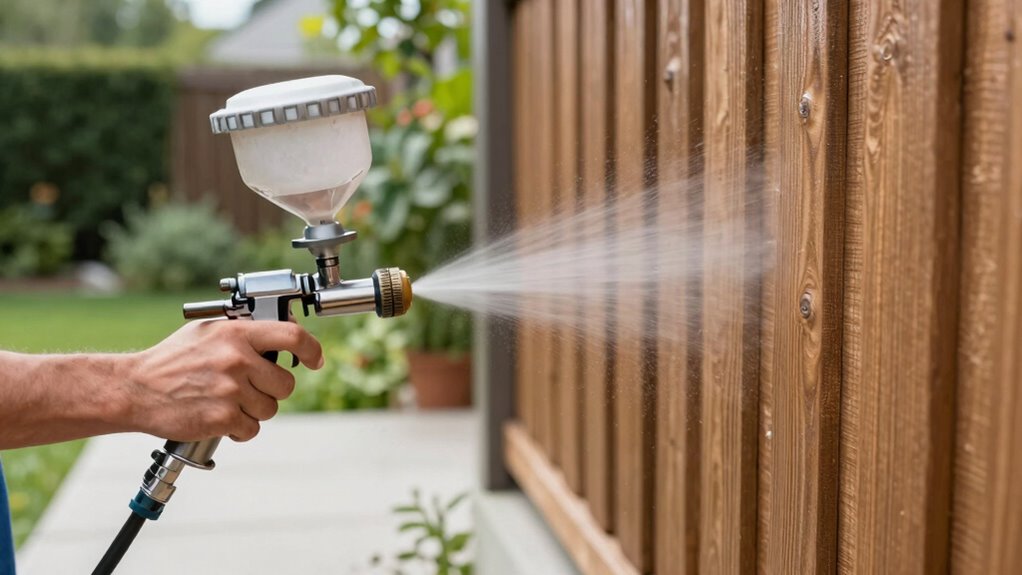
Manage overspray to protect your environment. To keep overspray under control, you need to use proper masking around the work area. Controlling your spray distance also helps prevent paint from spreading where it shouldn’t. These steps safeguard your environment and ensure a cleaner, safer painting process. Additionally, selecting the right air purifier can help improve air quality by removing paint fumes and airborne particles during and after your project. Incorporating ventilation considerations such as proper exhaust fans can significantly reduce lingering fumes and overspray dispersal. Ensuring proper safety procedures and equipment maintenance further minimizes environmental impact and enhances worker safety during painting projects. Incorporating sound therapy techniques, such as rhythmic auditory stimulation, can further enhance the effectiveness of your work environment by promoting better focus and reducing stress during painting sessions. Being aware of air quality management practices can help create a healthier workspace and reduce long-term health risks associated with paint fumes.
Use Proper Masking
Effective masking is essential for controlling overspray and safeguarding your surrounding environment. Proper surface preparation and masking techniques help guarantee paint stays where it should. Start by cleaning surfaces thoroughly to remove dust and grease. Use painter’s tape and drop cloths to cover adjacent areas, edges, and fixtures. Secure masking materials tightly to prevent paint bleed. Here’s a quick guide:
| Masking Technique | Purpose |
|---|---|
| Taping edges | Precise lines and protection |
| Covering floors & furniture | Prevent overspray damage |
| Using masking paper or plastic | Larger surface coverage |
| Sealing tape edges | Avoid paint seepage |
| Inspecting for gaps | Ensuring complete coverage |
Additionally, choosing the right masking materials can significantly improve overspray control and reduce the need for touch-ups later. Using high-quality masking supplies can also make the process more efficient and effective. Proper masking not only improves the finish but also minimizes paint wastage, making your project more economical. Incorporating proper masking techniques can further enhance your results and save time during cleanup. When selecting masking products, consider the specific paint type to ensure compatibility and optimal adhesion.
Control Spray Distance
Controlling your spray distance is essential for minimizing overspray and protecting your surroundings. Maintaining the right spray distance ensures the paint is applied evenly and reduces excess spray that can drift onto unintended surfaces. Typically, keeping the nozzle about 12 to 18 inches from the surface offers ideal control. Too close, and you risk uneven coverage and runs; too far, and overspray increases. Use nozzle control to adjust your distance as needed, especially when working around edges or delicate areas. Practice consistent spray distance throughout your project to improve finish quality and avoid messes. Remember, proper nozzle control and maintaining an appropriate spray distance are key to efficient, clean painting with minimal environmental impact. Understanding the “why” behind your techniques can help you achieve better results and develop confidence in your painting skills. Additionally, selecting a security system with features like motion detection can help monitor your work area for added safety. Being aware of field recording techniques can also inform your approach to capturing images or sounds during your work, ensuring clarity and precision. Knowing how to manage overspray effectively can further enhance your control and reduce cleanup time. Incorporating knowledge of hydrotherapy techniques can also assist in relaxing muscles after long hours of painting, promoting better focus and comfort during your projects.
Adjust Pressure Settings for a Smooth Finish

To achieve a smooth finish, you need to refine your spray pattern and adjust the pressure gradually. Start with a lower setting and increase it slowly until the spray is even and consistent. This approach helps prevent drips and ensures a professional-looking result.
Fine-Tune Spray Pattern
Adjusting the pressure settings on your airless paint sprayer is essential for achieving a smooth, even finish. To fine-tune your spray pattern, focus on making precise tip adjustments. A consistent spray pattern ensures even coverage and helps prevent drips or uneven coats. Start by lowering or increasing the pressure slightly, then observe how the spray pattern responds. If the spray becomes too wide or uneven, modify the tip or pressure accordingly. Proper tip adjustment allows you to control the width and shape of your spray, giving you better control over your application. Keep testing and adjusting until you achieve a uniform, cone-shaped pattern with minimal overspray. Fine-tuning the spray pattern ultimately results in a professional-looking finish with fewer runs and touch-ups.
Adjust Pressure Gradually
Since sudden pressure changes can cause uneven sprays or drips, it’s vital to adjust the pressure gradually when working with your airless paint sprayer. Proper pressure calibration ensures you maintain consistent flow, helping achieve a smooth, even spray pattern. Start by slowly increasing or decreasing the pressure in small increments, observing how the spray responds. This prevents overspray or runs caused by abrupt changes. Regularly check your pressure settings during use, especially when switching between different surfaces or paint viscosities. A steady, calibrated pressure helps you maintain control and produce a professional finish. Remember, patience during pressure adjustment is key to avoiding imperfections and ensuring a flawless, smooth coat.
Get Even Coverage and Texture Every Time
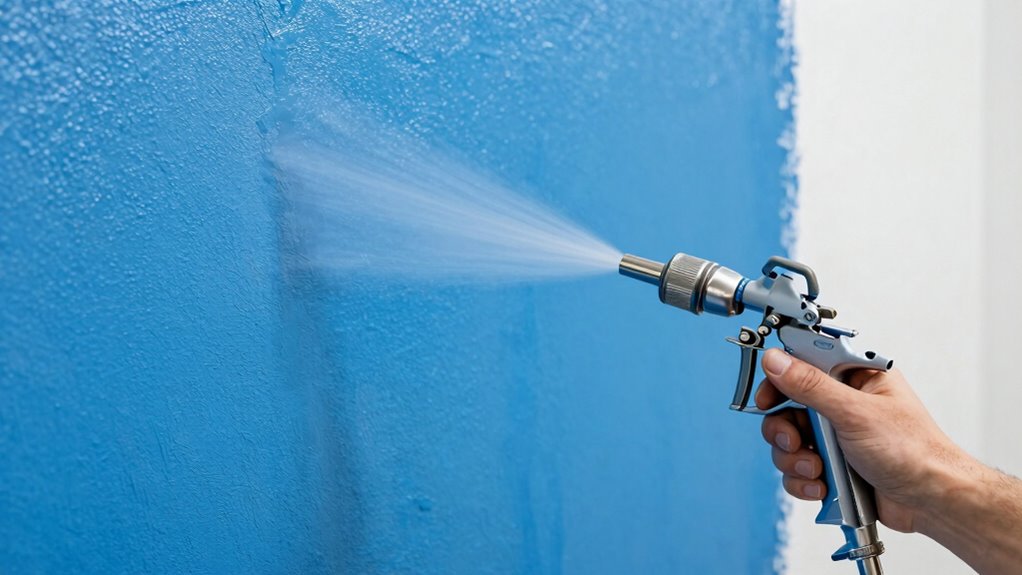
Airless paint sprayers are designed to deliver consistent, even coverage with minimal effort. To achieve spray consistency, maintain a steady speed and keep the sprayer at a uniform distance from the surface. This prevents uneven textures and blotchy spots. For texture control, adjust your spray pattern and overlap strokes evenly, ensuring the paint is applied smoothly. Keep your pressure settings steady to avoid fluctuations that can cause uneven coverage. Practice on scrap surfaces to fine-tune your technique before working on your project. Consistent movement and proper equipment adjustments are key to getting a professional-looking finish. With attention to your spray pattern and pressure, you’ll enjoy even coverage and a uniform texture every time, making your painting project look polished and flawless.
Avoid Common Mistakes When Using Your Sprayer
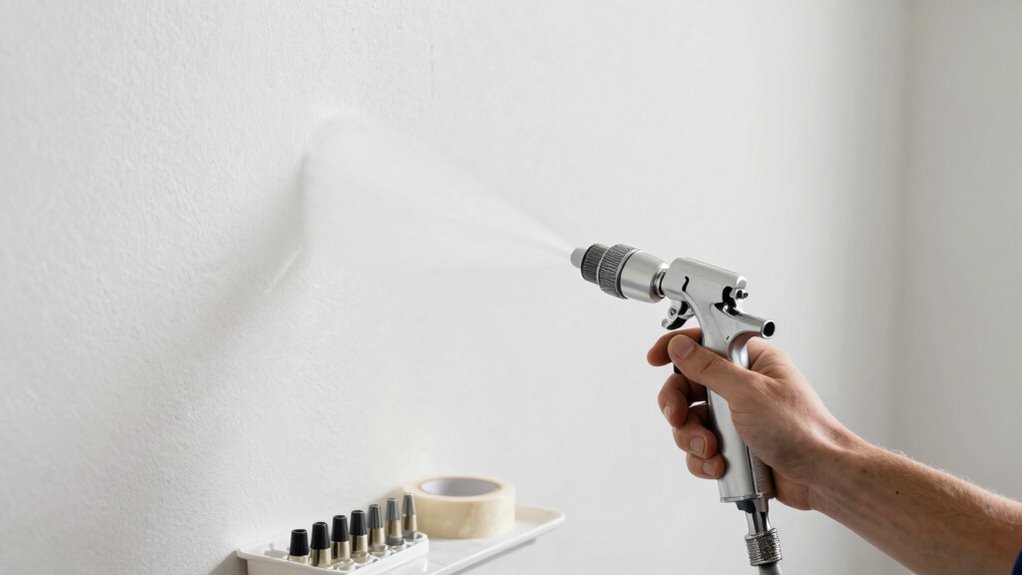
To achieve the best results with your sprayer, it’s crucial to recognize and avoid common mistakes that can lead to uneven coverage or a messy finish. First, always prioritize proper safety by wearing protective gear and working in well-ventilated areas. Be cautious of overspray and mist, which can create a mess and waste material. Follow correct cleaning protocols after each use to prevent clogging and ensure the sprayer functions smoothly. Rushing through the process or using incorrect tip sizes can result in runs or uneven coats. Take your time to adjust your spray distance and pressure for consistent application. By staying mindful of these pitfalls and maintaining proper safety and cleaning routines, you’ll achieve a professional-looking finish every time.
Maintain Your Airless Sprayer for Longevity
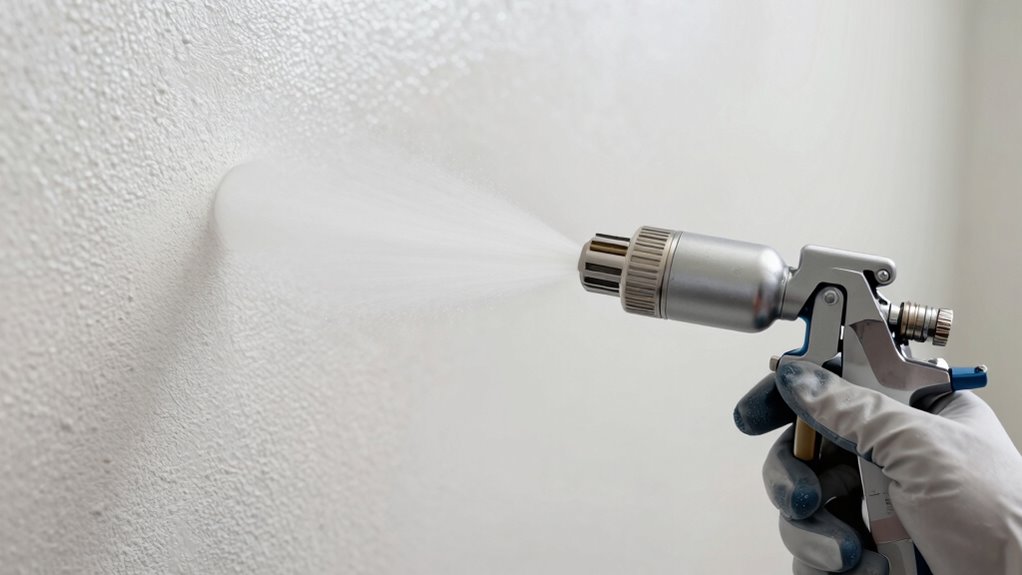
Regular maintenance is key to keeping your airless sprayer in ideal condition and extending its lifespan. Consistent maintenance routines prevent clogs and ensure smooth operation. To stay on top of upkeep, regularly check and clean your spray parts. When necessary, perform part replacement to avoid wear-related issues. Here are some essential tips:
- Clean the spray gun after each use
- Flush the system with solvent to clear residual paint
- Inspect and replace worn seals and filters
- Lubricate moving parts regularly
- Store the sprayer properly in a dry, covered area
Following these steps helps you avoid costly repairs and keeps your sprayer performing at its best. Proper part replacement and routine cleaning are simple yet effective ways to prolong your equipment’s lifespan.
Troubleshoot and Fix Typical Spray Problems
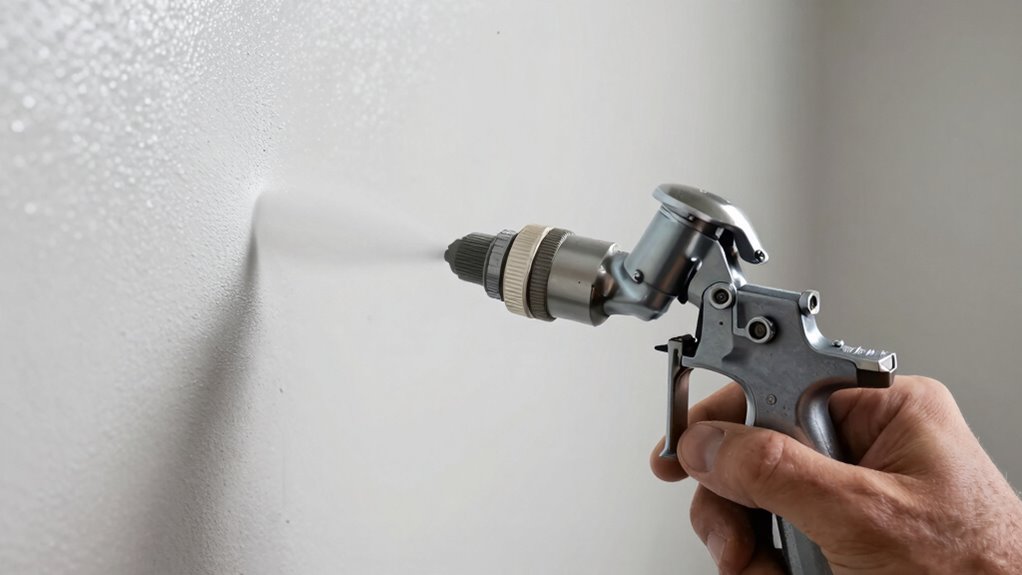
Even with proper maintenance, spray problems can still occur, disrupting your project and causing frustration. If you notice uneven paint coverage or splattering, check the paint consistency first—thick paint can cause nozzle clogging and uneven spray. Thin the paint if needed and stir thoroughly. For persistent issues, inspect the nozzle for clogging; clean it with a suitable brush or solvent to restore proper flow. Also, verify that your pressure settings are correct for your paint type. If overspray or runs happen, adjust the spray distance or tip size accordingly. Regularly cleaning the nozzle and maintaining the equipment help prevent these problems. Addressing paint consistency and nozzle clogging promptly keeps your project on track and ensures a smooth, professional finish.
Frequently Asked Questions
What Are the Best Safety Precautions When Using an Airless Sprayer?
When using an airless sprayer, you should always wear protective gear like masks, goggles, and gloves to shield yourself from fumes and overspray. Guarantee good ventilation by working outdoors or in well-ventilated areas to avoid inhaling hazardous fumes. Follow best practices by reading the manufacturer’s safety instructions carefully, checking equipment for leaks, and keeping the work area clear of obstructions. Safety first keeps your project smooth and safe.
How Do I Clean and Store My Airless Paint Sprayer Properly?
You might think cleaning and storing your airless paint sprayer is a hassle, but it’s essential for longevity. Start with thorough cleaning procedures—flush out paint with the right solvent, clean filters, and remove residual paint. Then, follow storage tips like draining excess paint, lubricating moving parts, and storing in a dry, safe place. Doing this keeps your sprayer in top condition, ready for your next project.
Can I Use Different Paint Types With the Same Sprayer Tips?
You can use different paint types with the same sprayer tips if you consider paint compatibility and tip material. Confirm the tip material is compatible with the paint you’re using—some materials resist certain chemicals better. Check the manufacturer’s guidelines for specific paint compatibility. Clean the tips thoroughly between uses to prevent cross-contamination, and switch tips if needed for different paint viscosities or finishes to achieve the best results.
How Does Humidity Affect Spray Quality and Overspray?
Humidity impact can considerably affect your spray quality. High humidity levels can cause the paint to dry slowly, leading to uneven spray consistency and increased overspray. Conversely, low humidity can cause the paint to dry too quickly, resulting in runs or clogs. To maintain ideal spray quality, monitor humidity levels, and adjust your technique or equipment settings accordingly. Ensuring proper ventilation and using compatible paints can also help manage humidity effects effectively.
What Are Signs That My Sprayer Needs Professional Servicing?
Think of your sprayer like a finely tuned orchestra—when it’s out of sync, problems arise. Signs you need professional servicing include inconsistent spray patterns, noticeable nozzle wear, or difficulty maintaining proper spray pressure. If you notice these issues, it’s time for a pro to check your sprayer calibration and inspect for nozzle wear. Addressing these early helps prevent costly repairs and guarantees your paint job stays flawless.
Conclusion
Mastering your airless paint sprayer is like wielding a paintbrush from the Renaissance—precision and care make all the difference. By choosing the right tips, managing overspray, and maintaining your equipment, you’ll achieve flawless finishes every time. Remember, patience and practice are your best allies—think of it as tending a garden in a Victorian greenhouse, where every detail counts. With these tips, you’ll craft professional results that stand the test of time, just like a timeless masterpiece.
Halloween Picks
halloween
As an affiliate, we earn on qualifying purchases.