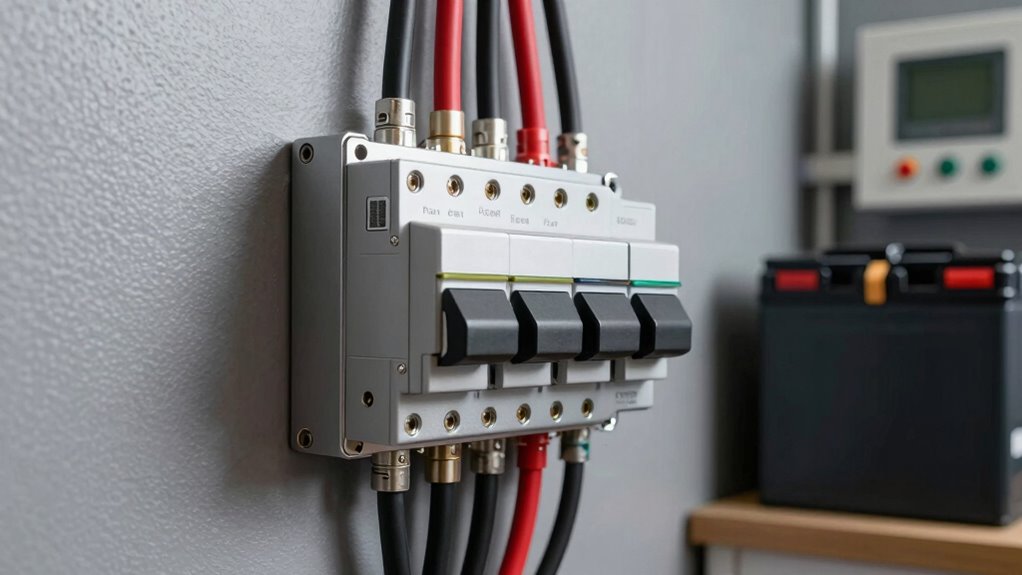

When installing a transfer switch kit, you need to plan carefully to guarantee safety, code compliance, and reliable power during outages. It’s more than just plugging in the device — proper wiring, grounding, and circuit labeling are essential to prevent shocks, fires, or damage. Skipping steps or rushing the process can lead to hazards or costly mistakes. Keep in mind, understanding the full setup helps protect your home and loved ones—exploring further can help you make informed decisions.

Turn the school run and nap time into listening time
- Thousands of audiobooks, podcasts and originals
- Listen on your phone, tablet or Echo — also offline
- Cancel anytime
Key Takeaways
- Proper transfer switch installation requires careful planning to ensure safety, compliance, and reliable backup power operation.
- Incorrect setup can cause electrical hazards, damage to appliances, or back-feeding into the grid.
- Selecting the right size and wiring the switch properly are essential steps often underestimated by buyers.
- Adhering to local electrical codes and safety standards prevents violations and safety risks.
- Consulting licensed professionals ensures correct installation, safety, and system longevity.
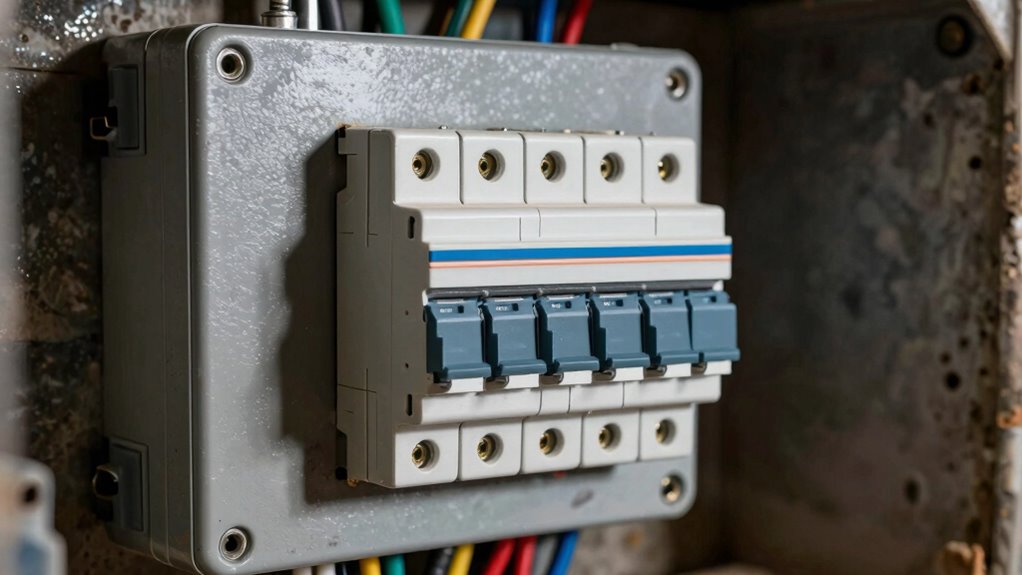
When you want a reliable way to switch your power source during an outage, transfer switch kits are essential. They provide a seamless changeover from the utility grid to your backup power system, ensuring you stay powered without risking damage or safety hazards. However, installing a transfer switch isn’t just a plug-and-play task. It requires careful planning, understanding of generator safety, and adherence to installation guidelines. Many homeowners underestimate the complexity involved, assuming a simple setup will suffice. But rushing the process can compromise safety and the longevity of your generator system. Proper installation procedures are critical to ensure everything functions correctly and safely.
Generator safety is critical when working with transfer switch kits. Incorrect installation or improper handling can lead to electrical shocks, fires, or damage to your appliances. It’s important to follow manufacturer instructions and local electrical codes. If you’re not confident in your electrical skills, hiring a licensed electrician is strongly recommended. They know the safety standards and will ensure the transfer switch is properly grounded and connected. This not only protects your equipment but also prevents dangerous back-feeding into the grid, which can harm utility workers or neighbors. Remember, safety isn’t something to cut corners on—especially when dealing with high-voltage systems. Proper electrical wiring is essential to prevent hazards and ensure reliable operation. Additionally, understanding electrical codes helps prevent violations and unsafe setups.
Prioritize safety by following manufacturer instructions, hiring licensed electricians, and preventing harmful back-feed risks.
Installing a transfer switch involves more than just mounting the device; you need to carefully follow installation guidelines to guarantee everything functions correctly. This includes selecting the right switch size for your generator, properly wiring it to your electrical panel, and ensuring that the switch isolates your home from the grid during power transfer. The guidelines also specify the placement of the switch—preferably in a dry, accessible location—and how to properly label circuits for easy switching during an outage. Additionally, understanding the local electrical codes can prevent costly violations or unsafe setups. Overlooking these steps could result in malfunction or unsafe operation, which defeats the purpose of having a backup power system in the first place. Proper preparation and adherence to safety standards are fundamental for a successful installation.
Ultimately, investing in a transfer switch kit requires more planning than many buyers expect. It’s a critical safety device, and its proper installation is essential not just for your convenience but for everyone’s safety. While the initial setup might seem straightforward, falling short on safety protocols or installation guidelines can lead to costly damage or dangerous situations. Educate yourself thoroughly, follow all instructions, and when in doubt, consult professionals. Your backup power system is an invaluable asset—treat its installation with the respect and attention it deserves to keep your home safe and powered when it counts.
transfer switch kit for generator
As an affiliate, we earn on qualifying purchases.
As an affiliate, we earn on qualifying purchases.
Frequently Asked Questions
How Long Does It Take to Install a Transfer Switch Kit?
Installing a transfer switch kit usually takes between 2 to 8 hours, depending on your generator capacity and wiring complexity. If your system has a higher capacity or complex wiring, it may take longer. You’ll need to guarantee proper connections and safety measures. Taking your time ensures a safe, reliable setup, but consulting a professional can help speed up the process and avoid mistakes, especially with complex or large systems.
Can Transfer Switch Kits Be Used for All Types of Generators?
You can’t use transfer switch kits for all generator types, as generator compatibility varies. Imagine connecting a sleek, modern generator only to find it doesn’t match your transfer switch’s power source options. To avoid this, check your generator’s specifications first. Many transfer switch kits work well with standard home generators, but always verify compatibility to guarantee safe, reliable backup power without surprises during an outage.
What Maintenance Is Required for Transfer Switch Kits?
You need to perform regular maintenance on transfer switch kits, following specific schedules to guarantee reliability. This includes inspecting for corrosion, tightening connections, and testing functionality periodically. Keep troubleshooting procedures handy to address any issues promptly, like abnormal noises or failure to switch. Routine maintenance helps prevent unexpected failures during outages and extends the lifespan of your transfer switch kit. Always follow the manufacturer’s guidelines for peak performance.
Are Transfer Switch Kits Compatible With Smart Home Systems?
Transfer switch kits generally aren’t compatible with smart home systems out of the box, so you’ll face compatibility concerns. You can picture your smart home seamlessly managing backup power, but without specific integration features, it’s unlikely. To bridge this gap, you might need additional automation devices or smart modules. Always check the manufacturer’s details to verify your transfer switch kit can work harmoniously with your existing smart home setup.
What Safety Precautions Should I Consider During Installation?
During installation, prioritize electrical safety by turning off the main power supply before starting. Follow proper installation procedures, including reading manufacturer instructions carefully and using the correct tools. Wear insulated gloves and safety goggles to protect yourself from electrical shocks. Confirm all connections are secure and properly grounded. If unsure, consult a licensed electrician. Taking these precautions helps prevent accidents and ensures your transfer switch kit operates safely and effectively.
home backup power transfer switch
As an affiliate, we earn on qualifying purchases.
As an affiliate, we earn on qualifying purchases.
Conclusion
Remember, investing in a transfer switch kit isn’t just about buying the right equipment—it’s about planning for reliable backup power. Did you know that nearly 80% of power outages last more than a few hours? Properly installed, a transfer switch ensures your home stays powered during emergencies, saving you time and money. Don’t underestimate the importance of careful planning; it’s the key to truly dependable backup power when you need it most.
electrical transfer switch installation kit
As an affiliate, we earn on qualifying purchases.
As an affiliate, we earn on qualifying purchases.
generator transfer switch wiring
As an affiliate, we earn on qualifying purchases.
As an affiliate, we earn on qualifying purchases.
Cold & flu season Picks
humidifiers
As an affiliate, we earn on qualifying purchases.