
To achieve clean cuts with a plasma cutter, guarantee your pilot arc stays stable by maintaining proper air supply and pressure. Use high-quality filters to remove moisture and oil from the air and adjust compressor settings for consistent airflow. Selecting the right power and amperage based on material thickness also helps. Keeping everything well-maintained and understanding these key factors will improve your cutting results—stay tuned to learn more about optimizing your plasma cutter’s performance.

Turn the school run and nap time into listening time
- Thousands of audiobooks, podcasts and originals
- Listen on your phone, tablet or Echo — also offline
- Cancel anytime
Key Takeaways
- Pilot arc technology stabilizes the electrical arc, enabling cleaner, more precise cuts on thick or tricky materials.
- Maintaining proper air quality and pressure ensures consistent airflow, reducing impurities and promoting smooth cuts.
- Using clean, dry compressed air and high-quality filters prevents contamination and slag formation, improving cut quality.
- Correct torch height and optimal power settings are essential for achieving smooth, accurate cuts with minimal material waste.
- Regular inspection and replacement of consumables, along with proper maintenance, sustain cut quality and extend equipment lifespan.
As an affiliate, we earn on qualifying purchases.
What Is a Plasma Cutter and How Does It Work?
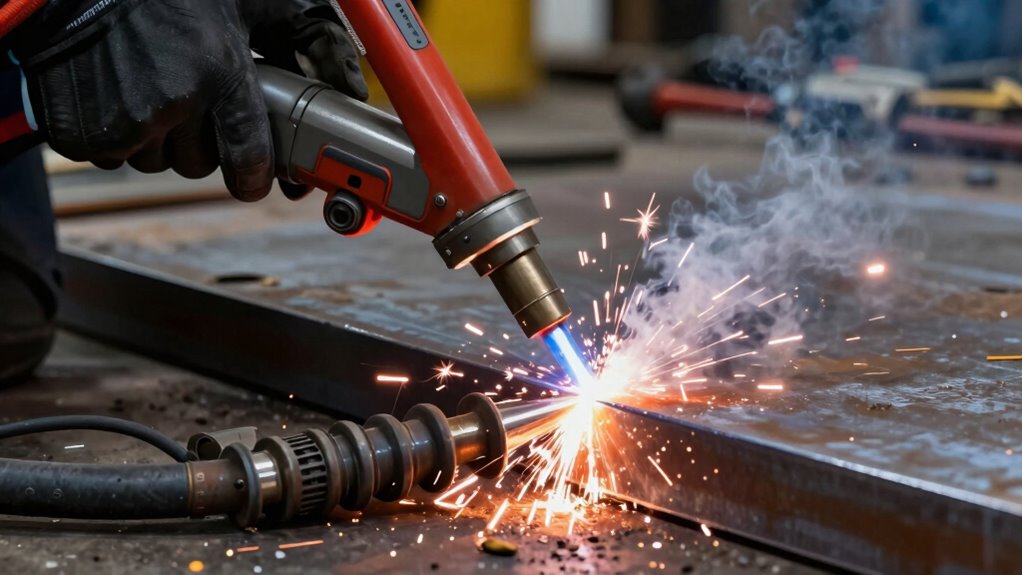
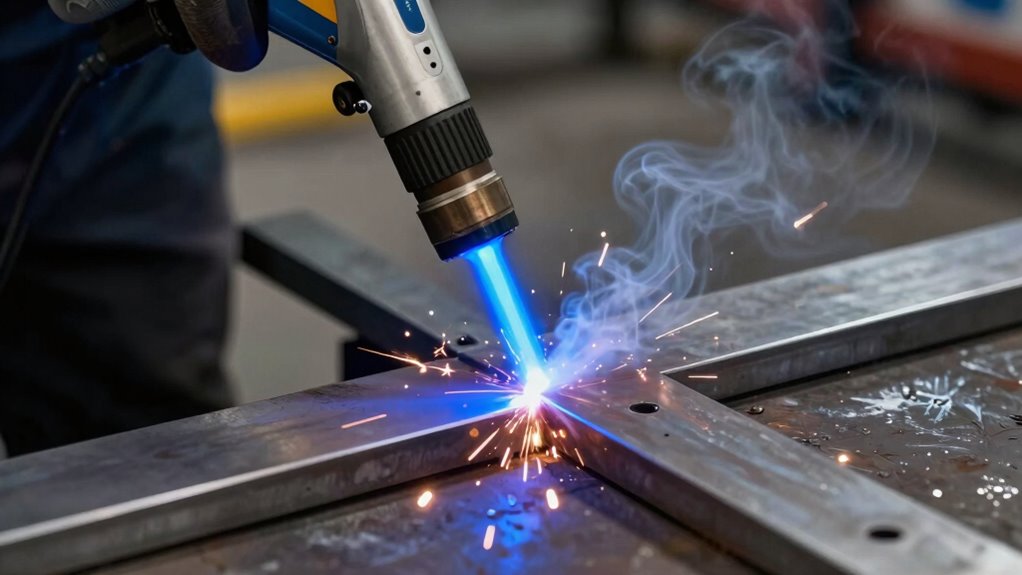
Have you ever wondered how a plasma cutter slices through thick metal so cleanly and quickly? It all comes down to plasma technology, which uses an ionized, high-temperature jet of plasma to melt and blow away metal. The device creates an electrical arc that passes through compressed air or gas, turning it into plasma—an extremely hot and focused stream. This concentrated energy allows for exceptional cutting precision, making intricate shapes and straight lines easier to achieve. As you activate the cutter, the plasma jet is directed at the workpiece, melting through metal with minimal effort. Thanks to advanced technology, you can cut thicker materials faster and more accurately than with traditional methods, giving you superb control and high-quality results every time. Additionally, the pilot arc feature enables the plasma to stay energized even when not in contact with the workpiece, which improves ease of use and reduces tip wear. Modern plasma cutters also incorporate energy efficiency features that help reduce power consumption and operational costs, aligning with sustainable practices. Incorporating smart control systems can further optimize performance and safety during operation. Moreover, understanding the air requirements is essential for maintaining consistent and high-quality cuts, as insufficient or contaminated air can compromise the plasma stream’s effectiveness. Proper maintenance of air filters and regular checks can ensure optimal air quality, which is crucial for achieving clean cuts and prolonging tool life.
As an affiliate, we earn on qualifying purchases.
How Pilot Arc Technology Ensures Cleaner, Precise Cuts
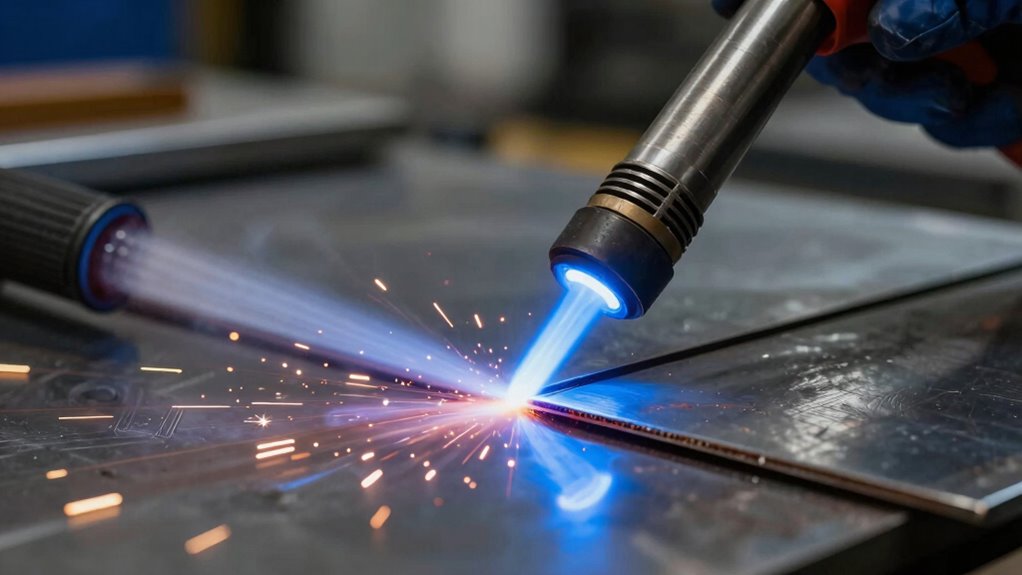
Pilot arc technology provides a stable arc, so your cuts stay smooth and consistent. This stability helps you make cleaner cuts with less effort, even on tricky or thick materials. As a result, you’ll reduce material waste and improve your overall precision. Additionally, understanding the air requirements for plasma cutters can optimize performance and ensure safer operation. Using the correct oil for airless spray guns can also help maintain the compressor and ensure consistent airflow, which is crucial for optimal plasma cutting. Proper maintenance of the compressor and keeping an eye on air quality standards can prevent issues that affect cutting quality. Being aware of air filtration methods can further enhance the longevity of your equipment and improve cut quality. Maintaining air pressure consistency is essential to achieve the best results and avoid damaging your equipment over time.
Consistent Arc Stability
Consistent arc stability is essential for achieving clean and precise cuts with plasma cutters, and this is where pilot arc technology truly makes a difference. When your torch design promotes steady arc control, you experience fewer disruptions and smoother cuts. This stability allows you to cut thicker or uneven materials without losing accuracy. Imagine a table where each row represents a key feature:
| Feature | Effect | Benefit |
|---|---|---|
| Advanced torch design | Maintains stable arc | Consistent cuts |
| Pilot arc initiation | Reduces arc flickering | Precise control |
| Power regulation | Keeps arc steady under load | Cleaner, less jagged edges |
| Electrode placement | Optimized for stability | Enhanced cut quality |
| Material contact | Minimal interference | Fewer imperfections |
This setup ensures your arc remains stable, making your cuts cleaner and more reliable. Ensuring proper air requirements is also crucial for maintaining consistent arc stability and achieving high-quality cuts. Additionally, understanding air pressure needs helps optimize the plasma cutting process for different materials and thicknesses.
Reduced Material Waste
Because pilot arc technology creates a stable and focused electrical arc, it enables you to make cleaner, more controlled cuts. This precision reduces material waste by minimizing errors and rework, ensuring you use only what’s necessary. With improved cutting accuracy, you can achieve cleaner edges and tighter tolerances, which cuts down on scrap and excess material. The consistent arc stability allows you to cut more intricate shapes without damaging surrounding areas, further enhancing material efficiency. By delivering precise cuts, pilot arc technology helps you save on costs, reduce waste, and improve overall productivity. This not only benefits your bottom line but also promotes sustainable practices by optimizing material use and minimizing unnecessary disposal. Additionally, the technology’s ability to maintain an arc during piercing enhances overall cut quality, leading to better results with less material loss. Furthermore, the air requirements for pilot arc cutters are optimized to support stable operation, ensuring consistent performance across various thicknesses and materials. Proper air flow and pressure are critical for maintaining the arc stability, which further improves cutting precision and efficiency. Maintaining appropriate air pressure ensures the arc remains stable and reduces the likelihood of issues such as dross or incomplete cuts. Adequate air flow also helps remove slag and debris from the cutting area, maintaining a clean cut and preventing damage to the material.
compressed air dryer for plasma cutting
As an affiliate, we earn on qualifying purchases.
As an affiliate, we earn on qualifying purchases.
How to Manage Air Supply for the Best Plasma Cut Quality
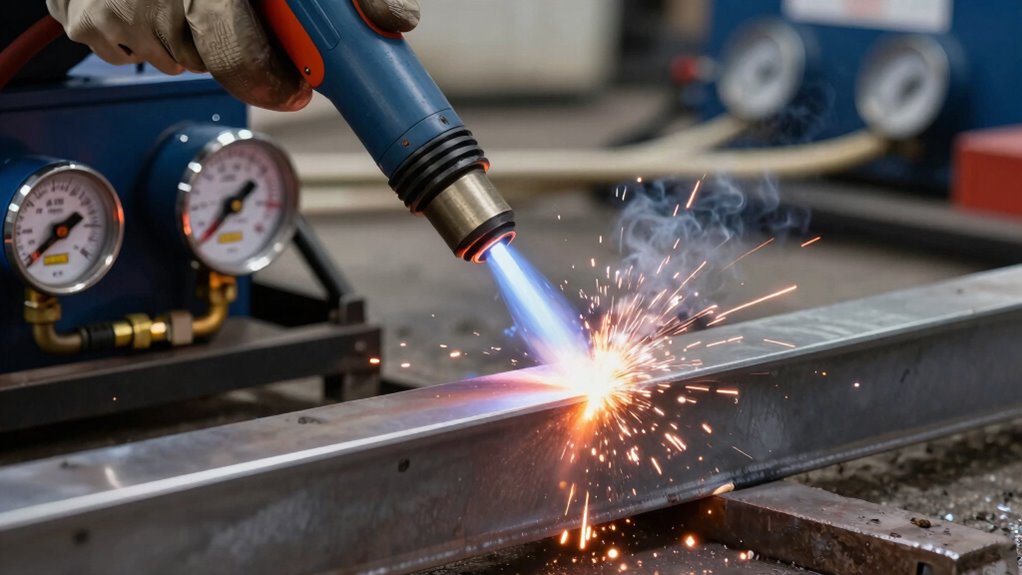
To achieve excellent plasma cut quality, managing your air supply is essential. Start by ensuring proper air filtration; clean, dry air prevents contaminants from causing imperfections in your cuts. Use a high-quality filter system to remove moisture and oil, which can affect cut precision. Additionally, monitor compressor noise levels—excessive noise often indicates issues with airflow or internal compressor parts, which can impact consistency. Maintain proper pressure settings; too high or too low can lead to uneven edges or poor cut quality. Regularly inspect and replace filters and hoses to keep airflow steady. Proper airflow management is also crucial for consistent cut results. By controlling air quality and flow, you reduce the risk of impurities and inconsistent cuts, resulting in cleaner, more precise results every time. Ensuring optimal air pressure helps prevent fluctuations that can compromise cut accuracy. Paying attention to air quality ensures your plasma cutter operates at optimal performance, minimizing downtime and rework. Additionally, understanding the air requirements of your specific plasma cutter model can optimize overall efficiency and lifespan. Properly maintaining your compressor and related components also helps sustain consistent airflow, leading to better cutting performance.
plasma cutter consumables replacement
As an affiliate, we earn on qualifying purchases.
As an affiliate, we earn on qualifying purchases.
How to Choose the Right Power and Amp Settings for Your Projects
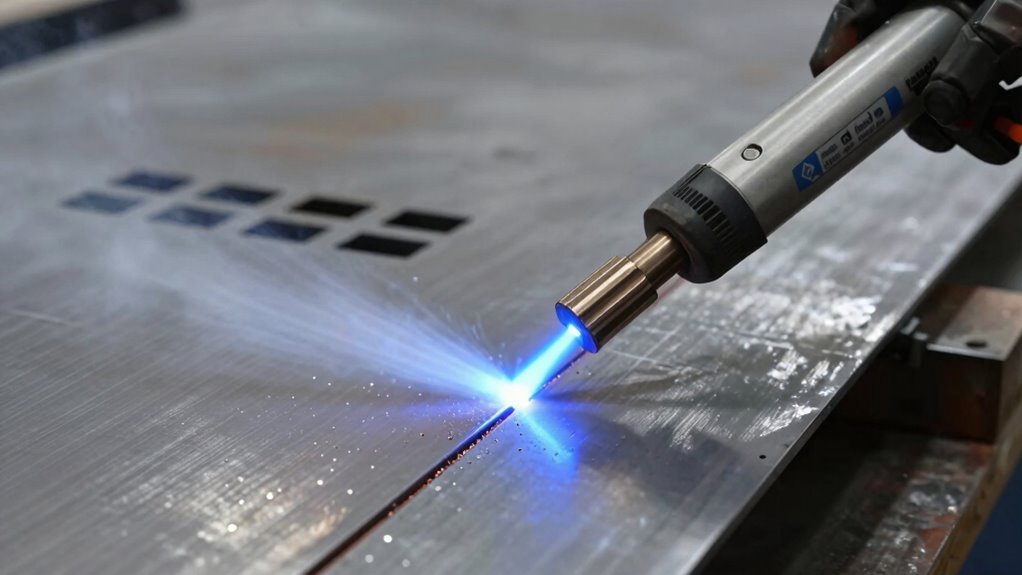
Choosing the right power and amp settings is essential for achieving clean, precise cuts tailored to your specific projects. Your power settings should match the material thickness you’re working with; thicker materials require higher amps, while thinner sheets need lower settings. Start by consulting your plasma cutter’s guidelines to determine ideal power levels for different thicknesses. Using too much power can cause excessive heat, warping, or rough edges, while too little may result in incomplete cuts. Adjust the amperage gradually to find the balance that provides smooth, clean cuts without damaging your material. Remember, the goal is to match your power settings to the material’s thickness, ensuring efficiency and quality for every project. Proper power management is crucial for maintaining the longevity of your equipment and achieving optimal results. Additionally, understanding the thermal behavior of your materials can help prevent warping and improve cut quality. Being aware of the air requirements for your cutter ensures proper operation and cut consistency across different projects.
How to Get Clean, Smooth Cuts Every Time
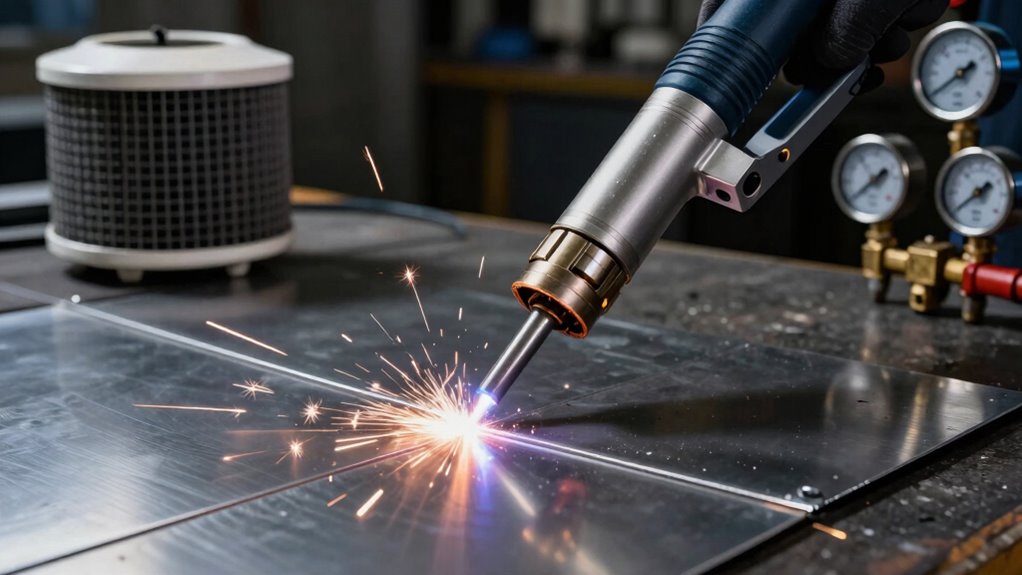
Getting clean, smooth cuts with your plasma cutter depends on a combination of proper technique and the right equipment settings. To improve cut quality, verify your torch is at the correct height above the material—too high or low can cause rough edges. Maintain steady, consistent movement along the cut line to prevent jagged edges and uneven surfaces. Air filtration plays a critical role; clean, dry air reduces contamination and prevents slag buildup, resulting in cleaner cuts. Always use a quality air filtration system to remove moisture and debris from your compressed air supply. Properly set your pressure and amperage according to material thickness, and double-check your consumables for wear. These steps help achieve smooth, precise cuts every time, elevating your craftsmanship.
Troubleshooting Air Supply and Pilot Arc Problems

When your plasma cutter isn’t producing consistent cuts or the pilot arc fails to ignite, issues with the air supply or the arc itself are often to blame. Check your air filter; a clogged filter restricts airflow, causing instability. Ensure your compressor pressure is within the recommended range—too low won’t sustain the arc, too high can damage components. Here’s a quick visual:
| Air Quality & Pressure | Effect on Pilot Arc |
|---|---|
| Dirty air filter | Reduced airflow, unstable arc |
| Low compressor pressure | Weak or intermittent pilot arc |
| Excessive pressure | Damage to internal parts |
| Proper filter & pressure | Stable, clean cuts |
Regularly maintain your air filter and monitor compressor pressure for reliable performance.
Which Type of Plasma Cutter Is Best for Your Needs?
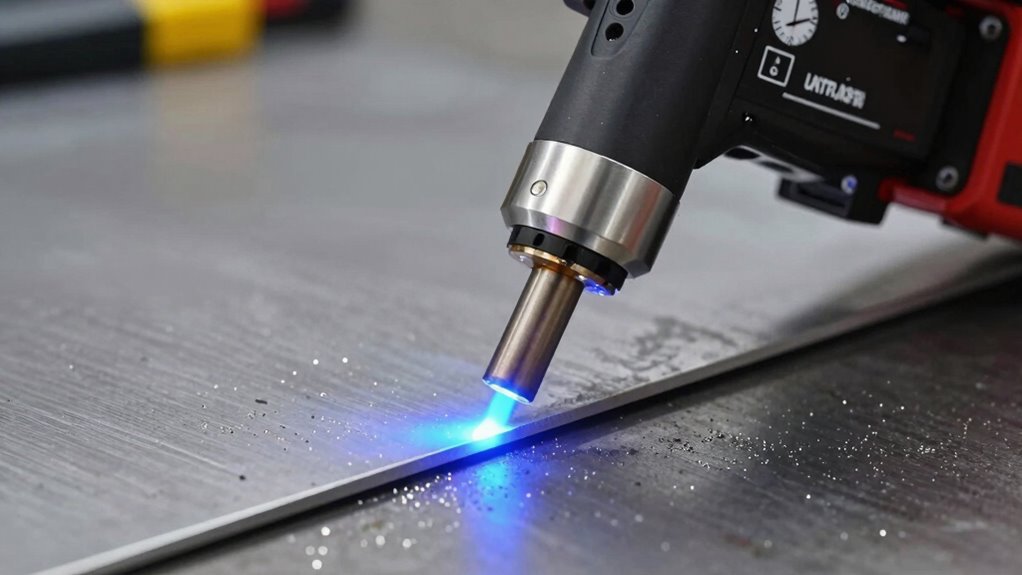
Selecting the right plasma cutter depends on your specific cutting needs and project scale. If you require precise, clean cuts on thin metals, a handheld or lighter-duty cutter may suffice. For thicker materials or industrial applications, a high-amperage, mechanized plasma cutter is better. Consider electrode wear, as frequent replacement impacts operating costs and downtime. Different plasma gases, like compressed air or nitrogen, influence cut quality and speed; choose based on material type and desired finish. If you need portability, a compact unit with lower power output works well. For continuous, heavy-duty use, a robust, multi-phase system is essential. Evaluating these factors helps you select a plasma cutter aligned with your projects, balancing power, cost, and maintenance needs.
Safety Tips and Best Practices for Using Plasma Cutters
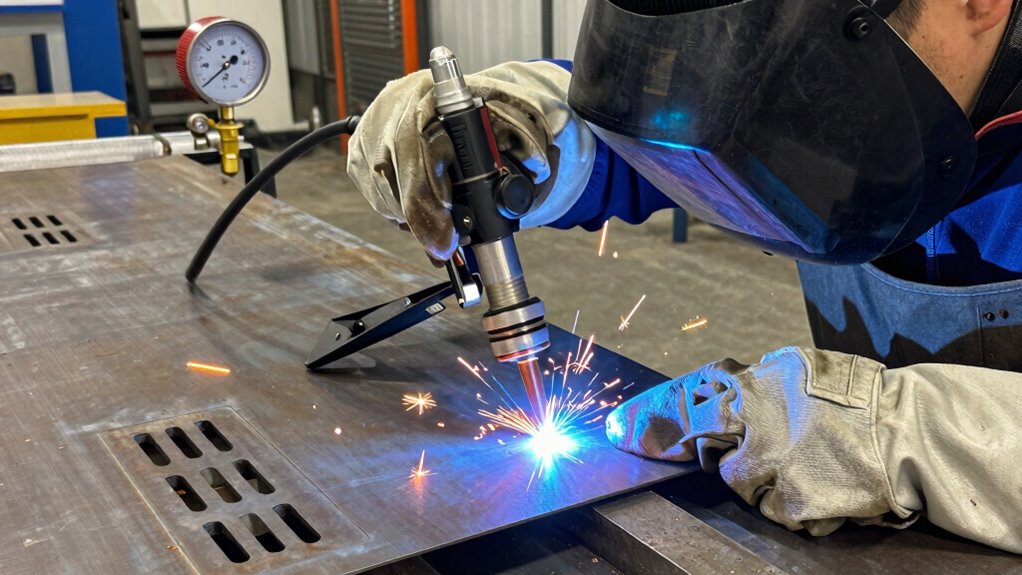
Using a plasma cutter safely is vital to prevent injuries and guarantee ideal performance. Always wear appropriate personal protective equipment, including gloves, safety glasses, and a welding helmet, to shield yourself from sparks, intense light, and hot metal. Confirm proper ventilation to avoid inhaling harmful fumes. Practicing good electrical safety is imperative—inspect cords and connections for damage, keep the work area dry, and avoid contact with live electrical parts. Keep a fire extinguisher nearby, and stay aware of your surroundings. Never operate the cutter without proper training or outside the manufacturer’s guidelines. Following these safety tips helps prevent accidents and prolongs your equipment’s lifespan, guaranteeing safe and efficient cutting every time.
Maintenance Tips to Keep Your Plasma Cutter Running Smoothly
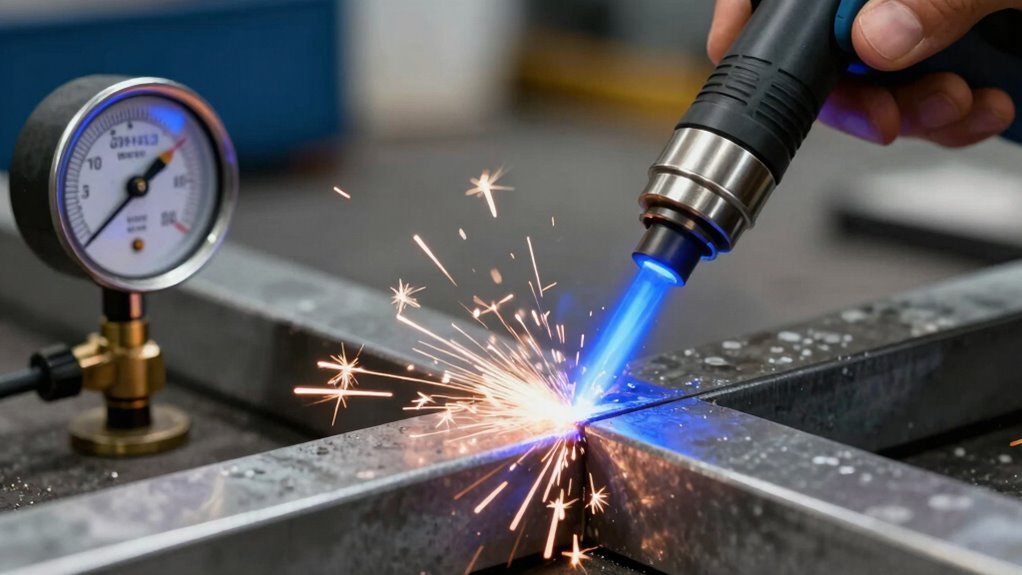
Keeping your plasma cutter in top shape starts with proper tip cleaning techniques to prevent build-up and guarantee clean cuts. You should regularly inspect and replace consumables to avoid downtime and maintain performance. Taking these simple steps will help your machine run smoothly and last longer.
Proper Tip Cleaning Techniques
Ever wondered why your plasma cutter’s performance drops over time? It’s often due to dirty or clogged tips. Proper tip cleaning techniques keep your cuts clean and your equipment in top shape. Start with regular nozzle inspection—look for burn marks, dirt, or damage. Use a wire brush or tip cleaner to remove built-up debris, ensuring no residue remains. Be gentle but thorough—avoiding damage to the nozzle or tip. Always check for proper alignment after cleaning. Keeping your tips clean reduces the risk of poor cuts and prolongs their lifespan. Remember, consistent tip cleaning and inspection are essential for peak performance and safety.
| Tip Cleaning Step | Why It Matters |
|---|---|
| Remove debris | Ensures clean cuts |
| Inspect nozzle | Detects damage early |
| Use proper tools | Prevents tip damage |
| Check alignment | Maintains accuracy |
| Regular schedule | Keeps cutter performing well |
Inspect and Replace Consumables
Regularly inspecting and replacing your plasma cutter’s consumables helps prevent poor cuts and equipment damage. Over time, electrode wear reduces the quality of your cuts and can lead to increased consumable lifespan if addressed early. Keep an eye on the condition of the torch tip and electrode—worn parts can cause misfires or poor arc stability.
To maximize lifespan and performance, consider these tips:
- Replace consumables promptly when signs of wear appear
- Check for and remove any debris or buildup
- Use compatible consumables to ensure proper fit and function
Frequently Asked Questions
What Are the Common Signs of a Failing Pilot Arc System?
If you notice pilot arc issues, like inconsistent or weak arcs, it’s a sign of a failing pilot arc system. You might experience difficulty maintaining arc stability, leading to rough cuts or the arc extinguishing unexpectedly. Other signs include erratic arc behavior, difficulty striking an arc, or frequent torch restart needs. Addressing these issues early helps prevent more significant problems and keeps your cutter functioning smoothly.
How Does Ambient Temperature Affect Plasma Cutter Performance?
Imagine working outdoors on a hot day; ambient temperature rises, and you notice your plasma cutter struggles to maintain consistent cuts. Higher ambient temperatures can reduce coolant efficiency, causing components to overheat and performance to decline. Conversely, cold temperatures might make the plasma arc less stable. Ensuring proper cooling and operating within recommended ambient temperature ranges helps maintain peak performance and prolongs your cutter’s lifespan.
Can Plasma Cutters Cut Through Rusty or Painted Surfaces Effectively?
Yes, you can cut through rusty or painted surfaces effectively with a plasma cutter. The key is proper surface preparation, like rust removal and removing paint, to guarantee a clean cut. Rust and paint can interfere with the arc, so cleaning the surface improves performance and cut quality. Take time to prepare the surface, and you’ll find that plasma cutting remains efficient even on less-than-ideal materials.
What Accessories Enhance the Quality of Plasma Cutting Results?
Ever wonder how to get the best cuts? Using a high-quality cutting torch with adjustable settings can make a big difference. Accessories like shielding gases help protect your cut from contamination, resulting in cleaner, more precise edges. Consider upgrading your torch or adding a nozzle kit to improve stability. These enhancements guarantee smoother cuts, reduce slag, and give you professional results every time. Are you ready to elevate your plasma cutting game?
How Long Can a Plasma Cutter Operate Continuously Without Overheating?
You can operate a plasma cutter continuously based on its duty cycle, which typically ranges from 20% to 60%. For example, a 50% duty cycle means you should run it for 5 minutes and then let it cool for 5 minutes. A good cooling system helps prolong this time, preventing overheating. Always check your cutter’s specifications to ensure safe and efficient operation without damaging the equipment.
Conclusion
By mastering air supply, pilot arc settings, and proper maintenance, you’ll achieve clean, precise cuts every time. Imagine working on a DIY project, where your plasma cutter effortlessly slices through metal with minimal effort and maximum accuracy. Staying vigilant about safety and troubleshooting guarantees your tool remains reliable. With these tips, you’ll turn complex tasks into simple, satisfying results, transforming your workshop into a hub of professional-quality craftsmanship.
Halloween Picks
halloween
As an affiliate, we earn on qualifying purchases.