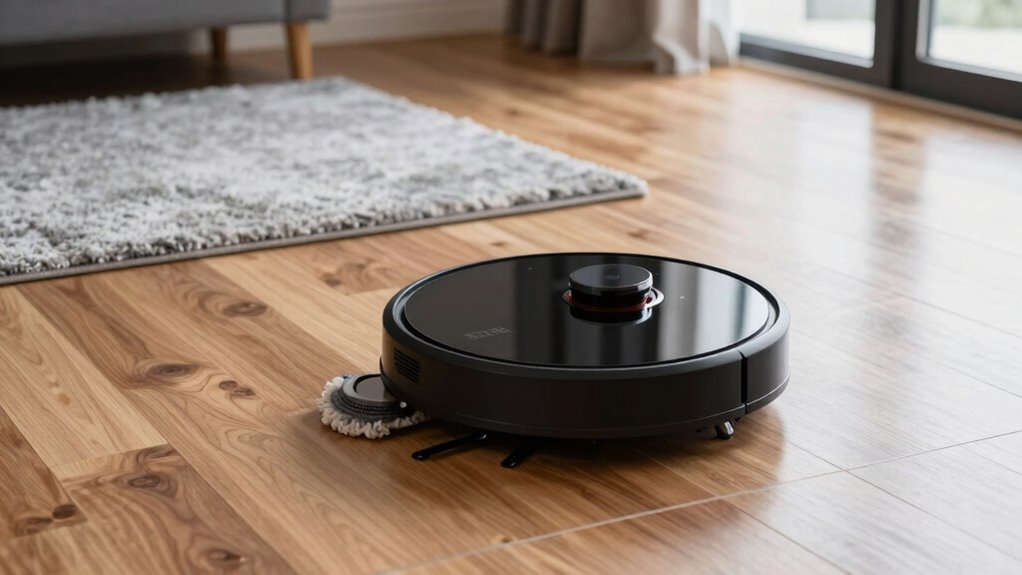
Robot vacuum and mop combos work best on hard, flat surfaces like hardwood, tile, and vinyl, where they can easily pick up dirt and debris. They often struggle with thick carpets, textured floors, and high-pile rugs, which can block brushes and prevent proper cleaning. Sealed floors respond better than unsealed ones, and uneven or textured surfaces can cause missed spots. Stay with us to discover how to optimize your cleaning for every floor type.
Key Takeaways
- Ideal for hard, flat surfaces like hardwood, tile, and vinyl floors, providing effective cleaning and mopping.
- Less effective on thick or high-pile carpets, which can hinder maneuverability and leave debris behind.
- Perform well on sealed floors but may struggle with unsealed, porous, or uneven surfaces.
- Can handle surface debris and pet hair on hard floors but may miss dirt in textured or deeply embedded areas.
- Adjusting suction, water flow, and cleaning modes optimizes performance across different floor types.

Tapo LiDAR Smart Navigation Robot Vacuum and Mop with Self-Emptying Dock, 5300Pa Max, 97%+ Dust Pickup Rate, Customizable Cleaning, Self-Charging, Compatible with Alexa & Google Home, RV30 Max Plus
𝗘𝗳𝗳𝗶𝗰𝗶𝗲𝗻𝘁𝗹𝘆 𝗖𝗹𝗲𝗮𝗻𝘀 𝗬𝗼𝘂𝗿 𝗛𝗼𝗺𝗲: Effectively removes dust, pet hair, crumbs, and debris from all hardwood flooring surfaces and...
As an affiliate, we earn on qualifying purchases.
What Are Robot Vacuum and Mop Combos, and How Do They Work?
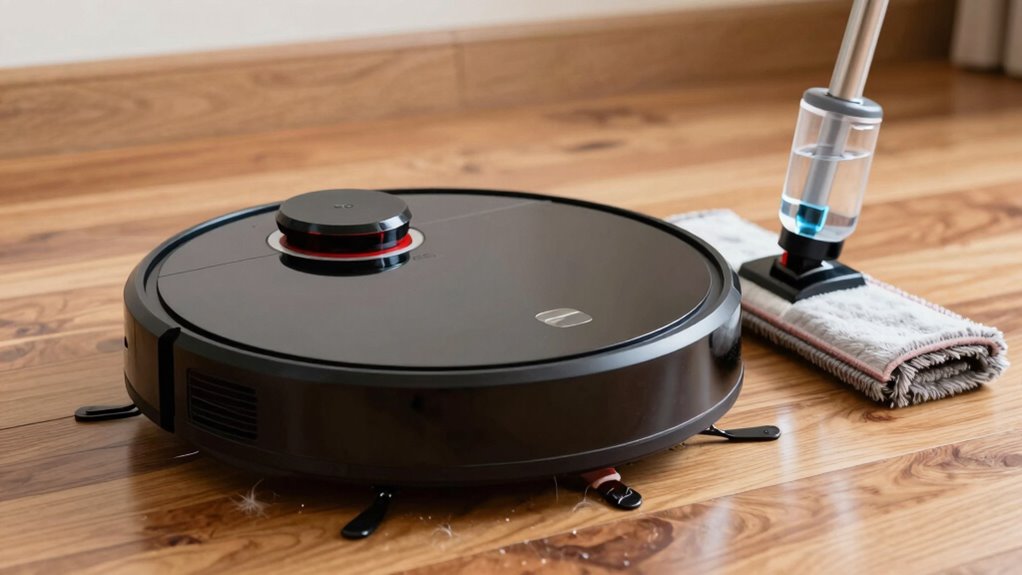
Robot vacuum and mop combos are innovative household devices designed to clean floors more efficiently by combining multiple functions into one unit. These devices use smart cleaning technology to navigate your home, adjusting their cleaning patterns based on the environment. To keep them performing well, you’ll need to perform regular robot vacuum maintenance, such as emptying the dustbin and cleaning brushes. The mopping feature adds an extra level of cleanliness, with some models offering water tank adjustments for different floor types. These combos switch seamlessly between vacuuming and mopping modes, often with the push of a button or scheduled routines. By integrating these functions, they save you time and effort, making daily cleaning more streamlined without sacrificing thoroughness. The effectiveness of these devices can also be influenced by the contrast ratio, which affects how well they can navigate and detect obstacles in various lighting conditions. Additionally, sensor technology plays a crucial role in their ability to avoid obstacles and adapt to different surfaces. Regular updates to software algorithms enhance their navigation and obstacle avoidance capabilities, ensuring optimal performance over time. Moreover, energy efficiency is an important factor that impacts their overall operation and sustainability, reducing energy consumption during cleaning cycles. Incorporating mapping technology further improves their ability to clean efficiently across different floor types.

Kewbily Robot Vacuum Cleaner with Self-Emptying Base – 9000Pa Suction, 85 Days of Dust Storage, Wi-Fi/App/Alexa Control – Ideal for Hard Floors, Low Carpets, and Pet Hair
[High-Capacity Self-Emptying Base]: The Kewbily D60+ comes with a large 3.2L self-emptying base, capable of storing up to...
As an affiliate, we earn on qualifying purchases.
Which Floor Types Are Best Suited for Robot Vacuums and Mops?
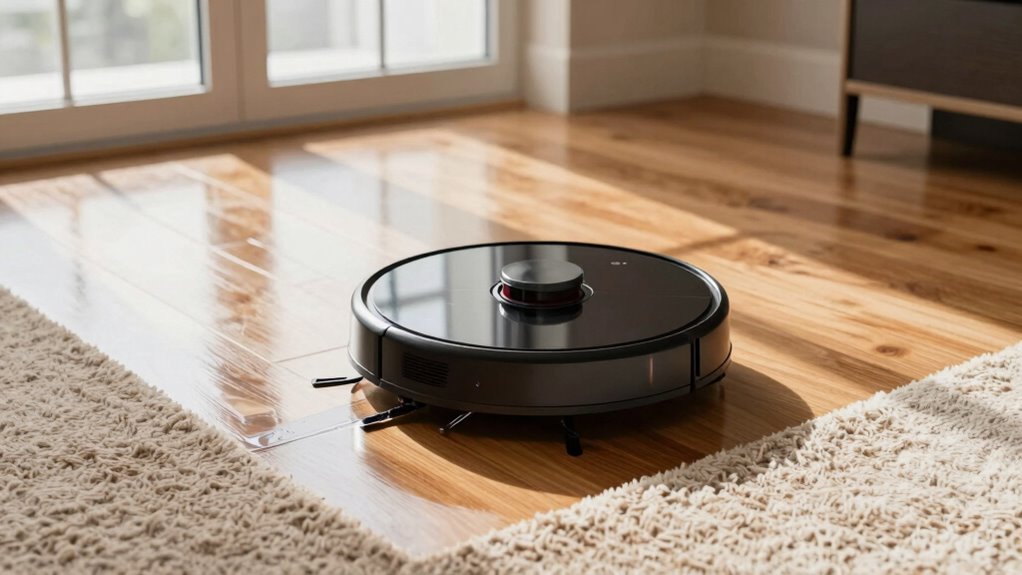
Robot vacuum and mop combos work best on hard, flat surfaces like hardwood, tile, and vinyl floors, where their sensors and brushes can move freely without getting caught or trapping debris. These floors allow the robot to efficiently pick up dust, dirt, and robot pet hair, especially if you have pets that shed frequently. Smooth surfaces also help maintain optimal battery life, as the robot doesn’t need to exert extra effort steering through uneven terrain. However, for best results, choose a model with strong suction and good brush design to handle pet hair effectively. Keep in mind that thick carpets or high-pile rugs can hinder performance and reduce battery life, making these floor types less ideal for robot vacuums and mops.

Shark UR2500SR AI Ultra Robot Vacuum, with Ultra Clean, Home Mapping, 30-Day Capacity Bagless Self Empty Base, Perfect for Pet Hair, WiFi, Compatible with Alexa, Black/Silver (Renewed)
INCREDIBLE SUCTION: Powerful Shark suction picks up dirt and debris on all floor types—tackling even the toughest of...
As an affiliate, we earn on qualifying purchases.
How Do Robot Vacuums and Mops Handle Hard Floors Like Tile and Hardwood?

Robot vacuums and mops are designed to clean hard floors like tile and hardwood effectively. They handle surface debris and stubborn dirt with specialized brushes and mopping features. Still, understanding their cleaning power can help you choose the right model for your floors. Incorporating connected equipment can further enhance your cleaning routine by providing real-time monitoring and customized cleaning schedules. Proper maintenance and understanding of floor type compatibility can also extend the lifespan and efficiency of your device. Additionally, being aware of cleaning surface limitations ensures you select a device suited for your specific flooring needs. Recognizing the essential oils for hardwood can also help maintain your floors’ appearance and health over time. Being aware of floor surface materials can guide you in selecting the most suitable cleaning methods for your particular floors.
Cleaning Effectiveness on Surfaces
When it comes to cleaning hard floors like tile and hardwood, these combos are generally quite effective, but their performance can vary based on the model and surface type. They excel at picking up dust, dirt, and robot pet hair, especially with powerful suction and good brush design. Mopping functions help remove stubborn stains and sticky spots, leaving floors looking fresh. However, noise levels can be a concern, especially during longer cleaning sessions or with louder models, which might disturb your household. While most robot vacuum + mop combos handle hard surfaces well, some struggle with fine debris or textured tiles, reducing cleaning efficiency. Additionally, the effectiveness of these devices can be influenced by surface texture, which affects how well the brushes and mop can contact and clean the floor. It’s also worth considering how cleaning modes adapt to different floor types for optimal results. Overall, they’re a solid choice for maintaining hard floors, but choosing a quieter model with strong suction and effective brushes will maximize their cleaning effectiveness.
Handling of Hard Floor Debris
Handling hard floor debris effectively depends on the vacuum’s suction power and brush design. Strong suction helps remove dust accumulation and pet hair without leaving residues. Brushes with rubber or multi-surface design prevent hair tangling and improve pet hair removal. Incorporating natural filtration systems can also enhance cleanliness and reduce chemical residues on floors.
| Feature | Benefit |
|---|---|
| High suction power | Efficiently cleans dust and pet hair |
| Flexible brushes | Adapt to tile, hardwood, and uneven surfaces |
| Easy-to-clean parts | Maintain performance and reduce clogging |

Shark Matrix Plus 2-in-1 Robot Vacuum & Sonic Mop, Home Mapping, HEPA Bagless Self Empty Base with 30-Day Capacity, CleanEdge, for Pet Hair, WiFi, UR2650WS (Renewed)
INCREDIBLE SUCTION AND SONIC MOPPING: First, it’s an ultra-powerful whole home vacuum on carpets and floors that empties...
As an affiliate, we earn on qualifying purchases.
Are Robot Combos Effective on Low-Pile Carpets and Rugs?
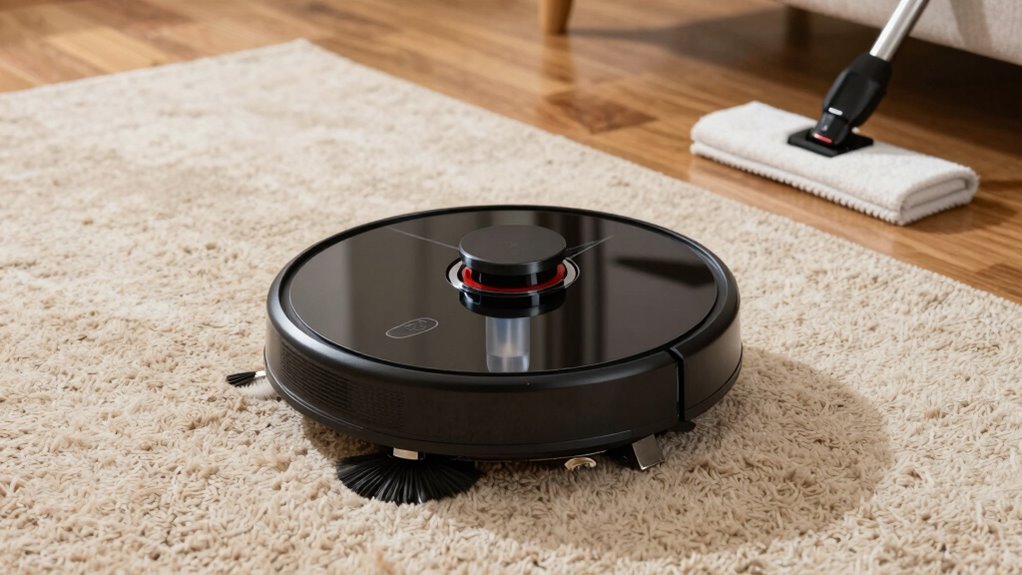
Robot combo vacuums can handle low-pile carpets and rugs, but their effectiveness varies. You might notice they don’t always pick up every speck of dirt or pet hair. Keep in mind, some models may have cleaning limitations on thicker or more textured surfaces. Additionally, maintenance requirements can impact their long-term performance on these surfaces. For example, understanding carpet pile types can help in choosing the right model for specific flooring. Being aware of filtration efficiency can also improve overall cleaning results, especially in homes with allergies.
Effectiveness on Low-Pile Carpets
Robot vacuum and mop combos generally perform well on low-pile carpets and rugs, but their effectiveness depends on the specific model. Many models can pick up pet hair efficiently, making them ideal for homes with furry friends. However, some may struggle to deeply clean embedded dirt or hair, especially if suction power is limited. Noise levels can also vary; quieter models allow you to run the robot more frequently without disturbance. Keep in mind that while these combos excel at light cleaning, they might not replace a deep carpet cleaning regularly. For low-pile carpets and rugs, look for models with strong suction, good maneuverability, and adjustable settings to optimize cleaning performance. This guarantees your floors stay tidy without sacrificing convenience.
Potential Cleaning Limitations
While many robot vacuum and mop combos excel at light cleaning on low-pile carpets and rugs, they do have limitations that can affect their overall effectiveness. These devices often struggle with pet hair embedded deep in fibers, making thorough removal difficult. Additionally, mop functions are not ideal for handling wet messes or spills on carpets; the combination can lead to dampness that’s hard to dry and may damage the rug. Low-pile carpets can also trap dust and debris that the robot might miss or push around. If pet hair is a persistent issue or if spills happen frequently, relying solely on these combos might leave some messes behind. Regular maintenance and understanding cleaning limitations can help optimize their performance. It’s also helpful to consider air filtration capabilities, as dust and allergens can accumulate in low-pile surfaces and impact indoor air quality. The effectiveness of these devices can be further influenced by floor type, which determines how well they can maneuver and clean thoroughly. Moreover, choosing models with adequate navigation systems can improve their ability to handle various floor surfaces effectively.
Why Do Thick and High-Pile Carpets Present Challenges for Robot Mops?
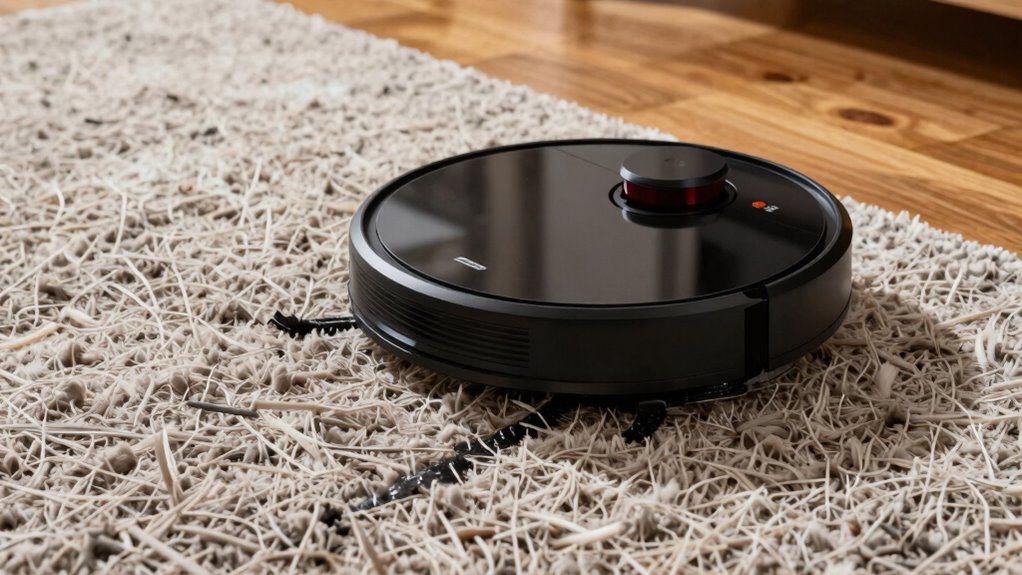
Thick and high-pile carpets pose significant challenges for robot mops because their dense fibers prevent the mop from making proper contact with the surface below. This means that the mop can’t effectively clean the carpet’s surface or remove embedded dirt and robot pet hair. As a result, mopping on these carpets often leads to streaks or missed spots, making it inefficient. Additionally, the uneven texture can interfere with maintaining a consistent cleaning schedule, since the mop may need to be manually adjusted or avoided altogether. If you rely on a robot mop regularly, you’ll likely find that carpets with high piles require separate vacuuming sessions to ensure thorough cleaning, as mops aren’t designed to handle these thick textures effectively.
How Well Do Robot Mops Clean Sealed vs. Unsealed Floors?
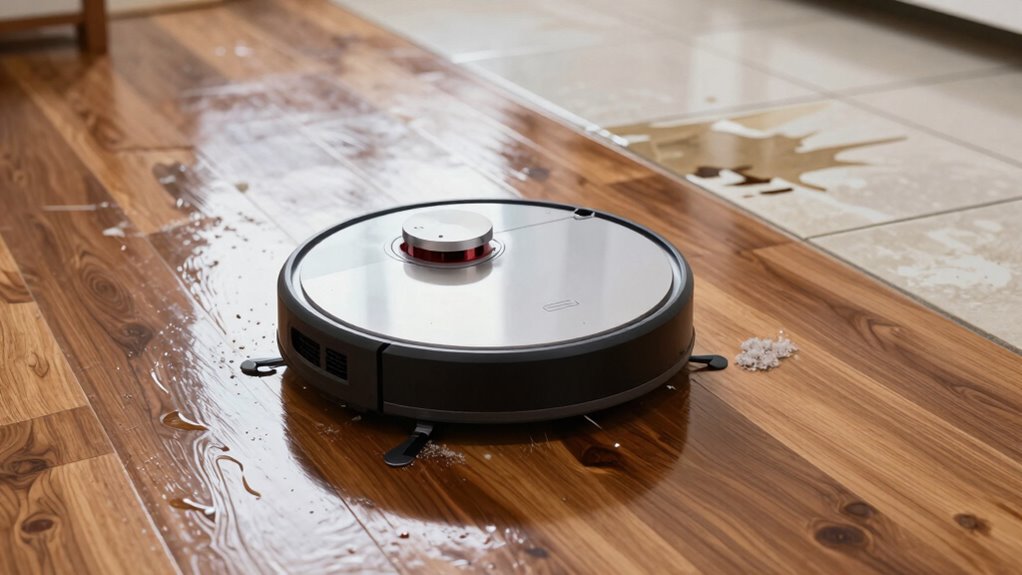
Sealed floors generally allow robot mops to clean more effectively because their smooth surface prevents liquids from seeping in and damaging the material. The sealing techniques used influence how well a robot mop performs; tighter seals reduce floor porosity, making cleaning easier and more more efficient. Proper sealing techniques can also extend the lifespan of your flooring by preventing moisture damage and surface wear. Additionally, well-sealed floors are less susceptible to staining and discoloration, maintaining their appearance over time. Unsealed floors, however, tend to absorb liquids, risking damage and making it harder for the mop to remove stains thoroughly. The table below highlights these differences:
| Floor Type | Sealing Techniques | Floor Porosity |
|---|---|---|
| Sealed | High-quality sealants | Low porosity |
| Unsealed | No sealing or weak sealing | High porosity |
| Partially sealed | Inconsistent sealing | Moderate porosity |
| Sealed with epoxy | Durable, impermeable | Very low porosity |
| Unsealed wood | No sealing, natural surface | Very high porosity |
Additionally, understanding the porosity level of a floor can help determine how effective a robot mop will be. Proper sealing not only improves cleaning efficiency but also preserves the integrity of your floors over time.
What Limitations Do Robot Vacuums and Mops Face on Uneven or Textured Surfaces?
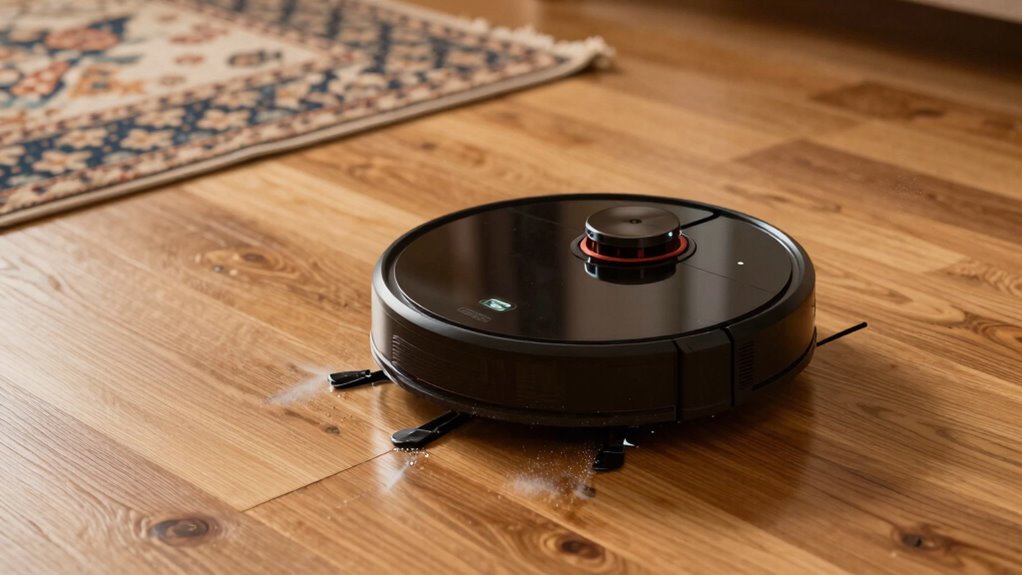
Uneven or textured surfaces pose significant challenges for robot vacuums and mops, often limiting their effectiveness. Texture challenges make it difficult for these devices to maintain consistent contact with the floor, reducing cleaning efficiency. Uneven surfaces can cause sensors to misjudge terrain, leading to missed spots or improper navigation. Many robot vacuums struggle with thick carpets, rugs, or textured tiles where their wheels or brushes can get caught or lose traction. Mops may skip over ridges or fail to reach into deep grooves, leaving dirt behind. As a result, cleaning performance drops on uneven surfaces, and you might find yourself needing to supplement with manual cleaning or choose models specifically designed to handle textured floors.
Tips to Get the Best Cleaning Results on Different Floor Types
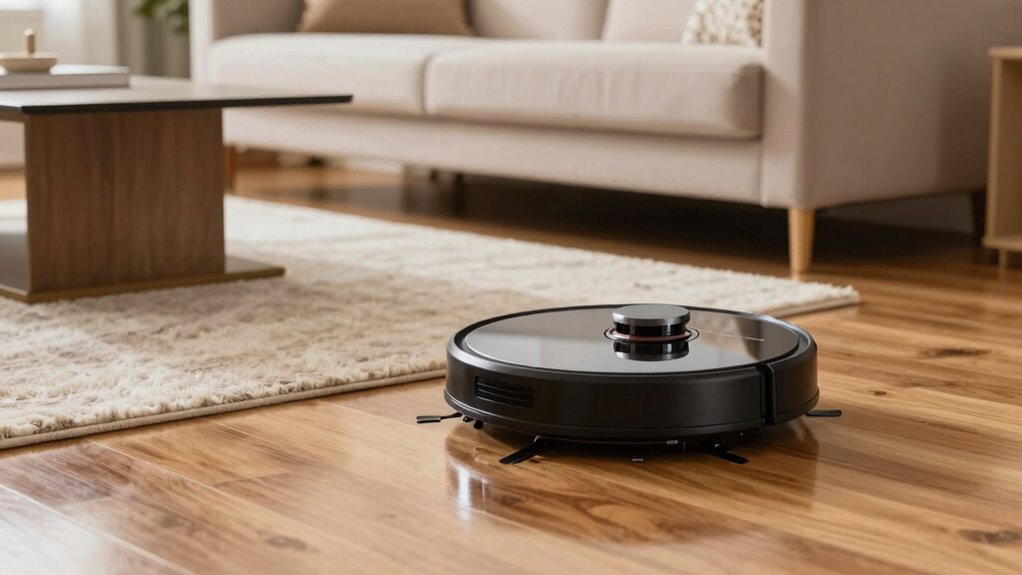
To get the best cleaning results across different floor types, it’s important to adjust your robot vacuum or mop’s settings and approach based on the surface. Start by selecting the right robot vacuum features, such as suction power or mopping modes, tailored to your floors. For mopping, make certain your mop water tanks are filled with the right amount of water—too much can cause streaks, too little may be ineffective. Consider these tips:
- Use carpet boost features on rugs and low-pile carpets for better dirt removal
- Switch to a dry vacuum mode on delicate or uneven surfaces to avoid damage
- Adjust water flow or mop pressure for hardwood, tile, or laminate to prevent over-wetting
These steps help optimize your device’s performance for each floor type.
Choosing the Right Robot Vacuum and Mop for Your Floors

Choosing the right robot vacuum and mop depends on your specific floor types and cleaning needs. Modern robotic technology offers features like adjustable suction, multi-surface brushes, and intelligent mapping, so pick a model suited for your floors. If you have mostly hard surfaces, focus on a device with effective mopping capabilities and strong suction for debris. For carpets, choose one with high suction power and anti-tangle brushes. Consider your cleaning schedule—if you need frequent cleanings, look for models with scheduling options and obstacle avoidance. Some combos excel at steering through multiple floor types, while others struggle. By matching your floors and routine to a robot with the right features, you’ll guarantee efficient, thorough cleaning without constant supervision.
Frequently Asked Questions
Can Robot Vacuum and Mop Combos Be Used on Outdoor Surfaces?
You shouldn’t use robot vacuum and mop combos for outdoor cleaning, as they’re not designed for outdoor surfaces. Their surface compatibility is limited to indoor floors like hardwood, tile, or low-pile carpets. Outdoor surfaces such as concrete, gravel, or uneven terrain can damage the device and hinder its performance. For outdoor cleaning, consider equipment specifically made for exterior surfaces to guarantee effective cleaning and device longevity.
How Long Does a Typical Robot Vacuum and Mop Combo Battery Last?
Think of your robot vacuum and mop combo as a loyal runner on a marathon. Typically, it runs for about 90 minutes to 2 hours on a full charge. Battery life varies by model, and charging time can take 3 to 4 hours. To keep it running smoothly, plan your cleaning sessions around its battery life and give it enough time to recharge before the next run.
Are Robot Vacuum and Mop Combos Safe Around Pets and Children?
Robot vacuum and mop combos are generally safe around pets and children if you choose models with built-in safety features like obstacle sensors and automatic shut-off. You should keep small toys and cords out of the way and supervise their initial use. Always read the manufacturer’s safety instructions to guarantee pet safety and child safety. Regular maintenance also helps prevent malfunctions, making your home safer for everyone.
Do Robot Vacuum and Mop Combos Require Regular Maintenance or Filter Changes?
You can’t just set it and forget it, so yes, your robot vacuum and mop combo needs regular maintenance. Routine maintenance, including filter replacements, keeps it running smoothly. Check filters often, clean brushes, and empty the dustbin to prevent clogs. Doing this guarantees peak performance and extends its lifespan. Staying on top of these simple tasks is like watering a plant — it keeps everything thriving.
How Do Robot Combos Handle Delicate Surfaces Like Marble or Hardwood Finishes?
Robot vacuum and mop combos handle delicate surfaces like marble or hardwood finishes with surface sensitivity, but you should verify they have gentle cleaning modes. Use the device’s delicate or soft brush settings and avoid heavy pressure to prevent scratches. Regularly check for debris or buildup, and consider using customized cleaning schedules for fragile surfaces to maintain their integrity and avoid damage.
Conclusion
Choosing the right robot vacuum and mop combo is like finding the perfect dance partner for your floors. With the right match, your home will sparkle like stars in a clear night sky. Remember, no one-size-fits-all solution exists, but understanding your floors’ quirks helps you avoid stepping on toes. So, select wisely, and let your cleaning robot waltz seamlessly across your surfaces, turning messes into a distant memory.