
Choosing cheap litter might save you money upfront, but it often costs more over time. Low-quality options contain fillers, chemicals, and dust that can irritate your pet and worsen respiratory issues. They also don’t clump well, leading to frequent replacements and higher cleaning costs. Plus, their environmental impact adds to waste and pollution. If you want to understand how these hidden expenses add up and what better choices exist, keep going.
Listen free for 30 days with Audible
Thousands of audiobooks and originals — cancel anytime.
As an affiliate, we earn on qualifying purchases.
Key Takeaways
- Cheap litters often contain fillers and chemicals that can harm pets, leading to costly veterinary bills.
- Low-quality litter’s poor clumping and odor control increase replacement frequency and cleaning costs.
- Non-biodegradable materials contribute to environmental waste, incurring long-term disposal expenses.
- Dust and irritants from cheap litter can worsen pets’ respiratory health, resulting in additional medical costs.
- Initial savings are offset by hidden costs like frequent replacements, health issues, and environmental impact.
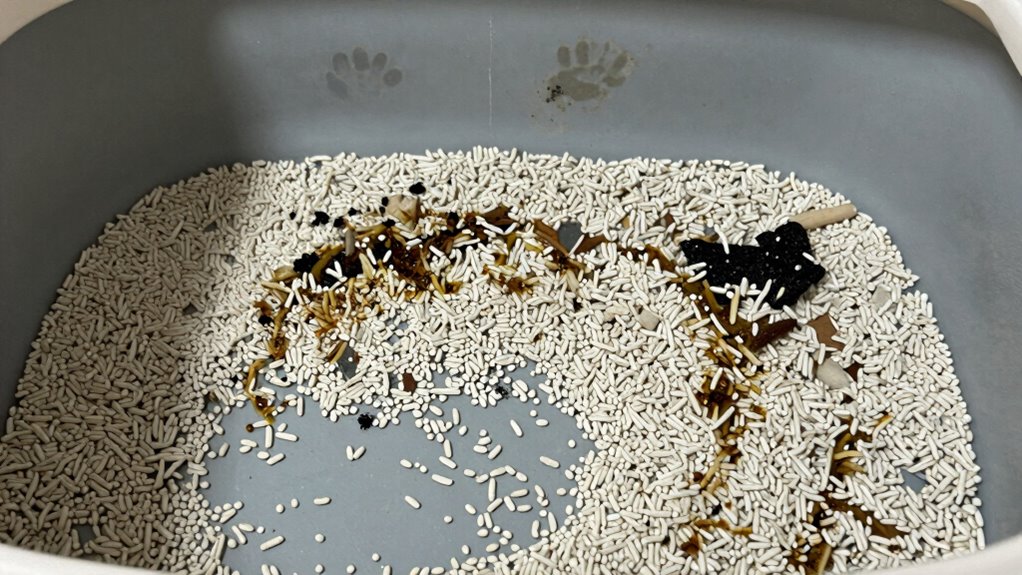
Many pet owners opt for cheap litter solutions to save money upfront, but they often end up spending more in the long run. Low-cost litters may seem like a good deal initially, but they can have significant downsides that affect both your wallet and your pet’s well-being. One major issue is the environmental impact. Cheaper litters are often made from less sustainable materials or have a higher proportion of non-biodegradable substances. This means they contribute more to landfill waste and pollution, especially when you dispose of used litter frequently. Over time, this increased waste adds up, making what seemed like a savings in the beginning turn into a costly environmental burden. Additionally, many low-quality litters lack sustainable materials, which further exacerbates their negative environmental effects.
Choosing cheap litter may save money initially but leads to higher long-term costs and environmental harm.
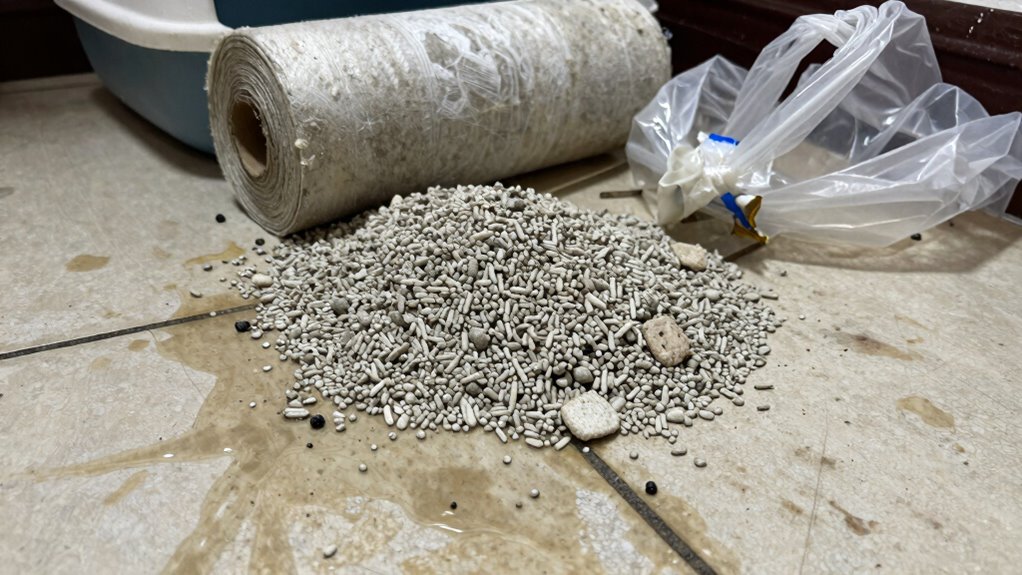
Beyond environmental concerns, health issues are another critical factor. Cheaper litters often contain fillers, artificial fragrances, or chemicals that can irritate your pet’s paws or respiratory system. If your cat or small animal spends a lot of time digging and sniffing through the litter, they’re more exposed to these potentially harmful substances. This exposure could lead to respiratory problems, allergies, or skin irritations. Moreover, low-quality litters usually don’t control odor effectively, forcing you to change the litter more often. Frequent cleaning and replacement not only increase your expenses but also heighten your pet’s exposure to dust and chemicals, raising health concerns for both of you. Using inferior litter quality can also lead to increased stress for your pet, impacting their overall well-being. Poor-quality litter can also produce more dust, which can be problematic for pets with respiratory issues, further aggravating health concerns.
In addition, the dust produced by cheap litter can be problematic. Dust particles can aggravate respiratory conditions, especially in pets with existing health issues. If you notice your pet sneezing or coughing more than usual, it might be related to the litter you’re using. Also, poor clumping ability in cheaper varieties means you end up replacing larger amounts of litter more frequently. This inefficiency drives up costs, negating any initial savings. You might also find yourself cleaning the litter box more often because the smell and waste aren’t contained well, which adds inconvenience and hidden costs over time. Furthermore, some inexpensive litters may contain artificial additives, which can be harmful to pets and worsen health issues over time. When considering the overall cost-effectiveness, it’s important to factor in these hidden expenses that arise from using subpar products.
Ultimately, choosing cheaper litter might seem like a smart move at first, but it often leads to more expenses—financial, environmental, and health-related—in the long run. You could be spending more on frequent replacements, cleaning supplies, and vet visits due to health issues caused by inferior materials. Investing in higher-quality, eco-friendly litter might seem more expensive initially, but it pays off by reducing waste, minimizing health risks, and providing a safer environment for your pet. Sometimes, saving a few dollars upfront costs you more in the future, both financially and in terms of your pet’s well-being.
As an affiliate, we earn on qualifying purchases.
Frequently Asked Questions
How Do I Identify Quality Cat Litter?
To identify quality cat litter, look for options with excellent litter absorption and odor control. You want a litter that quickly absorbs moisture to keep your cat’s space dry and minimizes smells effectively. Check reviews and labels for natural ingredients or clumping features, which often indicate better odor control. Avoid overly dusty or lightweight litters, as they may seem cheap but can cost more due to frequent replacements and reduced effectiveness.
Are There Eco-Friendly Cheap Litter Options?
Yes, eco-friendly cheap litter options exist. You can find biodegradable options made from recycled materials like paper, wood, or corn, which are affordable and better for the environment. These litters break down naturally and reduce waste. Just look for products labeled as biodegradable or made from recycled materials. While they might be modestly priced, they often save you money in the long run by minimizing the need for frequent replacements.
Can Switching Brands Affect My Cat’s Health?
Switching brands can be like changing your favorite snack—your cat’s behavior might shift. Some cats are sensitive to litter ingredients, which can affect their litter odor and overall comfort. Sudden changes may cause them to avoid the box or develop health issues. To keep your cat happy and healthy, introduce new litter gradually, watch for behavioral cues, and choose options that suit their needs without compromising their well-being.
How Often Should I Change My Cat’s Litter?
You should scoop your cat’s litter box daily and do a full change every 1-2 weeks, depending on the type of litter and your cat’s habits. Good litter box maintenance helps prevent odors and keeps your cat comfortable. Watch for cat behavior changes, like avoiding the box, which could indicate it’s time for a thorough cleaning or a new litter solution to keep your feline happy and healthy.
What Are the Long-Term Cost Benefits of Premium Litter?
Opting for premium litter offers long-term cost benefits because it provides better litter absorption and odor control, reducing how often you need to change it. You’ll spend less on replacements and cleaning supplies over time, saving money. Plus, a cleaner litter box keeps your cat happier and healthier. While premium options might cost more upfront, their durability and efficiency make them more economical in the long run.
clumping odor control cat litter
As an affiliate, we earn on qualifying purchases.
As an affiliate, we earn on qualifying purchases.
Conclusion
Think of it this way: choosing cheap litter might save you money upfront, but it often leads to higher costs down the line. You might end up replacing it more frequently or dealing with less effective odor control, which can add up. Studies show that investing in quality litter saves you time and money over time. So, don’t fall for the cheap fix—sometimes, paying a little more now means fewer headaches and expenses later.
As an affiliate, we earn on qualifying purchases.
natural pet litter for respiratory health
As an affiliate, we earn on qualifying purchases.
As an affiliate, we earn on qualifying purchases.
NFL season / tailgating Picks
team gear
As an affiliate, we earn on qualifying purchases.