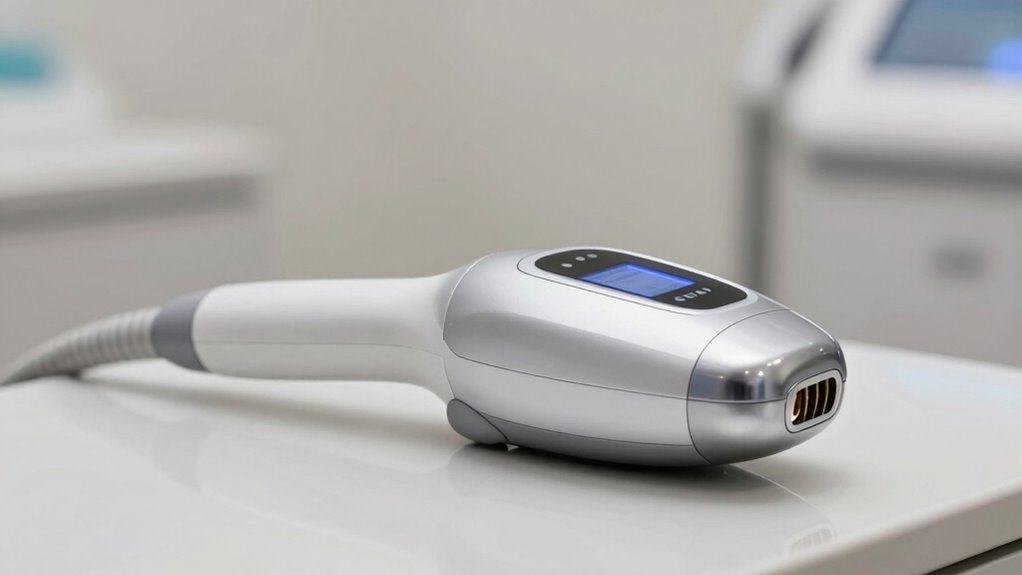

Many buyers underestimate how much patience laser hair removal truly requires. You’ll need multiple sessions spaced out over time to target hair in different growth cycles. Rushing or skipping treatments can delay results and increase side effects. Consistent care, proper hygiene, and realistic expectations are key. If you stay committed and follow guidelines, you’ll see better, longer-lasting results. To discover more about what’s involved and how to succeed, keep exploring what you need to know.
Prime for Young Adults — start your free trial
Fast free delivery, streaming and member deals for eligible 18–24 year olds.
As an affiliate, we earn on qualifying purchases.
Key Takeaways
- Multiple sessions over several months are essential for effective, long-lasting hair removal results.
- Rushing treatments can lead to incomplete hair removal and increased side effects.
- Proper spacing allows hair shedding and skin recovery, requiring patience and adherence to treatment schedules.
- Consistent device maintenance and hygiene optimize results and reduce skin irritation.
- Realistic expectations and understanding individual skin responses are crucial for satisfaction.

Another often overlooked factor is treatment duration. While you might expect quick results, laser hair removal is a gradual process. Most people require multiple sessions—typically between 6 to 8—to target hair in different growth cycles effectively. Each session takes time, and you need to allow enough days between treatments for your hair to shed and for your skin to recover. Skipping sessions or rushing the process can hinder overall progress, making the journey longer and more frustrating. It’s important to set realistic expectations and understand that consistent, spaced-out treatments lead to better, longer-lasting results.
You might also assume that the process is quick and painless, but that’s rarely the case. The sensation during treatment varies depending on your skin sensitivity and the device used. Some areas are more sensitive, and you might experience mild discomfort or a snapping feeling during laser pulses. This sensation can make you enthusiastic to finish quickly, but rushing through sessions can compromise results and increase the risk of side effects. Instead, pace yourself, communicate openly with your technician or follow the device’s guidelines, and give your skin time to adjust. The key is patience—both in waiting for the full results and in tolerating the temporary discomfort. Additionally, understanding the importance of vacuuming techniques and proper cleaning routines can help maintain your skin’s health during treatments, reducing irritation and promoting better results. Maintaining good device hygiene also plays a crucial role in preventing infections or skin issues. This is especially important because proper device maintenance can extend the lifespan of your equipment and ensure consistent performance. Furthermore, taking the time to educate yourself about laser technology can help you better understand how different devices work and set realistic expectations for your treatments.
Being aware of state regulations and safety standards can also guide you in choosing reputable clinics and devices, ensuring a safer and more effective treatment. Ultimately, successful laser hair removal isn’t about quick fixes; it’s about understanding that your skin’s unique sensitivities and the time it takes for hair to respond are fundamental to your progress. By approaching your treatments with patience and realistic expectations, you’ll set yourself up for smoother, hair-free skin that lasts. Remember, achieving the best results requires consistency, care, and a willingness to wait for your body to respond fully.
laser hair removal device for home use
As an affiliate, we earn on qualifying purchases.
As an affiliate, we earn on qualifying purchases.
Frequently Asked Questions
How Long Does Each Laser Hair Removal Session Typically Last?
Each laser hair removal session usually lasts between 15 to 60 minutes, depending on the treatment area. You might have heard hair removal myths claiming it’s quick or overly lengthy, but the actual time varies. Don’t fall for laser treatment myths that suggest instant results; patience is key. Preparing for your session and understanding the process helps, and most importantly, expect multiple sessions for ideal, long-lasting results.
Are There Any Specific Skin Types That Respond Better to Laser Treatments?
Think of your skin as a landscape; some terrains respond better to laser treatments. Generally, individuals with fair skin tone compatibility see faster, more effective results, as the laser targets melanin more precisely. Hair color considerations also matter—dark hair absorbs laser energy better than lighter shades. So, if you have light skin and dark hair, you’re likely to experience the best results, but always consult a specialist to confirm suitability.
What Are the Most Common Side Effects After Laser Hair Removal?
After laser hair removal, you might notice side effects like redness, swelling, or irritation, especially if your hair color is dark and your skin tone is light. These reactions are common and usually temporary. Your skin’s response can vary based on these factors, so it’s vital to follow your provider’s aftercare instructions. If you experience persistent discomfort, consult your specialist to guarantee proper healing and safety.
Can Laser Hair Removal Be Done on Sensitive or Tattooed Skin?
Sure, laser hair removal can target tattooed or sensitive skin, but don’t expect it to be a walk in the park. Tattoo ink absorbs laser energy, risking ink fading or distortion, while sensitive skin might react strongly, causing irritation or discomfort. You’d be wise to consult a professional beforehand, as they can tailor treatments, minimizing risks, and ensuring you don’t turn your skin into a science experiment.
How Do I Know if My Hair Is Suitable for Laser Removal Treatments?
You can determine if your hair is suitable for laser removal by considering your hair color and skin tone. Laser treatments work best on dark, coarse hair paired with lighter skin tones because the laser targets pigment. If you have blonde, gray, or red hair, or darker skin, you might need specialized options or consult a professional to assess your suitability. A dermatologist can give personalized advice based on your specific features.
As an affiliate, we earn on qualifying purchases.
Conclusion
Remember, patience is key with laser hair removal devices—you might need multiple sessions to see real results. Did you know that about 70% of users report noticeable hair reduction after just three treatments? Don’t rush the process; consistency pays off. Stick with it, and you’ll likely achieve smooth, hair-free skin that lasts. So, stay patient and committed—you’ll be glad you did when the results finally appear.
laser hair removal device with multiple sessions
As an affiliate, we earn on qualifying purchases.
As an affiliate, we earn on qualifying purchases.
rechargeable laser hair removal device
As an affiliate, we earn on qualifying purchases.
As an affiliate, we earn on qualifying purchases.
Fall yard work Picks
leaf blowers
As an affiliate, we earn on qualifying purchases.