Compressor coolers are more efficient, durable, and reliable than thermoelectric coolers because they use the proven refrigeration cycle to transfer heat, requiring less energy for longer-lasting cooling. They handle larger spaces and continuous operation better, making them ideal for demanding applications. Thermoelectric coolers are quieter and portable but less effective and energy-efficient. To learn about which system suits your needs best, explore further options and details.
Key Takeaways
- Compressor coolers offer higher energy efficiency, especially over large temperature differentials, compared to thermoelectric systems.
- They provide greater durability and longer lifespan with minimal maintenance needs.
- Compressor technology enables reliable, consistent cooling suitable for prolonged and demanding applications.
- They are more environmentally friendly due to lower energy consumption and use of eco-friendly refrigerants.
- Compressor coolers are better suited for large or continuous cooling tasks, while thermoelectric coolers are limited to small, low-power uses.
How Do Compressor and Thermoelectric Cooling Systems Work?
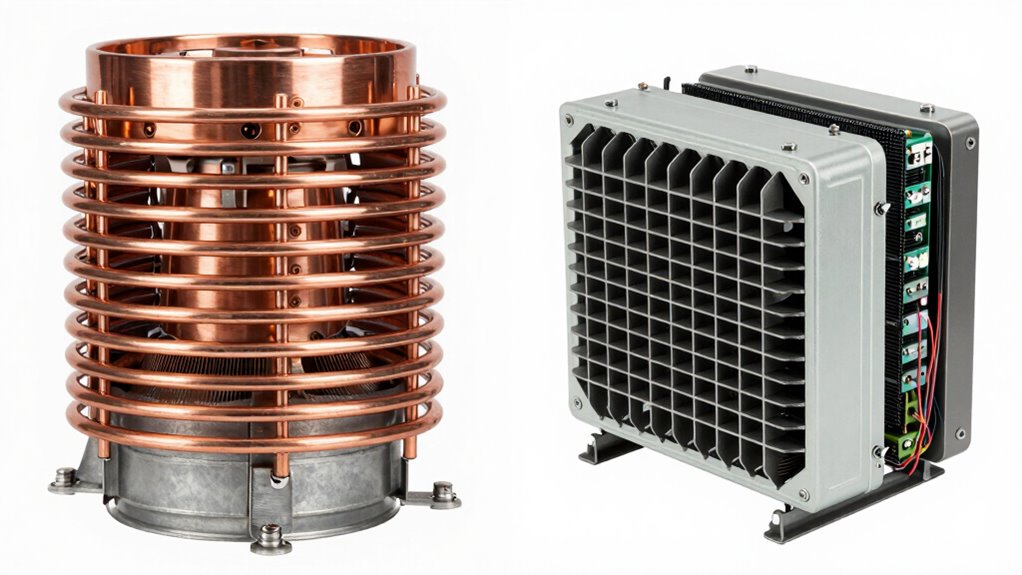
Compressor and thermoelectric cooling systems both work by transferring heat away from the object or area that needs to be cooled. In compressor systems, the refrigeration cycle is key. You have a refrigerant that circulates through a closed loop, absorbing heat as it evaporates inside the cooled space. The compressor then compresses the refrigerant, increasing its pressure and temperature. As it moves through the condenser, it releases heat to the outside environment and condenses back into a liquid. The cycle repeats, maintaining a cool temperature. The cooling mechanism relies on this continuous process of compression, condensation, expansion, and evaporation. This cycle efficiently removes heat, making compressor-based systems ideal for refrigeration and cooling applications. Understanding the refrigeration cycle is essential to grasp why these systems are so effective. Additionally, the energy efficiency of compressor systems often surpasses that of thermoelectric alternatives, especially in larger cooling capacities. Furthermore, compressor systems are generally more cost-effective for larger-scale cooling needs due to their proven performance and durability.
Why Are Compressor Coolers More Efficient?
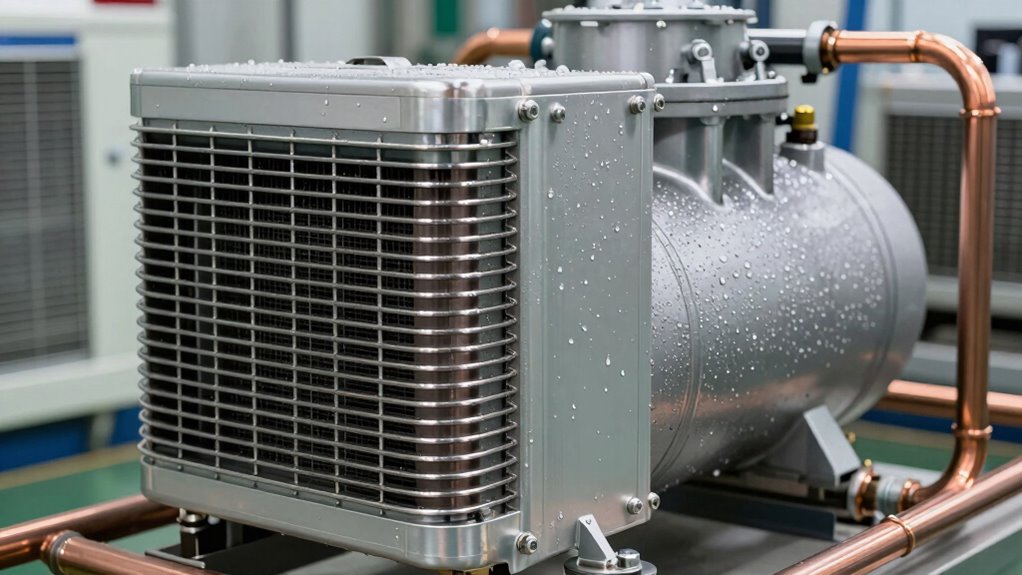
Because they rely on a well-established refrigeration cycle, compressor coolers are often more efficient at removing heat than other methods. Their design optimizes the transfer of heat through continuous compression and expansion of refrigerant, improving cooling efficiency. This cycle allows for more precise temperature control and less energy waste. Additionally, refrigeration cycle technology has been refined over decades, ensuring consistent performance. The evolution of thermodynamic principles underlying these systems further enhances their reliability and efficiency. The table below highlights key factors enhancing their efficiency:
| Aspect | Impact on Efficiency |
|---|---|
| Refrigeration Cycle | Proven, reliable cooling method |
| Compressor Performance | High compression efficiency |
| Heat Exchange Systems | Optimized for maximum heat transfer |
This combination ensures compressor coolers deliver consistent, energy-efficient cooling, making them ideal for larger or more demanding applications. Their reliance on mature refrigeration cycles is a primary reason they outperform thermoelectric options in efficiency, especially in larger cooling needs.
What Are the Limitations of Thermoelectric Coolers?
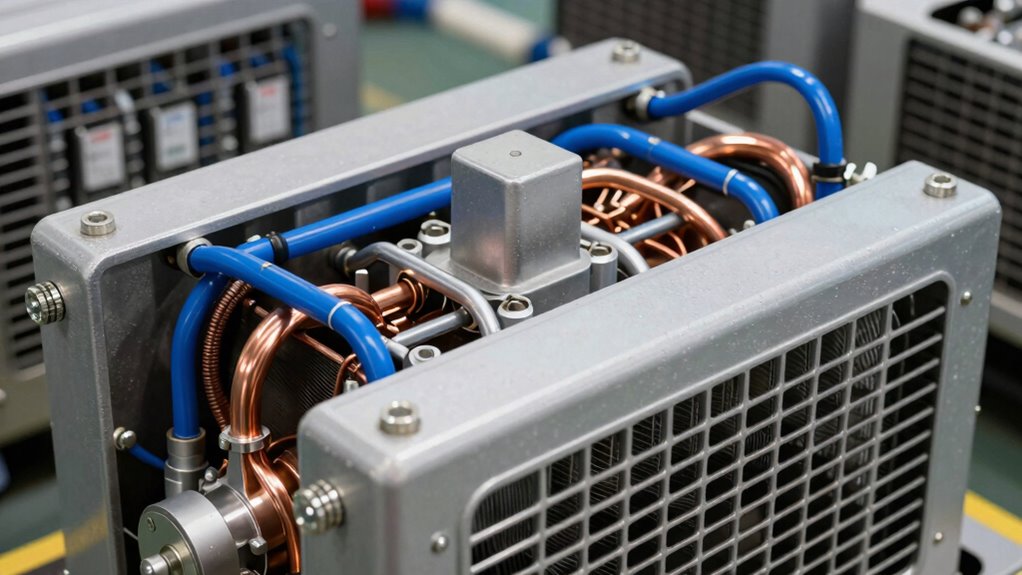
While compressor coolers excel in efficiency due to their reliance on proven refrigeration cycles, thermoelectric coolers face notable limitations that restrict their broader application. First, they tend to consume more energy for the same cooling power, making them less cost-effective over time. Second, their efficiency drops markedly at higher temperature differentials, limiting their use in extreme conditions. Third, thermoelectric devices often generate higher noise levels, which can be disruptive. Fourth, their cooling capacity is generally limited, making them unsuitable for larger or more demanding applications. These factors—higher energy consumption, increased noise, and limited capacity—highlight why thermoelectric coolers aren’t as versatile or practical as compressor-based systems. Additionally, piercings and body jewelry often require careful consideration of materials and measurements to ensure safety and comfort during healing, similar to how thermal management in electronic devices demands precise design to optimize performance. Moreover, advancements in cooling technology continue to push the boundaries of what thermoelectric systems can achieve, though they still lag behind compressor coolers in many aspects. For example, ongoing research into new materials aims to improve thermoelectric efficiency but has yet to surpass the reliability and power of compressor cooling methods. Furthermore, energy efficiency remains a key factor influencing the adoption of cooling systems in various industries.
How Durable and Reliable Are Compressor-Based Coolers?
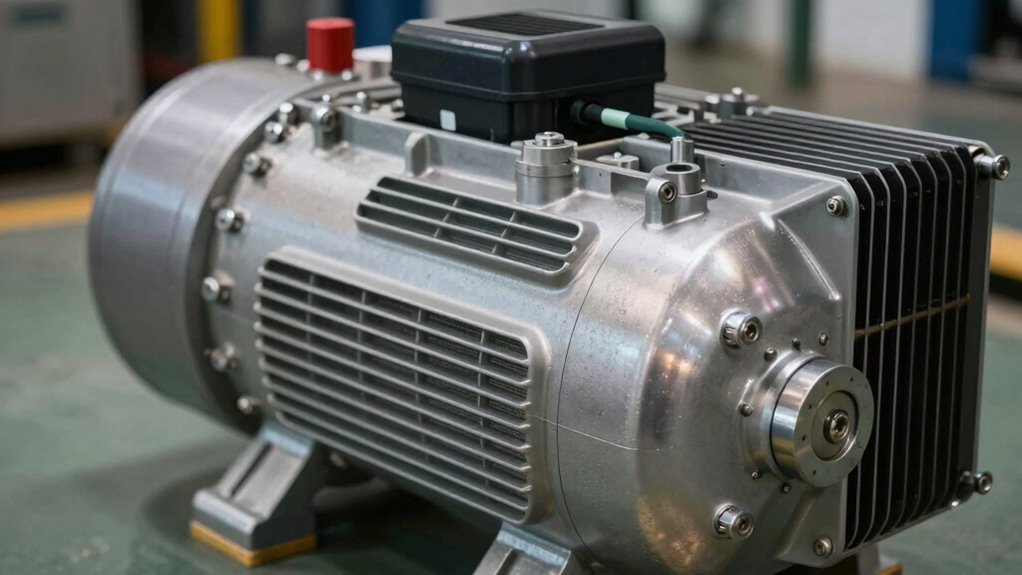
Compressor-based coolers are known for their durability and reliability, making them a trusted choice for long-term cooling needs. Extensive durability testing ensures these units withstand daily use and environmental stresses, confirming their robustness over years of operation. Reliability factors, such as high-quality components and proven engineering, contribute to their consistent performance. Unlike thermoelectric coolers, compressor systems are built to handle continuous cycles without significant wear. Additionally, easy maintenance opportunities help ensure these coolers remain dependable throughout their lifespan. Proper maintenance practices can further enhance their longevity, and selecting units with robust components can improve resilience in demanding environments. Moreover, performance under varying conditions is a key advantage, as compressor coolers adapt well to temperature fluctuations and different ambient environments. The use of advanced compressor technology further enhances their efficiency and durability, making them suitable for demanding applications. Office plants can also improve the longevity of these coolers by maintaining a healthier indoor environment, reducing strain on the cooling system. You can depend on them for demanding applications, knowing they’re designed to maintain peak performance over time. Overall, compressor coolers are engineered to deliver dependable, long-lasting cooling solutions that stand the test of time.
What Are the Cost and Maintenance Differences?
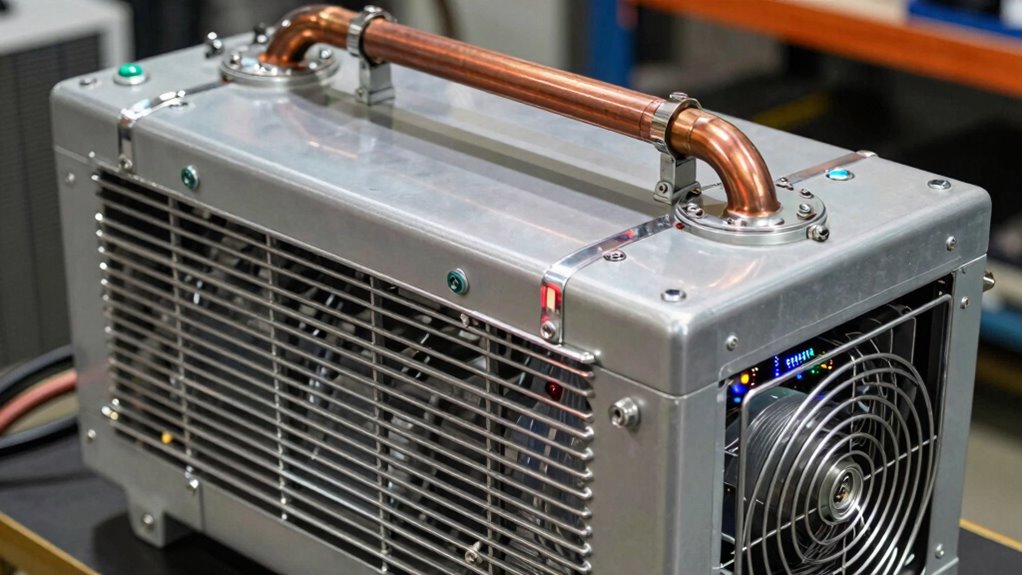
Compressor coolers tend to have higher upfront costs compared to alternative cooling methods, primarily due to their complex components and robust construction. When considering the cost comparison, you’ll find that initial investment is steeper, but this often balances out with their durability. Regarding maintenance requirements, compressor coolers generally need:
- Regular inspection of seals and refrigerant levels
- Periodic cleaning of coils and fans
- Replacement of worn-out parts like belts or compressors
- Scheduled servicing to ensure peak performance
- Understanding deep‑sky imaging can help optimize the cooling system’s integration for best results. Additionally, their reliable performance over time reduces the need for frequent replacements or repairs. While maintenance might seem more involved, their long-term reliability reduces frequent replacements or repairs. Overall, although the upfront cost is higher, compressor coolers can offer lower maintenance costs over time, making them a cost-effective solution for demanding applications.
Which Applications Benefit Most From Compressor Cooling?
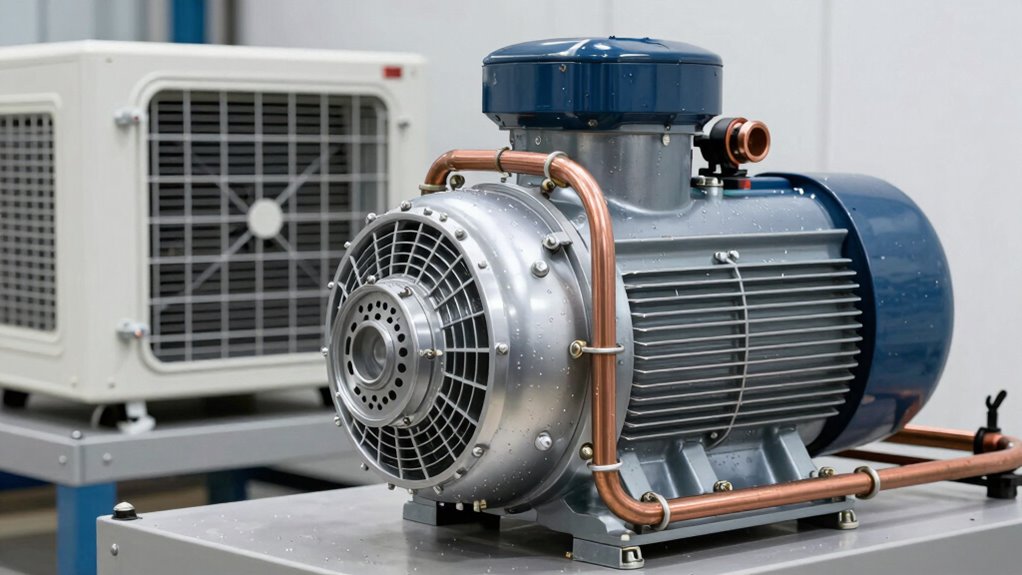
You’ll find compressor coolers are ideal for demanding environments where consistent, high-capacity cooling is essential. Industrial refrigeration is a prime application, as compressor coolers reliably keep large volumes of perishable goods at *ideal* temperatures, reducing spoilage and waste. They also excel in portable cooling scenarios, such as mobile units or temporary setups, where robust performance is *paramount*. These coolers handle continuous operation and vary in size, making them suitable for manufacturing plants, food processing, and cold storage facilities. Unlike less powerful cooling options, compressor coolers maintain steady temperatures in challenging conditions. If your application demands durability, high efficiency, and consistent cooling power, compressor coolers are the best choice, especially in environments where performance cannot be compromised. Room‑size wattage guides can help determine the appropriate capacity for specific applications. For outdoor and rugged use, the durability and reliability of compressor coolers often surpasses that of thermoelectric units, ensuring long-term performance even in harsh conditions. Additionally, their high-capacity cooling capabilities make them well-suited for situations requiring sustained and intensive refrigeration needs. Understanding cooling capacity requirements based on application size and load is crucial for selecting the right model, as performance consistency is vital in demanding settings.
Are Compressor Coolers More Eco-Friendly?
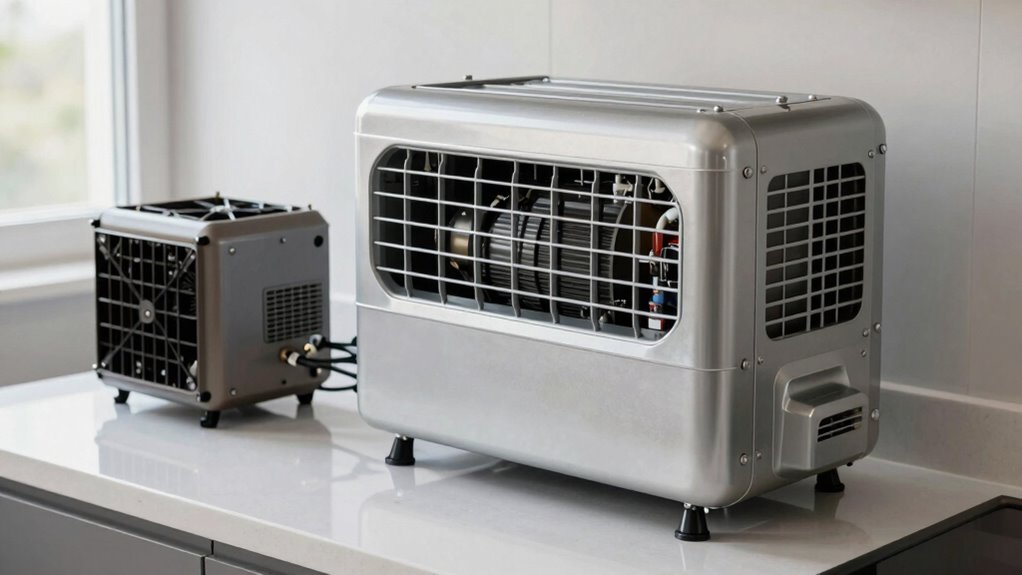
You might notice that compressor coolers often use less energy, making them more eco-friendly. Their longer lifespan also means fewer replacements and less waste over time. These factors can help reduce your environmental impact while saving you money. Additionally, precious metal investments in compressor coolers contribute to durability and efficiency, further supporting eco-conscious choices. Moreover, the energy efficiency of compressor coolers enhances their sustainability by lowering overall power consumption.
Energy Efficiency Benefits
While some may assume all cooling systems have similar energy consumption, compressor coolers often stand out for their efficiency. They excel in providing better cooling efficiency compared to alternative cooling methods like thermoelectric units. This means you use less energy to achieve the same cooling results. Here’s why compressor coolers are more eco-friendly:
- They use less electricity over time, reducing your carbon footprint.
- Their design optimizes energy consumption, saving costs.
- They operate effectively across a wide range of temperatures, minimizing energy waste.
- Their durability means fewer replacements and less environmental impact.
Reduced Environmental Impact
Compressor coolers generally have a lower environmental impact than many alternative cooling systems because they consume less energy and produce fewer emissions. This means they contribute less to pollution and help reduce your carbon footprint. Their efficiency supports sustainability by using resources more wisely and decreasing harmful waste. When comparing environmental benefits, compressor coolers stand out for their smaller emissions and energy savings. Here’s a quick overview:
| Aspect | Benefit | Impact |
|---|---|---|
| Energy Consumption | Lower energy use | Reduced emissions |
| Emissions | Fewer greenhouse gases | Better air quality |
| Resource Use | Efficient refrigerants | Less environmental strain |
| Longevity | Longer lifespan reduces waste | Less frequent replacements |
Longer Lifespan Advantages
A longer lifespan means fewer replacements and less waste, making compressor coolers a more sustainable choice over time. Their longevity comparison shows significant lifetime benefits, reducing environmental impact. Here’s why:
- Durability – compressor coolers are built to last, often exceeding 10 years of reliable use.
- Fewer repairs – their sturdy design minimizes maintenance needs.
- Lower replacement frequency – fewer replacements mean less waste and resource consumption.
- Cost-effectiveness – long-term savings stem from their extended lifetime benefits.
How to Choose Between Compressor and Thermoelectric Coolers?
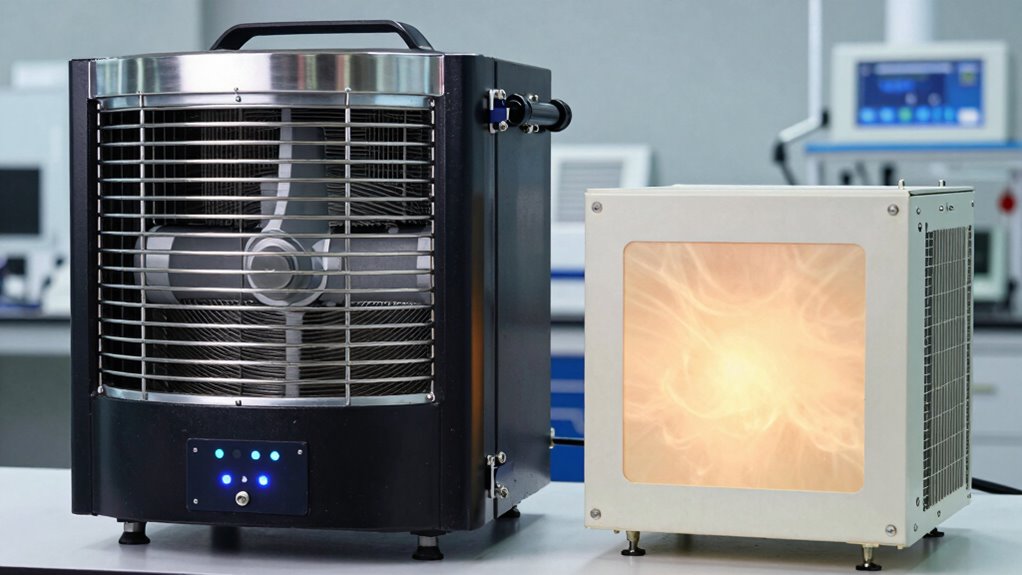
Choosing between compressor and thermoelectric coolers depends on your specific cooling needs and budget. If you prioritize efficient cooling for larger spaces, a compressor cooler is usually better due to its higher capacity and effectiveness. Consider the thermal insulation of your setup, as better insulation enhances cooling efficiency regardless of the system you choose. Noise levels also matter; compressor coolers tend to be louder but are more durable, while thermoelectric coolers are quieter but less powerful. If you need a portable, quiet solution for small spaces, thermoelectric might suit you. However, for consistent, robust cooling, especially in environments where noise isn’t a concern, a compressor system offers better performance. Balance your needs, insulation quality, and noise preferences before making a decision.
Final Thoughts: Which Cooling System Is Right for You?
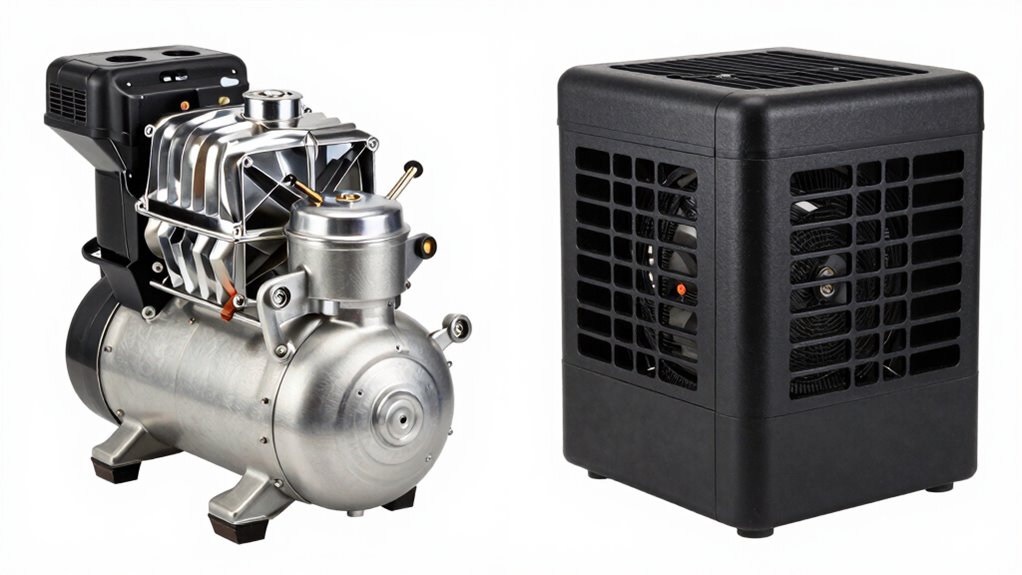
Determining the right cooling system ultimately depends on your specific needs, environment, and budget. When comparing options, consider these key factors:
- Efficiency comparisons: Compressor coolers generally offer higher efficiency, especially for larger or long-term cooling needs.
- Noise level: Thermoelectric coolers tend to be quieter but may lack the power required for substantial cooling.
- Application size: For small, portable use, thermoelectric models work well; for bigger, more demanding tasks, compressor units excel.
- Cost considerations: Compressor coolers usually have higher upfront costs but lower energy expenses over time.
Frequently Asked Questions
Can Compressor Coolers Operate Effectively in Extreme Temperatures?
Yes, compressor coolers can operate effectively in extreme temperatures. They’re designed with high temperature resilience, maintaining consistent cooling even in harsh conditions. Unlike thermoelectric coolers, they handle insulation challenges better, ensuring the internal environment stays stable. This makes compressor coolers ideal for demanding environments, as they adapt to temperature fluctuations without losing efficiency, providing reliable cooling performance no matter how extreme the outside temperature gets.
Are Compressor Coolers Suitable for Portable or Small-Scale Applications?
Yes, compressor coolers are suitable for portable solutions and miniature cooling needs. They deliver high efficiency and reliable performance, making them ideal for small-scale applications like portable fridges or compact cooling units. You benefit from their powerful cooling capacity in a compact setup, ensuring your device stays cool on the go. Their durability and ability to handle various environments make them a great choice for portable and miniature cooling solutions.
How Does Noise Level Compare Between Compressor and Thermoelectric Coolers?
Your compressor cooler’s noise level is impressively subdued, making it seem almost whisper-quiet compared to thermoelectric coolers. Thanks to advanced noise reduction technology, it operates with a gentle hum that barely registers, unlike thermoelectric models, which can sound like a jet engine taking off. This quieter operation enhances your comfort and convenience, allowing you to enjoy cooler temperatures without the distracting racket of louder, more intrusive sound levels.
What Environmental Regulations Affect Compressor Versus Thermoelectric Systems?
You need to consider refrigerant regulations and emissions standards when choosing between compressor and thermoelectric systems. Compressor coolers often use refrigerants subject to strict regulations due to environmental concerns, especially regarding ozone depletion and global warming potential. Thermoelectric coolers generally have fewer emissions issues but may face energy efficiency standards. Staying updated on these regulations helps you make an eco-friendly choice that complies with current environmental policies.
Can Compressor Coolers Be Integrated Into Existing HVAC or Refrigeration Setups?
Like fitting a key into a lock, compressor coolers easily integrate into your existing HVAC or refrigeration systems. They offer excellent retrofit potential, allowing you to upgrade without overhauling your setup. You can seamlessly incorporate compressor technology, enhancing efficiency and performance. This adaptability makes them a practical choice for upgrading or expanding your cooling infrastructure, ensuring you meet your needs while maintaining system harmony and minimizing disruption.
Conclusion
While thermoelectric coolers may seem sleek and modern, compressor coolers deliver unmatched efficiency and durability, especially when you need reliable, long-lasting performance. Imagine a quiet, eco-friendly system that handles heavy duty without breaking a sweat—that’s compressor cooling. On the other hand, thermoelectric units might tempt you with their compact design, but they often fall short when it comes to power and longevity. Ultimately, choosing the right system depends on your needs—performance or convenience.