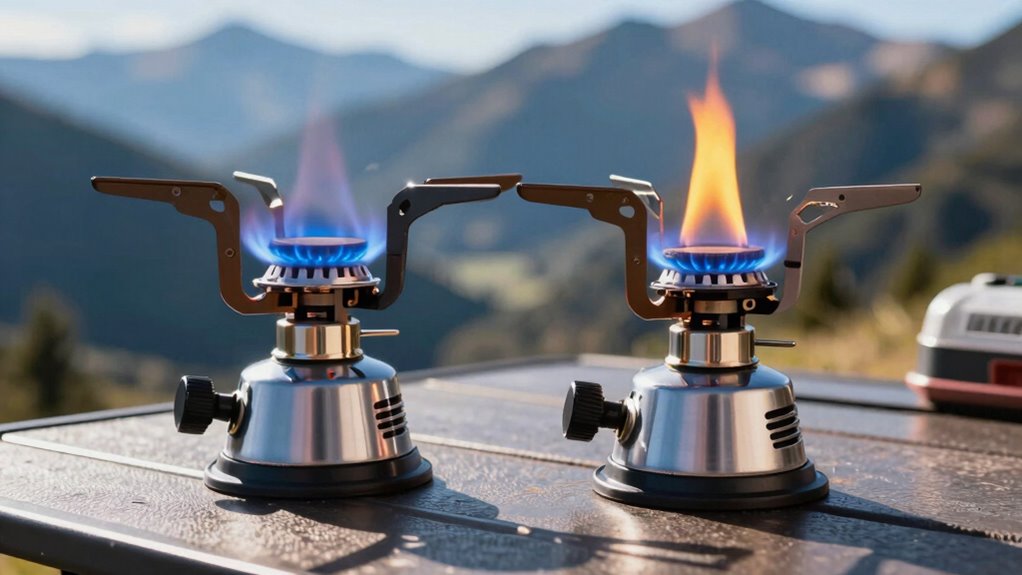
When choosing a two-burner camp stove, consider its BTU ratings, which determine how quickly and efficiently it heats your food. Wind can reduce heat output, so using wind shields or positioning your stove in sheltered spots helps maintain performance. Fuel efficiency depends on selecting the right fuel type and using proper cooking techniques. Balancing power, portability, and fuel use makes certain you get the best outdoor cooking experience. Continue to explore tips that can boost your stove’s effectiveness even further.

Turn the school run and nap time into listening time
- Thousands of audiobooks, podcasts and originals
- Listen on your phone, tablet or Echo — also offline
- Cancel anytime
Key Takeaways
- Higher BTU ratings (16,000-20,000) enable faster cooking but may consume more fuel; balance power with efficiency needs.
- Wind shields and proper shelter are essential to maintain stove heat and improve fuel efficiency in windy conditions.
- Fuel types like propane offer good efficiency and convenience, while white gas provides high heat but requires careful handling.
- Using wind-resistant stove models and techniques such as covering pots optimizes performance in adverse weather.
- Regular maintenance, proper pot sizing, and efficient cooking practices enhance fuel economy and stove longevity.
two-burner camping stove with wind shield
As an affiliate, we earn on qualifying purchases.
As an affiliate, we earn on qualifying purchases.
What Are Two-Burner Camp Stoves and Why Are They a Great Choice?
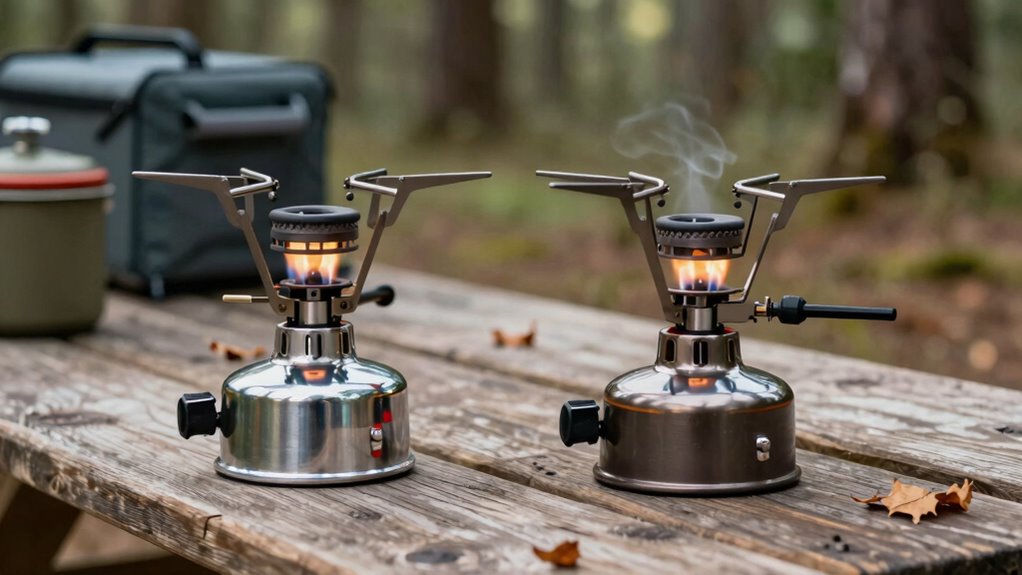
Two-burner camp stoves are portable cooking appliances designed to provide convenient, efficient heat for outdoor meals. They are essential pieces of camping gear, making outdoor cooking simple and reliable. With two burners, you can prepare multiple dishes at once, saving time and effort during your trip. These stoves are lightweight, compact, and easy to set up, perfect for camping, tailgating, or outdoor events. Their versatility allows you to cook everything from breakfast to dinner without relying on open flames or messy fires. Many models include features like wind resistance and adjustable heat control, enhancing your outdoor cooking experience. Incorporating high-quality fuel efficiency ensures longer cooking times and less frequent refueling, making your outdoor culinary adventures more enjoyable. Overall, a two-burner camp stove is a practical, space-saving addition to your camping gear collection, ensuring you enjoy hot, delicious meals anytime you’re outside.
As an affiliate, we earn on qualifying purchases.
How Do BTUs Affect Your Stove’s Power and Cooking Efficiency?
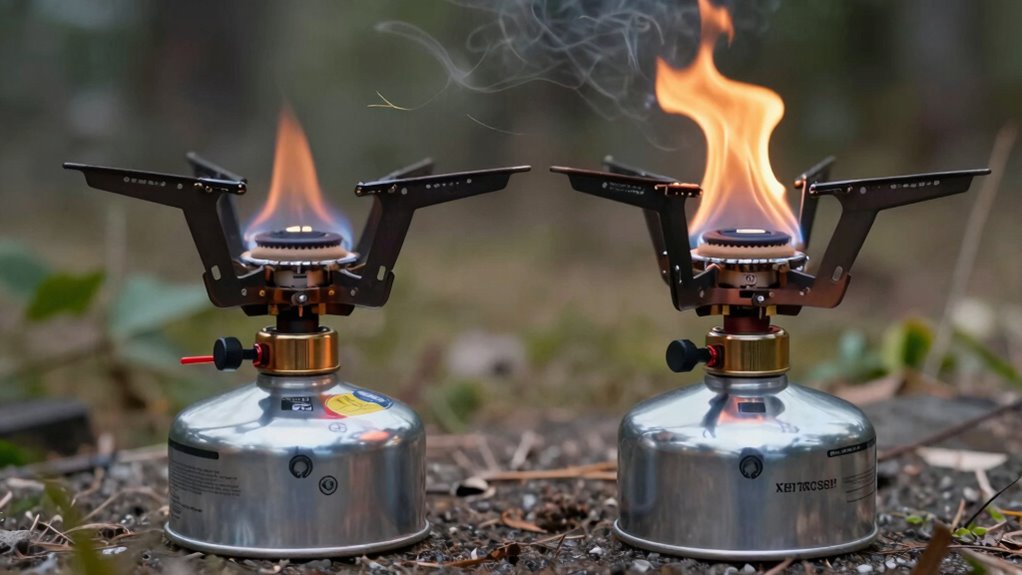
BTUs, or British Thermal Units, measure a stove’s heating power, directly impacting how quickly and effectively it cooks your food. Higher BTUs mean more heat, which is great for outdoor cooking with quick boiling and frying. However, too much power can make stove safety tricky if you’re not careful. For example, a 10,000 BTU burner heats evenly for simmering, while a 20,000 BTU burner delivers rapid boiling. Here’s a quick comparison:
| BTU Range | Best For |
|---|---|
| 8,000-12,000 | Light cooking, simmering |
| 12,000-16,000 | General outdoor cooking |
| 16,000-20,000 | Boiling, frying |
| 20,000+ | Heavy-duty cooking |
| Less than 8,000 | Low temp simmering |
Choosing the right BTU helps balance power and stove safety, ensuring efficient outdoor cooking. Additionally, understanding fuel efficiency can help you select a stove that conserves energy during longer trips. Knowing how wind conditions affect heat output can also influence your choice of stove and setup for optimal performance. Being aware of environmental factors can further improve your outdoor cooking experience. Moreover, selecting a stove with appropriate burner size can significantly impact your cooking results and overall safety. Being mindful of stove placement is essential for maximizing heat retention and safety during use.
As an affiliate, we earn on qualifying purchases.
How Does Wind Impact Your Stove, and How Can You Protect Against It?

Wind can considerably disrupt your stove’s performance by dispersing the heat and causing uneven cooking. To minimize this, use wind shielding, such as a portable windscreen or natural barriers like rocks or logs, to block gusts. Proper stove placement is vital; position your stove in a sheltered spot away from open areas or tall grass, which can funnel wind directly into your flames. Keep the stove stable and close to the ground for better protection. Avoid mounting it high on uneven terrain where wind can catch underneath. Additionally, understanding wind effects can help you plan better shelter strategies in outdoor settings. Using fuel efficiency techniques can also help conserve resources when wind conditions are unpredictable. Recognizing the impact of wind on stove performance allows you to choose effective shelter options more quickly. By strategically using wind shielding and paying attention to stove placement, you can maintain consistent heat, improve fuel efficiency, and guarantee safer, more reliable cooking during your outdoor adventures. Natural barriers like rocks or logs can effectively block wind, creating a more stable environment for your stove. Incorporating wind direction awareness can further optimize your shelter setup and stove performance.
propane camping stove for outdoor cooking
As an affiliate, we earn on qualifying purchases.
As an affiliate, we earn on qualifying purchases.
What Factors Should You Consider When Choosing a Fuel-Efficient Stove?
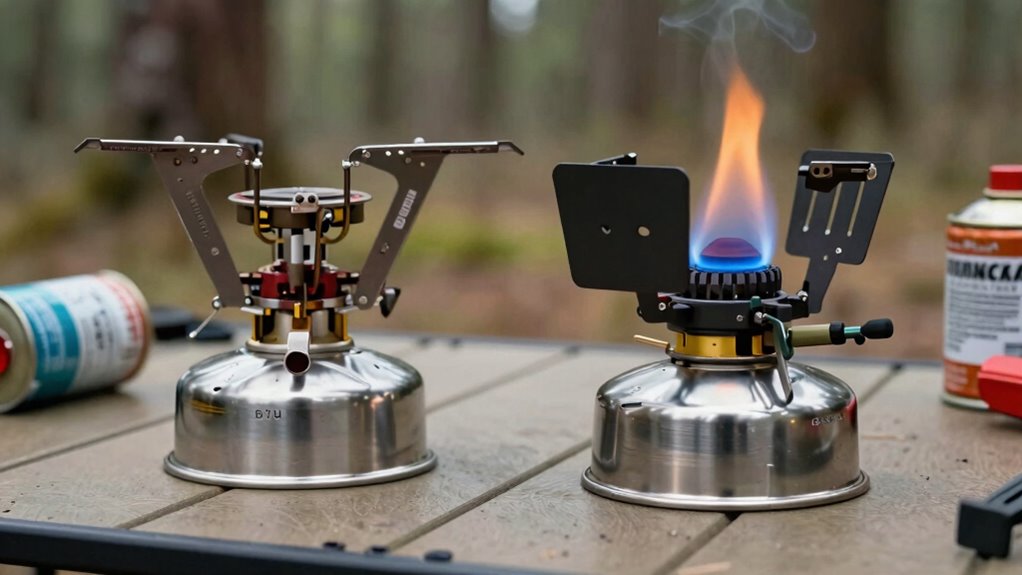
When choosing a fuel-efficient stove, you need to consider the type of fuel it uses and how effectively it converts that fuel into heat. Weather conditions can also impact its performance, so think about how your stove will handle wind or cold temperatures. You should also evaluate the stove’s energy efficiency to ensure optimal fuel use and minimal waste during your trip. Advances in nanotechnology have led to the development of more durable and efficient stove materials, which can further enhance performance. Additionally, understanding heat transfer mechanisms can help you select a stove that maximizes heat output while conserving fuel. Recognizing how material properties influence heat retention can also help you choose a stove that maintains consistent temperatures and improves overall efficiency. Being aware of fuel consumption rates can assist you in estimating how long your fuel will last during extended trips. By weighing these factors, you can select a stove that works well and saves fuel during your trip.
Fuel Type and Efficiency
Choosing a fuel type is essential when selecting a two-burner camp stove, as it directly impacts efficiency and convenience. Different fuels, like propane, butane, or white gas, offer unique advantages depending on your cooking techniques and conditions. Propane is versatile and easy to use, while white gas provides high heat output for more demanding cooking. Consider how often you’ll use the stove and the availability of fuel sources at your campsite. Efficient stoves not only save fuel but also require proper stove maintenance—regular cleaning and checking for leaks—ensuring ideal performance. Being aware of fuel storage considerations can help you plan effectively for extended trips. Additionally, understanding fuel efficiency and how different stove designs influence consumption can help you make a more informed choice. By understanding the pros and cons of each fuel type, you can select a stove that best matches your needs, maximizing efficiency and making your outdoor cooking experience smoother.
Weather Impact on Performance
Weather conditions can considerably influence how well your camp stove performs, especially when you’re relying on fuel-efficient models. Wind can drastically lower heat output, so choose stoves designed to withstand gusts, and always consider wind shields for safety and efficiency. Cold temperatures reduce fuel vaporization, making it harder to maintain consistent heat; insulate your stove or opt for models with higher BTU ratings. Rain and humidity can affect cookware compatibility, so select sturdy, waterproof cookware to prevent accidents. Always prioritize campfire safety when operating in adverse weather, avoiding open flames when conditions are risky. Properly evaluating weather factors ensures optimal stove performance, safer cooking, and more efficient fuel use during your trip. Additionally, understanding the Gold IRA markets can help you make smarter investment choices for your retirement savings. Recognizing how AI cybersecurity jobs are expanding can also inform you about industry resilience in various conditions. Being aware of filtration and maintenance can help you keep your stove in top condition regardless of weather challenges, especially since proper stove care and regular maintenance are essential for reliable operation. Moreover, selecting a stove with good fuel efficiency can significantly extend your supplies in harsh weather conditions.
How Can You Balance Power, Portability, and Fuel Use When Picking a Stove?
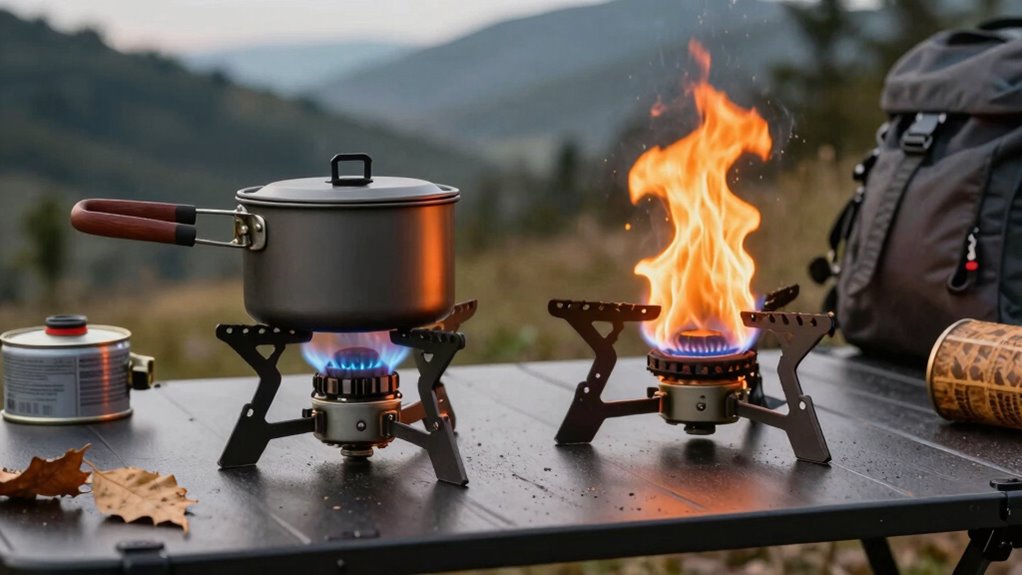
Balancing power, portability, and fuel use can be tricky, but understanding your priorities makes it easier. You’ll want to take into account how much power you need versus how lightweight and compact the stove is, especially for backpacking. Additionally, looking for fuel efficiency tips and wind-resistant features helps guarantee your stove performs well in different conditions. For those seeking a reliable source of power, a flat iron bike generator can be an innovative option to consider for off-grid cooking needs.
Power vs. Portability Balance
Finding the right stove often means juggling power, portability, and fuel efficiency to meet your needs. You want enough power for a good cooking surface but also a compact design for easy transport. Consider how the user interface affects operation—some stoves have simple dials, others digital controls. To visualize, think of this table:
| Power Level | Portability | Cooking Surface | User Interface | Fuel Efficiency |
|---|---|---|---|---|
| High BTUs | Heavy | Large | Complex | Moderate |
| Moderate | Medium | Medium | Simple | Good |
| Low | Light | Small | Intuitive | Excellent |
| Very High | Heavy | Extra-large | Advanced | Less efficient |
| Compact | Very Light | Small | Basic | Varies |
Balance your needs by prioritizing power for cooking, while keeping portability manageable, and choosing an interface that’s easy for you. Additionally, understanding the fuel efficiency of different models can help you select a stove that conserves fuel during extended use.
Fuel Efficiency Strategies
When choosing a camp stove, optimizing fuel efficiency can help you get the most out of each tank while maintaining the power and portability you need. To do this, consider these strategies:
- Use efficient cooking techniques—cover pots to retain heat, simmer instead of boil, and avoid opening lids unnecessarily.
- Perform regular stove maintenance—clean burners, check seals, and ensure proper fuel flow to maximize combustion efficiency.
- Select the right stove settings—use the lowest effective flame and match burner size to pot diameter to minimize fuel waste.
Wind Resistance Features
Wind resistance features are essential for maintaining stove performance in outdoor conditions, allowing you to cook efficiently without wasting fuel. When choosing a two-burner stove, look for built-in wind shields or flame guards that protect the burners from gusts. These features help conserve fuel, especially in harsh weather, and ensure consistent heat for cooking. Good campfire safety involves managing wind to prevent accidents, so quality wind resistance can also reduce risks. Regular stove maintenance, like cleaning burners and checking for damage, keeps wind shields effective. Balancing power, portability, and fuel use means selecting a stove with reliable wind resistance without adding unnecessary bulk. This way, you stay safe, conserve fuel, and enjoy efficient cooking in any outdoor environment.
Tips to Maximize Your Stove’s Performance and Save Fuel on Camping Trips
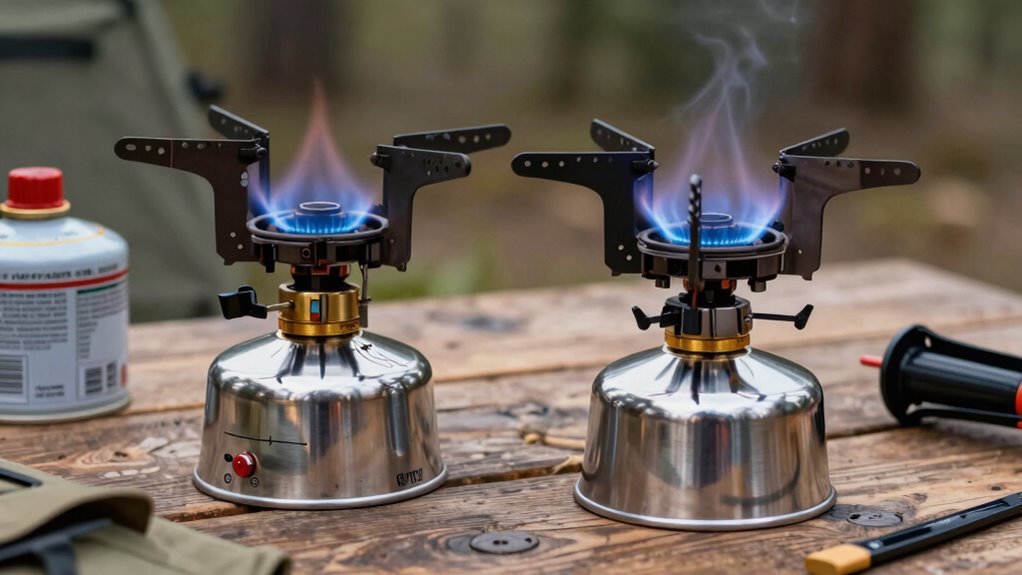
To get the most out of your two-burner camp stove and conserve fuel, it’s essential to optimize its performance with simple adjustments. First, always prioritize cooking safety by keeping flammable materials away and ensuring proper ventilation. Second, regularly perform stove maintenance, such as cleaning burners and checking fuel connections, to keep it running efficiently. Third, use the right pot size; a snug fit improves heat transfer and reduces wasted fuel. Additionally, preheating water or food before placing it on the stove can cut down cooking time. By maintaining your stove and following these tips, you’ll extend fuel life and ensure safe, effective cooking during your camping trips. Proper care and attention make a noticeable difference in performance and safety.
Frequently Asked Questions
How Do Different Fuel Types Affect Stove Performance and Safety?
Different fuel types impact your stove’s performance and safety markedly. Gasoline and white gas offer high heat but pose safety risks due to flammability and fumes. Propane and butane are safer, easier to store, and provide consistent performance, even in wind. Always consider fuel safety and performance variations when choosing a fuel, and follow manufacturer instructions to prevent accidents and guarantee ideal stove operation during your trip.
What Maintenance Is Required to Keep a Two-Burner Stove Efficient?
Think of your stove as a trusted friend needing regular care. To keep it running smoothly, you should follow cleaning routines like wiping down surfaces and checking for clogs. Store it in a dry, protected spot to prevent rust. Remember how a neglected bike loses its shine? Your stove’s efficiency depends on proper maintenance, so give it a thorough clean after each trip and store it safely to guarantee peak performance every time.
Can Two-Burner Stoves Be Used for Baking or Only Boiling and Frying?
You can use a two-burner stove for more than boiling and frying; it offers good cooking versatility, including baking capabilities with the right accessories. By placing a compatible pan or oven attachment on one burner, you can bake bread, cookies, or small dishes. While not designed specifically for baking like a traditional oven, with some creativity, your stove becomes a versatile cooking tool for various recipes beyond basic stove-top cooking.
How Does Altitude Influence Stove Performance and Fuel Consumption?
Imagine your stove battling thinner mountain air, where oxygen levels drop and flames dance less fiercely. Altitude adjustments become vital, as reduced oxygen makes your stove less efficient, increasing fuel consumption. You’ll notice longer cooking times and weaker flames, so you need to tweak your stove settings. By compensating for altitude, you guarantee your meals cook properly despite the thin air, keeping your campfire experience smooth and enjoyable.
Are There Eco-Friendly or Biodegradable Fuel Options Available?
Yes, eco-friendly fuel options like biodegradable fuels are available for your camp stove. These fuels break down more quickly and cause less environmental harm than traditional options. You might consider bioethanol, alcohol-based fuels, or other biodegradable variants. Using these eco-friendly fuels helps reduce your carbon footprint and minimizes pollution, making your camping experience more sustainable. Always check your stove’s compatibility before switching to biodegradable or eco-friendly fuel options.
Conclusion
Choosing the right two-burner camp stove means finding that perfect balance between power, wind resistance, and fuel efficiency. As you pack your gear, you might find yourself surprised how a small adjustment—like a windscreen—can save fuel and boost performance. Sometimes, it’s those little details that turn a good camping trip into a great one. So trust your instincts, stay adaptable, and enjoy the unexpected joys of outdoor cooking.
Fall Picks
fall essentials
As an affiliate, we earn on qualifying purchases.