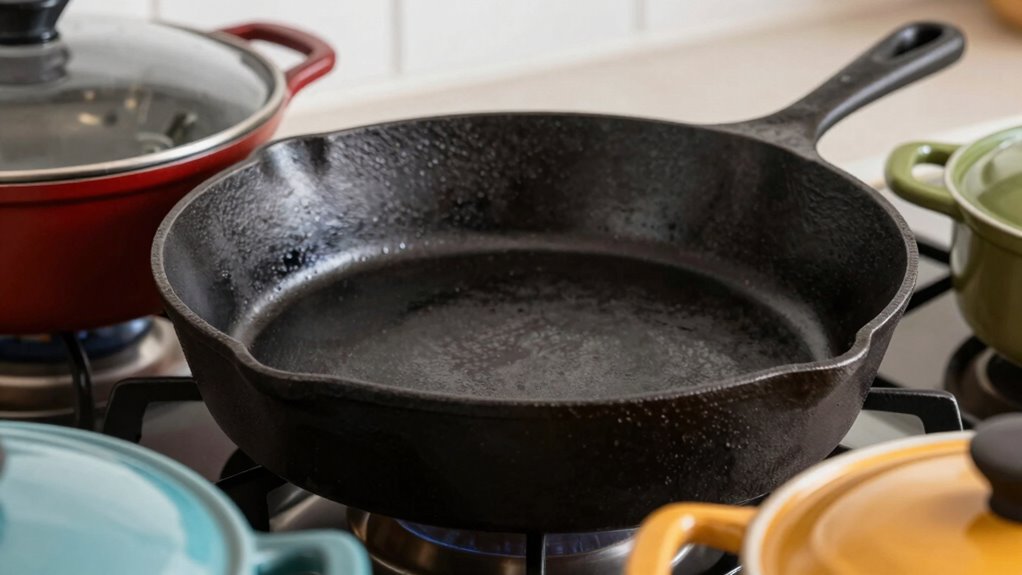

A high-quality cast iron skillet can truly replace many of your pans with its versatility, durability, and excellent heat retention. Choose a trusted brand like Lodge or Le Creuset for reliable performance and easy maintenance. Opt for the right size and shape based on your cooking needs, and don’t forget to care for it properly. If you want tips on finding the best models for your budget and style, keep exploring—there’s so much more to discover.
Key Takeaways
- A high-quality 10-12 inch cast iron skillet offers versatile cooking, replacing multiple pans like frying, baking, and sautéing tools.
- Trusted brands like Lodge and Le Creuset ensure durability and excellent performance across different budgets.
- Proper seasoning and maintenance extend lifespan, making a cast iron skillet a long-term, all-in-one kitchen solution.
- Cast iron skillets can handle a variety of recipes, from searing steaks to baking desserts, reducing the need for separate cookware.
- Budget-friendly options pre-seasoned and durable provide great value, ensuring versatility without sacrificing quality.
Why a Cast Iron Skillet Is the Best All-in-One Cookware
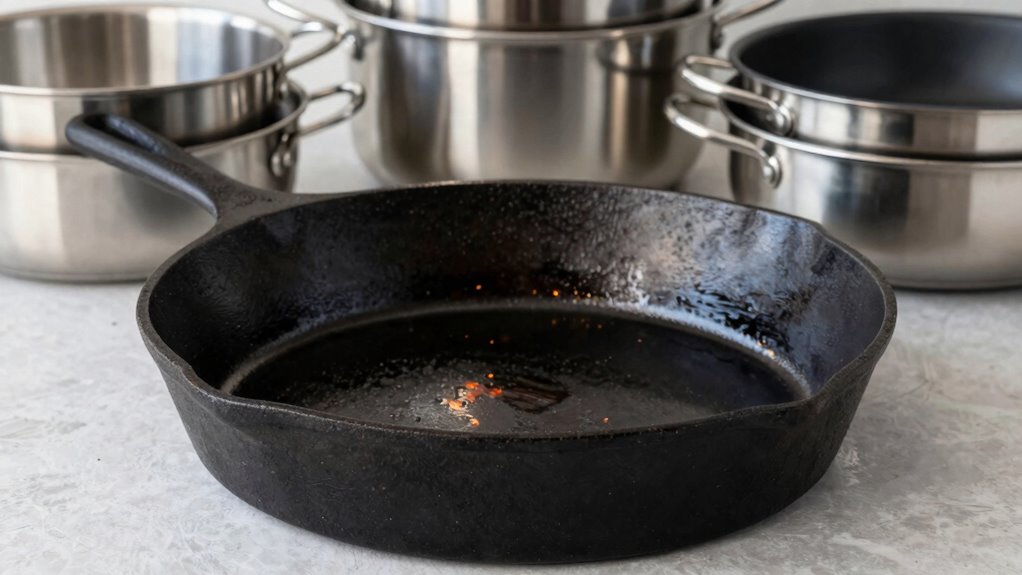
A cast iron skillet is the ultimate all-in-one cookware because it can handle a wide range of cooking tasks with ease. Its seasoned surface develops a natural non-stick layer over time, making your cooking smoother and cleanup easier. This seasoned surface also enhances flavor, giving your dishes a richer taste. Plus, cast iron’s exceptional heat retention means it stays hot longer, ensuring even cooking whether you’re searing steaks or simmering stews. You won’t need multiple pans; one skillet can fry, bake, sauté, and more. Its durability means it can withstand high temperatures and frequent use without warping or wearing out. Properly maintaining and seasoning your skillet can further improve its performance, which is essential for maximizing its longevity and versatility. Making sure to season your skillet regularly will help build up that ideal non-stick surface and protect it from rust. With proper care, your cast iron skillet will become a reliable kitchen workhorse, simplifying your cooking process and delivering consistent results every time.
How to Choose the Right Cast Iron Skillet for Your Kitchen

Selecting the right cast iron skillet depends on your cooking habits and kitchen space. Consider how often you’ll use it and what dishes you’ll prepare—this influences size and shape choices. To keep your skillet in top condition, mastering seasoning techniques is essential; a well-seasoned skillet improves non-stick performance and prevents rust. Think about storage solutions as well—choose a skillet that fits comfortably in your cabinet or hangs easily on a wall. A durable, pre-seasoned skillet requires less maintenance and saves you time. If you’re new to cast iron, starting with a versatile medium-sized pan can cover most tasks. Additionally, choosing a skillet with European cloud innovation can offer enhanced durability and energy-efficient manufacturing, ensuring your cookware supports sustainable practices. Proper care and maintenance extend the lifespan of your skillet and keep it performing at its best. Remember, the right skillet should complement your cooking style and fit seamlessly into your kitchen setup. Incorporating ergonomic design features can also improve handling and safety during cooking, and selecting a skillet with advanced manufacturing techniques can further enhance its longevity. Investing in a skillet with innovative construction methods can provide added strength and heat retention for more consistent cooking results.
What Size and Shape Should You Pick?

Choosing the right size and shape for your cast iron skillet depends on what you cook most often. If you prepare family-sized meals, a larger skillet works best, while a smaller one suits quick snacks. Consider the shape too—round or square—to match your cooking style and storage space. Additionally, easy document management can help you keep track of your cookware and recipes for better organization. Proper seasoning techniques also play a crucial role in maintaining skillet performance and longevity. Understanding material properties of cast iron can further inform your selection and care routines, ensuring your skillet remains a versatile and durable kitchen tool for years to come. Knowing the thermal conductivity of cast iron can help you optimize heat distribution during cooking, improving your results and efficiency. Being aware of heat retention properties can also guide you in choosing a skillet that maintains consistent cooking temperatures.
Optimal Size Choices
The size and shape of your cast iron skillet can considerably impact your cooking experience. When considering size considerations, think about your typical cookware capacity needs. A 10-inch skillet offers versatility for most tasks, such as frying, sautéing, and baking, making it a popular choice for many households. If you often cook for one or two people, a 8-inch skillet might suffice, providing easier handling and quicker heating. For larger families or batch cooking, a 12-inch skillet provides more surface area. Keep in mind that larger skillets require more storage space and can take longer to heat evenly. Additionally, consider the wave and wind effects on heat distribution, especially for larger skillets, to ensure even cooking. The appropriate size can also influence your ability to use the skillet on various stove types and in different oven settings, affecting overall performance. Understanding the heat retention properties of cast iron can help you choose the right size for your needs, as well as how the skillet’s material composition influences heat distribution and retention. Moreover, considering the size and shape can help optimize your cooking results and ease of use. Ultimately, selecting the right size depends on your cooking style, household size, and the amount of food you usually prepare.
Suitable Shape Options
The shape of your cast iron skillet influences how you cook and what dishes you can prepare. When choosing a shape, consider the following:
- Round vs. Square – Round skillets are versatile for most cooking styles, while square ones excel at frying and searing.
- Depth and Rim Style – Shallow pans are great for pancakes, while high-rimmed options suit sautéing.
- Grip Styles – Look for handles that offer a comfortable grip, whether a loop handle or a helper handle for better control.
- Handle Materials – Handles made from heat-resistant materials like silicone or metal improve safety and ease of use during stovetop and oven cooking.
- Surface Finish and Seasoning – Proper seasoning techniques enhance non-stick properties and durability, ensuring your skillet remains in optimal condition over time.
Choosing the right shape, grip style, handle material, and surface finish helps you maximize your skillet’s functionality and comfort.
Top Budget-Friendly Cast Iron Skillets That Deliver
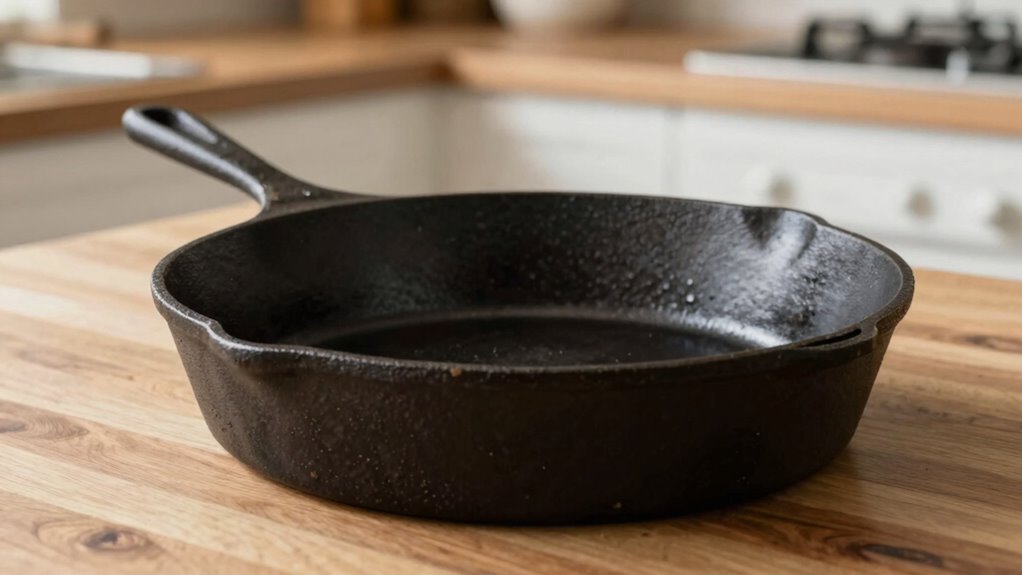
If you’re looking for a reliable cast iron skillet that won’t break the bank, there are plenty of budget-friendly options that deliver excellent performance. Many affordable skillets come pre-seasoned, giving you a seasoned finish right out of the box, which means less initial work for you. Look for models with a comfortable handle, as this enhances control and reduces fatigue during use. Even at a lower price point, these skillets heat evenly and retain heat well, making them versatile for searing, frying, and baking. While they might not have all the bells and whistles of high-end options, these budget picks are durable, easy to care for, and perfect for everyday cooking. They also often feature even heat distribution, which is essential for consistent cooking results. They’re a smart investment to start your cast iron collection without overspending. Additionally, choosing a vetted brand can ensure you’re getting a quality product that will last for years. For added peace of mind, selecting a trusted manufacturer can also mean better customer support and warranty options. Furthermore, selecting a well-reviewed skillet can help ensure you’re making a reliable choice that meets your cooking needs. Moreover, paying attention to product reviews can provide valuable insights into real-world performance and durability.
Mid-Range and Premium Cast Iron Skillets Worth Investing In

When choosing mid-range or premium cast iron skillets, you’ll notice they often offer greater durability and last for generations. Their versatility in cooking allows you to use them for everything from searing steaks to baking cornbread. While they may cost more upfront, their long-term value and performance make them a worthwhile investment. Additionally, seasoning and maintenance are essential for ensuring your skillet remains non-stick and corrosion-resistant over time. Proper care practices can significantly extend the lifespan of your skillet and maintain its optimal cooking surface. Understanding material quality can also help you select a skillet that meets your specific cooking needs and withstands daily use over many years. Choosing a high-quality cast iron with appropriate construction can further enhance its heat retention and overall performance. Regularly evaluating manufacturing standards can ensure you’re purchasing a skillet built for durability and consistent performance.
Durability and Longevity
Mid-range and premium cast iron skillets stand out for their exceptional durability and long-lasting performance, making them a smart investment for serious cooks. Their seasoned surface develops a natural non-stick layer that improves with use, enhancing longevity. These skillets also offer excellent corrosion resistance when properly maintained. To maximize lifespan, consider these key aspects:
- Regularly season your skillet to maintain a durable, seasoned surface.
- Avoid soaking in water to prevent rust and corrosion.
- Use minimal soap during cleaning to preserve the seasoning.
- Store in a dry place, applying a light coat of oil if storing long-term.
Versatility in Cooking
A well-crafted cast iron skillet excels in versatility, making it an essential tool for a wide range of cooking techniques. With proper cast iron maintenance, you can seamlessly switch from searing steaks to baking cornbread, all while enhancing flavor. Premium skillets distribute heat evenly, allowing you to cook with precision. To maximize their potential, learn seasoning and cleaning methods that preserve the skillet’s non-stick surface and flavor-enhancing qualities. Regular cast iron maintenance ensures your skillet remains in top condition and continues to perform well over time. Here’s a quick comparison:
| Feature | Mid-Range Skillet | Premium Skillet | Benefits |
|---|---|---|---|
| Heat Distribution | Good | Excellent | Consistent cooking, better flavor |
| Durability | Durable | Extremely durable | Long-lasting, retains seasoning |
| Maintenance | Easy with proper care | Requires advanced care | Maintains seasoning, flavor enhancement |
Price and Value
Determining whether a mid-range or premium cast iron skillet offers the best value depends on your cooking needs and budget. When doing a price comparison, consider these factors for value assessment:
- Build quality – Premium skillets often have better seasoning and durability, lasting decades.
- Cooking performance – Higher-end options heat more evenly, improving results.
- Price point – Mid-range options are affordable, while premium pans command a higher price.
- Longevity – Investing in a premium skillet can mean fewer replacements over time, saving money long-term.
Balancing cost with features ensures you pick a skillet that delivers the best bang for your buck, whether you prioritize affordability or top-tier quality.
How to Care for Your Cast Iron Skillet for Lasting Performance
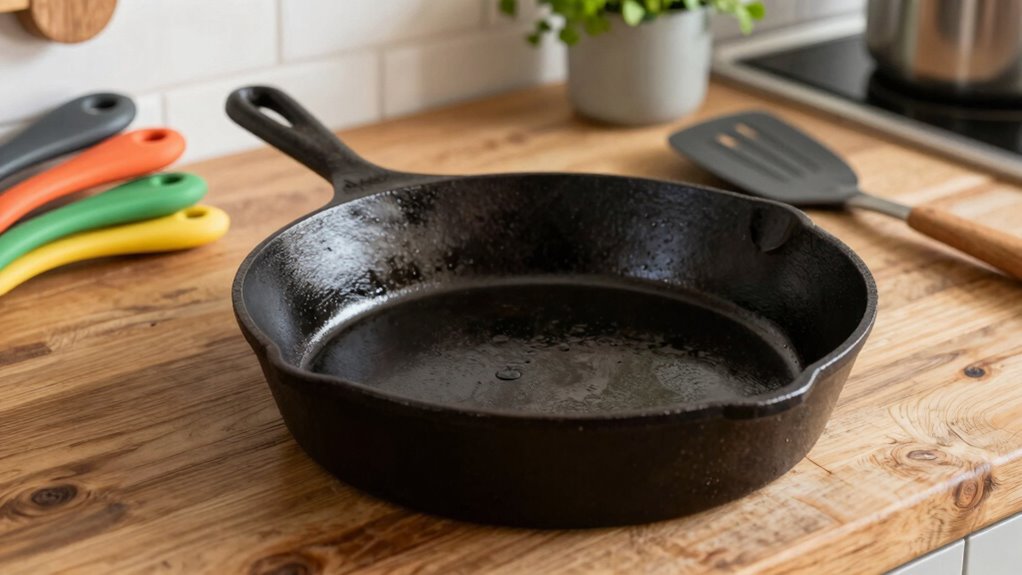
To guarantee your cast iron skillet stays in top condition for years to come, proper care is essential. Start by maintaining a well-seasoned surface, which creates a natural non-stick coating and protects against rust. After each use, clean your skillet with hot water and a brush or non-abrasive scrubber—avoid soap, which can strip the seasoning. Dry it thoroughly to prevent moisture that causes rust, and apply a light coat of oil before storing. Regularly reseason the skillet as needed to restore its seasoned surface and enhance rust prevention. Avoid soaking it in water or leaving it wet. With proper care, your cast iron skillet will develop a durable, non-stick surface and serve you well for many years.
Easy and Delicious Recipes to Try in Your Cast Iron
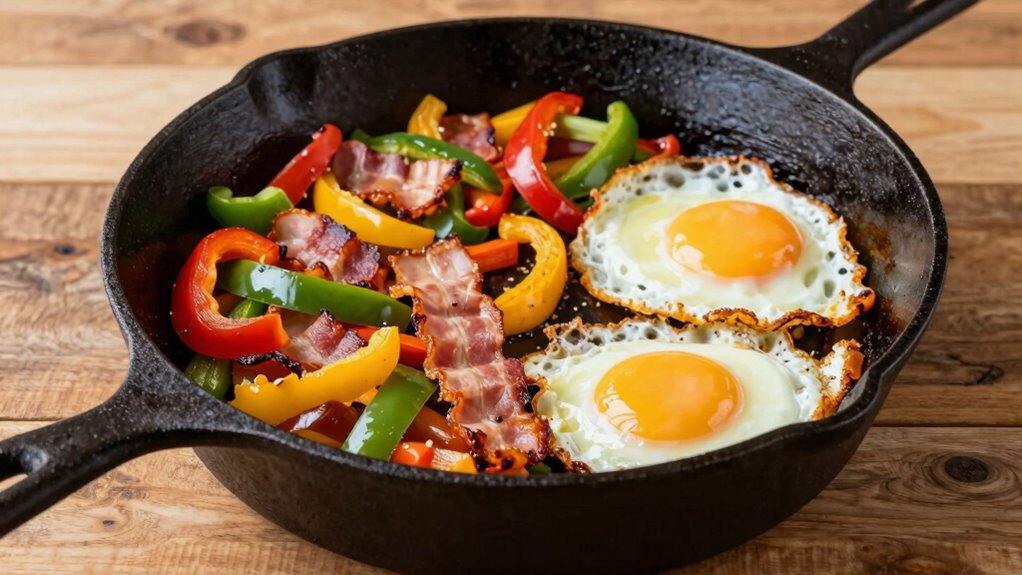
You can make all your favorite meals right in your cast iron skillet, from breakfast classics to hearty dinners. Try whipping up perfect pancakes or a one-pan pasta dish that’s easy and flavorful. Don’t forget to satisfy your sweet tooth with a warm brownie or a savory snack like stuffed peppers.
Perfect Breakfast Favorites
Are breakfast favorites really complete without that perfect cast iron skillet? It’s your go-to for a hearty, satisfying skillet breakfast. With its even heat distribution, you can create delicious breakfast ideas that impress. Here are four top picks to try:
- Classic hash browns with crispy edges
- Sizzling bacon and eggs combo
- Frittata loaded with veggies and cheese
- Dutch baby pancake for a sweet start
These recipes are easy to prepare and perfect for showcasing your cast iron’s versatility. Whether you’re making a quick breakfast or a weekend brunch, this skillet helps you achieve that perfect golden crust and balanced flavors. Elevate your breakfast game with these simple, tasty skillet breakfast ideas that everyone will love.
One-Pan Dinner Ideas
A cast iron skillet isn’t just for breakfast—it’s perfect for one-pan dinners that come together quickly and taste fantastic. Whether you’re meal prepping for the week or enjoying outdoor cooking, this pan simplifies dinner. You can sear, sauté, and roast all in one dish, minimizing cleanup and maximizing flavor. Imagine flipping a juicy chicken, then adding vegetables for a colorful, hearty meal—all in a single skillet. Its versatility makes it your go-to for weeknight dinners or camping trips. Plus, the even heat distribution ensures each bite is perfectly cooked. With a cast iron, you’re always ready for spontaneous outdoor cooking or stress-free meal prep sessions.
| Meal Type | Favorite Dish |
|---|---|
| Weeknight | One-pan chicken and veggies |
| Outdoor | Skillet steak and potatoes |
| Meal prep | Baked frittata in cast iron |
| Quick bites | Shrimp and vegetable stir-fry |
| Casual | Breakfast-for-dinner skillet |
Sweet and Savory Snacks
Sweet and savory snacks cooked in a cast iron skillet are an easy way to satisfy cravings with minimal effort. These snacks not only taste great but also elevate snack presentation. Here are four ideas to get you started:
- Caramelized onion and goat cheese flatbread – perfect for a savory treat.
- Cast iron skillet brownie – pairs well with chocolate chip cookies for cookie pairings.
- Stuffed jalapeños – spicy and cheesy, great for sharing.
- Fried apple slices – sweet and crispy, ideal for dessert or a sweet snack.
These recipes are quick to prepare and make your snacks look irresistible. Using your skillet for both sweet and savory options simplifies your kitchen routine while impressing everyone.
Common Mistakes When Cooking and Caring for Cast Iron
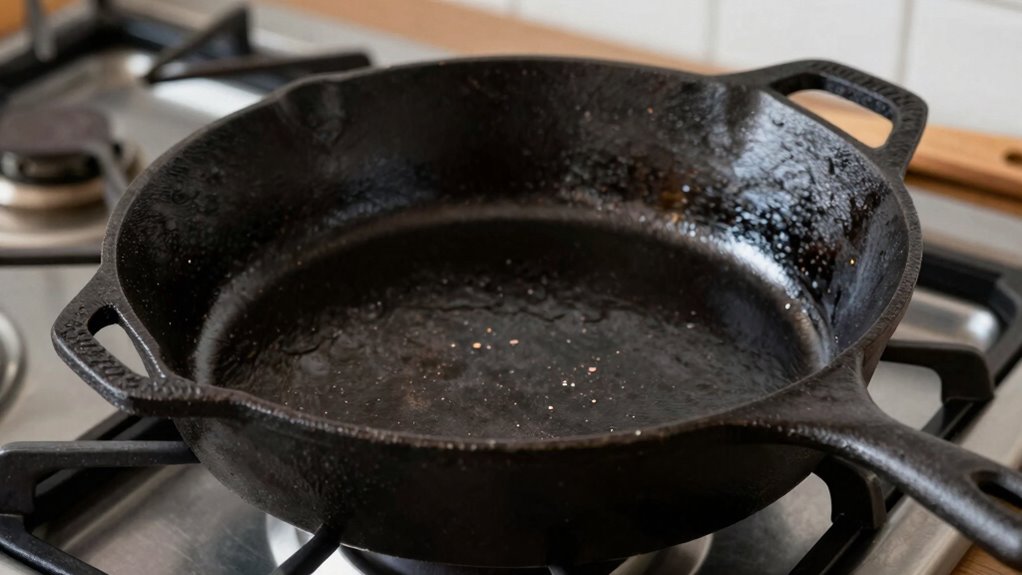
One of the most common mistakes when cooking with cast iron is neglecting proper seasoning and maintenance, which can lead to rust, sticking, and food that’s hard to release. To avoid this, focus on correct seasoning techniques; apply a thin layer of oil and heat the skillet to build up a natural non-stick surface. Many people also mishandle cleaning methods—using soap or soaking the pan can strip away the seasoning. Instead, clean your skillet with hot water and a brush, then dry it thoroughly to prevent rust. Reapply a light coat of oil after cleaning to maintain the seasoning. Skipping these steps causes deterioration over time and diminishes your skillet’s performance. Proper care guarantees your cast iron stays non-stick, rust-free, and ready for years of use.
How to Find the Best Cast Iron Skillet Brands and Sizes
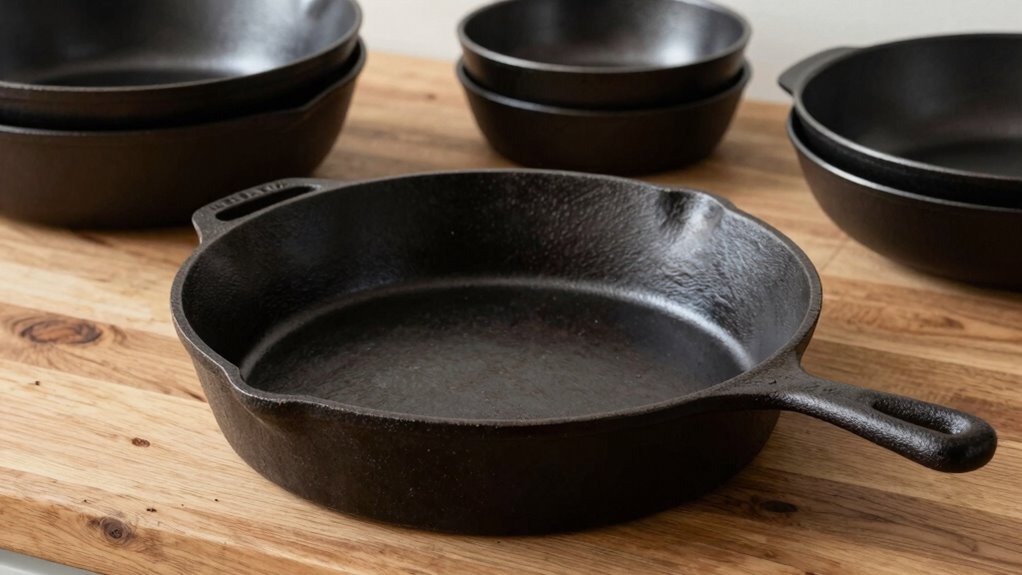
Choosing the right cast iron skillet begins with understanding the top brands and sizes that suit your cooking needs. Start by comparing materials—some brands offer enameled coatings, while others provide traditional seasoned cast iron. Next, consider brand reputation; trusted names like Lodge or Le Creuset ensure quality and durability. To narrow your choices, evaluate these factors:
- Size options—16 inches for family meals, 10-12 inches for everyday use
- Material comparison—bare cast iron versus enameled surfaces
- Handle design—comfort and heat resistance
- Price range—budget-friendly vs. premium options
Tips for Selecting a Cast Iron Skillet Based on Your Cooking Style
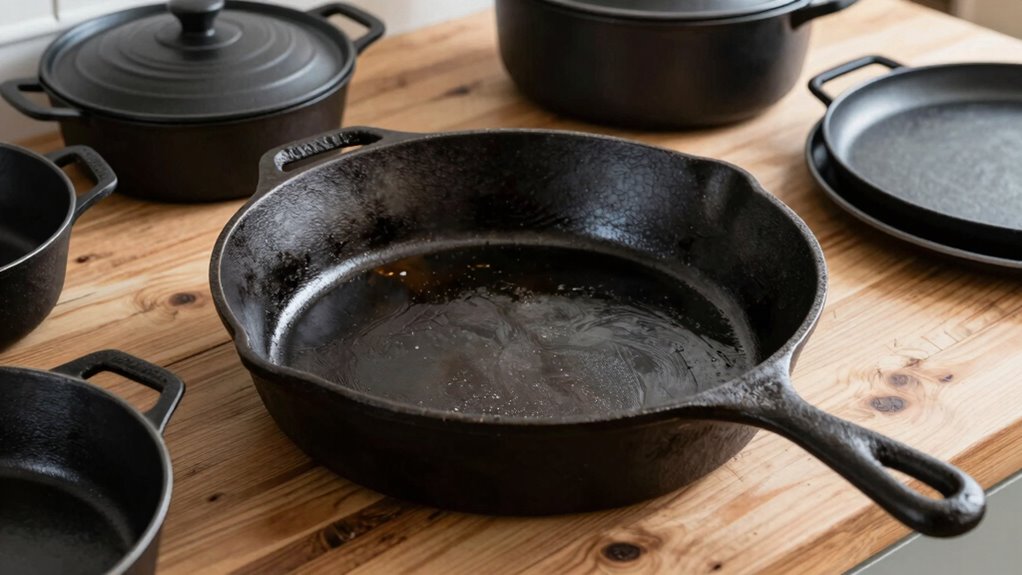
When selecting a cast iron skillet, it’s important to match its features to your specific cooking style. Consider your preferred cooking techniques—whether searing, frying, or baking—and choose a skillet that suits those needs. For example, if you often sear steaks, opt for a skillet with a smooth surface and excellent heat retention. Your seasoning methods also matter; some skillets require more frequent seasoning, while others develop a natural non-stick patina faster. Here’s a quick guide:
| Cooking Style | Recommended Features |
|---|---|
| Searing & Frying | Heavy, well-seasoned, even heat distribution |
| Baking | Larger size, oven-safe handles |
| Slow Cooking | Deep sides, consistent heat retention |
Matching your skillet to your cooking style ensures better results and easier maintenance.
Frequently Asked Questions
Can a Cast Iron Skillet Replace All My Non-Stick Pans?
A cast iron skillet is like a chameleon, adapting to many cooking needs. It can often replace your non-stick alternatives because of its excellent heat retention and durability. While some delicate foods might stick initially, proper seasoning makes it nearly non-stick. With cast iron versatility, you’ll find it handles everything from searing steaks to baking cornbread, making it a smarter, long-term investment than multiple non-stick pans.
Is It Safe to Cook Acidic Foods in Cast Iron?
Yes, you can cook acidic foods in your cast iron skillet, but you should be cautious. Acidic ingredients can cause acid corrosion, which may break down the seasoning maintenance on your skillet over time. To prevent this, avoid prolonged cooking of highly acidic dishes, and ensure your skillet is well-seasoned. This helps protect the surface and maintains your skillet’s non-stick qualities while reducing the risk of damage.
How Long Does a Cast Iron Skillet Typically Last?
You might be surprised to learn your cast iron skillet can last a lifetime with proper care. Typically, it offers incredible lifetime durability, often handed down through generations. To guarantee this, follow simple maintenance tips like regular seasoning and avoiding soap that strips the coating. If you treat it right, your cast iron skillet becomes an heirloom piece, cooking delicious meals for decades, maybe even forever.
Can I Use Soap to Clean My Cast Iron Skillet?
Yes, you can use soap to clean your cast iron skillet, but do so sparingly. Soap won’t ruin your seasoning maintenance if used occasionally, especially if you scrub gently. Most experts recommend avoiding soap frequently to preserve the skillet’s natural non-stick surface, but a mild soap and warm water are fine now and then. Just make sure you dry it thoroughly and lightly re-season if needed after cleaning.
Are There Any Health Benefits to Cooking With Cast Iron?
Cooking with cast iron offers health benefits like increased iron absorption, which can help prevent deficiencies. When you cook in a cast iron skillet, small amounts of iron leach into your food, boosting your intake naturally. This makes it especially beneficial for those prone to anemia or needing more iron. Plus, cast iron is durable and adds a touch of tradition, making it a smart, health-conscious choice for everyday cooking.
Conclusion
A cast iron skillet is your kitchen’s Swiss Army knife, ready to tackle any recipe with ease. With the right size and quality, it’ll become your trusty sidekick, turning everyday cooking into a culinary adventure. Don’t be afraid to invest in a good one—it’s like planting a seed for delicious meals to come. Once you master its care, your skillet will serve up perfection, making your cooking journey as smooth as butter melting in a hot pan.