TL;DR

Turn the school run and nap time into listening time
- Thousands of audiobooks, podcasts and originals
- Listen on your phone, tablet or Echo — also offline
- Cancel anytime
Ergonomic backpacks for students are designed to evenly distribute weight, reduce strain, and improve comfort. Look for adjustable straps, lumbar support, and lightweight materials. Recent innovations include tech integrations and eco-friendly fabrics, making them smarter choices for health-conscious families.
Ever felt that dull ache after a long day carrying a heavy bag? That’s your body signaling a problem. For students, a poorly fitted backpack can turn daily commutes into a pain parade. But a well-designed, ergonomic backpack can change that. It’s not just about style; it’s about health, support, and comfort.
In this guide, you’ll learn how to spot the best features, why recent tech innovations matter, and how to pick a backpack that supports your child’s growing body. Because a backpack isn’t just a bag—it’s a health tool.
Choose backpacks with adjustable straps, padded support, and lightweight, durable materials.
Match your child’s torso size with the backpack’s fit to ensure proper support.
Look for features like lumbar support, sternum straps, and multiple compartments for better weight distribution.
Recent innovations like tech integrations and eco-friendly fabrics add value and health benefits.
Regularly inspect and replace backpacks when signs of wear or poor fit appear.
What Makes an Ergonomic Backpack Actually Good for Students?
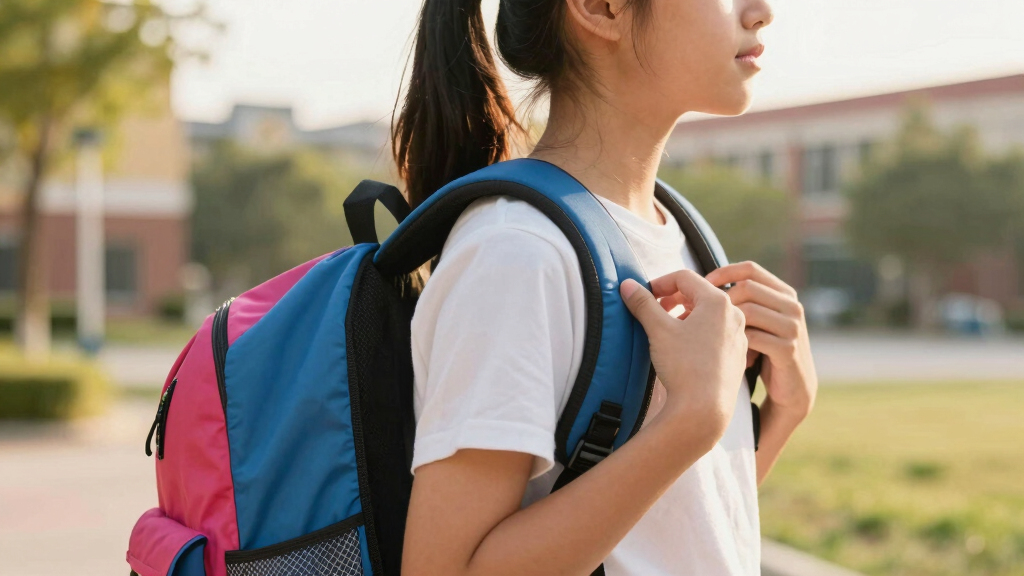
An ergonomic backpack is designed to fit comfortably while evenly distributing weight. Think padded shoulder straps, a padded back panel, and adjustable features that mold to your child’s body. Properly designed, such features help prevent common issues like neck strain, shoulder pain, and back fatigue, which can develop from uneven weight distribution or poor fit. When weight is distributed correctly, it reduces the risk of musculoskeletal problems over time, especially as children grow and carry heavier loads.
Look for models with multiple compartments, waist belts, and sternum straps. These features prevent the weight from pulling forward or causing uneven pressure. And don’t forget lightweight, durable materials that won’t add unnecessary bulk. For instance, a backpack weighing under 2 pounds that can carry 20-25% of a student’s weight is ideal. The right combination of features supports proper posture, reduces discomfort, and encourages healthy habits early on.
ergonomic student backpack with lumbar support
As an affiliate, we earn on qualifying purchases.
As an affiliate, we earn on qualifying purchases.
How to Pick the Perfect Fit — 3 Simple Steps
- Measure your child’s torso length and shoulder width. Many brands have sizing charts to match. Accurate measurements ensure the backpack aligns with your child’s body, reducing strain caused by ill-fitting gear.
- Check if the backpack’s shoulder straps are adjustable and padded. They should sit snugly without digging in, providing support without restricting movement. Proper padding and adjustability help distribute weight evenly and prevent discomfort during prolonged wear.
- Load the backpack with typical items (books, lunch, tablet) and see if it sits comfortably without sagging or pulling. A well-fitting backpack should sit close to the back, with the weight balanced across the shoulders and hips, minimizing strain. This step ensures the fit is not just theoretical but practical for daily use, promoting better posture and reducing fatigue.
adjustable padded shoulder backpack for kids
As an affiliate, we earn on qualifying purchases.
As an affiliate, we earn on qualifying purchases.
Compare Top Features of Leading Ergonomic Backpacks
| Feature | SwissGear | Ergobag | JanSport |
|---|---|---|---|
| Adjustable straps | Yes | Yes | Limited |
| Lumbar support | Yes | Yes | No |
| Material | Water-resistant polyester | Eco-friendly recycled fabrics | Durable nylon |
| Tech features | USB port, anti-theft | None | Basic |
lightweight eco-friendly school backpack
As an affiliate, we earn on qualifying purchases.
As an affiliate, we earn on qualifying purchases.
Why Recent Tech and Eco-Friendly Materials Matter
Today’s backpacks aren’t just about comfort. They’re smarter and greener. For example, some models include built-in charging ports, so your child can juice up a tablet during class. Others have GPS tracking to prevent lost bags—helpful for younger students or busy campuses.
Eco-conscious options use recycled fabrics, reducing environmental impact. Imagine a backpack made from plastic bottles, sturdy enough to last through the school year but gentle on the planet. Recent innovations focus on lightweight, sustainable materials that support health and the environment alike.
These technological and material advancements not only add convenience but also align with a growing emphasis on sustainability and safety. Tech features like charging ports are especially useful given the increasing reliance on electronic devices, but they should complement ergonomic design rather than replace it. Eco-friendly fabrics demonstrate a commitment to reducing waste and promoting sustainability, which is increasingly important for environmentally conscious families. The tradeoff involves considering whether added features and eco-friendly materials justify potential increases in cost or weight, but their benefits in health, convenience, and environmental impact make them valuable investments.
tech integrated ergonomic backpack for students
As an affiliate, we earn on qualifying purchases.
As an affiliate, we earn on qualifying purchases.
How to Prevent Back Pain With the Right Backpack and Habits
Ergonomic backpacks can reduce back pain, but only if used properly. Always pack heavier items close to your back, in the middle of the bag, to keep the load balanced. This placement minimizes the leverage effect that can strain the spine and muscles. Encourage your child to take breaks from heavy loads and avoid overstuffing, which forces the back into awkward postures and increases strain. Teaching proper packing habits ensures the ergonomic features of the backpack are effective, and over time, helps establish good posture habits that prevent chronic pain. For example, a student who regularly carries 25 pounds of books can switch to a backpack with a waist belt and padded straps, ensuring the weight stays close to the hips and shoulders, reducing strain and promoting healthier alignment. Consistent habits like adjusting straps and carrying weight evenly are essential for maximizing the benefits of ergonomic design and preventing discomfort.
When Is It Time to Replace an Ergonomic Backpack?
Signs like frayed straps, broken zippers, or a sagging back panel mean it’s time for a new one. But beyond visible wear, consider how well the backpack continues to support your child’s changing body. As children grow, their torso length and shoulder width may change, making an older backpack less effective or even harmful if it no longer fits properly. If the backpack no longer distributes weight evenly or causes discomfort, it’s a sign to replace it. Regularly inspecting for wear and tear, and paying attention to how your child feels after carrying it, ensures the backpack remains a supportive health tool. An ill-fitting or worn-out backpack can lead to poor posture habits and discomfort, so proactive replacement helps maintain health and comfort over the years.
Ultimately, the goal is to ensure the backpack continues to support proper alignment and comfort, adapting as your child’s needs evolve. This proactive approach minimizes the risk of developing musculoskeletal issues and promotes lifelong healthy habits.
Frequently Asked Questions
How do I know if a backpack fits my child’s body properly?
Measure their torso length and shoulder width. The backpack should sit comfortably without sagging or pinching, with adjustable straps that allow a snug fit. Load it with typical books to see if it distributes weight evenly.Are ergonomic backpacks more expensive than regular ones?
They can be, but the investment pays off by reducing health issues. You can find quality ergonomic backpacks across various price points, from budget-friendly to premium models.Can ergonomic backpacks really prevent back pain?
Yes, when used correctly, they significantly lower the risk of back and shoulder strain. Proper fit, weight management, and good habits are key to maximizing their benefits.What features should I prioritize for a middle school student?
Focus on durability, adjustable straps, lumbar and shoulder support, laptop compartments, and safety features like reflective elements for low-light visibility.How often should I replace my child’s backpack?
When it shows signs of wear, no longer fits properly, or doesn’t support ergonomic needs. Regular checks help keep your child comfortable and protected.Conclusion
A well-chosen ergonomic backpack isn’t just about avoiding back pain; it’s about fostering good habits early. A supportive, properly fitted bag can turn a daily grind into a healthier, more comfortable experience for your child.
Remember, a backpack is a health tool—use it wisely. Invest in one that supports growing bodies, and your child’s back will thank you for years to come.
Halloween Picks
halloween
As an affiliate, we earn on qualifying purchases.