
TL;DR

Turn the school run and nap time into listening time
- Thousands of audiobooks, podcasts and originals
- Listen on your phone, tablet or Echo — also offline
- Cancel anytime
Ergonomic backpacks distribute weight evenly, reducing strain on young bodies. Look for adjustable straps, proper size, and supportive features. Recent innovations include smart tech and eco-friendly materials.
Ever seen a student struggling with a heavy, lopsided backpack? That’s more than just an annoyance — it can cause real pain over time. The good news? An ergonomic backpack can change everything, helping kids carry their books comfortably and stay healthy.
In this guide, you’ll learn how to pick a backpack that fits perfectly, supports good posture, and even looks cool. Because a smart choice today keeps back pain at bay tomorrow.
Choose backpacks with adjustable straps and padded panels for a perfect fit.
Keep weight under 10-15% of your child’s body weight to avoid back problems.
Look for innovative features like weight sensors and eco-friendly fabrics.
Teach kids how to pack and wear their backpacks correctly every day.
Invest in quality; it saves money and pain in the long run.
How to Spot a Backpack That Won’t Hurt Their Back
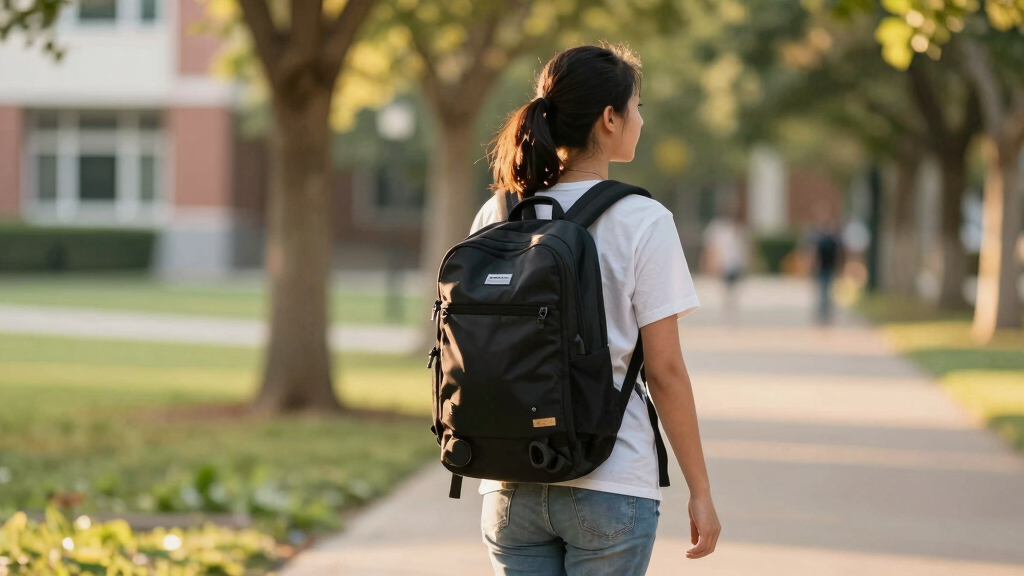
Choosing an ergonomic backpack starts with fit. It should sit comfortably on your child’s back without sagging or pinching. Adjustable straps and padded panels make a huge difference. Think of it like a well-fitted pair of shoes — it should feel natural and supportive.
For example, a 10-year-old with a backpack that extends past their waist or sits too high can strain their shoulders and back. Look for models with a contoured shape that follows the natural curve of their spine.
Tip: Have your kid stand upright and pack the backpack. Adjust straps so it rests snugly against their back, with the bottom sitting around waist level. Proper fit ensures that the weight is distributed evenly, reducing localized pressure points that can lead to discomfort or long-term postural issues. Remember, a poorly fitted backpack may cause your child to lean forward or sideways, which over time can lead to muscular imbalances and chronic pain. The key is to find a balance between snugness and freedom of movement, so their muscles are supported without restriction.
ergonomic student backpack with adjustable straps
As an affiliate, we earn on qualifying purchases.
As an affiliate, we earn on qualifying purchases.
The 3 Most Important Features in an Ergonomic Backpack
| Feature | Why It Matters |
|---|---|
| Adjustable straps | Properly adjustable straps are crucial because they allow the backpack to fit a wide range of body sizes and clothing layers. When straps are too tight or too loose, the weight distribution becomes uneven, leading to muscle strain and postural problems. Adjustable straps also accommodate growth, meaning the backpack can be used longer without replacing it. This flexibility helps prevent the temptation to overload or improperly fit the bag, which can cause discomfort or injury. |
| Multiple compartments | Having several compartments isn’t just about organization; it plays a vital role in weight management. Distributing items across multiple sections helps balance the load, reducing pressure points and strain on specific muscles. Additionally, organized compartments enable students to pack lighter by prioritizing essential items, which minimizes unnecessary weight that can cause fatigue and discomfort. Proper compartmentalization also encourages better packing habits, fostering long-term ergonomic benefits. |
| Padded back panel & straps | Padded features are essential because they cushion contact points, reducing pressure and chafing, especially during extended wear. They help distribute weight more evenly across the back and shoulders, decreasing the risk of soreness and skin irritation. Comfort is a key factor in encouraging consistent use of ergonomic backpacks; if a bag is uncomfortable, kids may be tempted to carry it improperly or avoid using it altogether, negating ergonomic benefits. Well-padded backs and straps are an investment in both immediate comfort and long-term musculoskeletal health. |
supportive school backpack for kids
As an affiliate, we earn on qualifying purchases.
As an affiliate, we earn on qualifying purchases.
Why Smart Backpacks Are Changing the Game
Smart backpacks aren’t just about looking cool. They incorporate features that actively support healthy habits and prevent issues before they arise. Built-in charging ports keep devices powered without extra bags, while GPS tracking can help locate lost backpacks, reducing the need to replace or overstuff them. More importantly, weight sensors alert students when their pack exceeds recommended weight limits, encouraging better packing habits. These innovations promote awareness, making students more conscious of how they carry their belongings and reducing the likelihood of muscular strain or postural problems caused by overloading.
For instance, some models now feature integrated weight sensors that notify students if their backpack exceeds 15% of their body weight — a key threshold for minimizing back pain risks [2]. Such real-time feedback can empower students to adjust their habits proactively, fostering lifelong ergonomic awareness. Additionally, some backpacks sync with apps that provide packing tips or reminders to take breaks, further supporting healthy practices. The tradeoff is often cost and complexity, but the long-term health benefits can outweigh these concerns for many families.
Pro tip: Look for backpacks with removable tech features so they can be used for school or weekend adventures.
ergonomic backpacks with multiple compartments
As an affiliate, we earn on qualifying purchases.
As an affiliate, we earn on qualifying purchases.
Eco-Friendly Backpacks That Support the Planet and Your Kid
More brands are turning to recycled fabrics and sustainable manufacturing. Think bright, durable nylon made from ocean plastics or organic cotton. These options aren’t just good for the planet — they often feature the same ergonomic benefits as traditional models.
Imagine a backpack that looks sharp, feels sturdy, and helps reduce plastic waste. It’s a win-win for you and the environment.
Tip: Check product labels for certifications like OEKO-TEX or recycled content percentages to verify eco-claims.
eco-friendly ergonomic backpacks for students
As an affiliate, we earn on qualifying purchases.
As an affiliate, we earn on qualifying purchases.
Quick Guide: How to Pick the Perfect Backpack in 3 Easy Steps
- Measure your child’s torso length and choose a pack that sits around waist level.
- Check for adjustable straps, padded back panel, and multiple compartments.
- Test the fit by packing it with typical school supplies and having your child wear it for a few minutes.
Repeat these steps whenever you buy a new backpack to make sure it stays comfortable and supportive.
Should You Spend More on an Ergonomic Backpack?
Investing in a quality ergonomic backpack can cost between $40 and $100, but it’s worth it. Cheaper models often skimp on padding, adjustability, and durability, which can lead to discomfort and replacement costs down the line.
Think of it like choosing good shoes — a bit more upfront can save a lot of pain and expense later.
Research shows that properly designed backpacks can cut back pain reports by up to 50% among students [1].
How to Keep Your Kid’s Backpack from Becoming a Back Hazard
Teaching your child to pack smart is key. Load heavier books closest to their back, use compartments to balance weight, and avoid overstuffing. Also, remind them to take off the backpack when not needed — dragging it around adds unnecessary strain.
Picture a teen who reorganizes their bag daily, keeping only essentials. That simple habit can prevent back pain and make their day easier.
Frequently Asked Questions
How do I know if a backpack is the right size for my child?
Measure your child’s torso from the base of their neck to their waist and choose a pack that sits around waist level. It should feel snug but not tight, and the bottom shouldn’t hang lower than the hips.
Are ergonomic backpacks really worth the extra cost?
Yes. They often feature better padding, adjustability, and support, which can prevent back pain and last longer. Research shows they can reduce discomfort by up to 50% in students [1].
Can a heavy backpack cause permanent damage?
Carrying loads over 10-15% of body weight regularly can strain muscles and potentially lead to postural issues over time. It’s best to keep weight within safe limits and use ergonomic features to minimize risks.
What are some stylish ergonomic backpacks that kids will love?
Many brands now combine support with trendy designs, bright colors, and customizable patches. Look for popular outdoor or tech brands that prioritize ergonomic features without sacrificing style.
Conclusion
Picking an ergonomic backpack isn’t just about style — it’s about protecting your child’s health. Think of it like giving them a sturdy, well-fitting shield that helps them carry their world safely.
Next time you shop, focus on fit, support, and smart features. Because a well-chosen backpack can turn a simple school day into a comfortable, pain-free experience.
Fall Picks
fall essentials
As an affiliate, we earn on qualifying purchases.