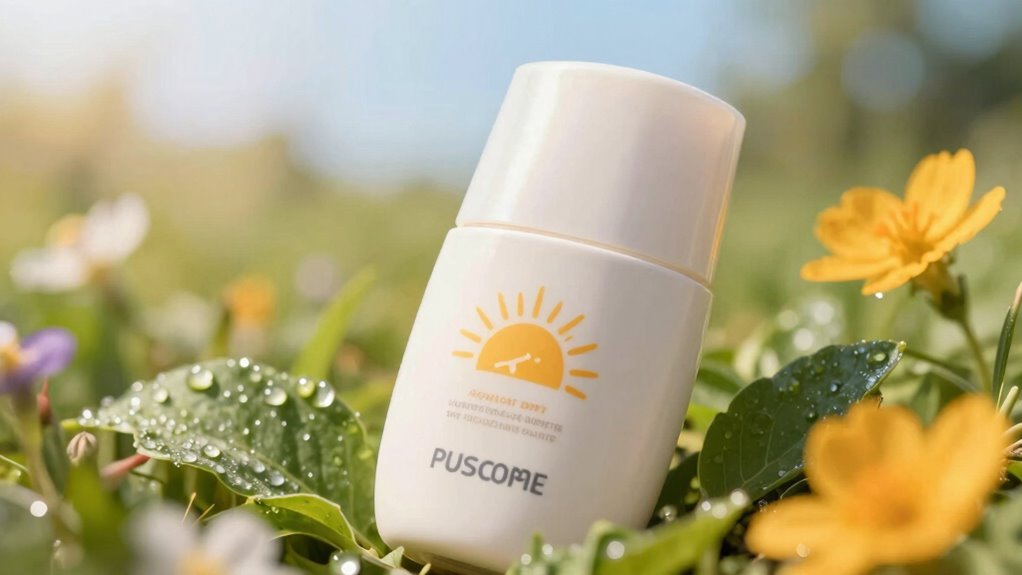

Smarter sunscreen formulas are designed to feel lightweight, quick-absorbing, and comfortable, making daily application much easier. They typically have a non-greasy, matte finish without white cast, so you don’t worry about makeup smudges or greasy films. Plus, advanced ingredients offer broad-spectrum protection while nourishing your skin, encouraging consistent use. As a result, applying sunscreen becomes a quick, simple step rather than a chore. Keep going, and you’ll discover how these improvements can truly transform your daily routine.

Turn the school run and nap time into listening time
- Thousands of audiobooks, podcasts and originals
- Listen on your phone, tablet or Echo — also offline
- Cancel anytime
Key Takeaways
- Lightweight, quick-absorbing formulas reduce application time and discomfort, making daily use more convenient.
- Non-greasy, matte finishes prevent oily or white cast appearances, boosting confidence and wearability.
- Transparent, seamless blends encourage consistent use without feeling heavy or irritating.
- Enriched with nourishing ingredients support skin health, adding extra benefits to daily application.
- Technological advances ensure high SPF protection in enjoyable, easy-to-wear textures, promoting regular use.

Applying daily sunscreen used to feel like a chore because many formulas left a greasy or sticky residue, making it easy to skip. Fortunately, recent sun protection innovations have transformed how we view and use sunscreen. Modern formulas now prioritize lightweight textures, quick absorption, and a non-greasy finish, which means you’re more likely to stick to your daily routine. These advancements aren’t just about comfort—they’re also about effectiveness. Newer sunscreens often incorporate high-tech ingredients that provide broad-spectrum protection without compromising on feel.
One key factor driving this shift is ingredient transparency. Brands now openly share what’s inside their products, which helps you make informed choices. You can avoid formulas with pore-clogging or irritating ingredients and opt for those with nourishing, skin-friendly components. This transparency fosters trust and encourages you to select sunscreens tailored to your skin type and concerns. When you know exactly what’s in your sunscreen, you’re less likely to experience unexpected breakouts or irritation, making the daily ritual less of a hassle.
The latest sun protection innovations focus on delivering high SPF protection while maintaining a light, breathable consistency. Chemical and mineral filters have evolved, with newer ingredients designed to blend seamlessly into your skin. Many formulas now boast a silky, matte finish that doesn’t leave behind a white cast or greasy film. This means you can wear sunscreen alone or under makeup without feeling weighed down or looking shiny. These improvements make it easier to incorporate sunscreen into your morning routine, transforming it from an extra step into a seamless part of your daily skincare. Additionally, technological advancements in formulation enhance user experience by making products more appealing to wear consistently.
Another exciting development is the incorporation of skin-nourishing ingredients like antioxidants, hyaluronic acid, or niacinamide, which enhance your skin’s health while protecting it from UV damage. These additions mean you’re not just applying a barrier but also giving your skin a boost. Such formulations are designed to be compatible with other skincare products, further simplifying your routine. As a result, applying sunscreen becomes less of a chore and more of a quick, beneficial step to start your day. Additionally, ingredient transparency is helping consumers select products that align with their skincare goals.
In essence, the combination of sun protection innovations and ingredient transparency has made daily sunscreen easier and more enjoyable to use. With formulas that feel light, absorb quickly, and provide reliable protection, you’re more motivated to wear it every day. This shift not only helps preserve your skin’s health but also encourages better habits—making that once-dreaded task something you actually look forward to.
As an affiliate, we earn on qualifying purchases.
Frequently Asked Questions
Can Sunscreen Formulas Be Suitable for Sensitive Skin?
Yes, sunscreen formulas can be suitable for sensitive skin if they’re designed with formulation compatibility in mind. Look for sunscreens labeled as hypoallergenic, fragrance-free, or designed for sensitive skin. These formulas typically avoid harsh chemicals and irritants, making them gentler on your skin. Always patch-test new products and choose mineral-based sunscreens with zinc oxide or titanium dioxide, which are less likely to cause irritation for sensitive skin types.
How Do Mineral and Chemical Sunscreens Differ in Formulations?
Mineral and chemical sunscreens differ mainly in formulation stability and ingredient absorption. Mineral sunscreens contain zinc oxide or titanium dioxide, which sit on your skin’s surface, offering stable protection without absorption concerns. Chemical sunscreens absorb into your skin, relying on ingredients like avobenzone or oxybenzone, which require stable formulation to prevent degradation. These differences affect how your skin reacts and how effective the protection remains over time.
Are There Eco-Friendly or Sustainable Sunscreen Options?
Yes, there are eco-friendly and sustainable sunscreen options that prioritize reef safety and biodegradable packaging. You can choose mineral sunscreens made with non-toxic ingredients that don’t harm marine life, opt for brands committed to reef safety, or buy products in biodegradable packaging that reduces plastic waste. These options protect your skin while also caring for the environment, making it easier to stay sun-safe and eco-conscious with every application.
Do Better Formulas Prevent Skin Aging More Effectively?
Better formulas often include powerful anti-aging ingredients like antioxidants and peptides that help combat skin aging. They also prioritize formulation stability, ensuring these ingredients remain effective over time. This means your sunscreen not only protects against UV damage but also supports skin health and elasticity. With improved formulations, you’re more likely to see real anti-aging benefits, making daily sunscreen use easier and more effective in maintaining youthful skin.
How Long Does Sunscreen Protection Typically Last?
Think of sunscreen as your skin’s shield, lasting about two hours before it needs reapplication. The longevity of SPF depends on your application frequency and the product’s strength. Even with high SPF, it’s essential to reapply regularly—especially after sweating or swimming. Better formulas make this easier by feeling lighter and more comfortable, so you’re more likely to stick with reapplying, ensuring continuous protection throughout your day.
matte finish broad spectrum sunscreen
As an affiliate, we earn on qualifying purchases.
As an affiliate, we earn on qualifying purchases.
Conclusion
With better formulas, applying daily sunscreen becomes as effortless as slipping into your favorite shirt. When your sunscreen feels lightweight, non-greasy, and comfortable, you’re more likely to stick with your routine. Think of it as upgrading from a rough path to a smooth road—suddenly, protection is seamless and inviting. So, choose formulas that feel good on your skin, and you’ll find sunscreen becomes just another part of your daily glow, not a chore to dread.
As an affiliate, we earn on qualifying purchases.
sunscreen with nourishing ingredients
As an affiliate, we earn on qualifying purchases.
As an affiliate, we earn on qualifying purchases.
Halloween Picks
halloween
As an affiliate, we earn on qualifying purchases.