
To create a healthy large reptile habitat, make certain you’ll provide appropriate heat, UVB, and humidity. Use a combination of heating pads and radiant heaters to establish a temperature gradient, with UVB bulbs positioned correctly for maximum exposure. Maintain humidity levels with misting and water features, while monitoring conditions with reliable thermometers and hygrometers. Designing distinct zones for basking, hiding, and activity helps reptiles thrive. Keep these tips in mind to set up a successful environment—more details are just ahead.

Get baby and family essentials delivered free — and shop member deals
- Fast, free delivery on millions of items
- Access to Prime Big Deal Days deals on October 6–7
- Prime Video, Amazon Music and more included
Key Takeaways
- Design spacious enclosures with distinct zones for basking, hiding, moist areas, and activity to mimic natural habitats.
- Use thermostats and appropriate heating devices like pads and radiant heaters to create and maintain temperature gradients.
- Provide high-quality UVB lighting 12-18 inches above basking spots for vitamin D3 synthesis, replacing bulbs regularly.
- Maintain proper humidity through misting, humidifiers, and water features, monitored with hygrometers to prevent health issues.
- Establish a regular cleaning and maintenance routine, monitoring environmental conditions to ensure a safe, healthy environment for large reptiles.
large reptile terrarium heating pad
As an affiliate, we earn on qualifying purchases.
As an affiliate, we earn on qualifying purchases.
What Do Large Reptiles Need to Thrive?
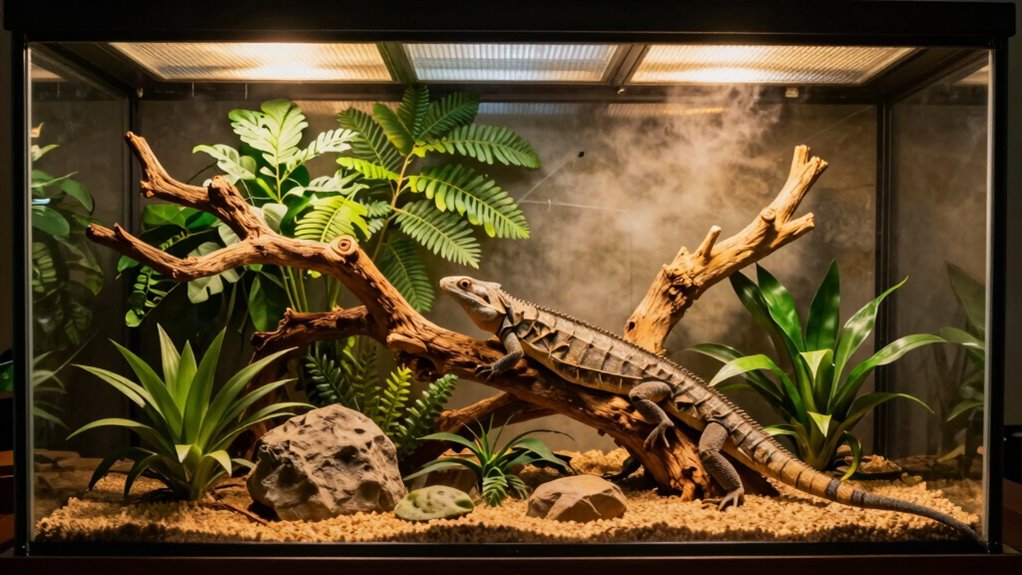
Large reptiles require spacious enclosures that allow you to give them enough room to move freely and stay healthy. A proper reptile diet is essential; make sure you provide the right balance of nutrients, vitamins, and appropriate food types specific to your reptile’s species. Enclosure safety is equally important—secure all lids and barriers to prevent escapes and keep potential hazards out. Regularly check for sharp edges, loose fittings, or other dangers that could injure your reptile. Adequate space helps prevent stress and promotes natural behaviors, which are crucial for their well-being. Proper environmental conditions are vital; this includes maintaining appropriate heat, UVB, and humidity levels to replicate their natural habitat. Ensuring consistent temperature regulation can significantly impact their health and activity levels. Understanding lighting requirements helps ensure your reptile receives the proper exposure for optimal health. Proper humidity levels are also essential to prevent respiratory issues and shedding problems. Remember, a safe, well-planned environment combined with a suitable diet forms the foundation for a thriving large reptile. Your attention to these details ensures a healthy and happy pet. Additionally, providing appropriate water sources can aid in hydration and overall well-being.
UVB reptile light bulb 12-18 inches
As an affiliate, we earn on qualifying purchases.
As an affiliate, we earn on qualifying purchases.
How to Set Up a Large Reptile Enclosure for Success
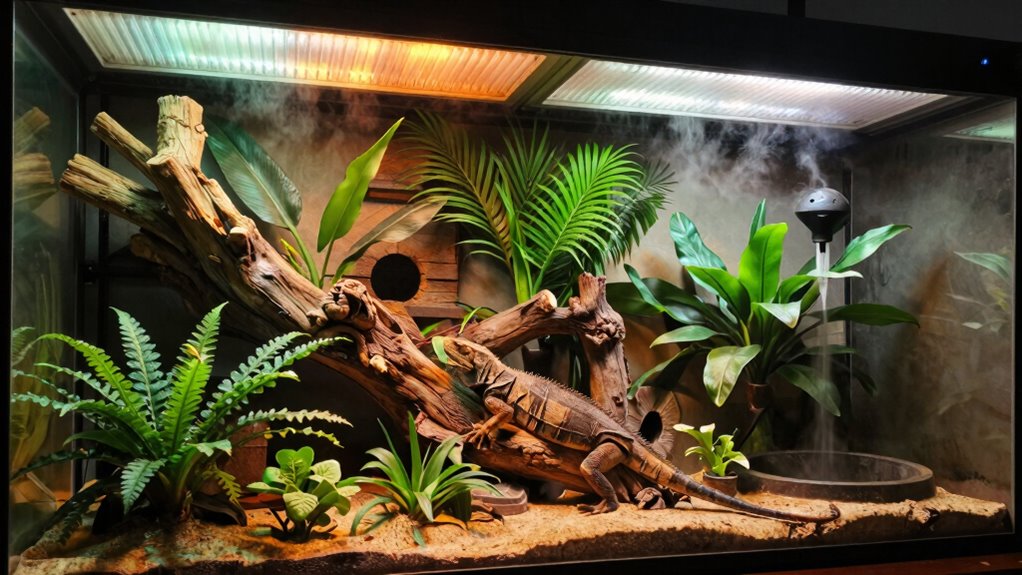
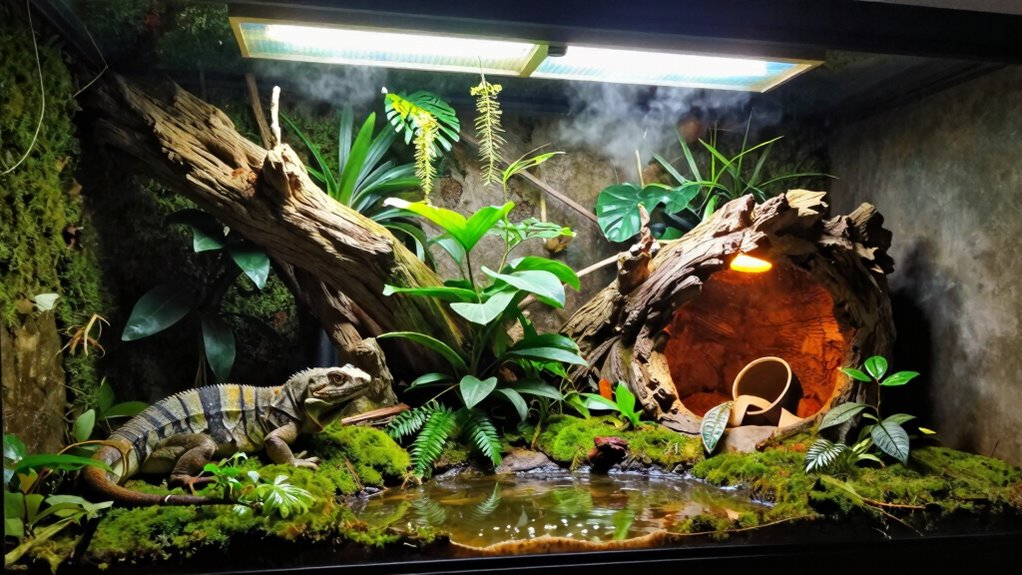
Wondering how to create a successful environment for your reptile? Start by designing a spacious enclosure that mimics their natural habitat. Incorporate decorative plants to add visual interest and provide hiding spots, which help reduce stress. Choose plants that thrive in your setup’s humidity and lighting conditions. Focus on enclosure aesthetics by arranging elements thoughtfully—rocks, logs, and substrate—to create a natural look and functional space. Guarantee there’s enough room for climbing, basking, and hiding. Keep the layout open enough for easy cleaning and maintenance. Remember, a well-designed enclosure not only looks great but also promotes your reptile’s health and well-being. Prioritize safety, cleanliness, and naturalistic features to set your reptile up for success.
reptile humidity monitor hygrometer
As an affiliate, we earn on qualifying purchases.
As an affiliate, we earn on qualifying purchases.
How to Heat Your Large Reptile Enclosure Effectively
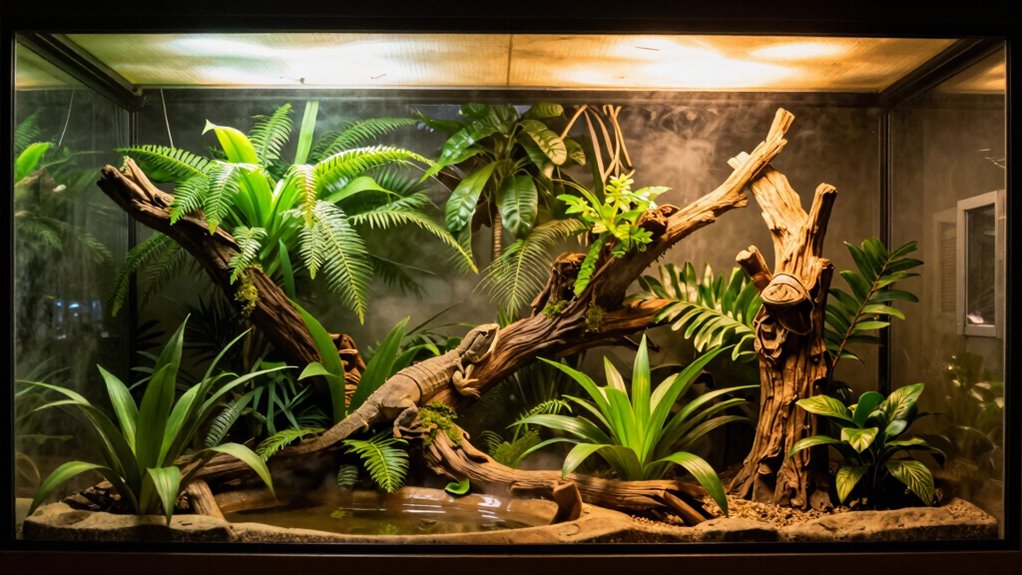
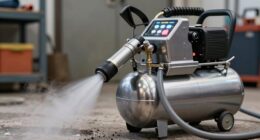
Creating a comfortable and healthy environment for your reptile begins with effective heating. Start by using heating pads to provide localized warmth in specific areas, which helps your reptile thermoregulate comfortably. Radiant heaters are ideal for warming larger spaces evenly, mimicking natural sunlight warmth. Place heating pads under one side of the enclosure, ensuring they don’t cover the entire floor to create a temperature gradient. Radiant heaters should be positioned above the enclosure, directed downward to avoid direct contact and prevent burns. Use a thermostat to regulate the temperature precisely, preventing overheating. Combining these options guarantees your reptile has access to both warm spots and cooler areas, supporting healthy behavior and digestion. Proper heating setup is key to a thriving, stress-free reptile. Additionally, incorporating a temperature gradient allows your reptile to choose its preferred thermal zone, promoting natural behaviors. Ensuring proper heat distribution throughout the enclosure also helps prevent cold spots and uneven temperature zones. A well-designed heating system enhances overall thermal regulation, making the environment more natural and comfortable for your reptile. Moreover, understanding the behavioral needs of your specific reptile species can help you fine-tune the heating setup for optimal comfort and health.
As an affiliate, we earn on qualifying purchases.
Choosing the Right UVB Lighting for Large Reptiles
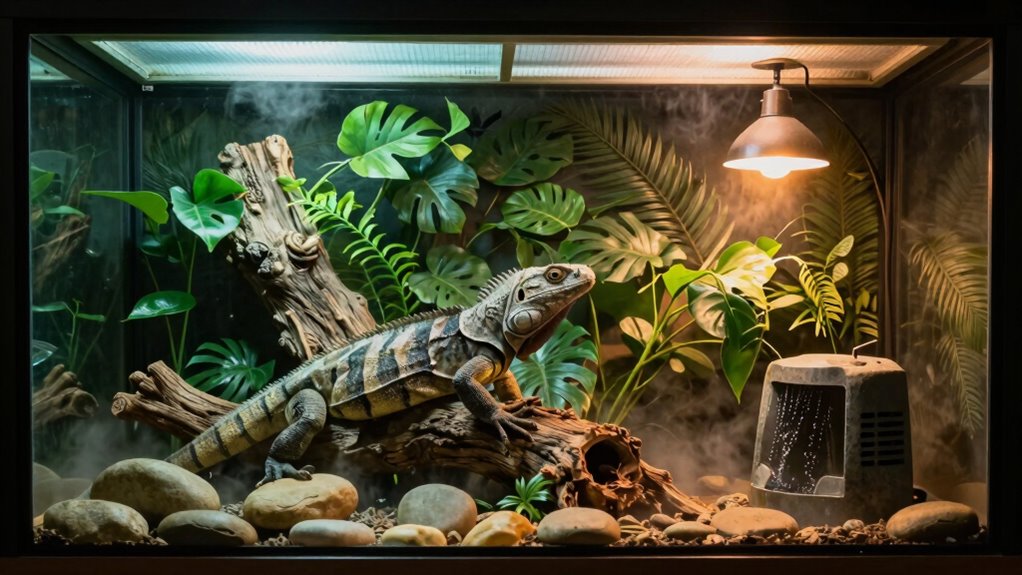
Choosing the right UVB lighting is vital for your large reptile’s health and well-being. You need a bulb that provides the appropriate UVB spectrum to mimic natural sunlight, supporting vitamin D3 synthesis and calcium absorption. Look for a high-quality UVB bulb designed for large enclosures, guaranteeing it covers the entire habitat evenly. Proper bulb placement is essential; position the light 12-18 inches above the basking area, keeping it within the recommended range for your specific reptile species. Avoid placing the bulb too close, which can cause overheating or eye irritation, or too far, which reduces UVB exposure. Regularly replace bulbs as UVB output diminishes over time, even if the light appears bright. This guarantees your reptile receives maximum benefits for healthy growth and activity. Ensuring your lighting setup aligns with reptile habitat requirements helps maintain a healthy environment. Additionally, monitoring the UVB intensity with a UVB meter can help ensure optimal exposure levels. Incorporating a proper lighting schedule that mimics natural sunlight patterns further enhances your reptile’s well-being. It’s also important to consider the type of bulb suitable for your specific reptile species to ensure comprehensive UVB coverage.
How to Control Humidity in Large Reptile Habitats
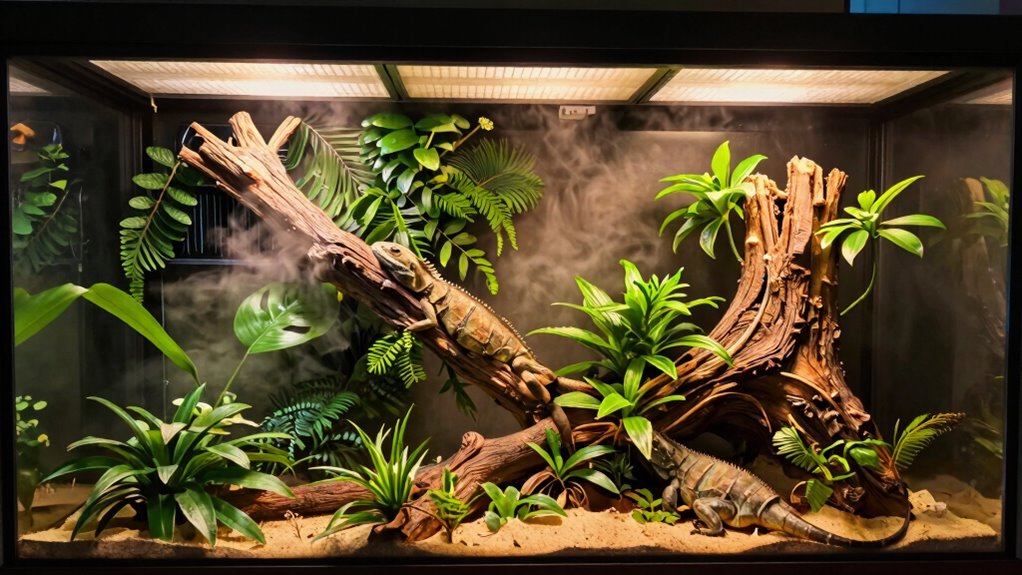
Maintaining proper humidity levels in large reptile habitats is vital for your reptile’s health and comfort. To do this, focus on mist humidity adjustment by regularly misting the enclosure to maintain the ideal moisture level. Use a high-quality humidifier if needed, but monitor humidity carefully to prevent excess moisture. Airflow optimization is also essential; ensure good ventilation without creating drafts that dry out the habitat. Proper airflow helps regulate humidity and prevents mold or bacteria buildup. Keep an eye on hygrometers to track humidity levels accurately. Adjust misting frequency based on these readings, and consider adding water features like shallow pools or foggers for consistent moisture. Balancing mist humidity adjustment and airflow creates a stable environment that supports your reptile’s health. Additionally, understanding the importance of ventilation and humidity control can help you create a more effective habitat management plan. Incorporating proper enclosure design can further improve humidity regulation and overall habitat stability. Regularly assessing the habitat’s humidity levels ensures ongoing stability and helps catch potential issues early, especially when considering how air circulation impacts moisture retention.
Creating Zones for Thermoregulation and Activity
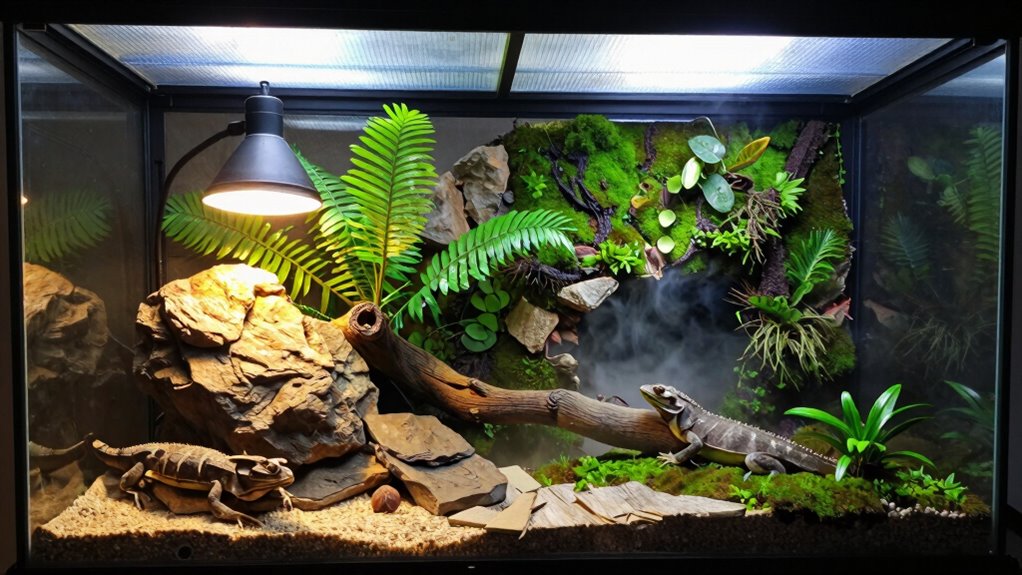
Have you ever wondered how reptiles stay comfortable in their enclosures? Zoning for thermoregulation is key. Creating distinct activity zones allows your reptile to regulate body temperature naturally. Designate warm basking areas and cooler retreat zones, giving your pet options for thermoregulation. Use different substrates, hides, or plants to define these zones clearly. This setup encourages activity and reduces stress. To help you plan, here’s a simple layout:
| Zone Type | Features |
|---|---|
| Basking Zone | Heat lamp, direct light, dry substrate |
| Cool Zone | Shade, hiding spots, moist hide |
| Mid-Range | Transition area, moderate temperature |
This arrangement mimics their natural environment, supporting healthy activity and comfort. Creating zones is an essential part of a successful reptile habitat.
Troubleshooting Common Habitat Problems and Maintenance Tips
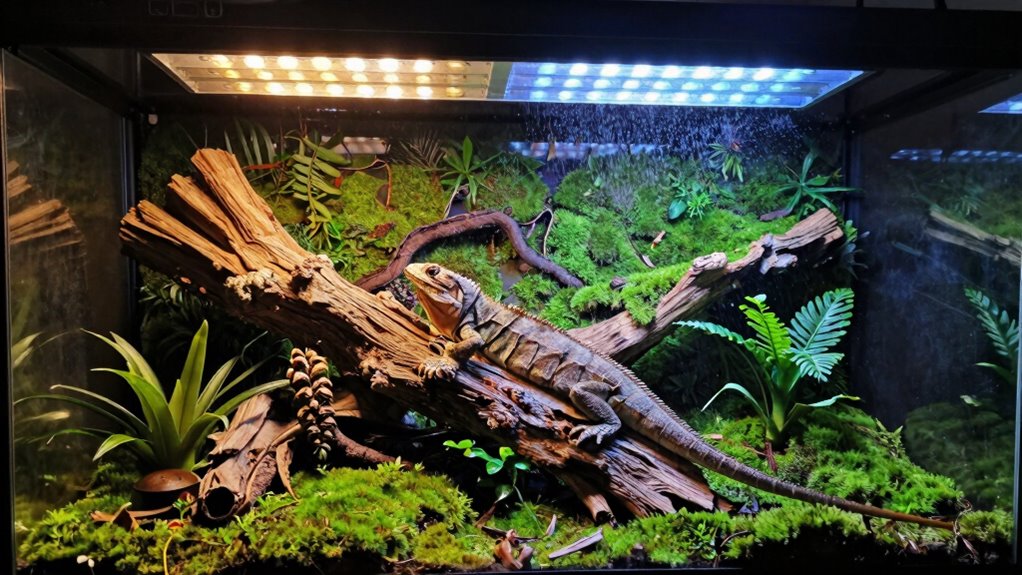
Keeping your reptile’s habitat in top shape means regularly checking temperature fluctuations and adjusting as needed. You also need to maintain humidity levels to prevent health issues, and routine cleaning keeps the environment safe. Staying attentive to these basics helps avoid common problems and ensures your pet thrives. Regular monitoring of temperature and humidity levels is essential to creating a stable environment for your reptile. Additionally, understanding power tools and equipment can help you efficiently set up and maintain your habitat, making the process safer and more effective. Being familiar with mattress and sleep comfort concepts can also inform your approach to creating a comfortable and safe habitat environment for your reptile. For optimal care, consider how ventilation systems contribute to maintaining proper air quality within the enclosure, which is also crucial for air circulation and overall health.
Monitoring Temperature Fluctuations
Monitoring temperature fluctuations is essential to guarantee your reptile’s habitat remains stable and healthy. Temperature swings can stress your reptile and lead to health issues, especially during seasonal variations when outdoor temperatures change. To keep track, use accurate thermometers in both the warm and cool zones of the enclosure. Check temperatures regularly, at least once daily, to catch any unexpected drops or rises. Sudden fluctuations might signal equipment failure or drafts. Keep a log to identify patterns and anticipate seasonal changes, adjusting heating sources accordingly. Maintaining consistent temperatures ensures your reptile’s comfort and well-being. By staying vigilant and addressing temperature swings promptly, you prevent potential health problems and create a stable environment that mimics their natural habitat.
Managing Humidity Levels
Are you struggling to maintain the right humidity levels in your reptile’s habitat? Using humidity sensors can help you monitor moisture accurately, ensuring your reptile stays comfortable. If levels are too low, consider installing a misting system that automatically increases humidity by spraying water at regular intervals. Consistent misting keeps the environment moist without over-saturating it. Avoid relying solely on manual spraying, which can be inconsistent. Check your humidity sensors frequently to catch fluctuations early. If humidity is too high, improve ventilation or reduce misting frequency. Maintaining stable humidity is essential for your reptile’s health, preventing issues like shedding problems or respiratory infections. Regularly calibrate your sensors and keep misting systems clean for ideal performance. Proper habitat maintenance also plays a crucial role in humidity control.
Regular Cleaning Practices
Regular cleaning is essential for preventing habitat problems and ensuring your reptile’s health. A consistent cleaning schedule helps control bacteria, mold, and odor, which can harm your pet. Start with substrate selection; choose easy-to-clean options like reptile carpet or tiles. Remove waste daily and spot-clean the substrate weekly. Perform a full clean every month, replacing substrate if needed. Use this chart to visualize your cleaning routine:
| Cleaning Task | Frequency |
|---|---|
| Remove waste | Daily |
| Spot clean substrate | Weekly |
| Full habitat clean | Monthly |
| Replace substrate | Monthly or as needed |
| Disinfect enclosure | Monthly |
Stick to this schedule to maintain a healthy, safe environment for your reptile.
Frequently Asked Questions
How Often Should I Replace UVB Bulbs in Large Reptile Enclosures?
You should replace UVB bulbs every 6 to 12 months to guarantee proper UVB output. The UVB bulb lifespan varies depending on the type and brand, so follow the manufacturer’s recommended replacement schedule. Regularly check the bulb for signs of dimming or flickering, and replace it promptly if you notice these issues. Proper UVB lighting is essential for your reptile’s health, so don’t delay replacements.
What Are the Signs of Improper Humidity Levels in Large Reptile Habitats?
If your habitat’s humidity is off, you’ll notice mold growth on surfaces or substrate and dehydration signs like wrinkled or sunken eyes, lethargy, and dry skin in your reptile. You might also see difficulty shedding or a dull appearance. Regularly check humidity levels with a gauge, and adjust by misting or adding substrate to maintain proper moisture. Staying vigilant helps prevent health issues caused by improper humidity.
How Do I Prevent Mold and Mildew in Large Terrariums?
Imagine a clean, vibrant habitat where mold and mildew are nowhere in sight. To prevent their growth, guarantee proper ventilation strategies like fans or vents keep air flowing. Regularly follow a cleaning schedule, wiping surfaces and removing waste promptly. This maintains ideal humidity and dryness, discouraging mold. Consistent upkeep keeps your reptile healthy and your terrarium a safe, inviting space, free from unwanted fungal growth.
What Safety Precautions Are Necessary When Handling Heating Equipment?
When handling heating equipment, prioritize electrical safety by inspecting cords and plugs for damage before use. Always unplug devices before adjusting or cleaning them, and keep them away from water to prevent shocks. Use a fire-resistant mat under heat sources and ensure proper ventilation. Never overload outlets, and install a smoke detector nearby. These precautions help prevent electrical hazards and minimize fire risk, keeping you and your reptiles safe.
How Can I Monitor Temperature and Humidity Accurately in Large Setups?
To monitor temperature and humidity accurately, you should use reliable sensors and regularly calibrate them to guarantee precision. Place sensors at different points within your large setup for consistent readings. Use data logging devices to track changes over time, helping you identify fluctuations and maintain stable conditions. This approach ensures your reptile’s environment stays safe and ideal, making adjustments easier based on accurate, real-time data.
Conclusion
Creating a thriving home for your large reptile is like crafting a miniature paradise—balancing heat, UVB, and humidity to mimic nature’s gentle touch. With careful setup and attentive adjustments, you’ll turn your enclosure into a lush, welcoming habitat where your reptile can bask, explore, and thrive. Think of yourself as a gardener of the wild, shaping a vibrant ecosystem where your scaly friend can flourish under your watchful care.
Cold & flu season Picks
humidifiers
As an affiliate, we earn on qualifying purchases.