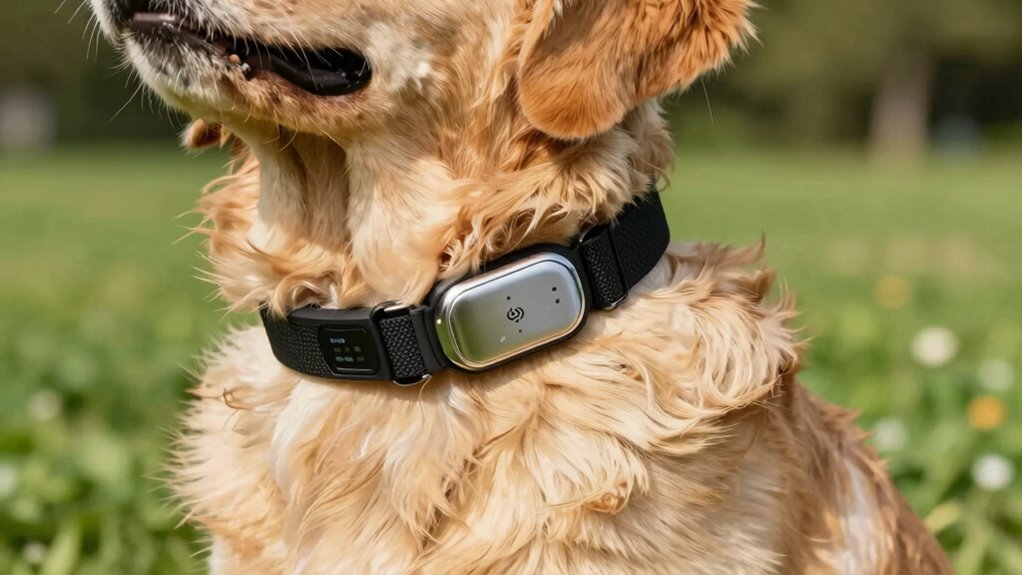

GPS dog collars can be quite useful, but their accuracy, coverage, and battery life vary depending on environmental factors and device quality. Dense trees, urban structures, or indoor areas often diminish precision and coverage, while high-end models may have longer battery life and more features. Understanding these limitations helps you choose the right collar for your pet’s needs. Keep exploring to discover how to optimize your device’s performance and ensure your pet’s safety.

Get baby and family essentials delivered free — and shop member deals
- Fast, free delivery on millions of items
- Access to Prime Big Deal Days deals on October 6–7
- Prime Video, Amazon Music and more included
Key Takeaways
- GPS dog collar accuracy is affected by environmental factors like dense trees, urban structures, and weather, causing temporary signal disruptions.
- Coverage range varies from hundreds of meters to several kilometers but diminishes with obstacles such as buildings and foliage.
- Battery life typically ranges from a few hours to several days, with power-saving strategies extending operational time.
- High-end features improve tracking reliability but can reduce battery life and increase costs; data security is maintained through encryption.
- Proper device management, including firmware updates and optimal placement, is essential for maintaining accuracy, coverage, and battery performance.
How Do GPS Dog Collars Track Your Pet’s Location?
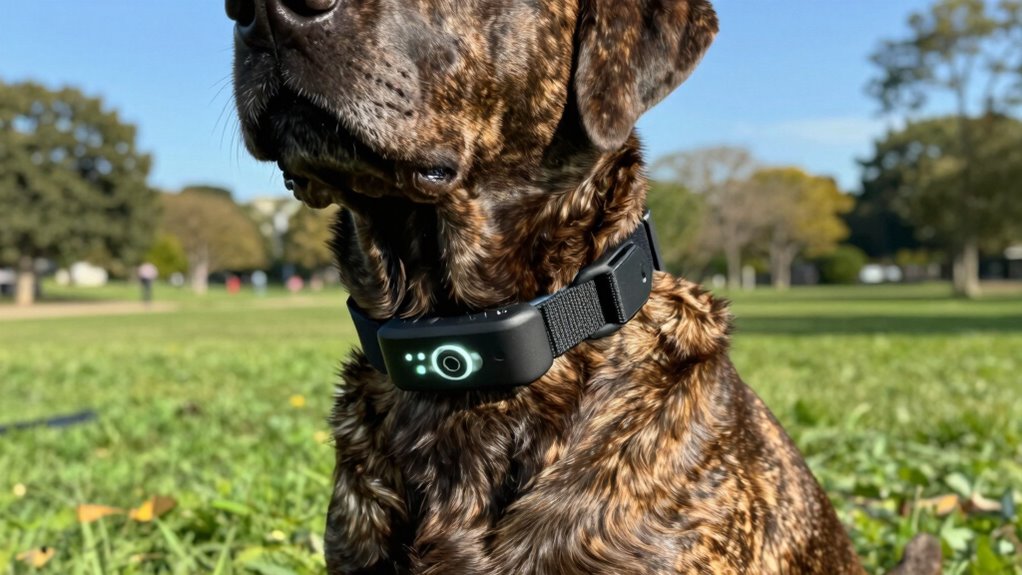
GPS dog collars work by connecting to satellites orbiting the Earth to determine your pet’s exact location. When your dog moves, the collar receives signals from multiple satellites, triangulating the position accurately. However, GPS signal interference can disrupt this process, especially in dense forests, urban areas with tall buildings, or underground. To guarantee reliable tracking, choose a collar with good GPS signal reception. Additionally, collar material durability plays a crucial role in maintaining consistent tracking, as a sturdy, weather-resistant design prevents damage from rough play, water, or exposure to the elements. A durable collar ensures your pet’s safety and the collar’s longevity, keeping the GPS features functional and reliable over time. The role of signal strength is vital in ensuring consistent location updates and minimizing tracking gaps. Furthermore, understanding satellite coverage can help you select a device that performs well across different environments, especially considering coverage gaps that may occur in remote or obstructed areas. Regular maintenance and updates can also enhance the performance of GPS devices, ensuring optimal operation in various conditions.
What Factors Affect the Accuracy of Your GPS Dog Collar?
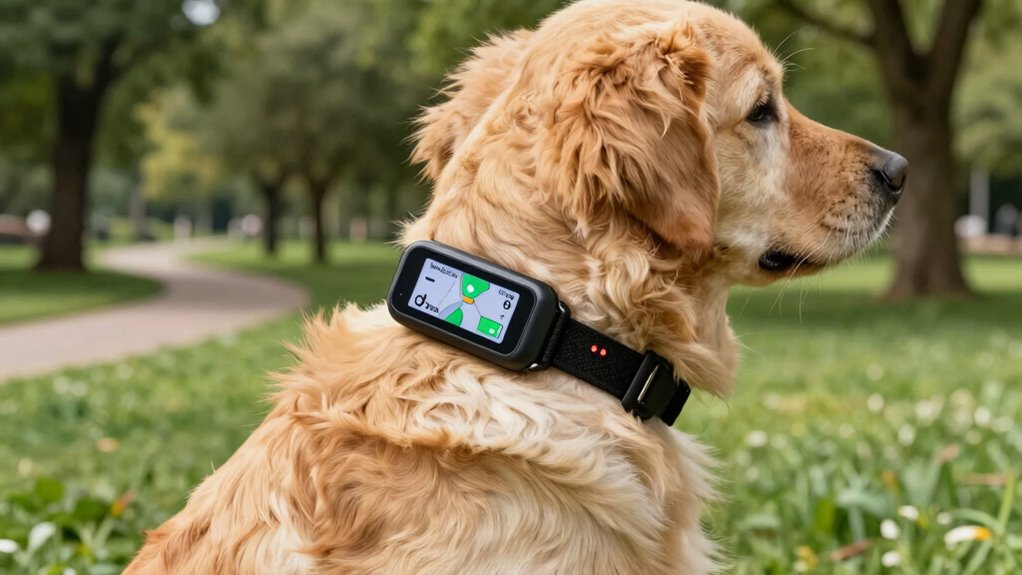
Several factors can influence how accurately your dog’s collar pinpoints its location. Signal interference from dense foliage, tall buildings, or weather conditions can disrupt the GPS signal, leading to less precise tracking. Additionally, the hardware durability of the collar plays a role; a device with fragile components may experience malfunctions or data inaccuracies over time. The quality of the GPS receiver also matters—higher-quality units tend to provide more reliable readings. Keep in mind that frequent obstructions or environmental changes can cause temporary inaccuracies. To guarantee better accuracy, choose a collar built with sturdy, durable materials and consider environmental factors when monitoring your pet. Being aware of these factors helps you understand the limitations and optimize your device’s performance. Moreover, Free Floating technology can sometimes influence the stability of GPS signals in certain environments. Understanding the hardware quality can help you select a more reliable device for consistent tracking. Additionally, understanding Signal interference can assist in choosing optimal locations for collar use to improve tracking precision. Being mindful of environmental factors can further enhance the accuracy and reliability of your GPS dog collar. For instance, obstructions such as dense trees or urban structures can temporarily reduce signal quality, even with high-quality hardware.
How Far Can a GPS Dog Collar Track Your Pet? Understanding Coverage Range
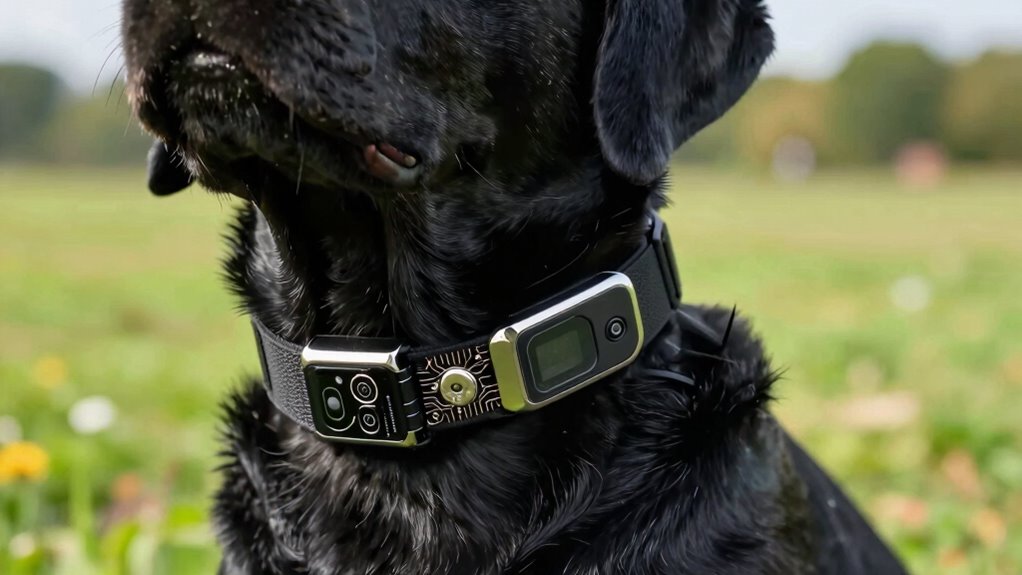
Understanding how far a GPS dog collar can track your pet helps you set realistic expectations and choose the right device for your needs. Coverage limitations vary based on the collar’s technology, the environment, and the provider’s network. Most GPS collars have a typical tracking distance ranging from a few hundred meters to several kilometers in open areas. Urban environments or dense forests can reduce this range due to obstacles like buildings or trees, which interfere with signals. Keep in mind that cellular connectivity also impacts coverage limitations—some collars rely on cellular networks, so coverage may be limited in remote areas. Knowing these factors assures you select a GPS collar with an appropriate tracking distance for your outdoor activities and geographic location. Additionally, exploring technological integration features can improve tracking accuracy and reliability in various conditions, especially when combined with real-time updates for better oversight. Ensuring the device supports robust signal transmission can further enhance performance in challenging environments. Incorporating signal strength indicators into your device can help monitor and optimize connectivity during use. Moreover, understanding the coverage range in different terrains allows for better planning and safety measures during outdoor excursions.
How Long Do GPS Collars Last on a Single Charge, and How Can You Extend Battery Life?
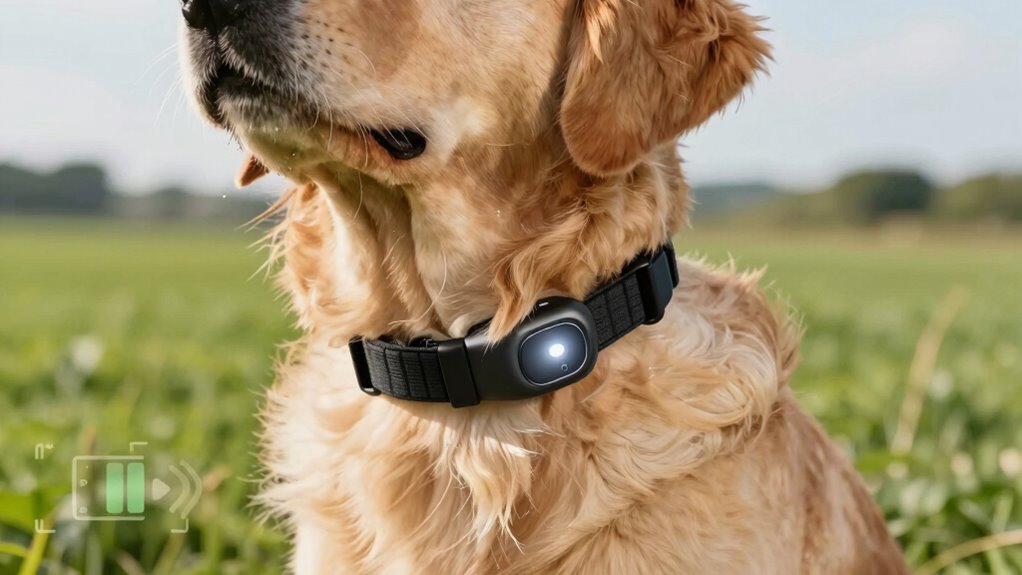
The battery life of a GPS collar varies depending on its features and usage, but most devices typically last from a few hours to several days on a single charge. To maximize battery lifespan, you should enable power conservation features like lowering update frequency or turning off non-essential functions when not needed. Adjusting settings to reduce GPS ping rates can considerably extend usage time. Regularly charging the collar and avoiding overuse of high-power features also helps maintain excellent battery health. Keeping the collar clean and protected from extreme temperatures can prevent unnecessary drain. Monitoring battery status through the collar’s app allows you to plan charging schedules ahead of time. Additionally, selecting a GPS collar with long battery life can significantly reduce the need for frequent recharging. Implementing power-saving modes and optimizing device settings are effective strategies to prolong operational time. By managing these aspects, you can ensure your GPS collar stays operational longer, reducing downtime and maintaining reliable tracking.
Do GPS Signals Work Equally Well Everywhere? Limitations in Different Environments
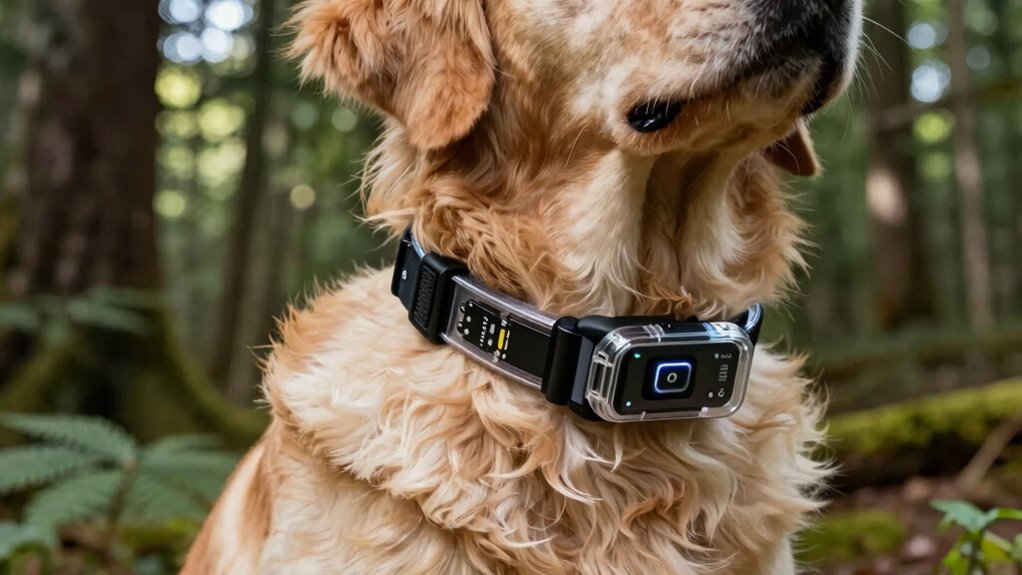
GPS signals can be affected by the environment, which means their reliability varies depending on where you are. In open areas with a clear view of the sky, signals typically work well, providing accurate location data. However, environmental factors like dense forests, tall buildings, or tunnels can cause signal interference, reducing accuracy or causing temporary loss of connection. Urban environments with tall structures may reflect signals, leading to errors, while indoor locations often block signals entirely. You should recognize that obstacles and weather conditions can further impact performance. While GPS technology is highly effective outdoors, its accuracy diminishes indoors or in heavily obstructed areas. Understanding environmental factors also helps you manage expectations and choose the right collar for your dog’s environment, especially considering signal interference that can occur in complex terrains. Additionally, net worth of certain individuals involved in related fields can influence technological advancements and market availability. To better anticipate these limitations, being aware of signal strength fluctuations can help you optimize your dog’s tracking experience. Recognizing environmental challenges can also guide you in selecting the most suitable GPS system for your specific needs.
How Do Features Impact GPS Collar Performance and Price?
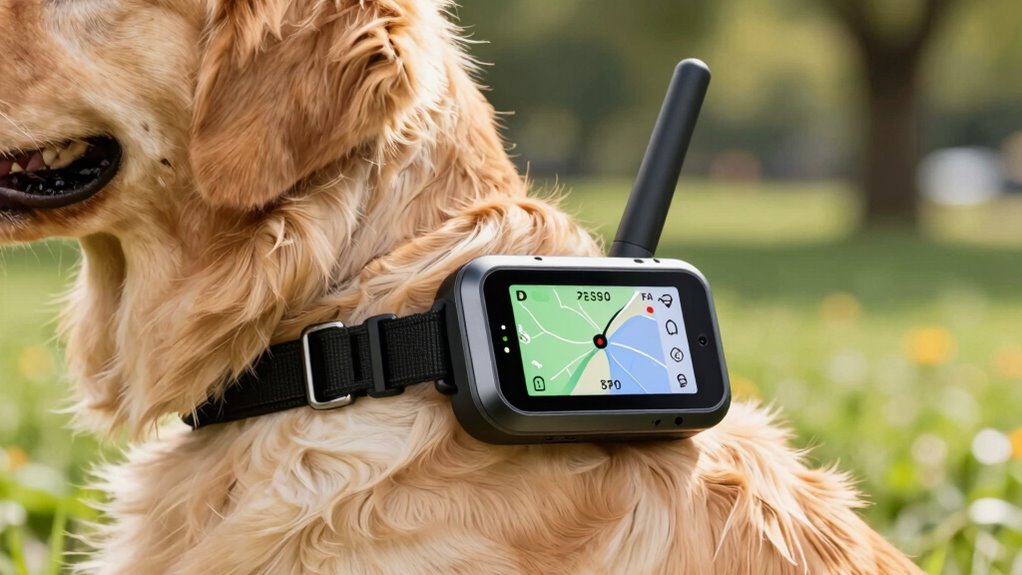
Features considerably influence both the performance and price of GPS dog collars. Higher-end features, like advanced tracking accuracy, longer battery life, and real-time updates, typically lead to increased price variation. As you add more capabilities, you often face feature trade-offs, such as shorter battery life or higher costs. For example, a collar with detailed activity monitoring might be more expensive and require more frequent charging, while a simpler model may prioritize basic location tracking at a lower price. Understanding these trade-offs helps you choose a collar that balances your needs and budget. Keep in mind that premium features usually improve reliability and usability, but they come with a higher price tag. Additionally, AI tools can assist in comparing different models and features to make more informed purchasing decisions. Recognizing market trends can also help you select a device that remains relevant and offers the latest innovations. Being aware of smart technology integration can further enhance your ability to select a collar compatible with other devices in your home or on the go. Moreover, considering user reviews can provide real-world insights into how these features perform in everyday situations.
What About Data Privacy and Security With GPS Dog Collars?

As you consider the capabilities of GPS dog collars, it’s important to think about how your pet’s location data is protected. Reputable collars use data encryption to secure your information during transmission, preventing unauthorized access. This means your dog’s location details stay confidential and safe from hackers or malicious actors. Additionally, many manufacturers prioritize user anonymity, ensuring your identity and data aren’t shared without your consent. Always check the privacy policies and security features of the device you’re considering. Being proactive about data privacy helps protect you and your pet from potential breaches or misuse of information. By choosing a GPS collar with strong data encryption and a commitment to user anonymity, you can enjoy peace of mind while keeping your furry friend safe.
How to Choose a GPS Dog Collar That Balances Accuracy, Coverage, and Battery Life
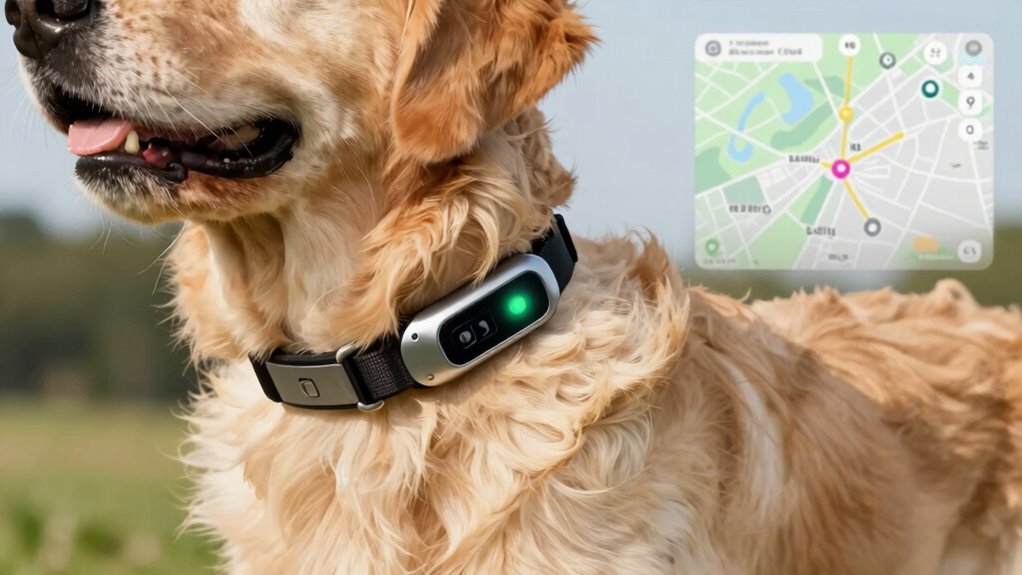
Choosing the right GPS dog collar requires finding a balance between accuracy, coverage, and battery life to meet both your pet’s needs and your lifestyle. Consider training considerations, like whether your dog responds better to a lightweight collar or one with added features. The collar material also matters; durable, comfortable materials such as nylon or silicone can withstand active use without causing irritation. Think about how often you’ll need to recharge the device versus how long it needs to last between charges. If you have a large property or frequent outdoor adventures, prioritize coverage and battery life. For more precise tracking in urban areas, focus on accuracy. Balancing these factors helps you select a GPS collar that keeps your dog safe while fitting seamlessly into your routine.
Troubleshooting Common Issues With GPS Dog Collars
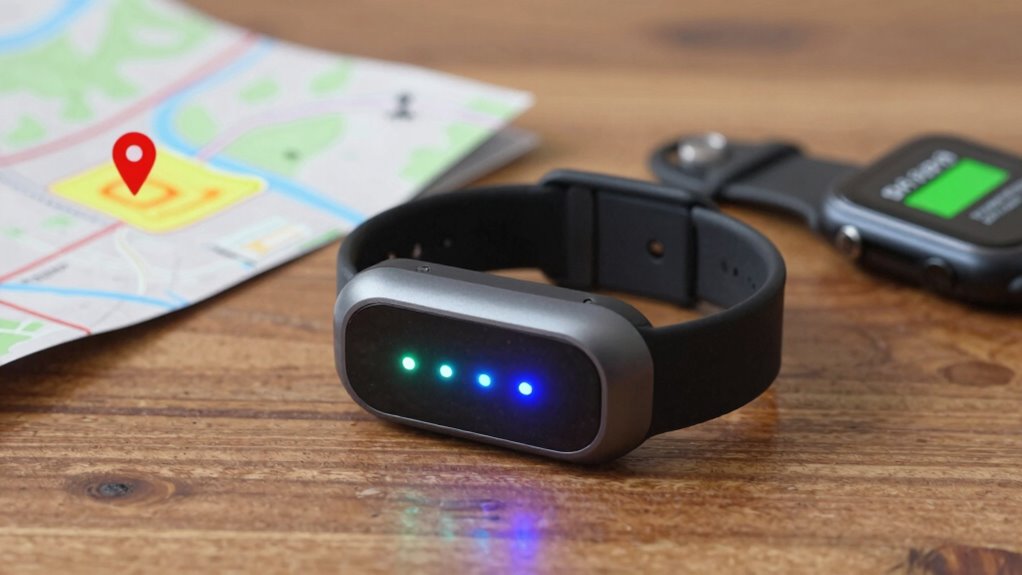
If your GPS dog collar isn’t working properly, you might face issues like poor signal reception, battery drain, or connectivity problems. These common issues can be frustrating but are often fixable with some simple troubleshooting steps. Let’s explore how to identify and resolve these problems quickly.
Poor Signal Reception
Poor signal reception is a common issue that can disrupt the tracking accuracy of your GPS dog collar. Signal interference from nearby electronic devices or dense terrain obstacles like thick trees, buildings, or hills can weaken the GPS signal. When these interfere, your collar may lose connection or provide inaccurate location updates. To improve reception, move to an open area with fewer electronic distractions, and make certain your collar has a clear line of sight to the sky. Avoid thick cover or areas with heavy signal congestion. Sometimes, adjusting the collar’s position or updating its firmware can also help. Understanding that terrain obstacles and interference are often unavoidable in certain environments will help you manage expectations and troubleshoot effectively.
Battery Drain Issues
Battery drain is a common challenge that can shorten the lifespan of your GPS dog collar’s power supply. To combat this, focus on effective power management. Reducing update frequency, disabling unnecessary features, and turning off the collar when not in use can markedly extend battery life. Here’s a quick guide:
| Issue | Cause | Solution |
|---|---|---|
| Excessive battery depletion | Constant GPS updates | Lower update intervals |
| Quick battery drain | Unnecessary features active | Disable non-essential features |
| Short battery life | Poor signal reception | Improve collar fit or coverage |
| Battery aging | Long-term use | Replace the battery |
Optimizing these factors ensures your collar conserves power, reducing frequent charges and enhancing overall device longevity.
Device Connectivity Problems
Device connectivity problems can disrupt your ability to track and manage your dog effectively, but many issues are easily fixable with some troubleshooting. First, check the device pairing to guarantee your collar is connected correctly to your smartphone or receiver. If the connection drops frequently, try unpairing and repairing the device. Firmware updates are also vital; outdated software can cause connectivity issues. Make sure your collar’s firmware is up to date by following the manufacturer’s instructions. Restart both your collar and your phone to refresh the connection. Keep the collar within the recommended range and avoid interference from other electronic devices. Regularly verifying device pairing and installing firmware updates can prevent most connectivity problems, assuring your GPS collar functions reliably when you need it most.
Frequently Asked Questions
What Are the Maintenance Requirements for GPS Dog Collars?
You should regularly clean your GPS dog collar to prevent dirt and debris from affecting its performance, using a damp cloth and gentle soap. Check the battery life often and replace the batteries as needed to guarantee consistent tracking. Additionally, inspect the collar for any signs of wear or damage, and follow the manufacturer’s instructions for maintenance to keep the device functioning accurately and extend its lifespan.
How Do Weather Conditions Affect GPS Collar Performance?
Weather is like a mischievous trickster, sometimes causing signal disruption and weather interference that hampers your GPS collar’s performance. Rain, snow, or dense clouds can weaken the signal, making it less reliable. Extreme conditions might delay updates or cause temporary loss of coverage. To keep tracking accurate, you should be aware of these weather impacts and consider weather-resistant collars or backup methods during storms or severe weather events.
Can GPS Collars Be Used for Training Purposes?
Yes, you can use GPS collars for training purposes by incorporating effective training techniques and collar customization. These collars help you monitor your dog’s location, making it easier to teach recall or boundaries. Adjust settings, such as alerts or stimulation, to match your training needs. Consistently use positive reinforcement alongside collar features to guarantee your dog responds well and learns desired behaviors efficiently.
Are There Safety Features to Prevent Collar Loss?
Certainly, collar security is essential for loss prevention. Many GPS collars feature safety features like escape-proof straps, reflective materials, and built-in alarms that alert you if your dog tries to escape. Some collars also include backup mechanisms such as secondary clips or GPS-based geofencing, giving you peace of mind. These safety features work together to prevent collar loss and keep your furry friend secure and safe at all times.
How Do Different Collar Sizes Impact GPS Accuracy and Battery Life?
Smaller collar sizes can diminish GPS precision because they often have less space for powerful antennas, leading to weaker signals. Larger collars typically improve GPS accuracy and coverage, but they might impact your dog’s comfort. Battery life also varies; bigger collars usually house larger batteries, offering longer use. Choose a size that balances GPS precision, battery life, and your dog’s comfort to ensure reliable tracking without sacrificing safety.
Conclusion
In the end, choosing a GPS dog collar is like finding the Holy Grail of pet safety—balancing accuracy, coverage, and battery life can feel impossible! But with the right info, you’ll outsmart even the sneakiest pups. Remember, no device is perfect, so stay vigilant and prepared. Your furry friend’s adventures depend on your savvy choices—because when it comes to pet safety, you can’t afford to settle for less than the best!
Halloween Picks
halloween
As an affiliate, we earn on qualifying purchases.