
Measuring tools matter more than you might think because they guarantee your project’s success is built on accuracy, not just estimates. Properly calibrated and maintained tools reduce errors that can lead to costly rework, delays, or safety issues. Human perception alone isn’t enough to guarantee precision, especially with advanced technology. When you prioritize quality measurement tools, you secure reliable data and better results. Keep exploring to understand why investing in precision could make all the difference.

Turn the school run and nap time into listening time
- Thousands of audiobooks, podcasts and originals
- Listen on your phone, tablet or Echo — also offline
- Cancel anytime
Key Takeaways
- Accurate measuring tools ensure reliable data, which is critical for project success and quality assurance.
- Proper calibration of tools prevents errors that human perception alone cannot detect.
- Well-maintained tools reduce waste, rework, and delays, saving time and costs.
- Advanced technology in measuring devices requires regular calibration for optimal performance.
- Precise measurements support regulatory compliance, safety, and informed decision-making.
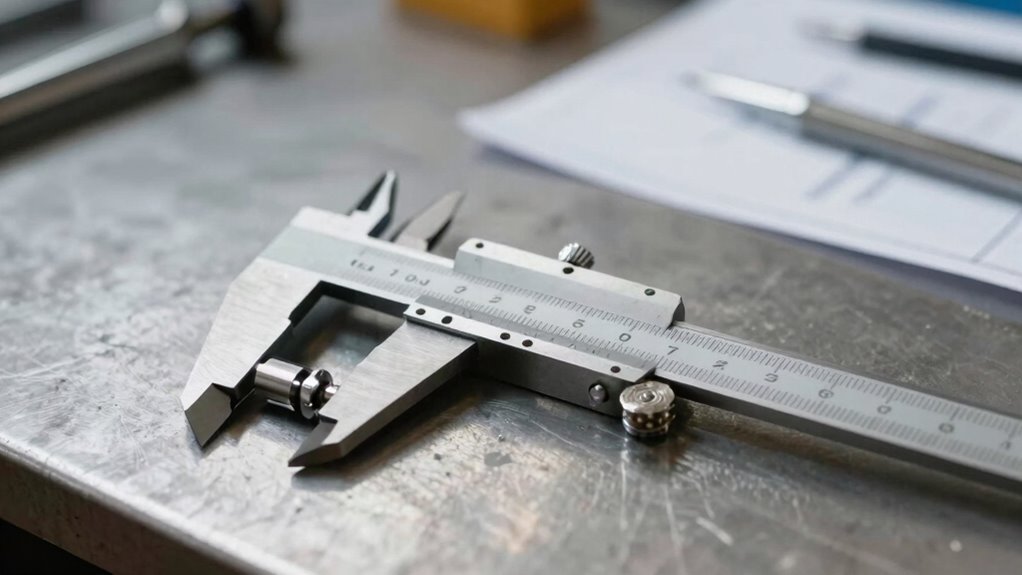
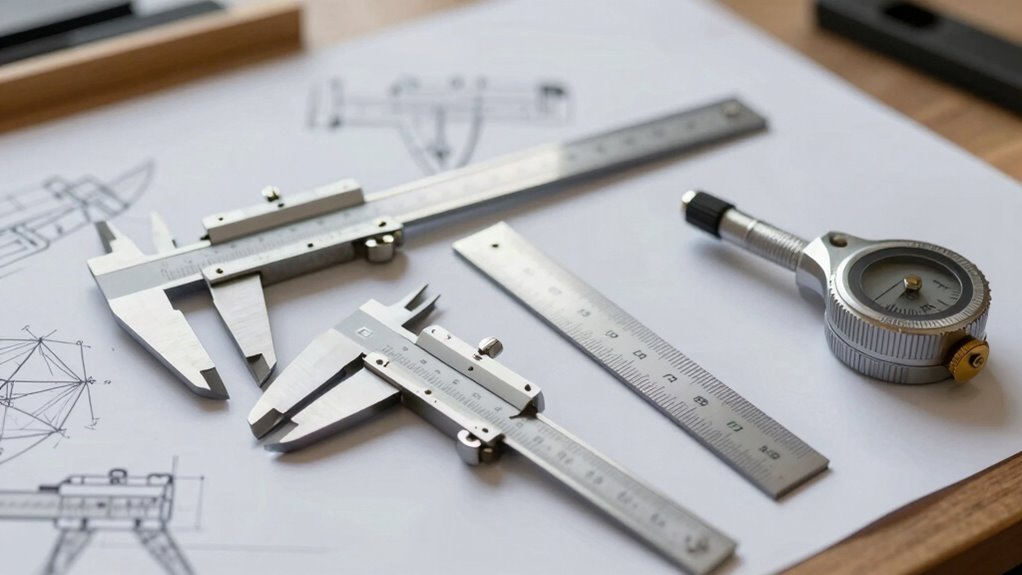
Have you ever realized how much precise measurement can impact the outcome of your project? It’s not just about getting close; it’s about achieving the highest level of precision accuracy possible. When you rely on measuring tools, you’re fundamentally setting the foundation for quality and reliability. Small errors in measurement can lead to big problems down the line—whether that’s a product that doesn’t fit, a process that fails, or data that leads you astray. That’s why understanding the importance of calibration standards and choosing the right tools is essential. Calibration standards are benchmarks that guarantee your measuring devices are providing accurate readings. When your tools are properly calibrated, you can trust that every measurement is precise, reducing errors and increasing consistency. Without this, even the most skilled professional can make mistakes, because human perception isn’t enough to guarantee accuracy. When you use tools aligned with calibration standards, you’re controlling variables more effectively. This means you can identify deviations early and correct them before they snowball into larger issues. Whether you’re working on manufacturing, engineering, or scientific research, precise measurement is non-negotiable. It’s what separates a successful project from a failed one. The right measuring tools, maintained with proper calibration, give you confidence in your results. It’s not enough to simply have a tool; you need to make sure it’s functioning correctly. Regular calibration checks are essential—think of them as routine tune-ups that keep your tools performing at their best. This attention to detail minimizes the risk of inaccuracies slipping through, which can be costly in time and money. Proper calibration practices also support regulatory compliance, ensuring your work meets industry standards and legal requirements. Having a clear understanding of measurement accuracy helps in establishing trust with clients and stakeholders. When your measurements are accurate, you can optimize processes, improve quality control, and meet regulatory standards more easily. This way, you avoid rework, waste, and delays. You also demonstrate professionalism and commitment to excellence, which can boost your reputation. So, investing in high-quality measuring tools and maintaining rigorous calibration standards isn’t just a technical step; it’s a strategic move. It empowers you to make decisions based on reliable data, ensuring consistency and accuracy in every task. Proper calibration practices are especially vital in environments where precision directly affects safety and compliance. As technology advances, the availability of digital measuring tools further emphasizes the importance of proper calibration to ensure these sophisticated devices perform accurately over time. Additionally, understanding the impact of measurement errors can help you better appreciate how critical proper calibration is in preventing costly mistakes. Ultimately, the success of your project hinges on these tiny details—because precision accuracy isn’t just a technical requirement; it’s a critical element that can make or break your entire effort. When you prioritize proper measurement, you set yourself up for success, not just today but long into the future.
digital caliper for precision measurement
As an affiliate, we earn on qualifying purchases.
As an affiliate, we earn on qualifying purchases.
Frequently Asked Questions
How Do Different Measuring Tools Impact Project Accuracy?
Different measuring tools directly impact your project’s accuracy by guaranteeing precision and measurement consistency. When you use high-quality tools, you minimize errors and get reliable results, helping your project stay on track. In contrast, imprecise tools can lead to inaccuracies, causing delays or costly mistakes. Choosing the right measuring instruments ensures your measurements are consistent and accurate, ultimately improving the quality and success of your project.
What Are the Most Durable Measuring Tools for Industrial Use?
You should choose stainless steel calipers and laser distance meters for industrial use, as they offer high durability and precise measuring accuracy. Regular tool maintenance is essential to keep these tools functioning properly, preventing inaccuracies caused by dirt or wear. Investing in sturdy, well-maintained measuring tools ensures consistent results, minimizes errors, and extends their lifespan, making them dependable choices for demanding industrial environments.
How Often Should Measuring Tools Be Calibrated?
You should calibrate your measuring tools regularly, ideally based on their usage and the measurement units involved. For critical measurements, calibrate at least once a year, but more frequent calibration might be necessary for high-precision tasks. Always monitor calibration frequency to maintain accuracy, especially when using tools for precise measurement units. This guarantees your measurements stay reliable and your work remains consistent over time.
What Are Common Mistakes When Using Measuring Tools?
You often make measuring errors by rushing or not aligning tools properly. Always guarantee your measuring tools are clean and well-maintained, as poor tool maintenance can lead to inaccurate readings. Avoid using damaged or worn-out tools, and double-check measurements before recording. Remember, consistent calibration and careful handling are key to preventing mistakes, so take your time and handle tools with care to improve accuracy and reduce errors.
How Do Digital Measuring Tools Compare to Traditional Ones?
Digital measuring tools offer greater precision and accuracy compared to traditional ones, thanks to technological innovation. You can quickly get exact measurements, reducing errors and saving time. Unlike manual tools, digital versions often feature easy-to-read displays and advanced functionalities, making your work more efficient. While traditional tools rely on your skill, digital tools enhance your accuracy, ensuring reliable results every time, especially for complex or detailed projects.
professional laser distance meter
As an affiliate, we earn on qualifying purchases.
As an affiliate, we earn on qualifying purchases.
Conclusion
You hold the power of precision in your hands, like a painter with a brush that reveals the true shape of your vision. Measuring tools are your silent guides, quietly ensuring every detail aligns perfectly. When you trust these instruments, you’re not just checking numbers—you’re sculpting reality with clarity and confidence. Remember, the smallest measurement can be the difference between chaos and harmony, turning your efforts into masterpieces that stand the test of time.
digital multimeter for calibration
As an affiliate, we earn on qualifying purchases.
As an affiliate, we earn on qualifying purchases.
As an affiliate, we earn on qualifying purchases.
Fall Picks
fall essentials
As an affiliate, we earn on qualifying purchases.