To save water with smart sprinkler controllers, start by understanding your soil types to set proper watering schedules. Divide your yard into well-planned zones based on plant needs, sun exposure, and soil conditions, ensuring even coverage. Use soil moisture sensors and weather data for precise adjustments. Proper zone setup and avoiding common mistakes like overlapping spray patterns can dramatically improve efficiency. Keep exploring to discover expert tips for optimizing your system and conserving water effectively.
Key Takeaways
- Proper zone zoning based on plant type, sun exposure, and soil conditions enhances watering efficiency and conserves water.
- Incorporate soil moisture sensors and weather data to adjust watering schedules dynamically, preventing overwatering.
- Use sprinkler heads suited to each zone’s terrain and plant needs to ensure even coverage and reduce waste.
- Regularly test and calibrate zones to match water volume requirements, avoiding under or overwatering.
- Maintain and adjust smart controllers seasonally to optimize system performance and maximize water savings.

Moen Smart Wireless Soil Sensor, Automatic Moisture Meter Measurement for Lawn, Plant Water Meter for Exterior Enclosures, WISNS002G1USA,Black
MONITORING: Soil moisture and temperature monitoring at 1-, 3- and 5-inch depths to determine if the soil dampness…
As an affiliate, we earn on qualifying purchases.
As an affiliate, we earn on qualifying purchases.
Identify Your Garden’s Soil Types for Better Watering
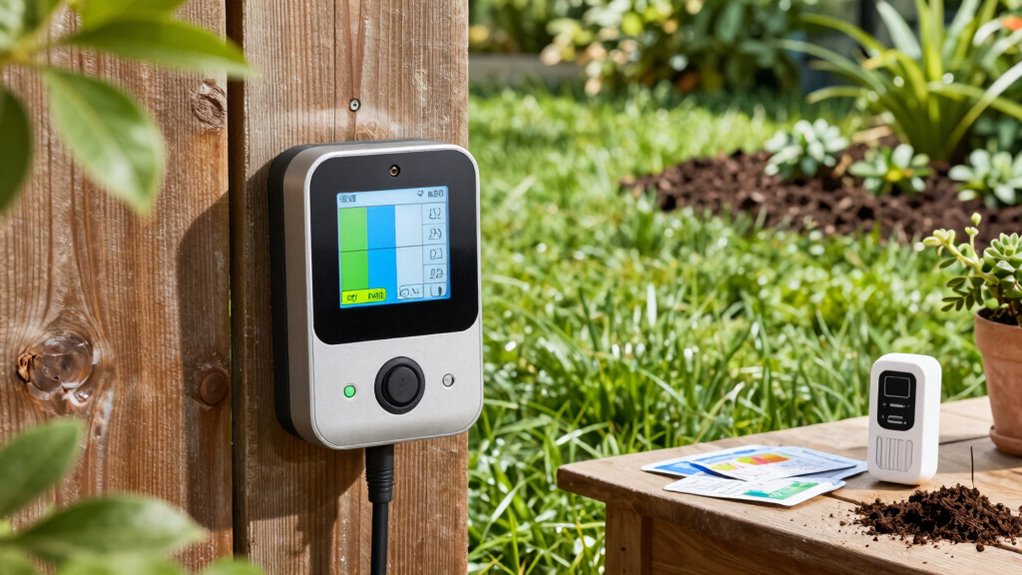
Understanding your garden’s soil type is essential for efficient watering. Soil composition influences how water moves through your garden and how much it retains. Sandy soils drain quickly but need frequent watering, while clay soils hold water longer but can cause runoff if overwatered. Loamy soil offers a good balance, supporting healthy plant growth with moderate watering needs. To identify your soil type, conduct a simple test: take a handful of damp soil and form a ball. If it crumbles easily, it’s sandy; if it forms a firm ball, it’s clay. Recognizing soil texture helps you set your smart sprinkler system for ideal watering efficiency, reducing waste and ensuring your plants receive the right amount of moisture. Additionally, understanding soil drainage characteristics can further optimize watering schedules and prevent issues like overwatering or drought stress. Being aware of soil pH levels can also influence how nutrients are absorbed, further improving your watering strategy. Proper soil awareness, including soil fertility, maximizes your watering system’s effectiveness.

Orbit 50021 2-Zone All-in-One Automatic Watering System
EFFORTLESS YARD IRRIGATION – Create a beautiful lawn with our all-in-one automatic sprinkler system kit. Water plants while…
As an affiliate, we earn on qualifying purchases.
As an affiliate, we earn on qualifying purchases.
How Smart Zones Affect Water Use and Savings
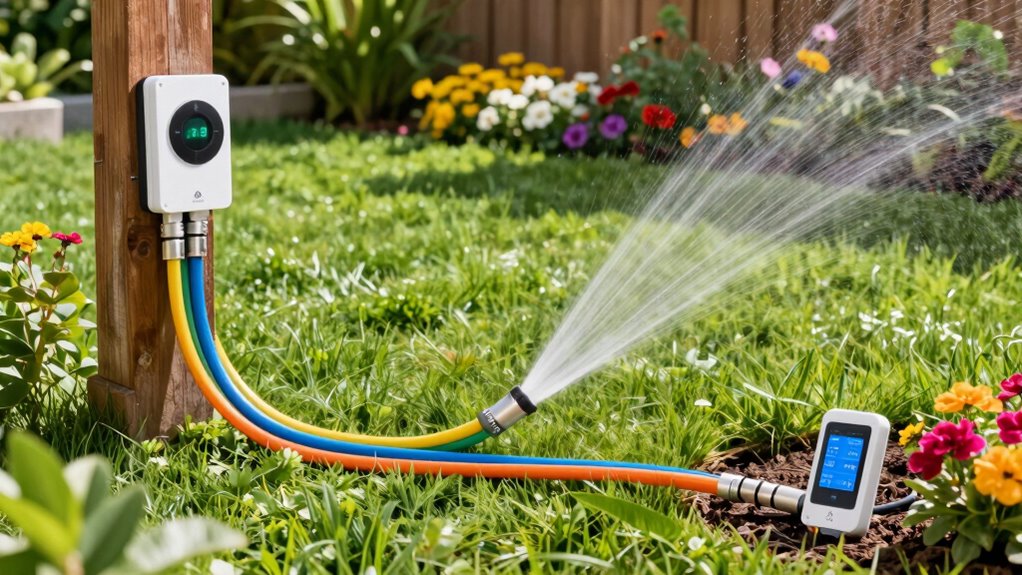
Smart zones in your sprinkler system play a crucial role in optimizing water use and maximizing savings. By customizing zones based on plant type, sun exposure, and soil conditions, you improve water efficiency and prevent overwatering. Zone customization allows you to deliver the right amount of water to each area, reducing waste and promoting healthier plants. When zones are tailored properly, your smart controller can schedule watering times more precisely, adjusting for weather changes and soil moisture levels. This targeted approach minimizes runoff and evaporation, ensuring every drop counts. Properly managing watering schedules also helps prevent plant stress and encourages robust growth. Additionally, integrating soil moisture sensors into your system can further enhance water savings by providing real-time data to adjust watering accordingly. Incorporating weather-based adjustments allows your system to respond dynamically to changing conditions, further conserving water. Using smart irrigation technology not only conserves water but also simplifies landscape management for homeowners. As a result, you save water and lower your utility bills, all while maintaining a lush, healthy landscape. Properly managed zones make your irrigation system more effective and environmentally friendly, giving you better control over water use and savings. Incorporating seasonal checklists and maintenance routines further enhances system efficiency and longevity.

Rachio WiFi Smart Sprinkler Controller (8-Zone Irrigation Remote Control) – App-Based Scheduling, Local Weather Intelligence, Rain Skips, Easy DIY Install
DITCH THE DIAL – Upgrade to smart irrigation with the free Rachio app for precise, easy control.
As an affiliate, we earn on qualifying purchases.
As an affiliate, we earn on qualifying purchases.
Set Up Your Sprinkler Zones the Right Way
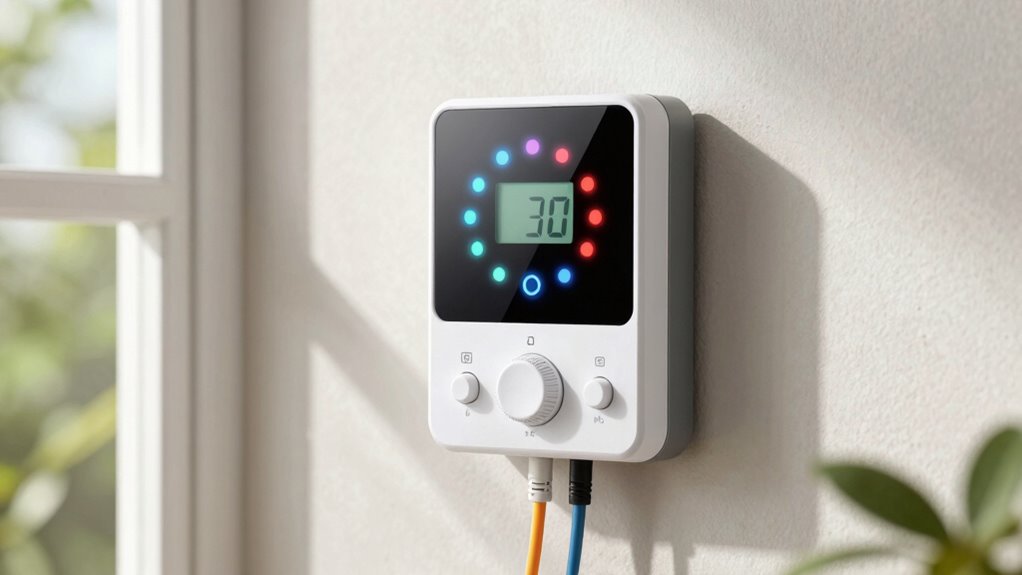
Setting up your sprinkler zones correctly is essential for an efficient irrigation system. Proper zoning guarantees each area gets the right amount of water without waste. Use sprinkler heads suited to each zone’s terrain and plant type, avoiding overlapping spray patterns. Incorporate drip irrigation for flower beds and shrubs to conserve water. When dividing zones, consider sun exposure, soil type, and plant needs. Group similar plants together for uniform watering. Additionally, understanding Gold IRA Rollovers can be a valuable part of long-term financial planning. Here’s a simple overview:
| Zone Type | Sprinkler Heads | Features |
|---|---|---|
| Lawn | Rotor or spray heads | Large coverage, even watering |
| Flower beds | Micro-sprays or drip lines | Precise watering, minimal runoff |
| Shrubs | Drip irrigation | Deep watering, water savings |
| Vegetables | Adjustable spray heads | Flexibility, efficient use |
| Trees | High arc sprinkler heads | Deep watering, broad reach |
Correct zoning guarantees minimizes runoff and maximizes water efficiency. Proper zone layout ensures optimal coverage and reduces the need for adjustments later.
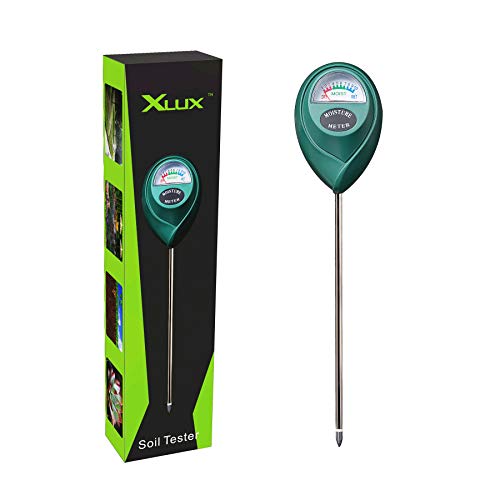
XLUX Soil Moisture Meter, Plant Water Monitor, Hygrometer Sensor for Gardening, Farming, Indoor and Outdoor Plants, No Batteries Required
Accurate Soil Moisture Detection:The XLUX Soil Moisture Meter can tell you if the soil deep inside your pot…
As an affiliate, we earn on qualifying purchases.
As an affiliate, we earn on qualifying purchases.
Tips to Balance Zone Sizes and Schedule Watering
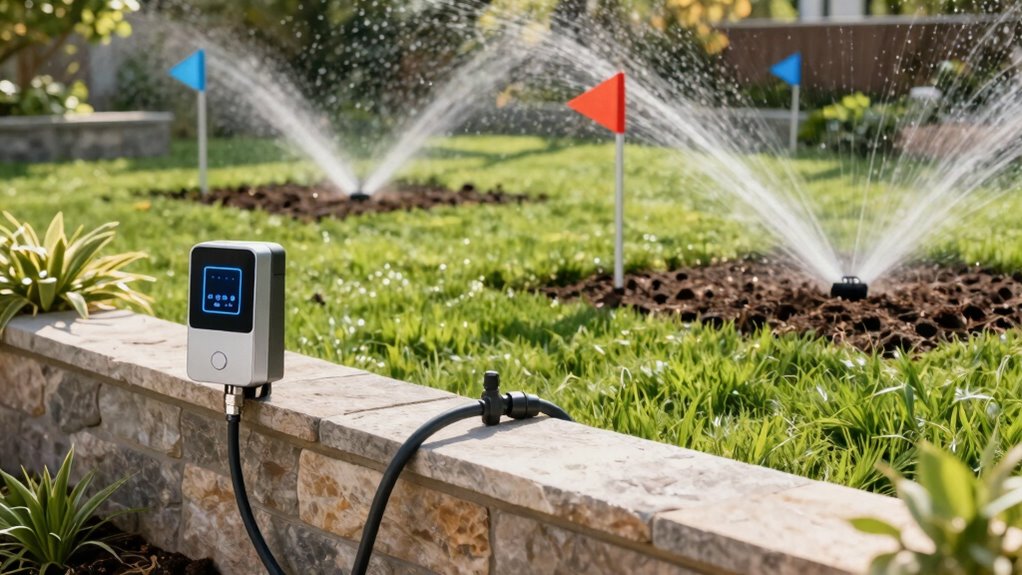
Balancing your zone sizes and scheduling watering effectively guarantees your irrigation system runs efficiently and conserves water. Start by performing zone calibration to ensure each zone receives the right amount of water. Smaller zones need less watering time, while larger zones may require more. Adjust the watering frequency based on plant type, soil, and weather conditions; plants with shallow roots may need more frequent watering, while deep-rooted plants can go longer between sessions. Keep zones evenly sized where possible to simplify scheduling and maintenance. Regularly monitor your system’s performance and make adjustments as needed to prevent overwatering or underwatering. Proper zone calibration combined with a smart watering schedule ensures your lawn stays healthy while minimizing water waste. Incorporating Free Floating irrigation systems can further optimize water distribution by adapting to various landscape features and environmental conditions. Additionally, understanding soil moisture levels helps tailor watering schedules more precisely, ensuring plants receive adequate water without excess runoff or evaporation. Employing zone balancing techniques can help you achieve more uniform watering across your landscape, enhancing overall efficiency. For added precision, considering the use of smart controllers can help automate adjustments based on weather forecasts and soil data.
Common Mistakes When Setting Up Zones and How to Avoid Them
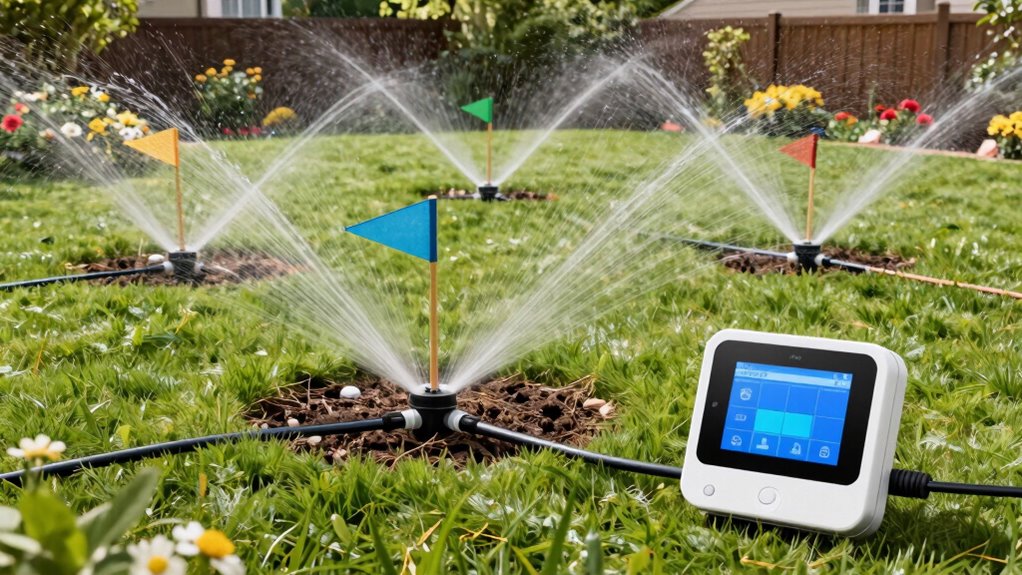
One common mistake homeowners make when setting up irrigation zones is overlooking the importance of proper zone sizing, which can lead to uneven watering and stressed plants. Another mistake is poor sprinkler placement, causing zone overlap that wastes water and creates uneven coverage. To avoid this, plan your zones carefully, ensuring each area receives appropriate water without overlapping onto other zones. Check the spray distance and adjust sprinkler heads so they cover their zones evenly without overlapping excessively. Proper sprinkler placement prevents zone overlap, reduces water waste, and ensures uniform coverage. Always test your system after installation to identify and fix any coverage gaps or overlaps. Additionally, maintaining system components and adjusting for seasonal changes can improve efficiency. Taking these steps helps you set up efficient zones that save water and keep your plants healthy.
Frequently Asked Questions
How Do Smart Controllers Adapt to Changing Weather Conditions?
Smart controllers adapt to changing weather conditions by using weather algorithms and forecast integration. You set up the system to receive real-time weather updates, allowing it to adjust watering schedules automatically. When rain is forecasted or humidity drops, the controller reduces or skips watering, conserving water. This proactive approach guarantees your lawn gets the right amount of water without manual intervention, saving you time and resources efficiently.
Can I Connect Multiple Controllers for Large or Complex Gardens?
Yes, you can connect multiple controllers for a large or complex garden. A multi controller setup helps you manage different zones efficiently, especially when your garden has varied plant types or terrain. You’ll want to make certain they’re compatible and properly networked, often via Wi-Fi or a central hub. This setup allows you to customize watering schedules, save water, and keep your garden healthy, no matter how intricate its layout.
What Maintenance Is Required for Optimal Smart Sprinkler Performance?
Did you know that properly maintained sprinkler systems can save up to 20% of water usage? To keep your smart sprinkler running at its best, regularly review your watering schedules and adjust them based on seasonal needs. Also, calibrate sensors periodically to guarantee accurate readings. Clean filter screens and inspect for leaks monthly. These simple steps help maximize efficiency, extend your system’s lifespan, and ensure your garden stays healthy and well-watered.
Are There Compatibility Issues With Existing Sprinkler Systems?
You might face compatibility issues if your existing sprinkler system requires manual installation or uses a brand that isn’t compatible with the smart controller. Always check the brand compatibility before purchasing, and verify your system’s wiring matches the controller’s requirements. Some controllers may need adapters or additional wiring, so reviewing the specifications helps prevent installation problems and ensures seamless integration with your current setup.
How Secure Are Smart Sprinkler Controllers From Hacking Threats?
Smart sprinkler controllers have good security if you follow best practices. They use encryption to protect your data, and regular firmware updates help prevent hacking threats. To enhance hacking prevention, change default passwords, enable two-factor authentication if available, and secure your Wi-Fi network. While no device is completely hack-proof, these measures substantially reduce cybersecurity concerns, keeping your system safer and your watering schedule uninterrupted.
Conclusion
By understanding your soil types and carefully setting up your smart sprinkler zones, you’re naturally saving water and boosting your garden’s health. When everything aligns—soil, zones, and schedules—you’ll notice a real difference in efficiency. It’s almost like your garden’s needs and your watering habits find a perfect harmony by chance, but it’s really your thoughtful setup that makes it happen. So, take these tips, and enjoy a greener, more sustainable yard with less effort.