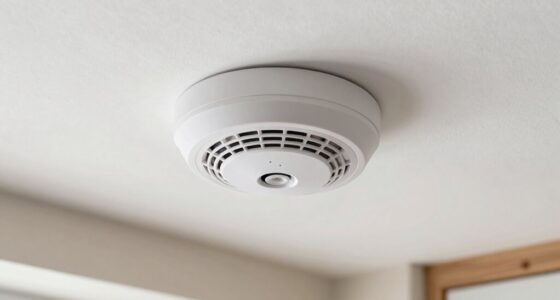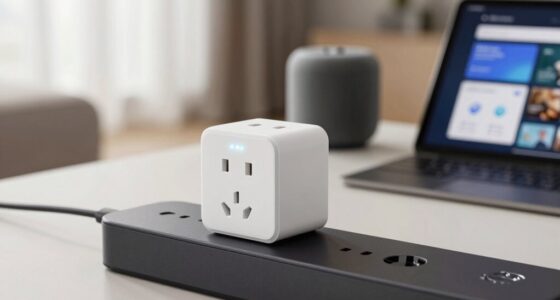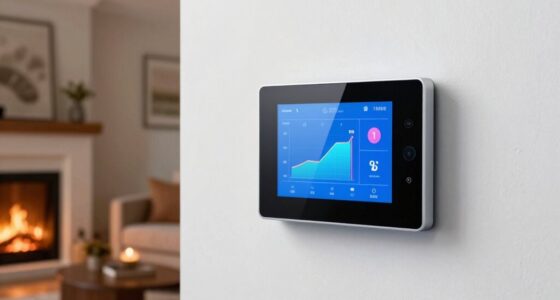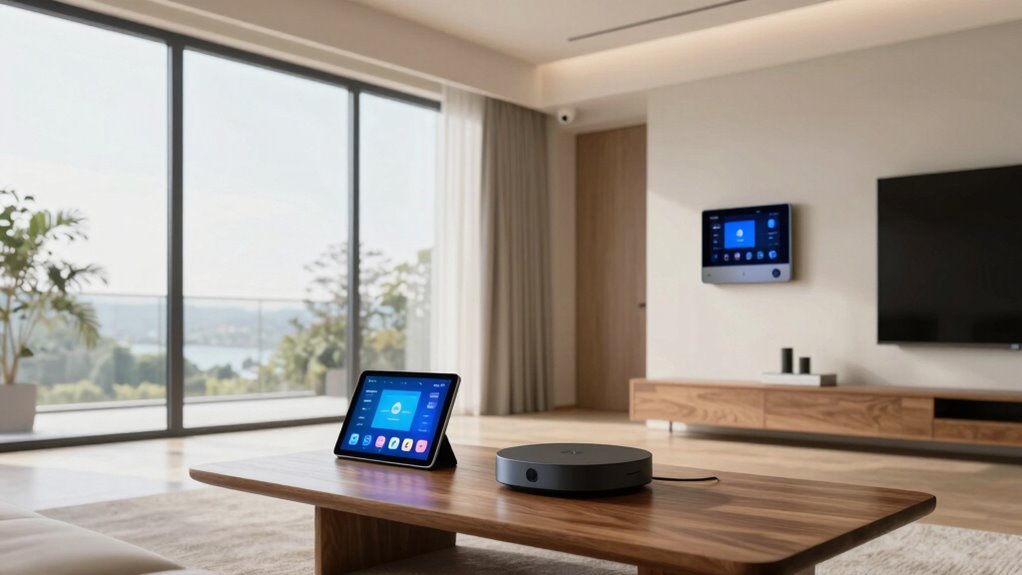

Start small by choosing affordable, impactful upgrades like voice control systems for lights, thermostats, and devices. Focus on devices that boost convenience, energy efficiency, and are easy to integrate into your existing setup. Prioritize compatibility to avoid costly upgrades later. Expand gradually, adding devices that work well together, and avoid overspending on unnecessary gadgets. This approach helps you build a smarter home without expensive mistakes—keep exploring to discover more smart home tips.

Turn the school run and nap time into listening time
- Thousands of audiobooks, podcasts and originals
- Listen on your phone, tablet or Echo — also offline
- Cancel anytime
Key Takeaways
- Begin with simple, impactful upgrades like voice-controlled lighting and thermostats for immediate benefits and ease of use.
- Choose devices that are compatible with your existing systems to prevent costly replacements and troubleshooting.
- Prioritize energy-efficient smart devices that monitor and optimize utility consumption to save money long-term.
- Expand your smart home gradually, adding compatible devices over time to avoid overspending and compatibility issues.
- Focus on easy-to-integrate technology that enhances convenience and efficiency without complex setups or high costs.
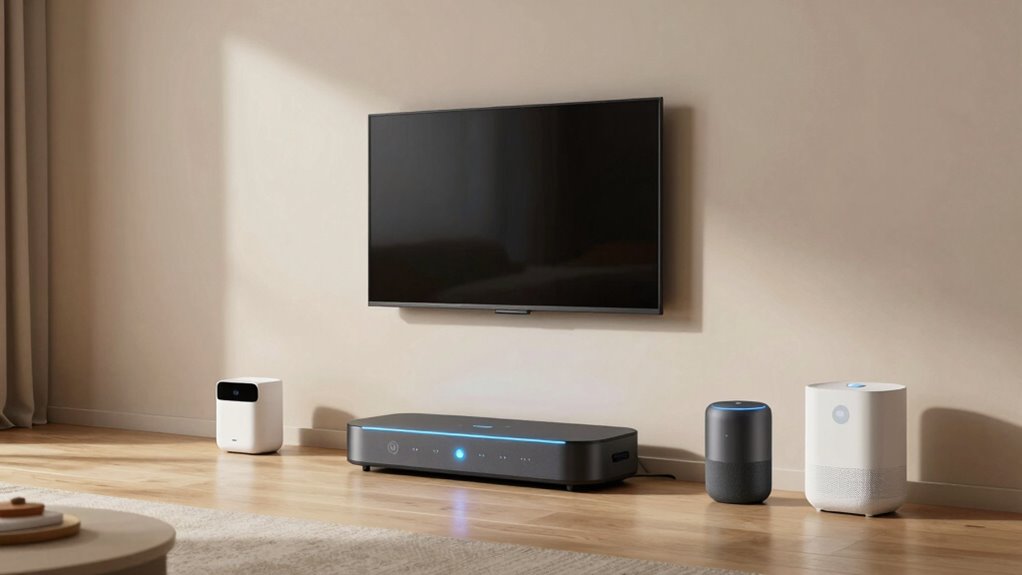
Are you ready to make your home smarter without breaking the bank? Starting your smart home journey can seem overwhelming, but with a clear plan, you can avoid costly mistakes. The first step is to focus on simple, impactful upgrades that deliver real value. One of the easiest ways to do this is by investing in a voice control system. Voice-activated assistants, like smart speakers, allow you to control lights, thermostats, and other devices hands-free. This not only adds convenience but also helps you manage your home more efficiently. With voice control, you can turn off unused appliances, adjust the temperature, or activate security features without fumbling for switches or remotes. It’s a straightforward way to integrate smart technology into your daily routine and start experiencing the benefits immediately. Additionally, selecting devices that seamlessly integrate with modern tech ecosystems can enhance your overall smart home experience.
Start your smart home with voice control for convenience and efficiency, controlling devices hands-free and saving energy effortlessly.
Next, consider the importance of energy efficiency when planning your smart home setup. By choosing smart devices that monitor and optimize energy use, you can lower your utility bills while reducing your environmental impact. Smart thermostats, for example, learn your schedule and adjust the temperature accordingly, ensuring your home isn’t wasting energy when no one’s around. Smart lighting systems can be programmed to turn off when rooms are unoccupied or dim during the evening to save power. These small but meaningful adjustments add up, making your home more sustainable and cost-effective in the long run. When selecting devices, look for those with compatibility and integration options, so you can connect everything into a cohesive system that’s easy to manage. Incorporating smart technology that is compatible with your existing devices can significantly streamline your setup process. Being aware of compatibility standards can help you avoid unnecessary upgrades and additional expenses. Moreover, understanding interoperability between devices can ensure your system functions smoothly without frustration or the need for frequent troubleshooting.
Avoid jumping into expensive, overly complicated setups right away. Instead, start small with devices that deliver immediate benefits, like voice control and energy-efficient solutions, and expand gradually. This approach prevents you from overspending on gadgets you don’t need or won’t use. Also, prioritize devices that work well together, so you’re not stuck with incompatible products that require additional upgrades later. Keep in mind that smart home technology is designed to be flexible; you can always add more features later as your budget allows and your familiarity grows. Remember, a well-planned smart home setup ensures you get the most value and enjoyment from your investment right from the start.
As an affiliate, we earn on qualifying purchases.
Frequently Asked Questions
How Do I Choose Compatible Smart Home Devices?
To choose compatible smart home devices, start by checking device compatibility with your existing hub or app. Look for devices that support the same protocols, like Zigbee or Z-Wave, to guarantee smooth integration. Opt for brands known for good brand integration, which reduces setup issues and enhances functionality. Reading reviews and product specifications helps confirm compatibility, so you avoid wasting money on devices that won’t work seamlessly together in your smart home setup.
What Security Measures Are Essential for Smart Homes?
You should prioritize strong security protocols for your smart home, like two-factor authentication and regular firmware updates, to keep your devices safe. Data encryption is essential to protect your personal information from hackers. Also, make sure your Wi-Fi network has a strong password and consider setting up a separate network for your smart devices. These measures help prevent unauthorized access and keep your smart home secure.
Can I Upgrade My Starter Plan Later?
Yes, you can upgrade your starter plan later. Most plans offer flexible upgrade options that allow you to add device integration and expand your smart home features as your needs grow. When you decide to upgrade, simply contact your provider or access your account online to choose new features or devices. This way, you can customize your smart home setup without starting over, ensuring seamless integration and future-proofing your investment.
How Much Does a Smart Home Setup Typically Cost?
A smart home setup typically costs between $300 and $1,500, depending on the devices you choose and installation complexity. You’ll spend on devices like smart thermostats, lights, and security cameras, which improve energy efficiency and simplify device installation. Keep in mind, opting for a starter plan helps you avoid costly mistakes, and upgrades are often available later as your needs grow, ensuring a flexible, budget-friendly smart home journey.
Are There Any Privacy Concerns With Smart Home Devices?
Yes, there are privacy risks with smart home devices. You might worry about data protection, as these devices collect personal information like your habits and routines. Hackers could potentially access your devices, leading to security breaches. To protect yourself, make sure you use strong passwords, keep firmware updated, and review privacy settings regularly. Staying informed and cautious helps reduce privacy concerns and keeps your smart home secure.
energy-efficient smart thermostats
As an affiliate, we earn on qualifying purchases.
As an affiliate, we earn on qualifying purchases.
Conclusion
By following this smart home starter plan, you’ll avoid costly pitfalls and create a seamless, efficient setup. Remember, rushing into purchases without planning can lead to wasted money and frustration. Isn’t it smarter to start small, learn as you go, and expand thoughtfully? With patience and a clear plan, you’ll enjoy a connected home that enhances your life without breaking the bank. Are you ready to make your smart home journey a success?
As an affiliate, we earn on qualifying purchases.
As an affiliate, we earn on qualifying purchases.
Fall Picks
fall essentials
As an affiliate, we earn on qualifying purchases.