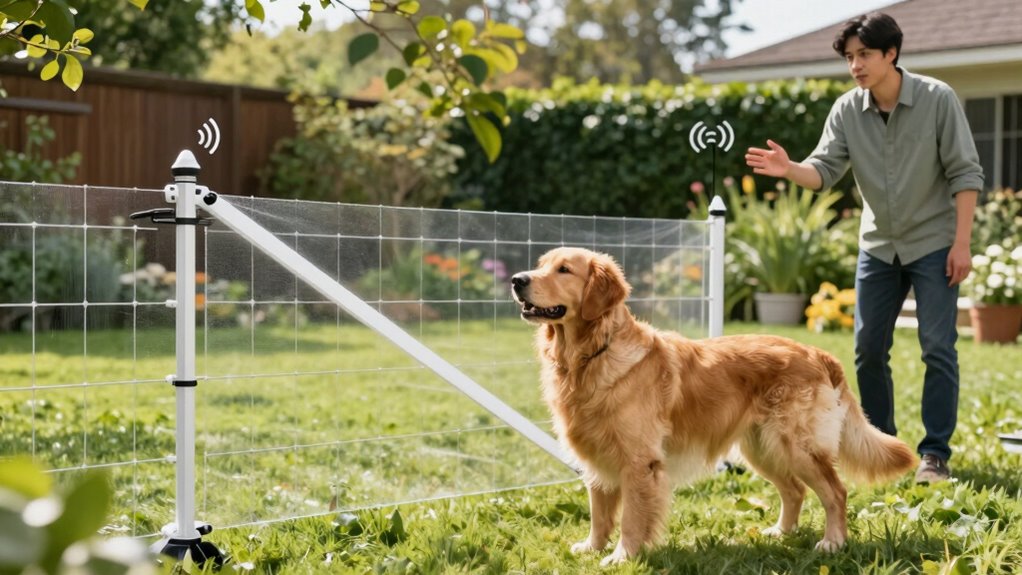
Wireless fences can be effective when proper training and setup are followed, but they aren’t ideal for every dog or environment. During training, you’ll introduce boundaries gradually with positive reinforcement, but resistance or confusion can occur if signals are disrupted or your dog tests limits. They can cause more harm if system malfunctions or if your dog becomes anxious, making containment unreliable. To understand the best approach for your dog and potential pitfalls, keep exploring the details ahead.
Key Takeaways
- Proper training involves clear boundaries, positive reinforcement, and gradual exposure; wireless fences require consistent setup and calibration.
- Wireless fences are often ineffective for boundary testing or in obstacle-rich environments, making training unreliable.
- Resistance or confusion signals poor socialization, inconsistent training, or system interference, requiring adjustments in training approach.
- Inconsistent boundary enforcement can cause stress, anxiety, and behavioral issues, rendering wireless fences a less suitable long-term solution.
- Alternative containment methods like secure fencing and GPS collars offer more reliable, safer options for long-term pet safety.
How Do Wireless Fences Work?
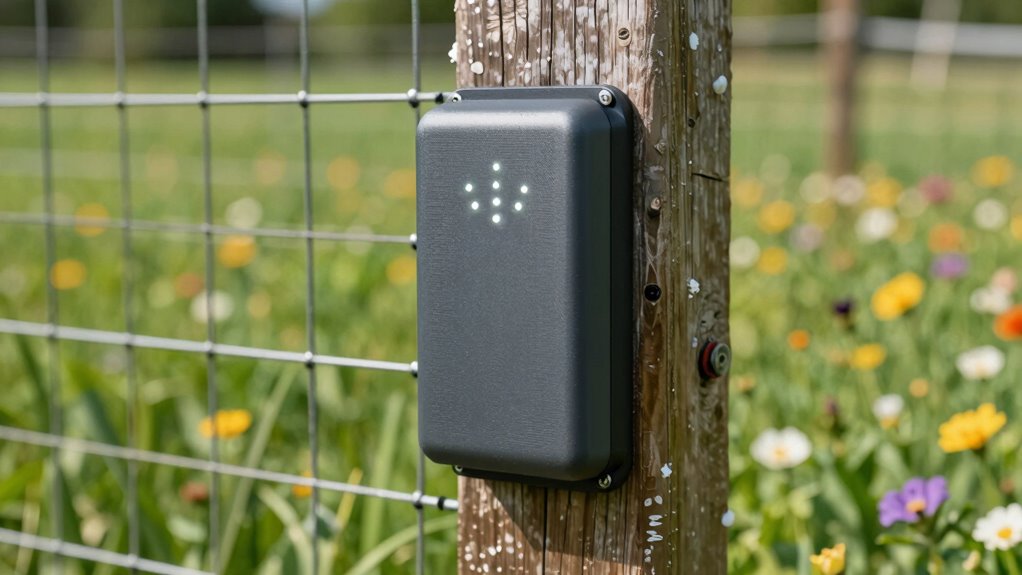
Ever wondered how wireless fences keep your pet safe without a physical barrier? They use a radio signal transmitted from a central base station, creating an invisible boundary around your yard. When your dog approaches this boundary, the collar receives the signal and alerts your pet with a warning beep or mild correction. If your dog crosses the boundary, the collar delivers a corrective stimulus, discouraging boundary crossing. However, the system’s effectiveness depends on a clear, consistent signal. Signal interference from metal objects, other electronic devices, or thick walls can disrupt communication between the transmitter and collar, risking accidental escapes. It’s essential to guarantee a stable setup to maintain a safe, reliable boundary for your pet. Additionally, wireless fence technology can vary in quality, so choosing a system with robust signal strength and interference resistance is crucial for optimal safety. Ensuring proper installation and positioning of the base station can significantly enhance system reliability and reduce interference issues. Proper system calibration is also vital to ensure the boundary remains accurate and effective over time. Being aware of potential signal interference sources can help you troubleshoot issues and maintain a secure perimeter for your pet. Regularly updating your system’s firmware and conducting periodic tests can further improve boundary accuracy and overall system performance.
Preparing Your Dog for Wireless Fence Training

Getting your dog ready for wireless fence training starts with setting clear expectations and ensuring they understand boundaries. Incorporate simple exercises like dog agility to help your dog build confidence and focus, making them more receptive to boundary training. Maintaining consistent grooming routines also helps your dog feel comfortable and relaxed during the process. Before starting, introduce your dog to the idea of boundaries by using positive reinforcement and familiar commands. Use short, frequent sessions to prevent overwhelming your dog, gradually increasing their exposure to the training area. Establishing a routine and keeping training positive will make the progression smoother, helping your dog associate boundaries with good experiences. Proper preparation sets the foundation for successful wireless fence training and a well-behaved, confident pet. Additionally, ensuring your dog is in good health and has no underlying issues can significantly impact their ability to adapt to new training methods health and wellness. Recognizing the importance of high-quality protein sources can support your dog’s overall health during this training phase. Providing a balanced diet that includes nutrient-rich foods contributes to their resilience and energy levels. Regular toilet maintenance and understanding your dog’s behavior can also help you identify any signs of stress or discomfort early on, ensuring a positive training experience. Incorporating positive reinforcement techniques can further enhance your dog’s learning and confidence during boundary training.
Teaching Your Dog Boundaries Safely and Effectively

To teach your dog boundaries safely and effectively, start by using clear, consistent commands paired with positive reinforcement. This approach helps your dog understand limits without confusion. Incorporate dog socialization by exposing your pup to different environments and people gradually, building confidence and respect for boundaries. Leash training is essential, as it teaches your dog impulse control and reinforces boundaries on walks. When your dog respects commands and walks calmly on a leash, they’re more likely to understand physical limits within your yard. Always reward good behavior immediately, and avoid harsh corrections. Patience and consistent routines are key. Establishing training boundaries early on ensures your dog recognizes and respects physical and behavioral limits, fostering a safer environment for everyone. To further support boundary training, understanding herbal remedies can help reduce stress and anxiety in dogs during the training process.
How to Recognize When Your Dog Is Confused or Resistant

You’ll want to watch for signs your dog is confused or resistant, like hesitation or ignoring commands. Resistance behaviors such as backing away or trying to escape indicate they’re uncomfortable. When you notice these signals, it’s important to adjust your training approach to help them feel safe and confident. Additionally, understanding battery lifecycle concepts can inform how you approach training durability and consistency over time.
Signs of Confusion
Dogs can become confused or resistant during wireless fence training when they don’t clearly understand the boundaries or the signals you’re using. You might notice your dog hesitating or stopping suddenly, unsure whether to proceed. Signs of confusion include repeated attempts to cross the boundary, hesitation in the designated area, or ignoring cues like whistles or commands. If your dog shows signs of stress or frustration, it could be a sign they aren’t comfortable with the signals or boundaries. Poor dog socialization or inconsistent leash training can contribute to this confusion, as your dog may struggle with understanding boundaries and cues in different contexts. Recognizing these signs early helps you adjust your training approach, ensuring your dog feels confident and secure within the wireless fence system. Properly training your dog and using adhesive strips designed for secure attachment can help maintain consistent boundary signals during training.
Resistance Behaviors
How can you tell if your dog is resisting or confused by the wireless fence? Look for signs like sudden stops, backing away, or cowering near the boundary. Your dog might exhibit dog panic, such as frantic running or whining, indicating fear or distress. Resistance behaviors often include ignoring commands, refusing to approach the boundary, or trying to escape the area altogether. These reactions signal that your dog is overwhelmed or confused about the boundaries. Resistance can lead to training setbacks, making it harder for your dog to associate the fence with positive experiences. If your dog shows signs of resistance, it’s a clear indication that the current training approach isn’t effective, and you should reassess how you’re introducing the fence to prevent further stress or confusion. Recognizing these behaviors early can help you address potential emotional distress and improve your training method.
Adjusting Training Approach
When your dog shows signs of confusion or resistance during wireless fence training, it’s essential to adjust your approach promptly. Recognize behaviors such as hesitations, reluctance to approach the boundary, or repeated retreats. These signals indicate your dog may need additional boundary reinforcement or behavioral adaptation. To help, consider:
- Reinforcing boundaries gradually with positive reinforcement
- Reducing the training area initially to build confidence
- Using consistent commands to clarify expectations
- Providing extra praise when your dog approaches the boundary calmly
Is a Wireless Fence Right for Your Dog?

Deciding whether a wireless fence is suitable for your dog depends on several factors, including your yard’s size, layout, and your pet’s behavior. If your dog tends to test boundaries, a wireless fence might not be effective, as they could push through or ignore the boundary indicators. Additionally, consider how much time you’re willing to invest in fence maintenance; wireless systems require regular adjustments and checks to guarantee proper functioning. If your yard is irregularly shaped or has obstacles, the wireless boundary might not cover the area adequately, leading to boundary testing. It’s essential to assess your dog’s temperament and your commitment level before choosing this option, as a wireless fence isn’t a one-size-fits-all solution. Understanding boundary limitations in wireless fencing can help set realistic expectations and prevent potential issues. Furthermore, being aware of technological constraints ensures you’re prepared for possible system failures or inaccuracies. Properly evaluating dog temperament can also influence whether a wireless fence will be effective for your pet’s safety and training needs. Additionally, yard characteristics, such as terrain and obstacles, can significantly impact the system’s performance and coverage. Knowing that electric power generation with bike generators can be a sustainable energy source might be useful if you’re considering alternative energy solutions for your home.
When Wireless Fences Can Cause More Harm Than Good
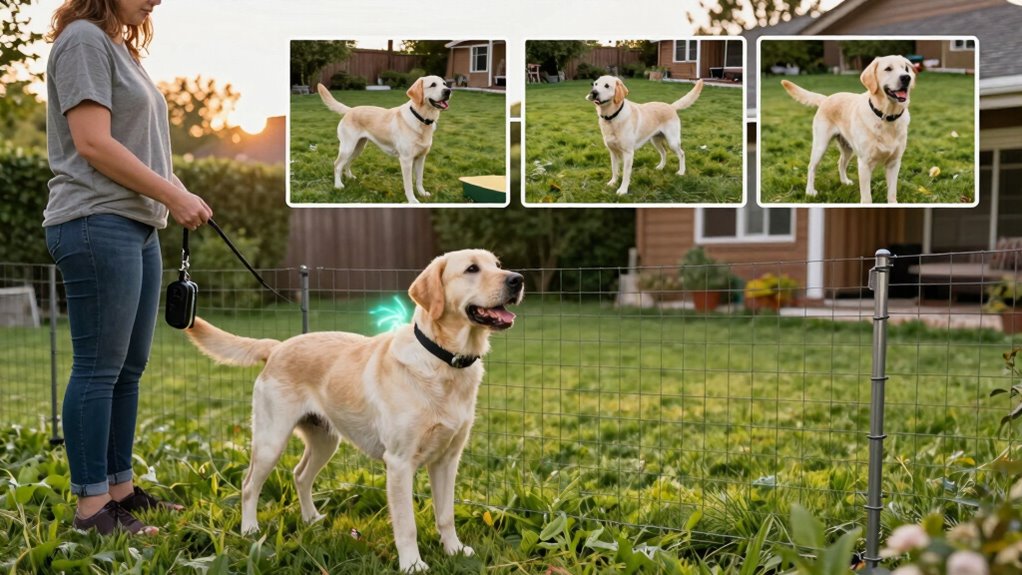
Wireless fences can sometimes fail to consistently contain your dog, leading to confusion or accidental escapes. This inconsistency can cause frustration for both you and your pet. Additionally, if your dog becomes anxious or stressed around the boundary, it might do more harm than good. Moreover, improper use or poor-quality systems can result in boundary breaches, undermining the entire purpose of containment. These failures can also result from system malfunctions, which might be caused by interference from other electronic devices or environmental factors. Understanding electromagnetic interference and its impact is essential for ensuring the system functions as intended.
Inconsistent Boundary Enforcement
Despite their convenience, wireless fences often struggle with inconsistent boundary enforcement, which can lead to confusion and frustration. When boundary inconsistency occurs, your dog may receive mixed signals, making training more difficult. This inconsistency can cause:
- Unexpected boundary breaches
- Sudden corrections or shocks
- Confusion about safe zones
- Increased training challenges
These issues stem from the fence’s inability to reliably detect your dog’s location, especially in areas with interference or signal loss. As a result, your pet may become anxious or distrustful of the system, undermining training efforts. Inconsistent boundary enforcement highlights the core problem: the system’s unreliability can create more problems than it solves, making it a poor choice for effective, safe dog training.
Increased Anxiety Risks
Inconsistent boundary enforcement can not only confuse your dog but also increase their anxiety around the system. When your dog encounters unpredictable corrections or uncertain boundaries, anxiety triggers can develop, leading to heightened stress levels. This constant state of worry may cause behavioral escalation, such as barking, whining, or attempts to escape the yard. Over time, your dog might associate the wireless fence with fear rather than safety, making them more hesitant or even aggressive near the boundary. The unpredictability of the system amplifies their stress, which can undermine training efforts and harm your dog’s well-being. Ultimately, these increased anxiety risks can turn what’s meant to be a protective tool into a source of ongoing emotional distress.
Better Alternatives for Safe Pet Containment
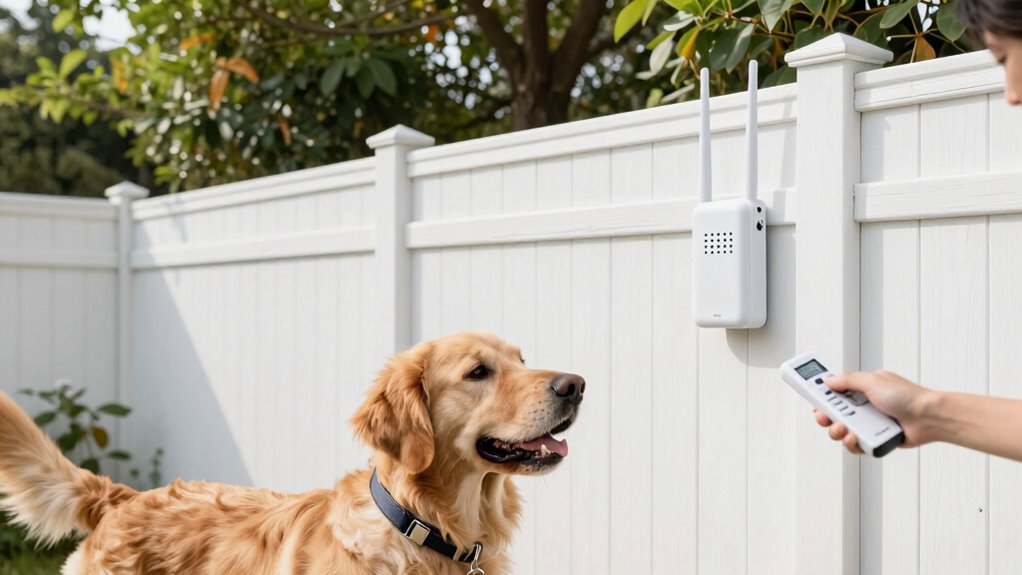
When it comes to keeping your pets safe and secure, there are several effective alternatives to traditional wireless fences. You can consider supervised outdoor time in secure yards or enclosed play areas, which eliminate the risks associated with wireless fence durability. Training your dog using positive reinforcement helps build recall skills, reducing the need for barriers. Installing physical fences tailored to your dog’s breed considerations ensures durability and safety. Additionally, using GPS collars offers flexibility and reliable containment without electrical interference.
- Enclosed, secure yards with sturdy fencing
- Positive reinforcement training techniques
- GPS tracking collars for mobility
- Dog breed-specific fencing solutions
These options provide safer, more effective containment, especially when considering your dog’s breed and the long-term reliability of the containment system.
Frequently Asked Questions
Can Wireless Fences Work for Multiple Dogs Simultaneously?
Wireless fences can work for multiple dogs simultaneously, but you need to take into account multiple dog management and fence boundary overlap. Some systems accommodate several collars, allowing you to train and contain multiple dogs at once. However, overlap in fence boundaries may cause confusion or accidental corrections if dogs cross into each other’s zones. Always check if your wireless fence system supports multiple collars and carefully plan boundary overlaps to ensure effective containment.
How Long Does It Typically Take to Train a Dog With a Wireless Fence?
Most dogs take about 2 to 4 weeks to be fully trained with a wireless fence. The training duration varies based on your dog’s temperament, consistency, and your approach. Success factors include clear boundaries, positive reinforcement, and patience. If you’re consistent and attentive, your dog will learn faster. Remember, some dogs need more time, so stay patient and positive throughout the process.
Are Wireless Fences Effective for Guarding Large or Aggressive Dogs?
Wireless fences can be less effective for guarding large or aggressive dogs because their behavioral adaptation varies, and fence limitations might not contain them safely. These dogs may challenge or ignore the boundary, risking escape or injury. You need to take into account more secure, physical fencing options for such dogs, as wireless fences might not provide the control or safety required for guarding large or aggressive animals effectively.
What Are the Long-Term Behavioral Effects of Using Wireless Fences?
Think of your dog’s behavior as a garden; wireless fences can sometimes plant seeds of confusion over the long term. You might face training challenges as your pup struggles to understand boundaries, leading to anxiety or frustration. Over time, these fences can cause behavioral shifts like fear or reactivity, making your dog unsure of themselves and their surroundings, ultimately affecting their confidence and your bond.
Do Wireless Fences Interfere With Home Security or Other Electronic Devices?
Wireless fences rarely interfere with your home security system or other electronic devices. They operate on different radio frequencies, so electronic interference is uncommon. However, if your security system uses similar frequencies or if your wireless fence isn’t properly installed, you might experience minor disruptions. To avoid issues, guarantee your security system and fence operate on distinct channels and consult with a professional for proper setup.
Conclusion
Think of a wireless fence as a fishing net—you might catch the right fish, but sometimes it traps unintended ones. Before you cast your line, make sure it’s the best fit for your dog’s personality and needs. If it causes more confusion or stress, it’s not worth the risk. Explore safer, proven alternatives that keep your pup happy and secure, so your bond remains strong and unbroken—like a sturdy rope you can count on.