
TL;DR

Turn the school run and nap time into listening time
- Thousands of audiobooks, podcasts and originals
- Listen on your phone, tablet or Echo — also offline
- Cancel anytime
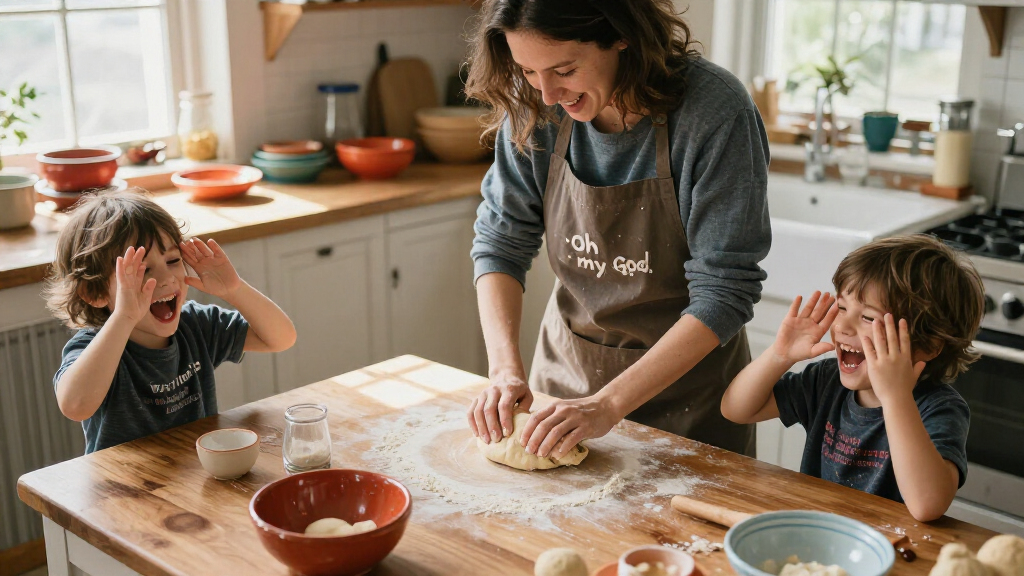
An increasing number of parents with religious backgrounds express disapproval when children say ‘Oh my God.’ This trend is gaining attention online, reflecting ongoing tensions between faith, language, and parenting. The exact reasons remain personal and varied.
A growing number of parents with religious backgrounds are expressing concern or disapproval when their children say ‘Oh my God’, citing religious beliefs and teachings as reasons. This trend is gaining visibility on social media platforms, sparking conversations about language, faith, and parenting practices.
Many parents who identify as religious, particularly Christian, report feeling uncomfortable or offended when their children use expressions like ‘Oh my God’. Some describe it as a matter of respect or adherence to their faith’s teachings, which often discourage casual or irreverent use of divine references. These parents often share their reactions and disciplinary approaches online, emphasizing the importance of teaching children about reverence and faith-based language. The trend appears to be fueled by social media posts and online parenting forums where individuals share personal stories about religious upbringing and the importance of maintaining spiritual respect. While some parents explicitly forbid or correct children for using the phrase, others express frustration over what they see as a decline in reverence or a cultural shift away from traditional values. The phenomenon is not limited to one denomination or faith but appears across various religious communities that emphasize respect for divine references.Cultural and Religious Tensions in Parenting Language
This trend highlights ongoing tensions between religious beliefs and contemporary language use among children and parents. It raises questions about how faith influences everyday communication and how parents navigate balancing religious teachings with modern expressions. The discussion also reflects broader debates about respect, irreverence, and cultural shifts in language norms, making it relevant for diverse audiences concerned with faith, education, and social change.Products Worth Considering

LEGO Art Keith Haring – Dancing Figures Building Set for Adults

Owlet Dream Duo 3 Smart Baby Monitor System with Floor Stand

Owlet Cam 2 Smart Baby Monitor with HD Video, Night Vision, Two-Way Talk, and Temperature and Humidity Sensors
As an affiliate, we earn on qualifying purchases.
Rise in Online Discussions About Faith and Language
Over recent months, social media platforms have seen an uptick in posts and comments from parents sharing their disapproval of children saying ‘Oh my God’. This interest is part of a larger trend where discussions about religious upbringing, respect for divine references, and language norms are increasingly visible online. While there is no formal data linking this to a specific event, the pattern suggests a growing awareness and concern among religious communities about maintaining reverence in speech. Experts note that this reflects ongoing cultural debates about the place of religion in everyday life and the influence of social media on parenting practices.Extent and Long-Term Impact of the Trend
It is not yet clear how widespread this disapproval is across different communities or whether it will influence broader social language norms. The trend appears primarily confined to online discussions, and there is limited empirical data on actual behavioral changes among children or parents.Monitoring Future Discussions and Behavioral Changes
Researchers and community leaders will likely observe whether this online discourse translates into real-world parenting practices or influences cultural language norms. Further studies may explore the depth of religious influence on language and how these attitudes evolve over time, especially amid changing social attitudes toward religion and secularism.Key Questions
Why do some religious parents disapprove of children saying ‘Oh my God’?
Many believe that the phrase is a form of irreverence or disrespect toward the divine, and they aim to instill reverence and respect for God in their children’s speech, based on their faith teachings.
Is this trend affecting all religious communities?
No, the concern appears mainly among Christian parents, but similar sentiments may exist in other faiths that emphasize reverence for divine references. The extent varies across communities.
Are children actually being disciplined for saying this phrase?
Some parents report correcting or disciplining children for using the phrase, while others focus on teaching about respect without strict discipline. Data on actual disciplinary actions is limited.
Could this trend influence broader language norms?
It is uncertain. Currently, the discussion remains largely within religious communities and online forums, with no clear evidence of widespread changes in secular language use.
What is the main reason for the increase in online discussions about this?
Parents sharing personal experiences and concerns on social media have amplified awareness of this issue, reflecting ongoing debates about faith, respect, and language in modern society.
Source: rss