
TL;DR

Turn the school run and nap time into listening time
- Thousands of audiobooks, podcasts and originals
- Listen on your phone, tablet or Echo — also offline
- Cancel anytime
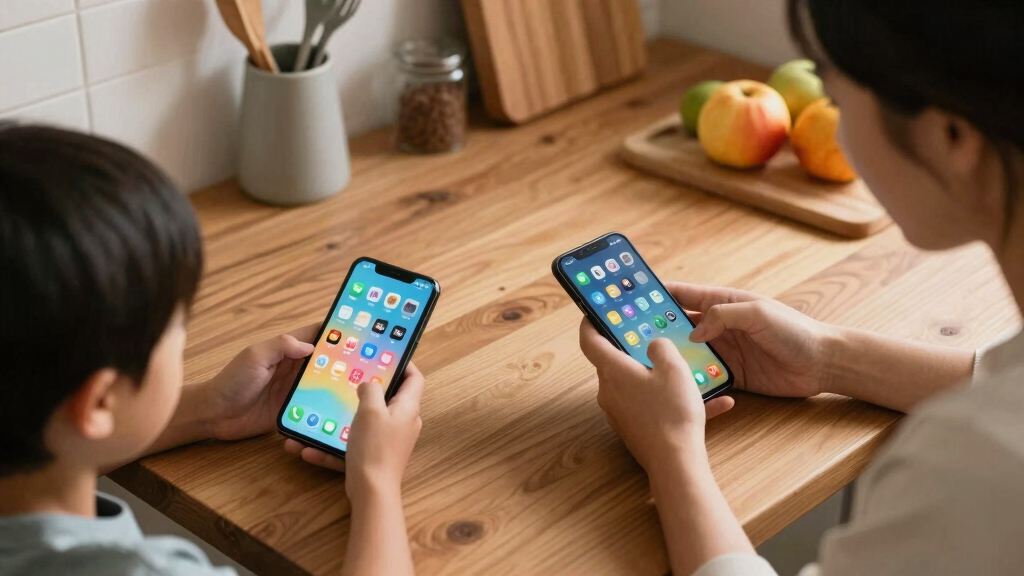
A new study indicates that children who own and use smartphones are not suffering adverse effects on their well-being. The findings challenge prevailing fears about screen time and highlight the importance of context in digital device use.
A recent study published in The Journal of Child Development finds that children with smartphones are not experiencing significant negative effects on their mental health, academic performance, or social skills. This challenges common fears and suggests that device ownership, when managed properly, may not be harmful. The research underscores the importance of context and responsible use, offering a nuanced perspective on children’s digital engagement.
The study analyzed data from over 10,000 children aged 8 to 16 across multiple regions, examining variables such as mental health indicators, academic achievement, and social interactions. For more on supporting children’s well-being, see how to help vulnerable kids. Researchers found no consistent evidence linking smartphone ownership to increased anxiety, depression, or social isolation. Instead, children who used phones responsibly and with parental guidance showed stable or improved well-being.
Lead researcher Dr. Emily Carter from the University of Michigan stated, “Our findings suggest that the narrative of phones being inherently harmful is overly simplistic. When used appropriately, they can support learning, social connections, and even mental health.” The study also noted that children who had access to phones for educational purposes or to maintain family connections fared better in some areas compared to those without devices.
Why This Challenges Common Fears About Phones
This research matters because it shifts the conversation from a blanket condemnation of smartphones to a focus on responsible use and context. It suggests that parental guidance and moderation are key factors in ensuring positive outcomes. For parents, educators, and policymakers, the findings offer reassurance that children’s digital engagement, if managed well, can be beneficial rather than harmful.
kids responsible smartphone use guide
As an affiliate, we earn on qualifying purchases.
As an affiliate, we earn on qualifying purchases.
Recent Debates and Past Research on Kids and Smartphones
Concerns about children’s screen time have been widespread, with many studies linking excessive use to mental health issues and social difficulties. However, recent research indicates that the relationship is more complex. Some experts argue that the quality of phone use and the environment in which children use devices are critical factors. Previous surveys have shown mixed results, with some children thriving with technology and others struggling.
The new study builds on this evolving understanding by emphasizing responsible use and parental involvement, aligning with a broader shift towards nuanced perspectives on digital media.
“Our findings suggest that the narrative of phones being inherently harmful is overly simplistic. When used appropriately, they can support learning, social connections, and even mental health.”
— Dr. Emily Carter, lead researcher
educational smartphone for children
As an affiliate, we earn on qualifying purchases.
As an affiliate, we earn on qualifying purchases.
Unanswered Questions About Long-Term Effects
While the study provides reassuring findings, it is still unclear how long-term smartphone use will impact children as they grow older. Researchers note that ongoing monitoring is necessary to understand potential effects over years or decades, especially as technology evolves and usage patterns change.
Additionally, it remains to be seen how different socio-economic, cultural, and individual factors influence outcomes, and whether these findings are consistent across diverse populations.
parental control smartphone apps for kids
As an affiliate, we earn on qualifying purchases.
As an affiliate, we earn on qualifying purchases.
Future Research and Policy Implications
Researchers plan to conduct longitudinal studies to track children’s development over time, assessing how continued smartphone use affects mental health, academic success, and social skills. Policymakers and educators may also reconsider restrictions, emphasizing education on responsible use rather than outright bans.
Parents are encouraged to stay informed about best practices for guiding children’s digital habits, focusing on supervision, setting boundaries, and fostering open communication.
child-friendly phone with learning apps
As an affiliate, we earn on qualifying purchases.
As an affiliate, we earn on qualifying purchases.
Key Questions
Does owning a smartphone harm children’s mental health?
According to recent research, owning a smartphone is not inherently harmful. Outcomes depend on responsible use and parental guidance.
What factors influence whether phones are beneficial or harmful?
Use context, supervision, and moderation are key. Educational and social purposes tend to be associated with positive outcomes when managed well.
Are there differences based on age or socio-economic status?
Research is ongoing, but initial findings suggest that individual and environmental factors play significant roles in outcomes.
Should parents allow children to have phones at a young age?
Experts recommend considering the child’s maturity, purpose of use, and parental involvement rather than making decisions based solely on age.
Source: hn
Fall Picks
fall essentials
As an affiliate, we earn on qualifying purchases.