
TL;DR

Turn the school run and nap time into listening time
- Thousands of audiobooks, podcasts and originals
- Listen on your phone, tablet or Echo — also offline
- Cancel anytime
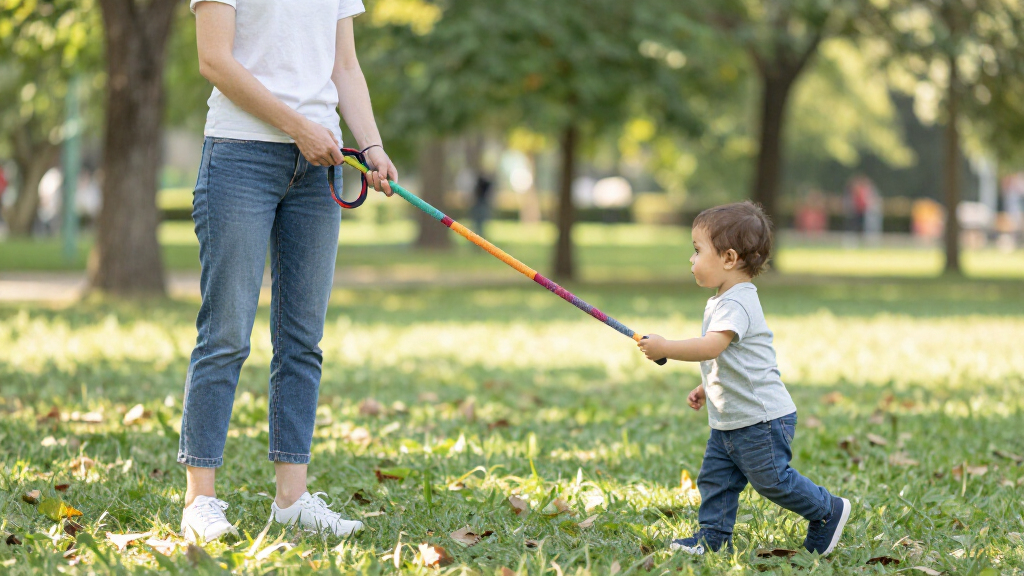
A growing debate questions the use of child leashes, with critics calling it bizarre and unnecessary. The practice remains controversial, raising concerns about child autonomy and safety.
Recent social media posts and public discussions have brought renewed attention to the practice of leashing children, with many critics labeling it as bizarre and inappropriate. While some parents defend the practice as a safety measure, opponents argue it undermines child autonomy and dignity. The controversy highlights ongoing debates about child safety, parenting styles, and societal perceptions.
The practice of using child leashes, often seen as a harness with a leash attached, has been part of parenting for decades, particularly in crowded or busy environments. For more tips on managing busy environments with kids, see our ergonomic backpacks guide. However, in recent weeks, social media users and child development experts have sharply criticized the practice, with many calling it bizarre and harmful. Critics argue that leashing children can be traumatizing and demeaning, potentially impacting a child’s sense of independence and self-esteem.
Supporters of the practice claim that it provides a simple safety solution in crowded places, preventing children from running off or getting lost. Learn more about child safety in crowded areas in our kids’ backpacks recommendations. Some parents argue that it offers peace of mind and allows children to explore within a controlled boundary. Nonetheless, the debate has intensified as more individuals share negative perceptions and personal stories condemning the practice.
Several child advocacy groups and psychologists have publicly spoken out against leashing, emphasizing the importance of fostering autonomy and trust. Meanwhile, some parents continue to defend their use of leashes, citing safety concerns in urban environments or during travel. The practice remains legal in many regions, though it is increasingly viewed as controversial.
Why the Leashing Debate Matters for Child Development and Parenting
This controversy underscores broader issues about child autonomy, dignity, and safety. Critics warn that using leashes can harm a child’s emotional well-being and sense of independence, potentially leading to long-term psychological effects. Conversely, proponents argue that in certain environments, such measures are necessary for preventing accidents and ensuring safety.
The debate also reflects societal attitudes toward parenting and childhood. As public awareness of child rights grows, many see leashing as an outdated or inappropriate method. The controversy may influence future regulations, parenting guidelines, and social norms surrounding child supervision.
Ultimately, the discussion raises questions about balancing child safety with respect for their autonomy, a challenge faced by many modern parents and caregivers.
As an affiliate, we earn on qualifying purchases.
History and Growing Criticism of Child Leashing Practices
The use of child leashes originated in the late 20th century as a safety tool for parents navigating crowded public spaces. Initially, it was seen as a practical solution, especially in urban environments where children could easily wander off. Over time, the practice became more visible in media and popular culture, often associated with parents of young children in busy settings.
In recent years, however, social attitudes have shifted. Child development experts and advocacy groups have increasingly criticized leashing, arguing it can be demeaning and potentially traumatizing. Several high-profile incidents and social media campaigns have highlighted concerns about the practice, leading to a decline in its acceptance among many communities.
Despite the criticism, some parents continue to use leashes, citing safety concerns during travel, shopping, or crowded events. The debate remains active, with ongoing discussions about the appropriateness and ethics of this parenting tool.
“Leashing a child can undermine their sense of independence and can be psychologically harmful if used improperly.”
— Dr. Emily Carter, child psychologist
As an affiliate, we earn on qualifying purchases.
Debate Over Safety Versus Dignity in Child Supervision
It is not yet clear whether the practice of leashing children will decline significantly as social attitudes shift. While many criticize it as bizarre and harmful, some parents and communities continue to defend its use for safety reasons. There is also ongoing debate about whether regulations should restrict or ban the practice, with no consensus reached.
child safety harness for crowded places
As an affiliate, we earn on qualifying purchases.
As an affiliate, we earn on qualifying purchases.
Potential Policy Changes and Public Attitudes in Focus
Future developments may include increased regulation or guidelines discouraging leashing, especially in educational or childcare settings. Public opinion could continue to sway, influenced by advocacy campaigns and media coverage. Experts suggest that ongoing discussions may lead to more awareness about child rights and alternative supervision methods.
As an affiliate, we earn on qualifying purchases.
Key Questions
Is leashing children legal everywhere?
Legal status varies by region. In many places, it is legal, but some jurisdictions have debated or enacted restrictions based on child welfare concerns.
Are there safer alternatives to leashing?
Yes, options include supervised play, using child harnesses with positive reinforcement, and maintaining close physical supervision in crowded areas.
What do child development experts say about leashing?
Most experts warn against it, citing potential psychological harm and advocating for fostering independence through respectful supervision.
How do parents justify using leashes?
Many cite safety concerns in busy environments or during travel, emphasizing peace of mind and preventing children from wandering off.
Source: fediverse
Cold & flu season Picks
humidifiers
As an affiliate, we earn on qualifying purchases.