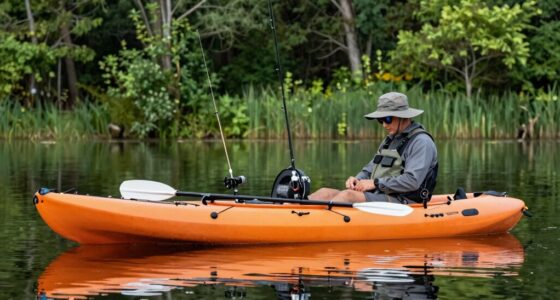
Satellite communicators are the top choice for hikers because they offer reliable, instant connectivity in remote areas where phones often fail. Unlike smartphones, they use satellites orbiting Earth, so you can stay reachable and send emergency signals no matter the terrain or weather. They’re built tough, with long-lasting batteries, making them perfect for extended adventures. If you want to discover how these devices keep you safe and connected, keep exploring further.

Turn the school run and nap time into listening time
- Thousands of audiobooks, podcasts and originals
- Listen on your phone, tablet or Echo — also offline
- Cancel anytime
Key Takeaways
- Satellite communicators provide reliable connectivity in remote areas where cell phones often fail.
- They offer instant emergency alerts, ensuring quick rescue in dangerous situations.
- Built to withstand harsh conditions, making them more durable than fragile smartphones.
- Equipped with dedicated GPS for accurate navigation in challenging terrains.
- Their extended battery life supports multi-day outdoor adventures without interruption.
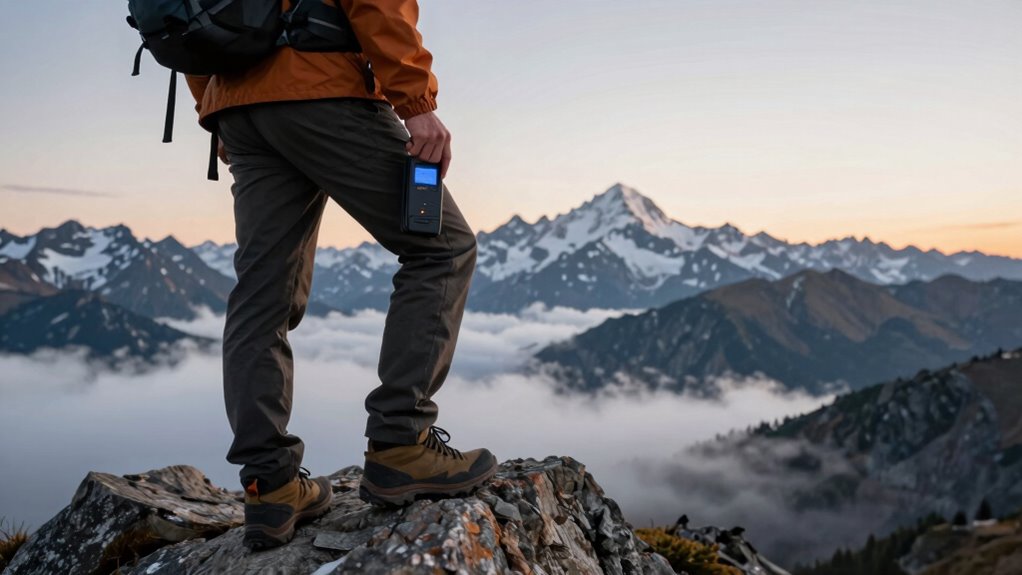
Satellite communicators have revolutionized the way you stay connected in remote or challenging environments where traditional cell networks fall short. When you’re out on a wilderness trek or venturing into rugged terrain, relying solely on your phone can leave you vulnerable, especially if unexpected emergencies arise. These devices are built for tough conditions, guaranteeing you can send an emergency signal instantly if you encounter trouble. Unlike smartphones that depend on local networks, satellite communicators use satellites orbiting the Earth, so you remain reachable and able to reach others no matter how far you go. With these devices, emergency signaling becomes quick and reliable, giving you peace of mind knowing help is just a button away should an accident or sudden health issue occur.
Beyond emergency signaling, satellite communicators excel in providing GPS navigation tailored for outdoor adventures. While your phone might struggle to get a GPS signal in dense forests, deep canyons, or mountainous regions, satellite devices are designed to maintain accurate positioning in these challenging environments. They often feature dedicated GPS systems that deliver precise coordinates, helping you navigate unfamiliar trails confidently. This accurate navigation reduces the risk of getting lost and allows you to plan routes more effectively, especially in areas where traditional mapping tools might be limited. When you combine GPS navigation with emergency signaling, you create a safety net that keeps you on track and ensures help can locate you swiftly if needed. Additionally, satellite communicators are specifically designed to operate in environments where reliable connectivity is often difficult to achieve with standard devices. Trust in satellite communicators also stems from their durability and reliability. These devices are built to withstand harsh weather, drops, and dirt, making them suitable for rugged outdoor use. Unlike smartphones, which can be fragile and susceptible to water damage or battery drain, satellite communicators are designed for long-lasting performance in extreme conditions. They often have extended battery life, ensuring you stay connected during multi-day excursions without worry. Furthermore, this robustness means you don’t have to compromise safety for convenience, making them a preferred choice for serious hikers and explorers. In fact, understanding the importance of durability in outdoor gear is essential for ensuring your safety in unpredictable environments.
Another advantage is that satellite networks are less likely to experience outages compared to cellular networks, providing consistent communication regardless of location.
satellite communicator for hiking
As an affiliate, we earn on qualifying purchases.
As an affiliate, we earn on qualifying purchases.
Frequently Asked Questions
How Long Do Satellite Batteries Typically Last During Extended Trips?
Satellite communicator batteries typically last between 12 to 24 hours during extended trips, depending on usage and model. To maximize battery longevity, you should enable power management features, such as turning off unnecessary functions and reducing screen brightness. Carrying spare batteries or portable chargers can also help guarantee your device stays powered during long excursions, giving you peace of mind and reliable communication in remote areas.
Are Satellite Communicators Waterproof and Resistant to Harsh Weather?
Satellite communicators are designed with weather resistance and durability features, making them suitable for harsh conditions. You can count on them to be waterproof and resistant to rain, snow, and mud, ensuring reliable operation during extreme weather. Their rugged construction withstands drops and rough handling, giving you peace of mind on the trail. This durability makes satellite communicators more dependable than phones in challenging outdoor environments.
Do Satellite Devices Work in Remote Areas With No Cellular Coverage?
Yes, satellite devices work in remote areas with no cellular coverage because they rely on satellite signal reliability, not cellular networks. You can trust your device to maintain connectivity even when you’re miles from civilization. Just confirm your satellite communicator is compatible with the satellite network in your region. This way, you stay connected for safety, navigation, or emergencies, regardless of how remote your hiking adventure gets.
What Is the Cost Comparison Between Satellite Communicators and Smartphones?
Think of the cost comparison between satellite communicators and smartphones as a tug-of-war. Satellite devices often come with higher upfront costs but offer better long-term cost benefits, especially considering insurance coverage for rugged outdoor use. Smartphones usually cost less initially but may incur hefty repair or replacement fees. Over time, satellite communicators can save you money and peace of mind when venturing into remote areas.
How Secure Are Satellite Messages Against Hacking or Interception?
Satellite messages are generally more secure against hacking or interception because they use advanced encryption protocols that protect your data. Unlike standard phone signals, which are vulnerable to signal interception, satellite communications often have built-in security features that make it difficult for outsiders to access your messages. While no system is completely foolproof, satellite communicators considerably reduce your risk of unauthorized access, providing you with safer, more private communication during remote adventures.
As an affiliate, we earn on qualifying purchases.
Conclusion
So next time you’re lost in the wilderness, toss your fancy phone aside and trust a satellite communicator. Because nothing screams “I’ve got this” quite like shouting for help with a device that actually works when you’re off the grid. Forget the sleek screen—your survival depends on it. After all, when it comes to adventure, who needs a camera when you’ve got peace of mind? Stay safe, stay connected—preferably via satellite.
As an affiliate, we earn on qualifying purchases.
long battery life satellite communicator
As an affiliate, we earn on qualifying purchases.
As an affiliate, we earn on qualifying purchases.
Fall Picks
fall essentials
As an affiliate, we earn on qualifying purchases.