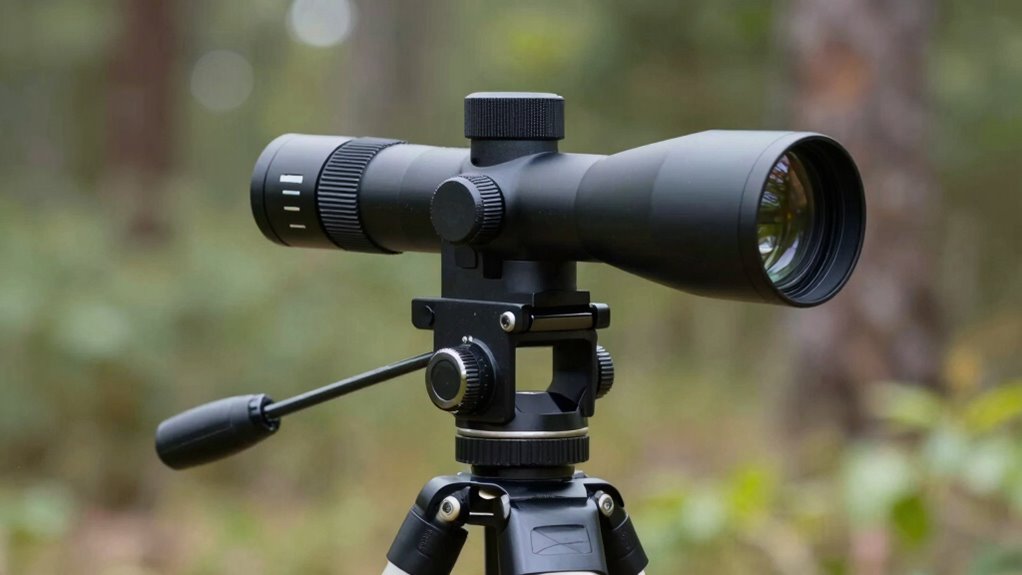

To keep your spotting scope steady, choose a sturdy tripod made of quality material like aluminum or carbon fiber, and set it up on a stable, level surface. Use moderate magnification—higher levels amplify shake—so don’t go beyond your scope’s recommended limits. Keep all tripod locks tight and use additional support like weight bags or anti-vibration pads. Proper setup and handling can make a big difference; continue exploring for more tips to improve your view.
Key Takeaways
- Use a sturdy, level tripod with secure locks and proper support to stabilize the scope during observation.
- Balance magnification levels with stability; avoid exceeding the scope’s recommended magnification to prevent shake.
- Employ external supports like weight bags or stabilizers to reduce vibrations caused by hand tremors or external factors.
- Ensure all tripod joints and mounts are tight and regularly maintained for consistent stability.
- Position yourself strategically, shielding from wind and environmental vibrations, and use anti-vibration accessories when possible.
Why Your Spotting Scope Views Are Shaky
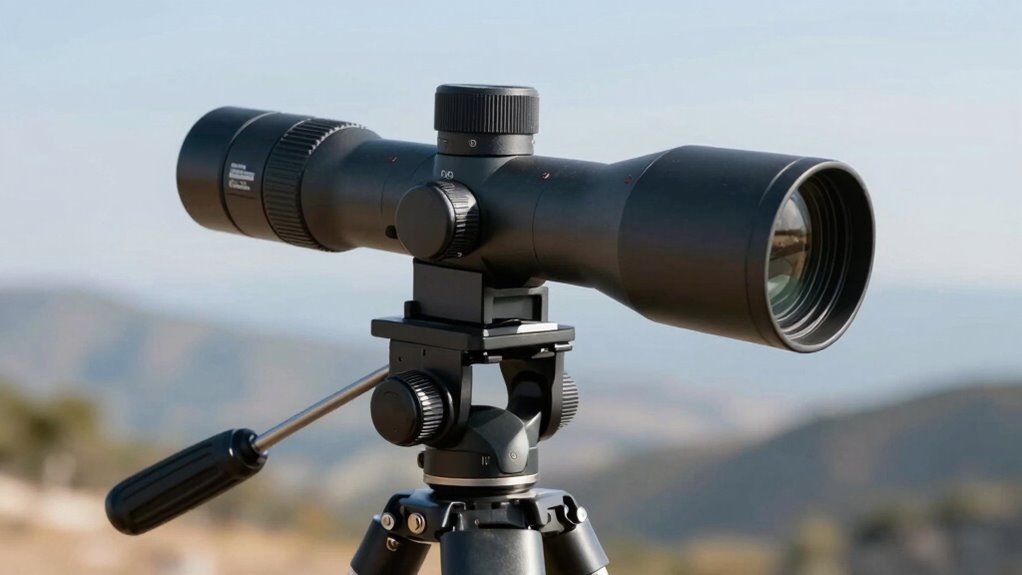
If your spotting scope views are shaky, the most common cause is unstable mounting or tripod setup. A shaky image can also be caused by poor lens coating, which affects image clarity and stability. Check that your scope’s lens coating is clean and free of scratches, as dirt or damage can introduce glare and reduce stability. Additionally, eye relief plays a role; if it’s too short, you might strain or adjust your position frequently, causing instability. Ensure your tripod is sturdy and properly balanced, and that your scope is securely mounted. Using a scope with good lens coating and comfortable eye relief helps maintain a steady, clear view. Proper setup minimizes vibrations and keeps your observations smooth and sharp. Paying attention to magnification levels can also impact image stability, as higher magnifications tend to amplify shake and require more stable supports. Additionally, selecting appropriate tripod supports designed for heavy or high-magnification scopes can significantly improve stability. To further enhance stability, consider using a tripod with a fluid head for smoother adjustments and steadier images. Moreover, choosing a heavy-duty tripod can provide additional support and reduce vibrations during observation.
Understanding Magnification and How It Affects Stability
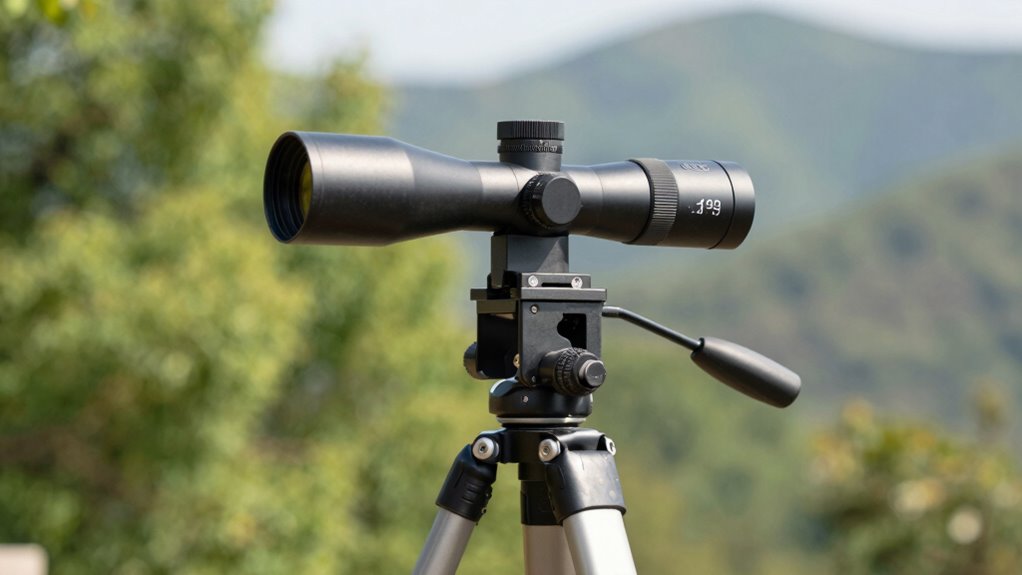
Understanding how magnification impacts stability is essential for getting clear, steady views through your spotting scope. As you increase magnification, even small hand movements become more noticeable, making it harder to maintain optical clarity. Higher magnification often requires additional image stabilization to keep your view steady, especially when handholding the scope. Without proper stabilization, shaky images can obscure details and reduce viewing enjoyment. Keep in mind that while higher magnification offers closer views, it demands more stability to preserve optical clarity. Using a sturdy tripod or additional stabilization tools helps counteract vibrations. Ultimately, balancing magnification with your setup’s stability ensures you get sharp, clear images without frustration or eye strain. Additionally, being aware of your scope’s horsepower or power output can help in selecting the right equipment for stable, high-magnification viewing.
How to Choose the Best Tripod for Birdwatching
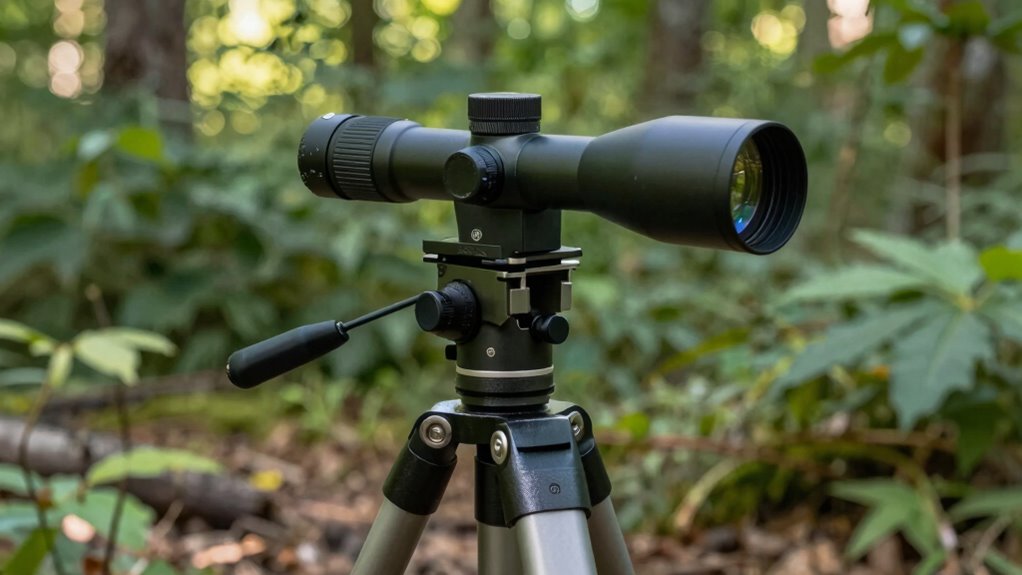
Choosing the best tripod for birdwatching involves considering factors like stability, weight, and ease of use, since these directly impact your viewing experience. You want a tripod that’s sturdy enough to prevent shakiness yet lightweight enough to carry comfortably. Tripod materials—such as aluminum or carbon fiber—affect durability and weight considerations. Aluminum is affordable and durable but heavier, while carbon fiber offers lightweight portability at a higher cost. Think about your typical birdwatching trips; if you hike long distances, a lighter tripod makes a difference. The table below compares key features to help you decide:
| Material | Weight Considerations | Stability |
|---|---|---|
| Aluminum | Heavier, durable | Good stability |
| Carbon Fiber | Light, costly | Excellent stability |
| Plastic/Other | Light, less durable | Moderate stability |
| Tripod Height | Tall or compact? | Affects ease of use |
| Load Capacity | Weight of scope? | Supports your gear |
Additionally, proper maintenance of your tripod ensures longevity and optimal performance during your birdwatching adventures. Regular cleaning and inspection help maintain stability and prevent wear and tear. Being aware of weather protection measures can also help extend the lifespan of your equipment. Using quality accessories like sturdy tripod heads can further improve your viewing experience and prevent shakiness. Furthermore, selecting a tripod with adjustable legs can enhance your comfort and viewing angles in various terrains.
Setting Up Your Tripod for Maximum Stability
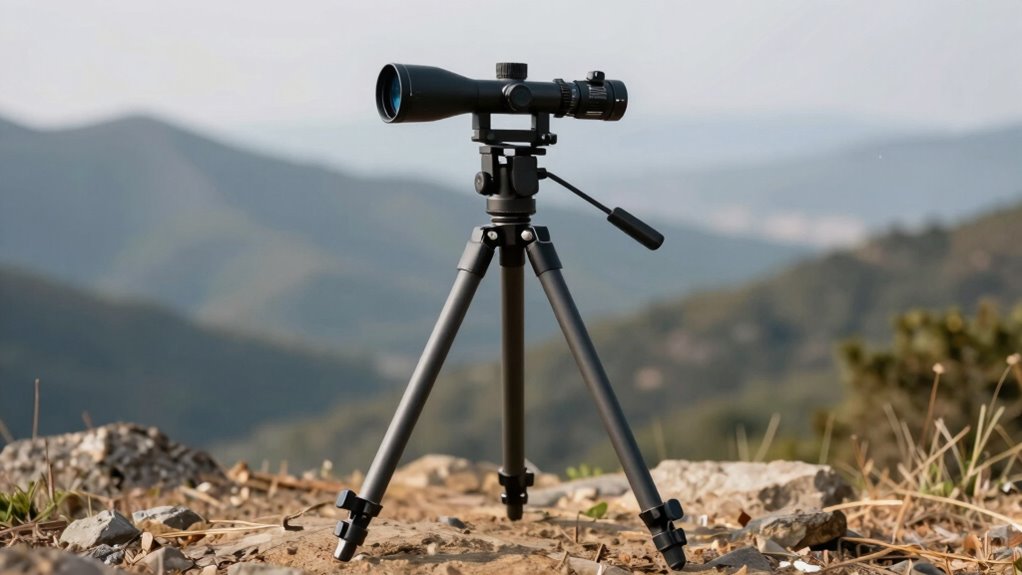
Start by finding a stable surface to set your tripod on, avoiding uneven or shaky ground. Next, adjust the tripod legs so it’s level and securely positioned. Proper adjustment guarantees your spotting scope stays steady, giving you clear, crisp views. Additionally, ensuring your tripod is compatible with your scope can prevent unnecessary shakiness during use equipment compatibility. To further enhance stability, consider using connected fitness technology such as a weight bag or stabilizer to minimize vibrations during observations. Incorporating modern stabilization techniques can also significantly improve your viewing experience, especially with the integration of smart home security devices that monitor environmental vibrations and help maintain steady positioning. Implementing environmental monitoring can provide real-time feedback on vibrations, further supporting your efforts to achieve a steady view.
Select Stable Surface
To guarantee your spotting scope remains steady and clear, you need to find a stable surface for your tripod. Look for a flat, firm spot that won’t shift or wobble under your weight. Avoid uneven terrain, which can cause instability and make your view shaky. If you’re on uneven ground, consider placing a sturdy, flat object like a piece of wood or a small platform underneath one or more tripod legs to level it out. Make sure the surface can support the weight of your setup without sinking or shifting. A stable surface ensures your tripod stays steady, reducing vibrations and helping you get a crisp, clear view through your spotting scope. Taking the time to choose the right spot makes all the difference. Proper setup helps optimize your viewing experience by minimizing vibrations and enhancing stability. Additionally, understanding how passive voice can impact your writing allows you to communicate more clearly and confidently. Proper stability techniques are essential for achieving the best possible clarity during your observations. Employing effective grounding methods can further improve overall stability and viewing quality. Using appropriate accessories, such as weight bags or tripod stabilizers, can also provide extra support in challenging conditions.
Proper Tripod Adjustment
Ensuring your tripod is properly adjusted is essential for maximum stability and clear viewing. Proper tripod adjustment involves more than just extending the legs; it requires attention to tripod maintenance and eyepiece alignment. To optimize stability, check that all leg locks are secure and the tripod head is level. Regular tripod maintenance prevents loosening or wear that can cause shakiness. Make sure your eyepiece aligns correctly with the scope’s optical axis to avoid blurry images or eye strain. For added stability:
- Tighten all adjustable joints and locks
- Ensure the tripod head is level and secure
- Periodically inspect for wear or damage
Tips to Keep Your Views Steady and Prevent Shake
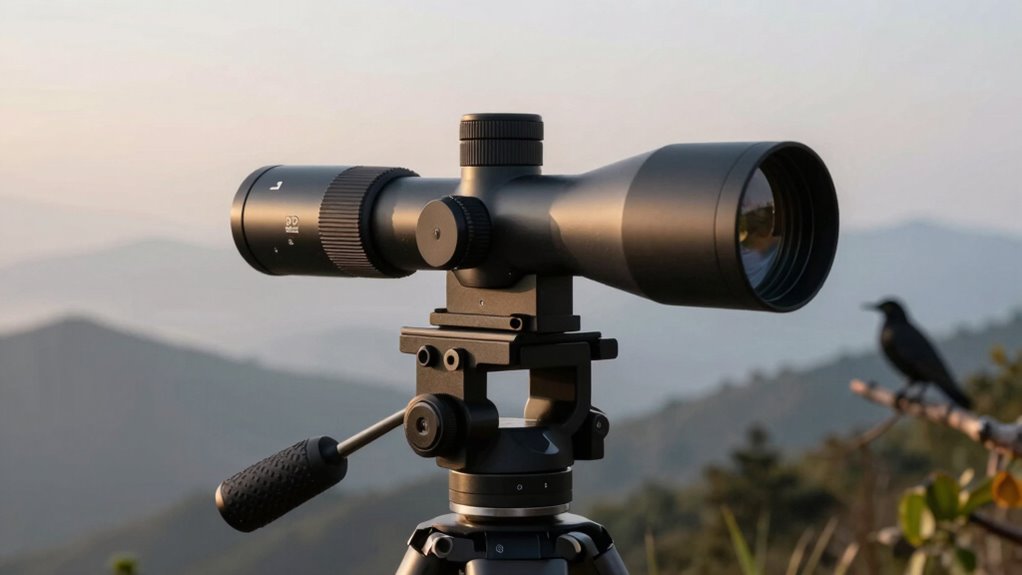
Keeping your views steady when using a spotting scope can be challenging, but there are simple techniques to minimize shake and improve clarity. Start with proper mounting techniques—ensure your tripod is stable, level, and securely tightened. Using a sturdy surface or tripod legs spread wider can also help reduce vibrations. Weather considerations matter too; avoid viewing in windy conditions or when the ground is unstable, as these can cause unnecessary movement. If you’re in a gusty environment, consider adding weight to your tripod or using a stabilizing platform. Holding your scope firmly with both hands when adjusting or switching viewpoints can further prevent shake. Additionally, proper maintenance of your equipment, such as ensuring the tripod joints are tightly secured and free of debris, can help maintain stability over time. Regularly checking and calibrating your scope’s alignment can also contribute to steadier views. Ensuring your filtering system is clean and functioning properly can also prevent minor vibrations caused by equipment issues. Combining these tips ensures sharper images and a more enjoyable viewing experience.
Common Mistakes That Cause Shaky Views and How to Avoid Them
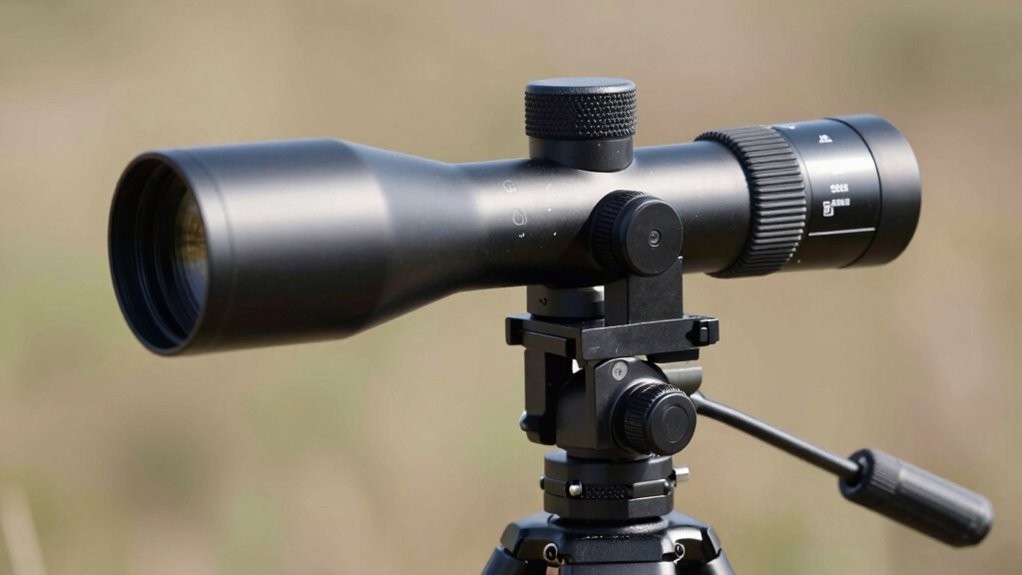
Many common mistakes can lead to shaky views through your spotting scope. You might have an improper tripod setup, use incorrect magnification levels, or make sudden movements that disturb your view. Understanding these issues helps you take better precautions for steadier observations. Additionally, ensuring your tripod stability by checking all connections and using stabilizers can significantly improve viewing steadiness. Paying attention to proper tripod setup can prevent many stability issues before they occur.
Improper Tripod Setup
A common mistake that leads to shaky views with spotting scopes is improper tripod setup. Poor tripod stability causes unnecessary movement, making it hard to get clear images. To improve stability, make certain your tripod is on a solid, level surface. Use quality mounting accessories that securely hold your scope without slipping. Avoid extending tripods too high, which can reduce stability. Also, verify that all locks and adjustments are tight before viewing. Common pitfalls include:
- Extending the tripod legs unevenly
- Using worn or loose mounting accessories
- Ignoring surface stability and uneven terrain
Incorrect Magnification Levels
Using the right magnification level is key to achieving stable views with your spotting scope. Magnification errors often occur when you zoom in too much, making your image shaky and hard to focus. Higher magnifications amplify even minor hand movements or scope vibrations, resulting in shaky views. To prevent this, ensure your scope is properly calibrated for the desired magnification. Check your scope’s specifications and avoid exceeding its recommended limits, which can compromise stability. Remember, higher isn’t always better; selecting a moderate magnification provides clearer, steadier images. Proper scope calibration helps you understand its ideal performance range, reducing the risk of shaky views caused by inappropriate magnification levels. Keep your magnification appropriate and your scope well-calibrated for the best, most stable viewing experience.
Sudden Movements and Shaking
Sudden movements and shakiness are common mistakes that can ruin your viewing experience with a spotting scope. Hand tremor and wind gusts often cause these issues, making it hard to get a clear, steady image. To minimize shaking:
- Use a sturdy tripod to provide stability against hand tremor
- Take deep breaths and hold your breath briefly when focusing
- Shield the scope from wind gusts with a windbreak or by positioning yourself strategically
Even minor movements can be exaggerated at high magnifications, so staying still is essential. If you feel shaky, consider resting your elbows on a stable surface or using a weight to steady the scope. Staying aware of external factors helps you avoid shaky views and enjoy sharper, more stable observations.
Additional Accessories to Stabilize Your Spotting Scope
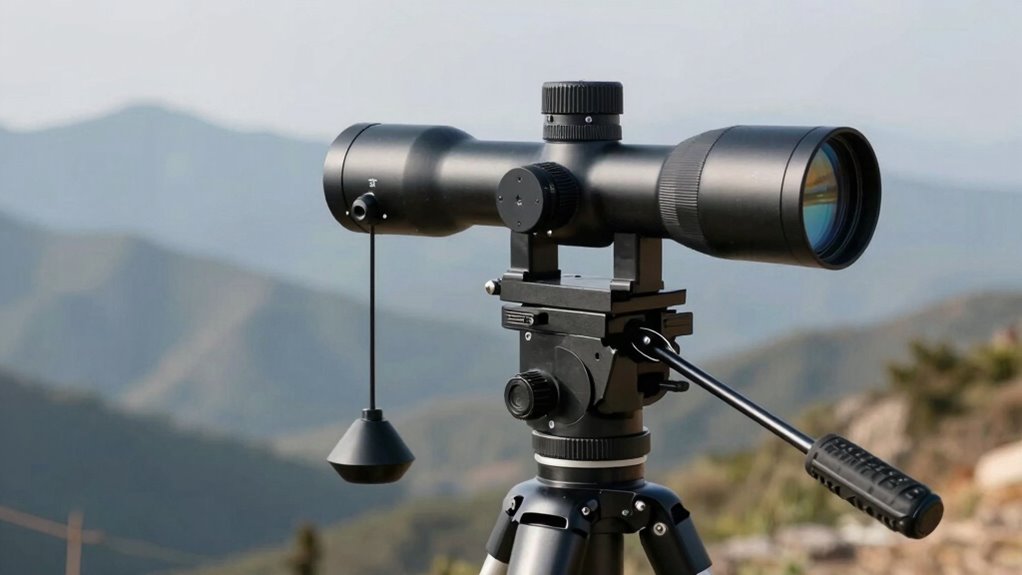
To keep your spotting scope steady and guarantee clear, sharp images, adding the right accessories can make a significant difference. Tripod accessories, like quick-release plates or adjustable mounts, help you set up quickly and maintain stability. Stabilizing gadgets, such as counterweights or grip stabilizers, can reduce vibrations caused by wind or movement. Using a sturdy tripod with reinforced joints offers extra support, especially on uneven terrain. You might also consider anti-vibration pads or rubber feet to absorb shocks. These accessories prevent shakiness and enhance image clarity during long observation sessions. When combined with proper technique, these tools ensure your scope remains stable, helping you spot even the smallest details without frustration.
Troubleshooting Persistent Shakiness During Observation
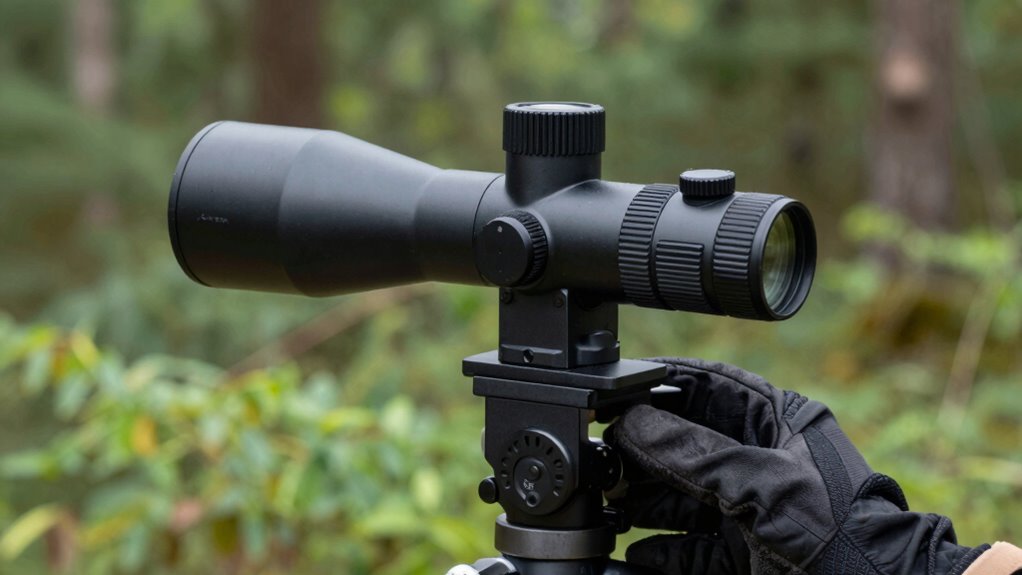
Persistent shakiness during observation can be frustrating, but it’s often caused by simple issues that are easy to fix. First, check your tripod maintenance—dust, loose screws, or worn joints can cause instability. Ensure all parts are tight and well-lubricated. Next, focus on eyepiece stability by tightening the eyepiece connection and avoiding unnecessary movement. Also, verify that your spotting scope is securely mounted and balanced. Consider the environment; even slight vibrations from wind or nearby traffic can impact stability. Regularly inspecting and maintaining your tripod guarantees smooth operation. Remember, small adjustments can make a big difference in eliminating persistent shakiness, giving you steadier, clearer views during your observations.
Quick Tips for Better, Steady Views Every Time
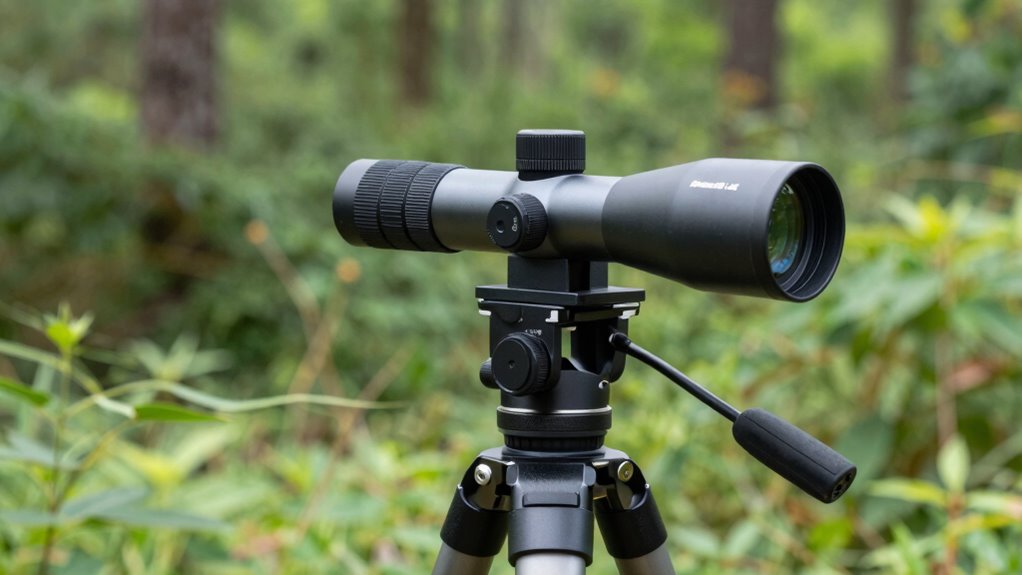
Achieving steady, clear views with your spotting scope often comes down to quick, effective adjustments. Start by ensuring you have an ergonomic grip on the scope or tripod to minimize hand fatigue and movement. Keep your elbows close to your body for added stability. Adjust the ocular for maximum comfort, reducing eye strain and allowing you to maintain focus longer. Use your tripod’s pan and tilt controls smoothly to make minor position tweaks without jarring the view. Take a moment to relax your shoulders and breathe steadily—tension can cause shakiness. By prioritizing ocular comfort and maintaining a relaxed grip, you’ll find it easier to keep your scope steady, resulting in sharper images every time.
Frequently Asked Questions
How Does Weather Affect Spotting Scope Stability?
Weather impact profoundly affects your spotting scope’s stability. Wind can cause vibrations, making your view shaky, especially at higher magnifications. Cold or humid conditions may also loosen tripods or mounts over time. To counter this, use a sturdy tripod, add weight to it, or shield your scope from wind and weather elements. Ensuring a stable setup helps you get clear, steady views, regardless of weather challenges.
Can I Use a Spotting Scope Without a Tripod?
You can definitely use a spotting scope without a tripod, turning your hand into a makeshift mount. Handheld spotting is like trying to hold a delicate butterfly—it’s possible but tricky. For more stability, explore tripod alternatives like sturdy surfaces or monopods. Just remember, holding it steady is a balancing act; if you want crystal-clear views, a tripod or its alternatives keep your scope rock-steady, like a lighthouse in a storm.
What Weight Should My Tripod Ideally Support?
You should choose a tripod that supports at least twice the weight of your spotting scope for maximum stability. For example, if your scope weighs 5 pounds, opt for a tripod with a 10-pound support capacity. This ensures your setup remains stable during extended viewing sessions, especially at high magnifications. Adequate tripod weight and stabilization requirements help prevent shakiness and provide clear, steady views.
Are There Specific Spotter Models Better for Shaky Conditions?
Think of your spotting scope as a steady heartbeat amid chaos. For shaky conditions, choose models with built-in image stabilization or those designed for superior tripod compatibility. These models act like anchors, reducing vibrations and offering crystal-clear views. Brands like Vortex and Swarovski often excel here. Remember, the right scope doesn’t just match your tripod’s weight; it harmonizes with it, transforming turbulence into tranquility for your observations.
How Often Should I Calibrate or Adjust My Spotting Scope?
You should calibrate or adjust your spotting scope regularly, ideally before each use or after transporting it. Proper scope maintenance involves checking alignment and focus to guarantee sharp images. Calibration frequency depends on how often you move or bump your scope; if you notice blurry images or difficulty focusing, it’s time to recalibrate. Consistent maintenance keeps your scope performing at its best, giving you clear views even in shaky conditions.
Conclusion
With the right tripod and steady setup, your views become clear and steady, turning shaky moments into sharp observations. Just like a camera needs stability to capture a perfect shot, your spotting scope relies on proper support to reveal stunning details. Don’t let shaky views ruin your experience—embrace the tools and tips that bring clarity and confidence. After all, the beauty of nature’s details is worth every stable moment you create.