
Choosing between 8x and 10x binoculars for birding depends on your needs. 8x provides a wider field of view, easier handling, and is better in low light, while 10x offers more detail but requires steadier hands. Lens coatings improve brightness, sharpness, and durability, making your view clearer and protecting your gear. To understand how to pick the best option for your birding adventures, keep exploring the details ahead.
Key Takeaways
- 8x binoculars offer a wider field of view, making it easier to track fast-moving birds and scan large areas quickly.
- 10x binoculars provide higher detail but require steadier handling due to increased shakiness and narrower viewing angle.
- Lens coatings enhance brightness, reduce glare, and protect against scratches, crucial for clear images in various lighting conditions.
- Coated lenses improve low-light performance and durability, ensuring long-term clarity during different weather and terrain.
- Choosing between 8x and 10x depends on your birding environment, preferred detail level, and stability needs, along with quality coatings.
Which Binoculars Are Best for Birding: 8x or 10x?
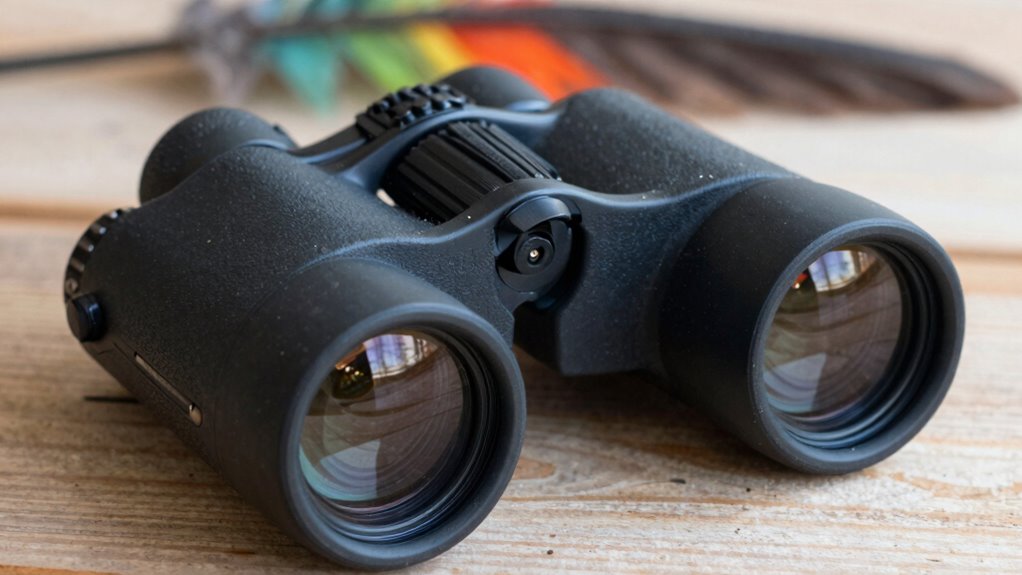
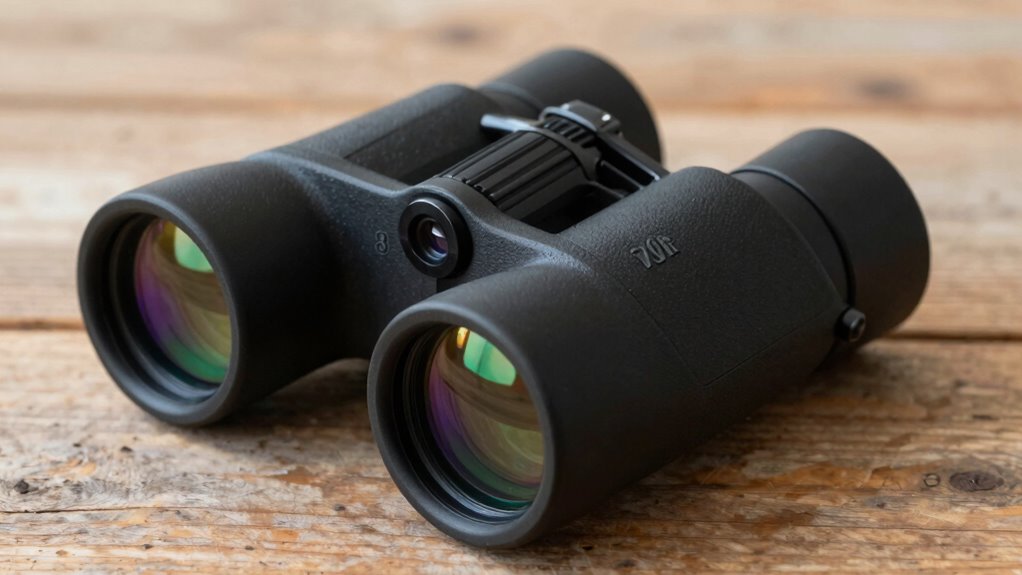
When choosing between 8x and 10x binoculars for birding, it’s important to contemplate how each magnification impacts your viewing experience. Your comfort depends heavily on binocular ergonomics, so consider how easy they are to hold steady during extended use. Generally, 8x models offer a wider field of view, making it easier to spot fast-moving birds and scan large areas. Meanwhile, 10x binoculars provide greater detail but can be trickier to stabilize, especially if you’re not accustomed to higher magnifications. When comparing brands, look for models with comfortable grips and balanced weight distribution, which enhance usability. Reading brand comparisons can reveal differences in build quality, eye relief, and overall ergonomics, helping you choose the best fit for your birding adventures. Additionally, consider lens coatings that can improve image clarity and reduce glare, making your viewing experience even better. It’s also beneficial to select binoculars with appropriate exit pupil size, which influences brightness and clarity, especially in low-light conditions. For optimal viewing, always check the optical quality of the lenses, as it directly affects image sharpness and color fidelity. Moreover, exploring maintenance tips can ensure your binoculars stay in excellent condition over time.
Differences Between 8x and 10x Binoculars
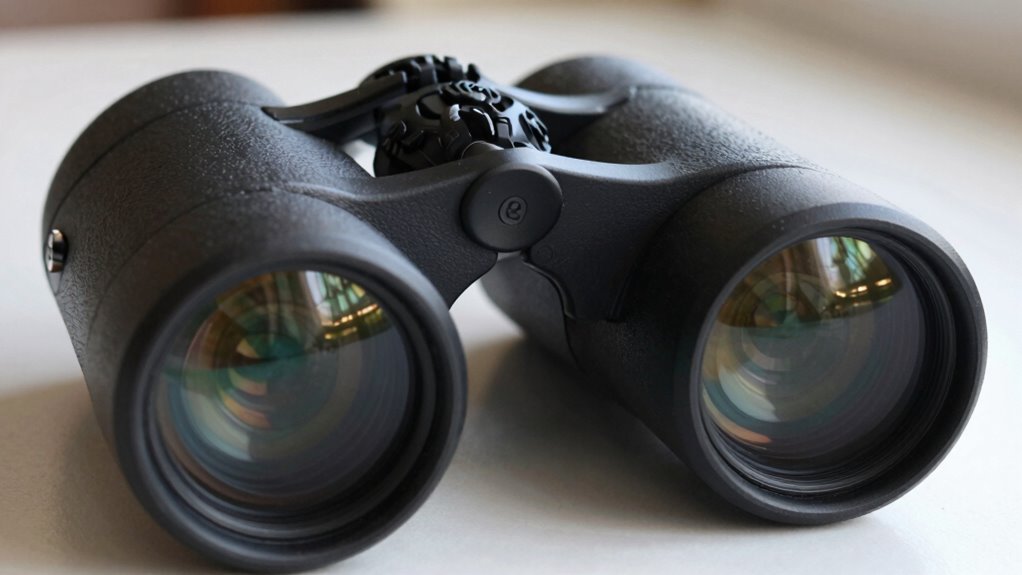
When choosing between 8x and 10x binoculars, you’ll notice differences in magnification and field of view that affect how much you see and how steady the image feels. Portability and handling also come into play, as higher magnification often means bulkier, more challenging equipment. Understanding these key points helps you pick the best binoculars for your birding adventures. Additionally, credit card security measures are vital when purchasing binoculars online to protect your financial information. For beginners, optical clarity is often a top priority to ensure a sharp, detailed view of distant birds.
Magnification and Field of View
Have you ever wondered how different magnifications affect what you see through binoculars? Higher magnification like 10x provides closer views but narrows your field of view, making it harder to track moving birds. In contrast, 8x binoculars offer a wider field, helping you scan and locate targets more easily. Eye relief and eye cups also influence your viewing comfort, especially with higher magnifications. Longer eye relief allows you to see the entire image without removing your glasses, while adjustable eye cups help customize your experience. Here’s a quick comparison:
| Feature | 8x Binoculars | 10x Binoculars | Best For |
|---|---|---|---|
| Field of View | Wide (more area visible) | Narrower (less area) | Tracking fast-moving birds |
| Magnification | 8x | 10x | Close-up details |
| Eye Relief & Cups | Generally longer, adjustable | Slightly shorter, fixed | Comfort with glasses |
Portability and Handling
Portability and handling are key considerations when choosing between 8x and 10x binoculars, especially for birders on the move. The ergonomics comfort of each model impacts how long you can comfortably hold them, which is vital during extended birdwatching sessions. Generally, 8x binoculars are lighter and more compact, making them easier to carry and handle for extended periods. They tend to offer better stability, reducing hand fatigue. In contrast, 10x binoculars are often heavier due to increased lens size, which can make handling more challenging, especially if you’re not using a stabilizer or tripod. Consider your comfort level and how much weight you’re willing to carry, as these factors greatly influence your overall birding experience. Proper handling techniques can also help improve stability and reduce fatigue during long viewing sessions. Additionally, lens coatings on binoculars can impact brightness and clarity, which are important for identifying distant birds accurately. Understanding the different optical qualities can further enhance your viewing experience and help you select the best binoculars for your needs. Recognizing the impact of coatings on image quality can assist in making an informed choice, especially in challenging lighting conditions.
How Magnification Affects Your Birding Experience
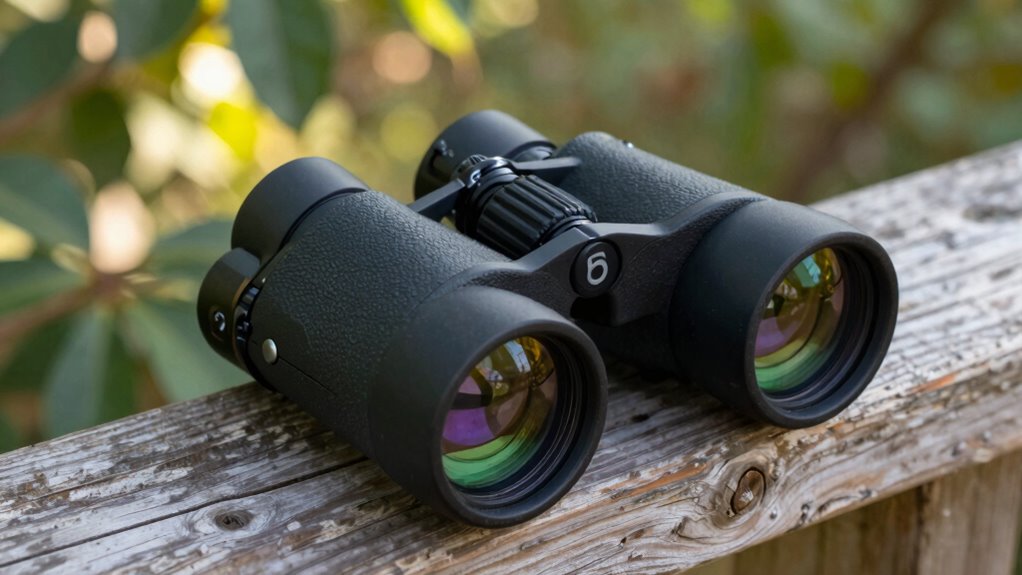
Magnification plays a crucial role in your birding experience, directly influencing how clearly you see distant birds and how much detail you can observe. Higher magnification, like 10x, brings distant birds closer, revealing feathers and markings. However, it also makes your view more shaky and requires steadier hands or tripod support. Eco-friendly travel gear can help stabilize your view and improve comfort during long birding sessions. Proper binoculars maintenance ensures clarity and durability regardless of magnification. Additionally, understanding the lens coatings can enhance your viewing clarity and protect your binoculars over time. Regular cleaning and proper storage are essential for keeping your binoculars in optimal condition for long-term use, and selecting the right magnification based on your environment can significantly improve your birding experience. Using the appropriate field of view is important for quick scanning and efficient observation. Here’s a quick comparison:
| 8x Magnification | 10x Magnification | Ideal Use |
|---|---|---|
| Wider field of view | Narrower field of view | Quick scans, stable viewing |
| Easier to hold steady | More shaky without support | Long-distance detail |
| Better in windy conditions | Less suitable outdoors | Focused observation |
Choosing the Right Binoculars for Your Environment
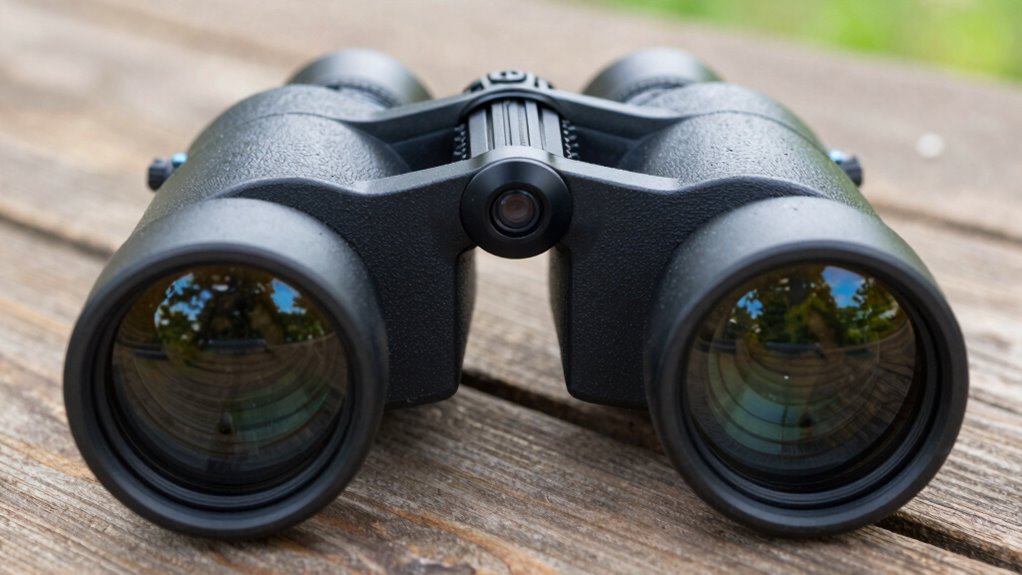
To choose the right binoculars, you need to take into account your environment carefully. Weather conditions, terrain, and the types of birds you want to see all influence your best choice. Picking the right features ensures you get clear, comfortable views in any situation. Additionally, understanding essential specifications such as magnification and lens coatings can significantly enhance your birding experience Gold IRA markets.
Weather Conditions Compatibility
Weather conditions can substantially impact your birding experience, so choosing binoculars that are suited to your environment is essential. Look for models with rain resistance to keep moisture out during sudden downpours, ensuring your view stays clear and your equipment remains protected. Fog proofing is equally important if you bird in humid or variable climates; it prevents internal fogging caused by temperature changes, maintaining clarity in challenging conditions. These features help you stay focused on spotting birds instead of worrying about weather‑related issues. Consider the typical conditions you encounter, and select binoculars with appropriate weatherproofing. This way, you’ll enjoy reliable performance regardless of rain or fog, making your birding outings more enjoyable and less interrupted by weather surprises. Additionally, understanding weatherproofing features can help you choose the most durable and effective binoculars for your specific environment. Weatherproofing materials such as rubber armor or sealed O-rings contribute significantly to durability and performance in challenging conditions. Choosing binoculars with impact resistance can also protect your investment from accidental drops or bumps during outdoor excursions. Investing in high-quality lens coatings can further enhance image clarity and reduce glare, especially in bright sunlight or foggy conditions.
Terrain and Landscape Suitability
Choosing binoculars that match the terrain and landscape you’ll explore can greatly enhance your birding experience. For mountain terrains, opt for sturdy, compact binoculars with good light transmission to handle uneven surfaces and variable lighting. These should provide a wide field of view for scanning rugged landscapes quickly. If you spend time observing wetlands, prioritize waterproof, fog-proof binoculars with excellent close-focus capabilities. Wetlands observation often involves detailed viewing of distant waterfowl and intricate plant life, so high magnification models like 10x might be advantageous. Consider the terrain’s demands on weight and durability, selecting binoculars that are comfortable to carry over long distances and resistant to environmental elements. Matching your gear to your environment ensures clearer views and a more enjoyable birding adventure. Additionally, understanding media literacy can help you discern trustworthy sources of outdoor gear recommendations and birding information. Being aware of product reviews and their credibility can further ensure you select reliable equipment suited for your birding needs. Recognizing environmental conditions can also guide you in choosing the most appropriate binocular features for different habitats.
Bird Species Focus
Have you ever wondered how the bird species you want to observe influence your choice of binoculars? If you’re tracking bird migration, you’ll need binoculars with a wider field of view to scan large areas quickly. For species that nest in dense foliage or concealment sites, opt for binoculars with better close-focus capabilities and high-quality lens coatings to see details without disturbing the nest. Different bird species also have varying flight patterns and behaviors that can determine whether you need higher magnification or a brighter image. Knowing whether you’re observing waterfowl, raptors, or songbirds helps tailor your gear. Matching your binoculars to your target species guarantees clearer images, easier identification, and a more rewarding birding experience. Additionally, understanding Free Floating systems can influence the stability and clarity of your view, especially at higher magnifications. Incorporating connected technology into your binoculars can further enhance image stabilization and user experience, making your birding sessions more effective and enjoyable.
Why Lens Coatings Matter for Brightness and Durability
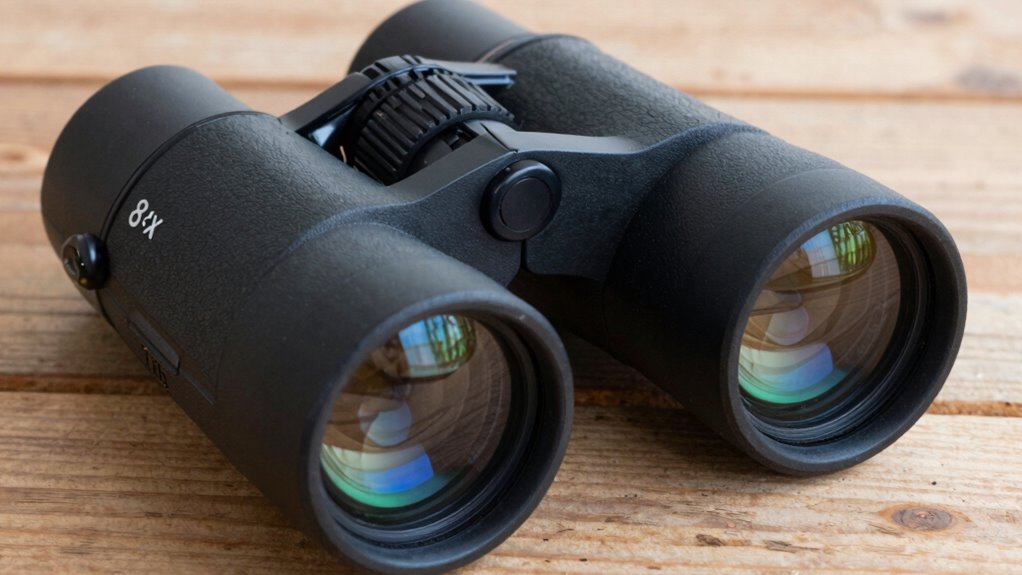
Lens coatings play an essential role in guaranteeing your binoculars deliver bright, clear images while also enhancing their durability. Coatings reduce reflections, allowing more light to pass through the lenses, which directly improves brightness enhancement. This means you’ll see sharper, more vibrant images, even in low-light conditions. Additionally, quality lens coatings protect the glass surfaces from scratches, dirt, and moisture, boosting lens durability. This protection ensures your binoculars remain functional and clear over time, resisting the wear and tear of outdoor use. Without proper coatings, your binoculars might produce dull images and become more susceptible to damage. Investing in well-coated lenses guarantees better visual performance and longer-lasting equipment, making your birding experience more enjoyable and reliable.
Evaluating Cost, Performance, and Long-Term Value
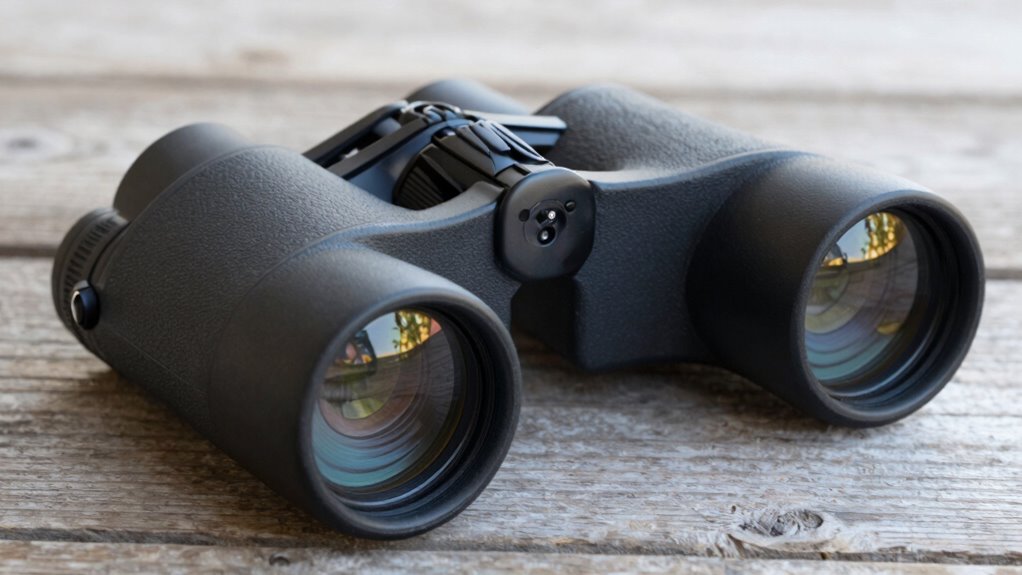
While high-quality lens coatings improve image brightness and durability, it’s also important to take into account how much you’re paying for those features. A thorough cost comparison helps you determine if the extra expense for premium coatings or higher magnification options is justified. Think about the long term value: will the binoculars last through many birding seasons, or will you need to upgrade sooner? Cheaper models might save money upfront but could lack durability or image clarity, leading to additional costs down the line. Investing in binoculars with proven performance and quality coatings can offer better long-term value, especially if you bird frequently. Ultimately, balancing your budget with your needs ensures you get the best performance without overspending.
Frequently Asked Questions
How Do Weight and Size Impact Birding Comfort?
You’ll notice that lighter, more compact binoculars are easier to hold for long periods, reducing fatigue and improving comfort. An ergonomic grip helps you maintain a secure hold, while good weight distribution prevents strain on your hands and wrists. If your binoculars are too heavy or bulky, you might struggle to keep them steady, making birding less enjoyable. Choose a size that balances performance with comfort to enhance your birding experience.
Are There Specific Brands Known for Durable Birding Binoculars?
While no brand is perfect, trusted brands like Nikon, Vortex, and Zeiss are renowned for their durability features, making them excellent choices for birders. These brands incorporate rugged construction, water resistance, and shockproof designs, ensuring longevity in various conditions. You’ll find that investing in these trusted names offers peace of mind, knowing your binoculars can withstand the elements and daily use, enhancing your birding adventures without worry.
How Should I Clean and Maintain My Binoculars?
To keep your binoculars in top shape, regularly do lens cleaning with a soft, lint-free cloth or lens cleaning wipes to remove dust and smudges. Avoid harsh chemicals. Store them in a protective case in a cool, dry place to prevent moisture and damage. Use lens caps when not in use, and avoid touching the lenses with your fingers. Proper cleaning and storage will make certain clear views and durability.
What Accessories Enhance Birding With Binoculars?
Think of accessories as your birding toolkit; they elevate your experience. Using a tripod stabilizer keeps your binoculars steady, making distant details crystal clear. A binocular harness distributes weight comfortably, allowing longer observation without fatigue. Consider a lens cleaning kit for maintenance and a carrying case for protection. These accessories turn your birding outings into a seamless adventure, ensuring you catch every feathered detail with ease and precision.
Can Binoculars Be Used Effectively in Low-Light Conditions?
Yes, binoculars can be effective in low-light conditions if they feature good low light performance and night vision capabilities. Look for models with larger objective lenses, as they gather more light, and lens coatings that improve clarity in dim settings. While traditional binoculars don’t have true night vision, high-quality optics and coatings can markedly enhance your viewing experience during dawn, dusk, or cloudy days, making birding easier in low-light environments.
Conclusion
Ultimately, choosing between 8x and 10x binoculars shapes your birding adventures. Think of 8x as a wide, welcoming window into lush forests, while 10x pinpoints distant details like a keen-eyed falcon. With the right lens coatings adding a burst of brightness and durability, you’ll feel like you’re right there among the feathers and foliage. Trust your environment and your eye—your perfect pair will turn every outing into a vivid, unforgettable experience.