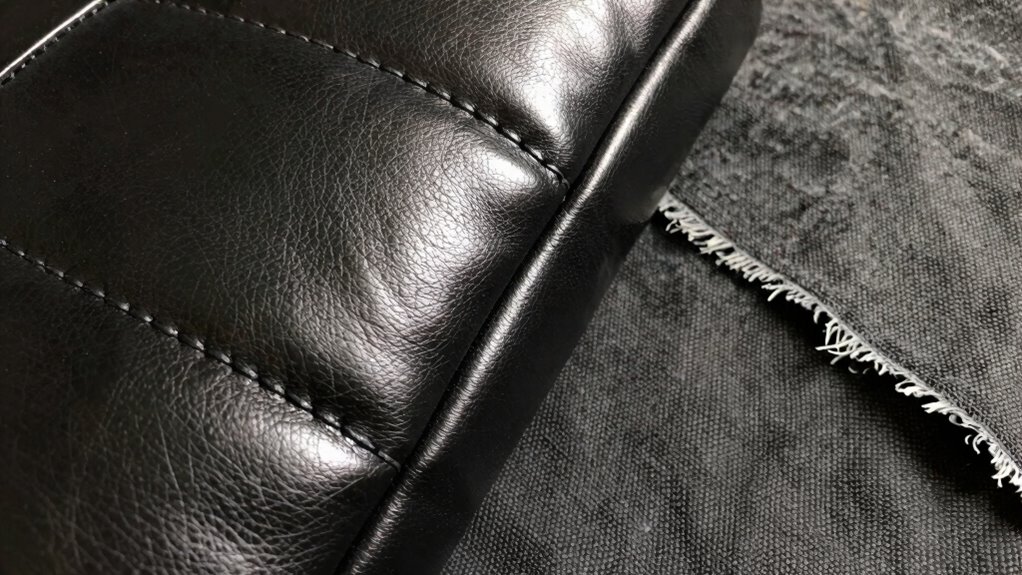

Luxury textures appeal to your senses and create an impression of exclusivity, often emphasizing appearance and tactile feel. However, these textures don’t necessarily mean the product performs well or lasts long. Soft leather or sleek surfaces might look and feel high-end but can be fragile or resist wear poorly. Recognizing the difference helps you make smarter choices. If you want to discover how to balance style with functionality, keep exploring what truly matters.

Turn the school run and nap time into listening time
- Thousands of audiobooks, podcasts and originals
- Listen on your phone, tablet or Echo — also offline
- Cancel anytime
Key Takeaways
- Luxury textures focus on aesthetic appeal and tactile sensation, while performance emphasizes durability and functionality.
- Tactile luxury may create an emotional connection but doesn’t guarantee long-term reliability or resistance.
- Brand prestige can influence perception, but true performance depends on materials and engineering.
- High-quality appearance can mask weaknesses like fragility or poor wear resistance.
- Smarter purchases balance luxurious feel with real-world reviews and technical specifications.
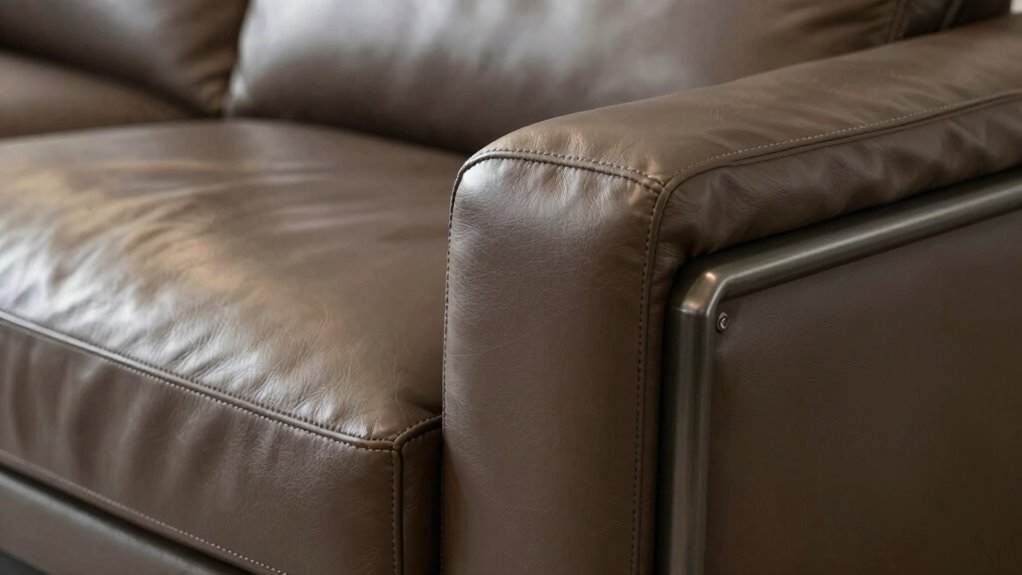
When it comes to choosing high-end products, many people are drawn to the allure of luxury textures, often assuming they signify superior performance. You might find yourself captivated by how soft leather feels under your fingertips or the smoothness of a finely crafted watch case. These sensory impressions — the material feel — are designed to evoke a sense of exclusivity and quality. It’s natural to associate such luxurious textures with better durability, functionality, or precision. After all, brand prestige often seems to promise more than just status; it suggests a commitment to excellence. But it’s important to recognize that the material feel and brand reputation don’t always translate into real-world performance.
Luxury textures tend to focus heavily on aesthetics and tactile appeal. They’re crafted to impress at first touch or glance, making you believe that the product is inherently better. However, this focus on sensory experience can sometimes overshadow practical considerations. For example, a high-end smartphone might boast a sleek, glass back that feels premium but could be more fragile than a more utilitarian, rubberized version designed for durability. Similarly, a designer handbag might exude elegance and softness, yet lack the resistance or longevity you’d want for everyday use. In these cases, the material feel and brand prestige create an emotional connection, but don’t necessarily guarantee that the product will perform better in challenging conditions.
Luxury textures appeal visually and tactilely but don’t always ensure durability or practical performance.
Brand prestige amplifies this effect. When you see a luxury brand’s logo, it instantly signals exclusivity and craftsmanship. You might assume that the product’s performance is equally exceptional because of the brand’s reputation. But, in reality, brand prestige often rests on marketing, heritage, and design rather than cutting-edge technology or superior materials. Sometimes, the most expensive items are more about maintaining a certain image than delivering better results. You could be paying a premium primarily for the name and the tactile luxury, rather than for features that improve functionality or lifespan. Recognizing this difference between luxury texture and actual performance helps you make smarter choices. It’s easy to be swayed by the material feel and the prestige attached to a brand, but digging deeper into specifications, materials, and reviews reveals the true value. Ultimately, a product’s tactile appeal might make it more desirable, but it shouldn’t be the only factor guiding your decision. Performance and durability matter just as much, if not more, than the initial impression of luxury. Recognizing this distinction empowers you to invest wisely, balancing aesthetic appeal with real-world functionality.
As an affiliate, we earn on qualifying purchases.
Frequently Asked Questions
How Can I Tell if a Product’s Texture Is Truly Luxurious?
You can tell if a product’s texture is truly luxurious by feeling its sensory appeal firsthand; it should be smooth, soft, and inviting. Notice its visual elegance—rich, refined finishes often indicate quality. Genuine luxury textures also have a subtle, weighty feel that exudes craftsmanship. Trust your senses: if it looks and feels exceptional to you, it likely offers authentic luxury, not just superficial appeal.
Does Luxury Texture Always Indicate High Performance?
No, luxury texture doesn’t always mean high performance. For example, a handbag might feel incredibly soft and luxurious, boosting its branding perception, but the delicate leather could lack durability. You might love its look, but it may not withstand daily wear. So, while luxury textures enhance appeal, they don’t guarantee material durability or top-tier performance. Always check the product’s specifications to make certain it meets your practical needs.
Can a Product Look Luxurious but Perform Poorly?
Yes, a product can look luxurious but perform poorly. Luxury branding often emphasizes aesthetic appeal over material durability and performance. You might be drawn to its elegant design, but if the materials used aren’t durable, the product’s functionality and longevity suffer. Always check the specifications and reviews to guarantee that the luxurious appearance isn’t just superficial, and that the product delivers reliable performance alongside its stylish look.
What Materials Are Commonly Used for Luxury Textures?
Think of luxury textures like velvet whispering elegance or silk caressing your skin. You often encounter materials like fine leather, sumptuous velvet, soft cashmere, and lustrous silk in luxury design. These materials create a tactile symphony that feels as rich as it looks. While offering exquisite textures, they also emphasize material durability, ensuring your luxurious experience lasts. You’ll find these textures elevate any space or piece with their undeniable allure and resilience.
How Does Consumer Perception Influence Luxury Versus Performance?
Your perception of luxury versus performance is shaped by how brands craft their identity and cultural influences. When a brand emphasizes exclusivity, craftsmanship, or heritage, you’re more likely to see it as luxurious, even if performance isn’t the top feature. Cultural influences also play a role, as certain aesthetics or values resonate differently across regions, affecting whether you prioritize luxury textures or actual performance in your choices.
performance smartwatch with long battery life
As an affiliate, we earn on qualifying purchases.
As an affiliate, we earn on qualifying purchases.
Conclusion
While luxury textures might charm your senses with their refined appearance, it’s important to remember they’re often designed to impress rather than perform. Don’t let their elegance overshadow the true value of genuine performance. Sometimes, what looks exquisite on the surface isn’t always what delivers the best experience underneath. By appreciating both aspects, you’ll make smarter choices, ensuring that your preferences lean toward substance rather than just style. After all, true quality quietly outperforms superficial allure.
rugged smartphone with impact resistance
As an affiliate, we earn on qualifying purchases.
As an affiliate, we earn on qualifying purchases.
As an affiliate, we earn on qualifying purchases.
Halloween Picks
halloween
As an affiliate, we earn on qualifying purchases.