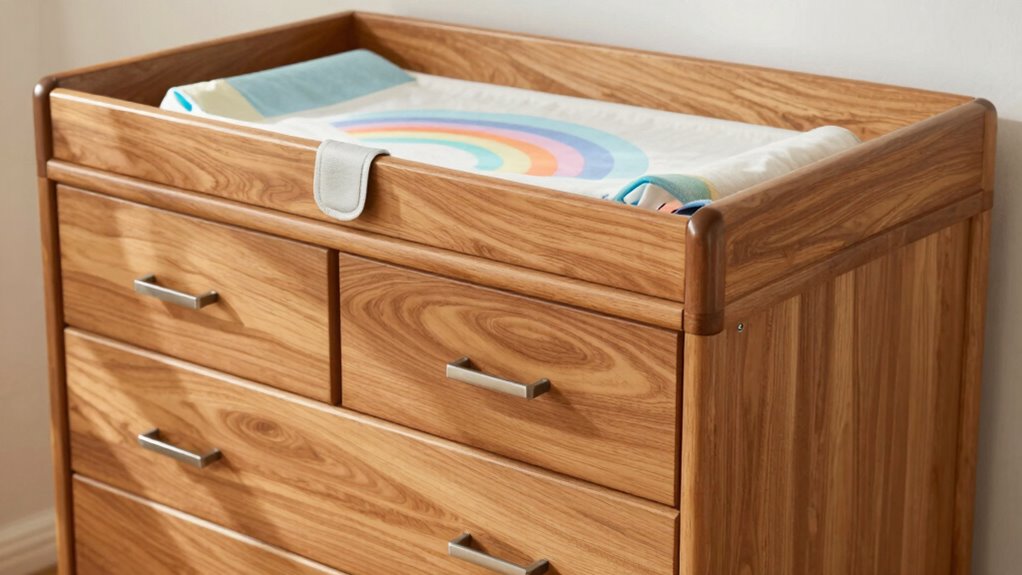
To guarantee your changing table dresser is safe, secure the drawers with childproof locks and use anti-tip devices like straps or brackets to anchor it to the wall. Regularly inspect and tighten hardware, check for wobbling or signs of damage, and keep the furniture level. Proper installation and ongoing maintenance help prevent tip-overs and injuries. Keep these safety tips in mind as you learn more about safeguarding your changing space.
Key Takeaways
- Use childproof locks inside drawers and on the dresser to prevent accidental opening by children.
- Install anti-tip straps or brackets securely to anchor the dresser to the wall, preventing tipping.
- Regularly inspect and tighten all hardware, including locks, screws, and brackets, for ongoing safety.
- Choose appropriate anti-tip devices based on dresser material and structure, ensuring proper installation.
- Monitor the dresser’s stability and address any wobbling, shifting, or damage immediately to maintain safety.
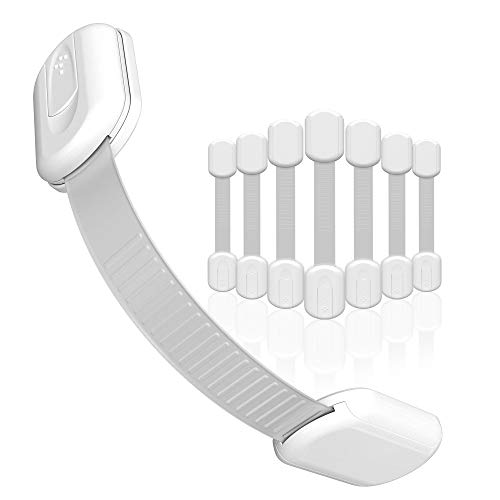
SKYLA HOMES Baby Locks (8-Pack) Child Safety Cabinet Proofing – Safe Quick and Easy 3M Adhesive Cabinet Drawer Door Latches No Screws & Magnets Multi-Purpose for Furniture Kitchen Ovens Toilet Seats
Quick for adults but a nightmare for toddlers! Like you, we're tired of cabinet locks that are strenuous…
As an affiliate, we earn on qualifying purchases.
As an affiliate, we earn on qualifying purchases.
Why Unsecured Changing Table Dressers Are a Safety Risk
Unsecured changing table dressers pose a serious safety risk because they can tip over or shift unexpectedly while your child is on or near them. In a dressing room, safety isn’t just about keeping the space neat; it’s about ensuring furniture stability to prevent accidents. An unstable dresser can fall, potentially causing serious injuries. Children are curious and may try to climb or pull on the dresser, increasing the risk of tipping. Without proper securing measures, the dresser becomes a hazard, especially during diaper changes or dressing. Prioritizing dressing room safety means taking steps to secure furniture and prevent tip-overs. Using childproofing techniques helps to enhance overall safety and reduce the risk of accidents. Ensuring stability helps protect your child from avoidable injuries, giving you peace of mind during everyday routines. Additionally, understanding furniture stability principles can guide you in choosing the most effective safety measures. Implementing anti-tip straps or brackets is an effective way to anchor the dresser securely to the wall, further reducing the risk of tipping. Moreover, selecting appropriate furniture materials can also contribute to the overall stability and safety of the dresser. Incorporating proper anchoring methods is essential for maintaining a secure dressing area and safeguarding your little one.

4our Kiddies 10 Pack Furniture Anchors for Baby Proofing, Anti Tip Furniture Wall Anchors, Secure 400 Pounds Cabinet, Bookcase, Dresser to Wall, Earthquake Furniture Straps for Child Safety
ENSURE BABY SAFETY: These furniture safety wall anchors can withstand up to 400 lbs, prevent potential tip-overs. Ideal…
As an affiliate, we earn on qualifying purchases.
As an affiliate, we earn on qualifying purchases.
How to Secure Dresser Drawers for Your Baby’s Safety
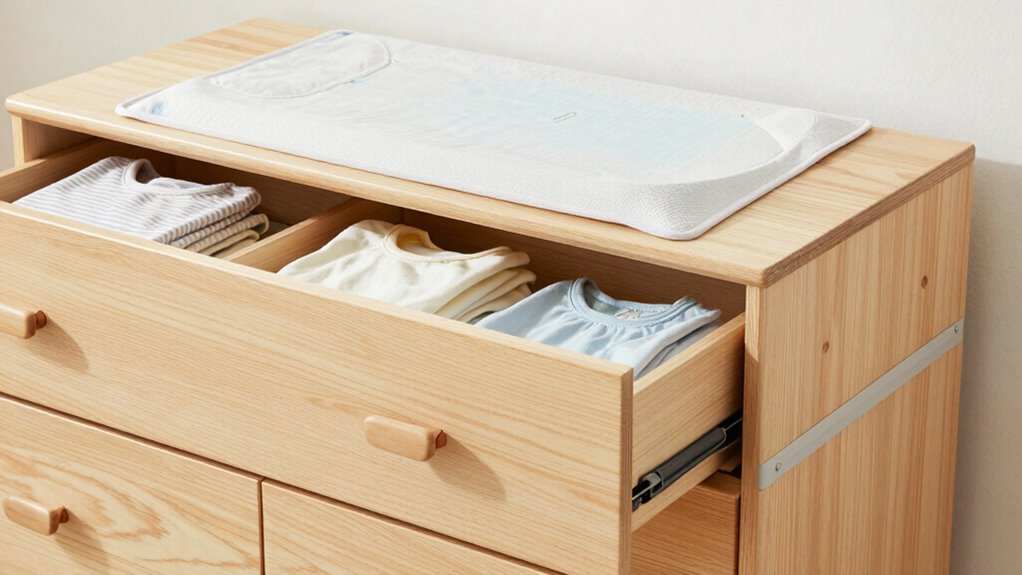
Securing dresser drawers is a straightforward step you can take to protect your baby from tip-overs and accidents. To do this effectively, use childproof locks designed for furniture. These locks prevent drawers from opening fully, reducing the risk of your baby pulling the dresser over. Proper installation is key: attach the locks to the inside of the drawers and the frame securely. Additionally, ensuring furniture stability involves anchoring the dresser to the wall. Regularly check security by tightening or replacing locks as needed, and consider ventilation considerations to keep the area safe and comfortable. Maintaining proper tool maintenance and performing periodic safety checks can also help ensure that all safety measures remain effective over time. Incorporating furniture stability strategies further enhances your child’s safety and peace of mind. Regular safety assessments and understanding furniture anchoring techniques are essential for long-term safety. Remember that furniture safety measures are vital components of a comprehensive childproofing plan.

Ougourim Furniture Anchors (10 Packs) Anti Tip Furniture Anchors for Baby Proofing, Furniture Wall Anchor Earthquake Straps for Furniture Dresser Wall Safety Anchor Furniture Fasteners to Wall, White
Baby Safety Guard: Let your little one explore and climb to their heart's content! Baby proof furniture anchors…
As an affiliate, we earn on qualifying purchases.
As an affiliate, we earn on qualifying purchases.
Choosing the Right Anti-Tip Devices for Your Changing Table
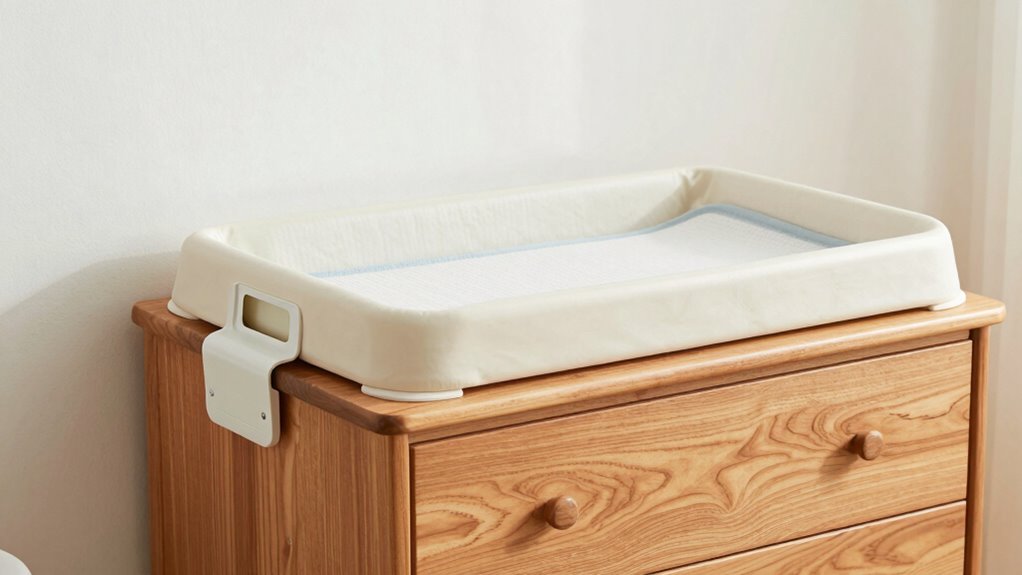
Choosing the right anti-tip devices for your changing table is essential to guarantee your baby’s safety and prevent accidents. Start by evaluating your dresser’s design to identify suitable anti-tip device types. Here are some diy safety tips to help you decide:
- Strap-mounted brackets: Secure to the wall, ideal for most dressers.
- L-brackets: Attach the dresser to the wall with minimal effort.
- Anti-tip straps: Adjustable straps that prevent tipping.
- Furniture anchors: Heavy-duty anchors for extra stability. Selecting the appropriate anti-tip device depends on your dresser’s material, weight, and structure to ensure maximum effectiveness. Remember, proper installation is key. The right anti-tip device not only prevents tip-overs but also offers peace of mind, ensuring your baby’s environment remains safe and secure. Incorporating nanotechnology advancements into furniture manufacturing could enhance the durability and safety features of anti-tip devices in the future. Additionally, understanding product testing standards can help you choose devices that meet safety regulations and provide reliable protection. Staying informed about safety regulations and updates in the industry can further improve your choice of anti-tip devices.

Anti-Tip Furniture Wall Anchor Straps(6 Pack,with Screws),Wall Anchors Straps Kit for Bookshelf or Dresser,Adjustable Safety Furniture Wall Straps for Baby,Kids,Dogs,Cabinet,Bed,Shelf,etc.(White)
1,Baby anti-tip furniture wall straps secure furniture to the wall with screws to help against furniture tipping over….
As an affiliate, we earn on qualifying purchases.
As an affiliate, we earn on qualifying purchases.
Step-by-Step: Anchoring Your Dresser to Prevent Tip-Overs
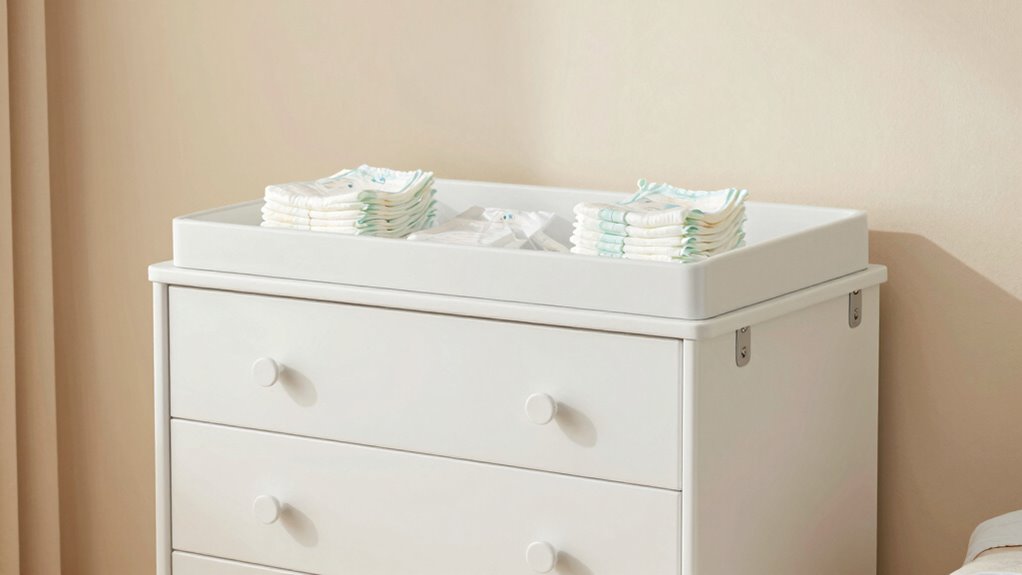
To keep your dresser stable and safe, properly securing it with wall anchors is essential. Make sure the anchors are placed correctly to prevent tipping, especially if your child pulls on the furniture. Wave and wind conditions can influence the stability of outdoor furniture, highlighting the importance of secure anchoring in various environments. With the right placement and stability, you’ll create a safer environment in your nursery. Additionally, understanding vacuum features can help you appreciate the importance of selecting high-quality safety gear for your home.
Securing With Wall Anchors
Have you ever wondered how to keep a changing table dresser from tipping over? Securing it with wall anchors is a simple, effective solution to improve dresser stability. Here’s how to do it:
- Locate the dresser’s top back panel and identify pre-drilled holes or mark spots where you’ll install the wall anchors.
- Attach the wall anchors to the wall using appropriate anchors and screws, ensuring they are secure.
- Connect the anchors to the dresser’s back using straps or brackets, tightening them firmly.
- Double-check that the dresser doesn’t wobble or tip when gently pushed.
- Remember that furniture safety is a critical part of creating a safe environment in your baby’s nursery.
Using wall anchors keeps your dresser stable and prevents accidents. This simple step is essential for safe, secure furniture in your baby’s nursery.
Proper Placement and Stability
Ensuring your dresser is properly positioned is crucial for preventing tip-overs during dressing routines or diaper changing. Place the dresser against a sturdy, flat wall and avoid placing it near high-traffic areas or where children might push or climb on it. Make sure it’s level and stable, with no wobbling or tilting. Keep frequently used items within easy reach to minimize the need to stretch or lean dangerously. During diaper changing, ensure the dresser is anchored securely to prevent any accidental tipping if your child pulls or climbs. Regularly check the stability of the dresser and wall anchors. Understanding proper placement and stability principles helps maintain a safe environment. Proper placement and stability reduce the risk of accidents, keeping your little one safe during daily routines.
What Tools Do You Need to Secure Your Changing Table?
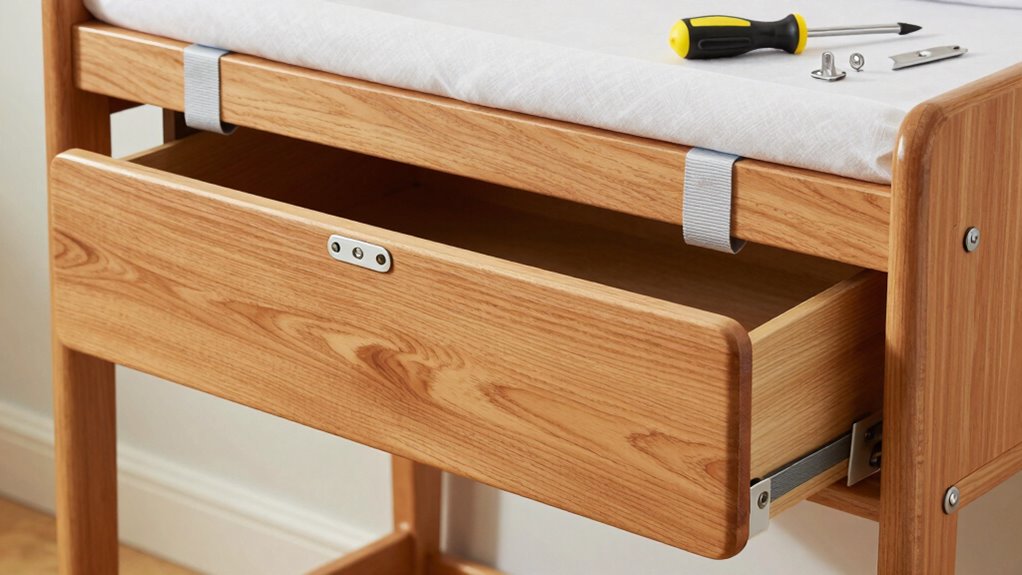
Securing your changing table is essential for your child’s safety, and having the right tools makes the process straightforward. Whether you’re tackling DIY project ideas or doing furniture maintenance, you’ll need a few basic items:
- A drill with appropriate bits for wall anchors.
- A stud finder to locate wall studs securely.
- L-brackets or anti-tip straps for stability.
- A screwdriver to tighten screws and secure brackets.
These tools help you anchor the dresser to the wall safely, preventing tip-overs. Using the right equipment guarantees a secure setup and peace of mind. Keep these tools handy for quick fixes or regular safety checks, making your furniture maintenance easy and effective. Proper tool selection is key to creating a safe space for your little one, especially when understanding furniture safety guidelines and their importance. Additionally, consulting anchoring techniques can ensure a more reliable and secure installation.
Signs That Your Dresser Is Unstable and Needs Reinforcement
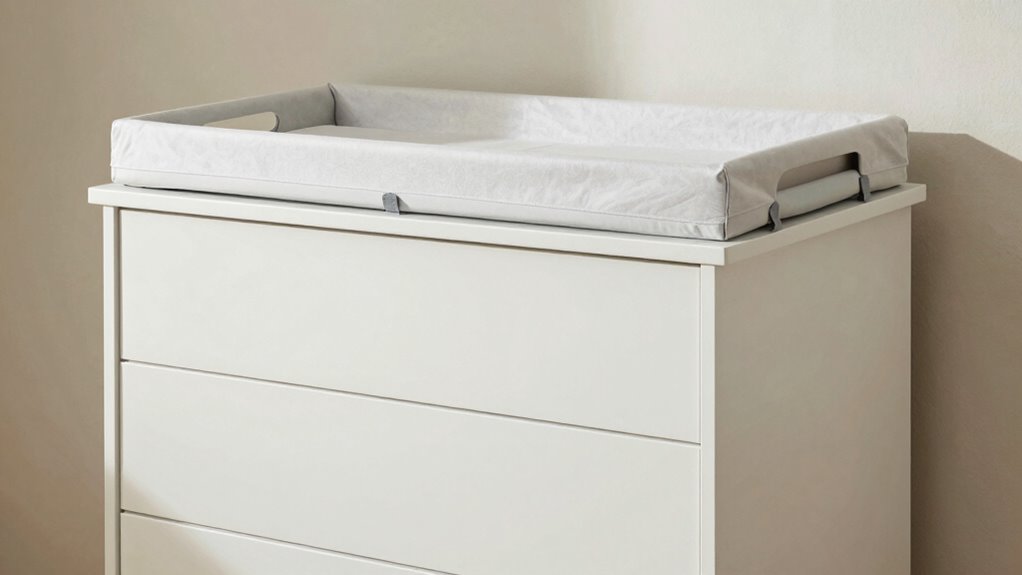
You should watch for signs that your dresser isn’t stable, like a wobbly or leaning frame. Loose or missing hardware can also indicate the need for reinforcement, and excessive drawer movement may be a warning sign. Addressing these issues early keeps your changing table safe and secure. Additionally, understanding wood movement is essential, as changes in humidity can cause wood to expand or contract, affecting the stability of your furniture. Being aware of furniture stability can help prevent accidents caused by shifting or collapsing components. Recognizing how furniture materials react to environmental changes can further aid in maintaining your dresser’s safety over time.
Wobbly or Leaning Frame
A wobbly or leaning dresser is a clear sign that the frame has become unstable and needs reinforcement. This wobbly frame or leaning dresser can threaten your child’s safety and indicate structural issues. To assess stability, check for:
- Visible tilting or leaning when the dresser is empty
- Excessive movement or wobbling when you gently shake it
- Cracks or damage in the side panels or back
- Uneven or unlevel drawers that don’t close properly
If you notice any of these signs, don’t delay. Reinforce the frame, tighten loose screws, or consider professional repairs. Addressing a leaning dresser promptly keeps it sturdy and prevents accidents. Stability is key to ensuring your child’s safety around changing table dressers.
Loose or Missing Hardware
Loose or missing hardware is a common but often overlooked sign that your dresser may be unstable. Regular furniture inspection helps identify these issues early, preventing accidents. If you notice screws or bolts are loose, missing, or damaged, it’s a clear call for hardware maintenance. Addressing these problems promptly can reinforce stability and safety. Use the following table to check common hardware components:
| Hardware Part | Signs of Issue | Action Needed |
|---|---|---|
| Screws/Bolts | Looseness, missing | Tighten or replace |
| Drawer Handles | Falling off, wobbling | Tighten or reattach |
| Drawer Slides | Sticking, misalignment | Lubricate or replace |
| Brackets | Bent or loose | Reinforce or replace |
| Corner Fasteners | Visible gaps, instability | Tighten or reinforce |
Consistent furniture inspection and proper hardware maintenance are key to maintaining dresser stability.
Excessive Drawer Movement
Excessive drawer movement is a clear warning sign that your dresser may be unstable and needs reinforcement. If your drawers wobble or shift when opened, it compromises drawer stability and increases the risk of tipping. To improve movement prevention:
- Check if the drawers are properly aligned and seated.
- Tighten any loose screws or hardware securing the slides.
- Add support brackets or anti-tip straps to stabilize the structure.
- Reinforce weaker joints with wood glue or brackets if necessary.
Addressing these issues helps prevent further instability and ensures your dresser remains safe for your child. Regularly inspecting and reinforcing your dresser’s structure is key to maintaining secure drawer operation and preventing accidents.
Best Practices for Organizing and Storing Items Safely in Drawers
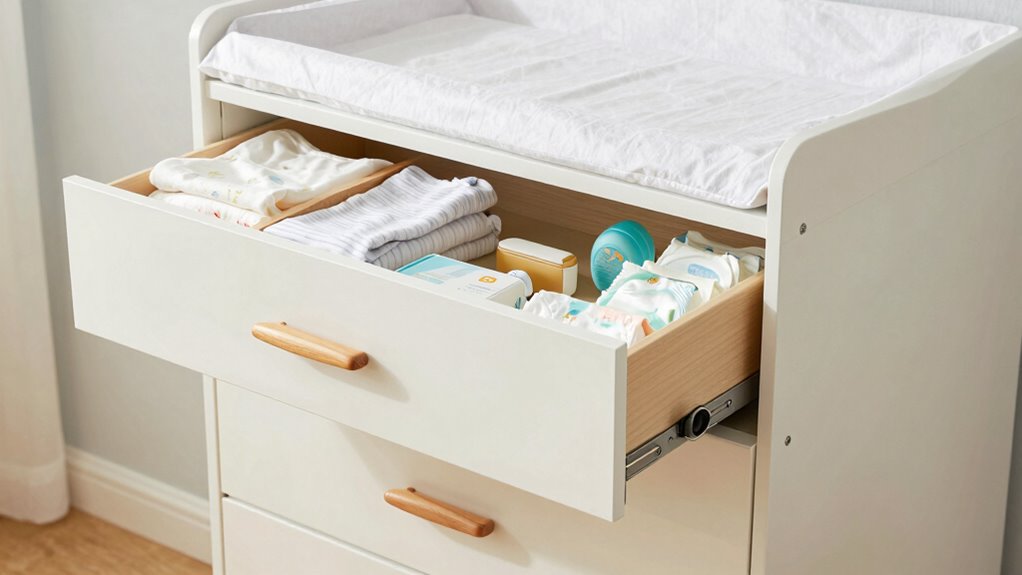
Organizing and storing items safely in changing table dressers is essential to prevent accidents and keep everything easily accessible. Start with effective storage organization by grouping similar items together, such as diapers, wipes, and clothing. Use bins or drawer dividers to keep small items separate, reducing clutter and making it easier to find what you need quickly. Always place heavier items at the bottom of the drawer to prevent tipping, and avoid overstuffing drawers, which can make them hard to open and close safely. Follow safety tips by regularly inspecting your storage setup for loose or broken components. Proper organization minimizes the risk of items falling out or causing injury, ensuring your changing area remains safe and functional for both you and your baby.
How to Maintain Drawer Safety Over Time
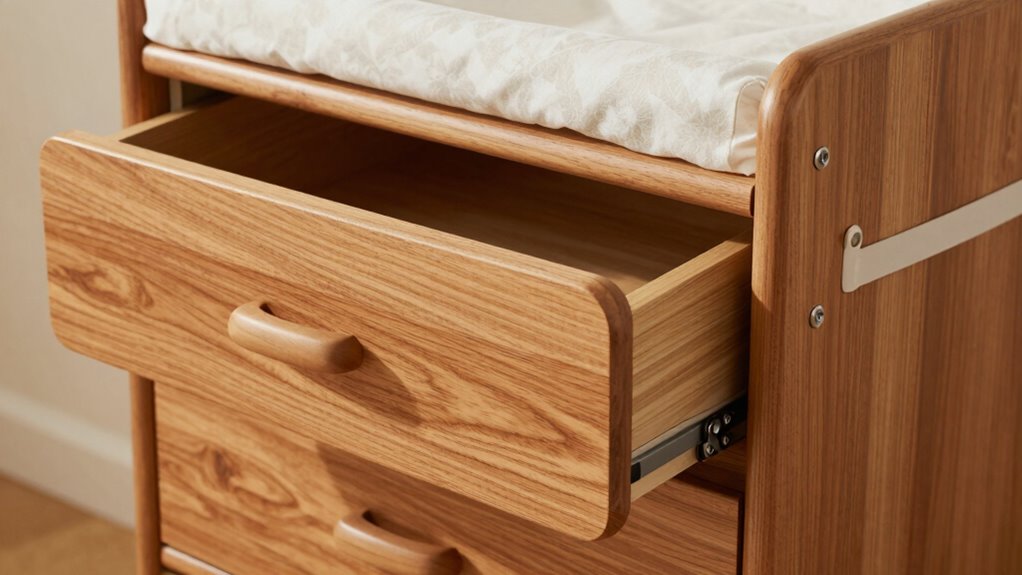
Maintaining the safety of your changing table drawers requires ongoing attention to detail. Regularly inspect the furniture for signs of wear or damage that could compromise safety. Implement these childproofing strategies:
- Check and tighten drawer handles and hardware to prevent accidental detachment.
- Clean and lubricate sliding mechanisms to ensure smooth operation and reduce strain.
- Review and replace any broken or worn safety latches to keep drawers secure.
- Perform routine furniture maintenance, like tightening joints and testing anti-tip devices, to keep the entire setup stable.
Staying vigilant with these steps helps prevent accidents and maintains a safe environment for your child. Consistent upkeep ensures that your furniture remains secure, durable, and childproofed over time.
Additional Safety Features to Enhance Your Changing Area
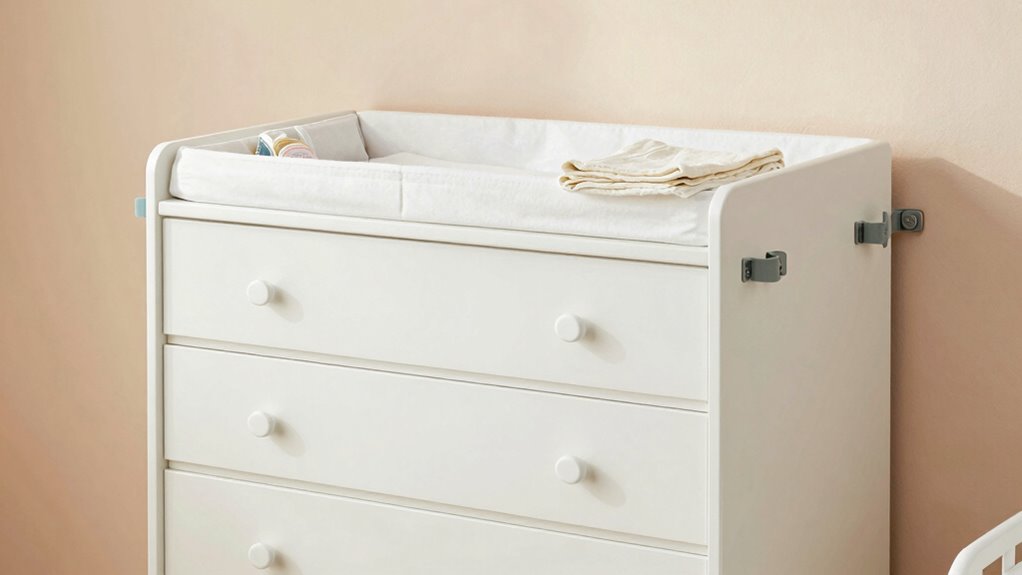
Adding extra safety features to your changing area can considerably reduce the risk of accidents and create a more secure environment for your little one. Childproof locks are essential; they prevent your child from opening drawers and accessing unsafe items. Proper drawer organization not only keeps essentials within reach but also minimizes clutter, reducing the chance of tipping or falling objects. Consider installing anti-tip brackets for added stability. To help you visualize, here’s a quick comparison:
| Feature | Benefit |
|---|---|
| Childproof locks | Prevent accidental opening of drawers |
| Drawer organization | Keep items accessible and safe |
| Anti-tip brackets | Secure the dresser to the wall |
| Soft-close drawers | Reduce pinched fingers and noise |
| Clear labels | Simplify drawer access and safety |
Implementing these features guarantees your changing area is safer and more organized.
Frequently Asked Questions About Dresser Safety and Anti-Tip Hardware
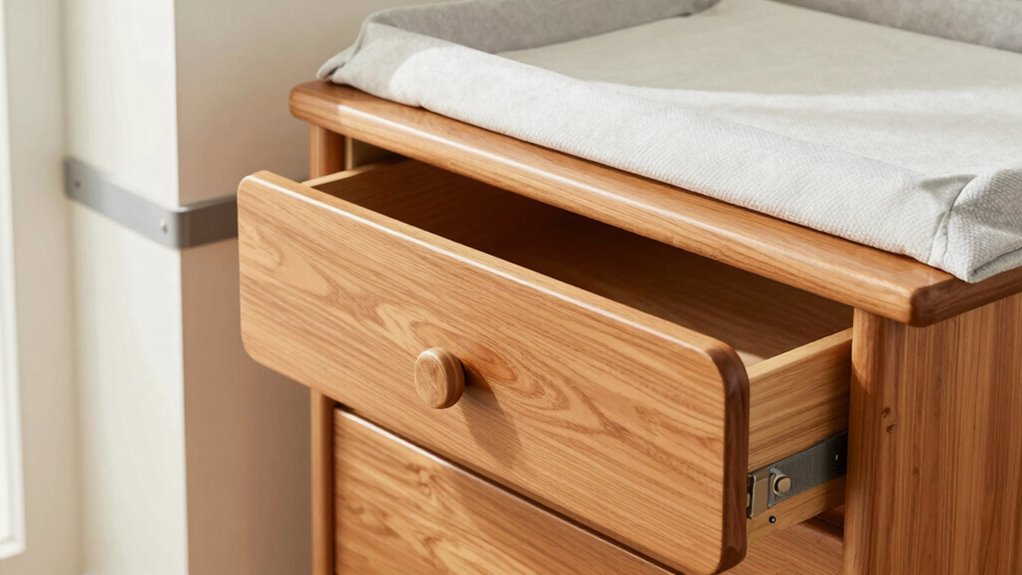
When installing dresser anti-tip hardware, make sure you follow the manufacturer’s instructions carefully to guarantee safety. Keep an eye out for warning signs like wobbling or loose drawers that could indicate instability. Address these issues promptly to keep your little one safe.
Proper Installation Tips
Proper installation is essential to making sure your changing table dresser stays safe and secure. To meet safety standards, follow these steps carefully:
- Ensure the drawer installation is correct, with all tracks aligned and secure.
- Attach anti-tip hardware according to manufacturer instructions, anchoring the dresser to the wall.
- Double-check that all fasteners are tight and stable before use.
- Verify the dresser’s stability by gently testing it for any movement or wobbling.
Recognizing Warning Signs
After installing your changing table dresser and attaching the anti-tip hardware, it’s important to stay alert for signs that could indicate a safety issue. If you notice the dresser is wobbling or shifting easily, it may be a sign the anti-tip hardware isn’t secure enough or the dresser height is unstable. Keep an eye out for drawers that are difficult to open or close smoothly, which could suggest internal damage or misalignment. Additionally, if your child starts trying to climb or pull on the dresser, it’s time to reinforce safety measures like childproof locks to prevent tipping or climbing accidents. Regularly check that the dresser remains level and that all safety devices are intact to assure ongoing safety for your little one.
Frequently Asked Questions
How Often Should I Check the Stability of My Changing Table Dresser?
You should check the stability of your changing table dresser during regular safety inspections, ideally once a month. Incorporate drawer maintenance by ensuring drawers open and close smoothly without sticking. Also, regularly tighten any loose screws or bolts to prevent tipping. Always verify that anti-tip devices are securely installed and functioning, especially after moving or reorganizing the dresser. Consistent checks help keep your little one safe and your furniture secure.
Can I Use Household Items as Makeshift Anti-Tip Devices?
Think of your home as a ship; safety depends on sturdy anchors. You can’t rely solely on household options for anti-tip devices—DIY solutions might seem tempting, but they often lack the strength needed. Instead, use proper anti-tip straps designed for furniture, ensuring your changing table dresser stays secure. Household items like cords or clips aren’t reliable and could pose hazards, so prioritize tested safety devices for peace of mind.
Are There Specific Weight Limits for Securing Drawers Safely?
Yes, there are specific weight limits for securing drawers safely, based on safety standards. You should check the manufacturer’s instructions for your dresser, as most recommend not exceeding a certain weight to prevent tipping or damage. Usually, lightweight items are safest, and avoid overloading drawers beyond their specified weight limits. Following these safety standards helps guarantee your dresser remains stable and reduces the risk of accidents.
What Are the Best Materials for Anti-Tip Straps?
Imagine a knight’s armor—strong and reliable. The best materials for anti-tip straps are nylon or polyester straps with metal or reinforced plastic buckles. These materials meet safety standards because they’re durable and resistant to wear and tear. Using high-quality, sturdy straps guarantees your dresser stays secure, preventing tipping accidents. Always check the manufacturer’s recommendations for material durability and follow safety standards to keep your little one safe and sound.
How Do I Ensure the Dresser Remains Secure After Moving or Rearranging?
You should securely anchor your dresser using dresser anchoring straps or brackets after moving or rearranging. Make certain the straps are tightly fastened to both the wall and the dresser, following the manufacturer’s instructions. Conduct regular safety inspections to check for any looseness or damage, and tighten or replace straps as needed. This keeps your dresser stable and prevents tipping, providing a safer environment for your little one.
Conclusion
Ensuring your changing table dresser is secure keeps your little one safe and gives you peace of mind. Regularly check your anti-tip devices and organize your drawers thoughtfully to prevent accidents. After all, isn’t it worth taking a few extra steps to protect your child? By staying vigilant and maintaining your safety setup, you create a secure space where your baby can grow and explore confidently. Safety first—because your child’s well-being is worth it.