To shop by problem instead of trend, start by identifying issues in your wardrobe, like discomfort, lack of versatility, or quick wear-and-tear. Focus on investing in high-quality, durable pieces that solve these problems and suit your lifestyle. Prioritize neutral, versatile items over fleeting trends to build a cohesive wardrobe. By choosing clothing based on real needs and long-term value, you’ll create a sustainable, functional style. Keep exploring how to refine this approach for lasting wardrobe solutions.

Turn the school run and nap time into listening time
- Thousands of audiobooks, podcasts and originals
- Listen on your phone, tablet or Echo — also offline
- Cancel anytime
Key Takeaways
- Identify specific wardrobe issues, such as discomfort or lack of versatility, before shopping.
- Prioritize high-quality, durable fabrics that address your clothing problems and last longer.
- Choose versatile pieces that solve multiple needs, reducing the impulse to follow fleeting trends.
- Focus on sustainable and ethical brands that align with your problem-solving wardrobe goals.
- Build a cohesive wardrobe by selecting items that genuinely enhance your lifestyle and address your style concerns.
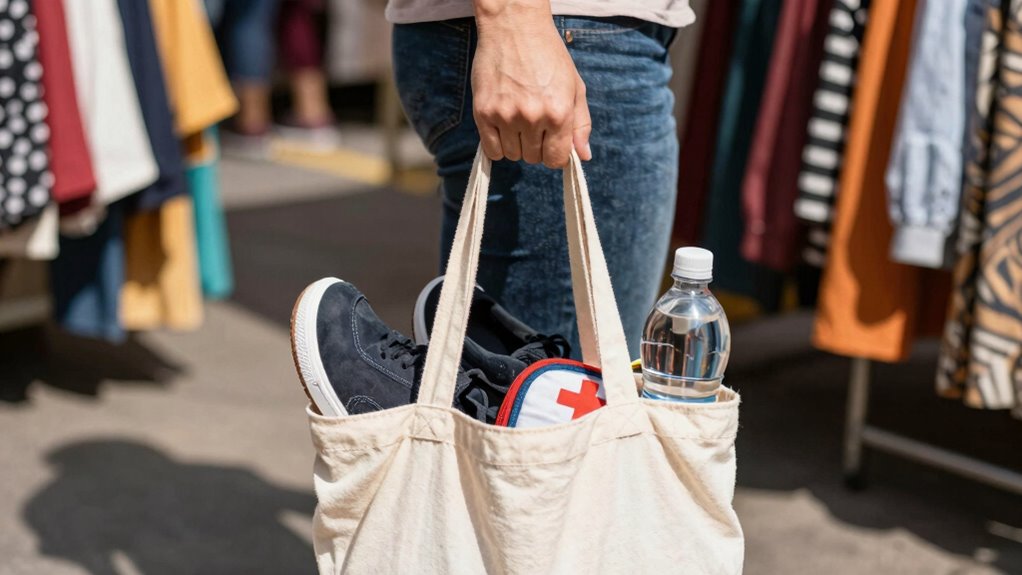
In today’s fast-paced fashion world, it’s easy to get caught up in chasing the latest trends, but true style comes from addressing your real needs instead. When you shop by problem rather than trend, you focus on solving specific issues with your wardrobe—comfort, durability, versatility—rather than just following what’s popular. This approach encourages more thoughtful purchasing, helping you build a wardrobe that works for you, not just the current season’s hype.
Start by identifying the problems you face with your current clothes. Are your jeans too tight after a few hours? Do your shirts lose their shape quickly? Is your wardrobe lacking pieces that transition easily from work to casual outings? Once you recognize these issues, you can select clothing that directly addresses them. For example, if comfort is a concern, look for well-made, stretchy fabrics that provide support without sacrificing style. If durability is a problem, prioritize high-quality materials that withstand frequent washing and wearing. Considering the environmental impact of your clothing choices can also help guide you toward more sustainable options that align with your values. Additionally, understanding the material quality of garments can help you make better choices that last longer and perform better over time. Recognizing the importance of fabric care can also extend the lifespan of your clothing, ensuring your investments remain in good condition.
Identify your wardrobe issues to choose pieces that truly meet your needs and enhance your style.
This problem-focused mindset naturally leads you to consider more sustainable practices like fashion sustainability and ethical sourcing. When you choose pieces that solve your wardrobe problems, you’re less likely to buy impulsively or discard items prematurely, which reduces waste. Instead, you invest in well-crafted pieces designed to last longer, supporting fashion sustainability by decreasing environmental impact. Additionally, by researching brands committed to ethical sourcing, you ensure your clothing is produced under fair labor conditions with eco-friendly materials. This mindful approach aligns your shopping habits with your values, making your wardrobe more ethical and sustainable over time.
Thinking in terms of problems also shifts your perspective on trends. Instead of chasing fleeting styles, you focus on what genuinely works for your lifestyle and body. For example, if you notice your current shoes cause discomfort after a few hours, invest in a high-quality, supportive pair that meets your needs. This choice isn’t driven by trend but by a real problem. Over time, you’ll find that your wardrobe becomes more cohesive, functional, and tailored to you.
Frequently Asked Questions
How Do I Identify My True Shopping Needs?
To identify your true shopping needs, start with a personal shopping need assessment. Ask yourself what problem you’re trying to solve or what function you want the item to serve. Think about your lifestyle, daily routines, and what gaps exist in your wardrobe or home. By focusing on these considerations, you’ll cut through trends and make purchases that genuinely add value, ensuring each item meets a real need rather than just following a trend.
Can Shopping by Problem Save Me Money?
Shopping by problem can definitely save you money, like hitting two birds with one stone. When you focus on your needs through budget planning and needs assessment, you avoid impulse buys that don’t serve you. This approach guarantees you buy only what solves your problem, reducing waste and unnecessary expenses. Over time, it helps you build a smarter, more intentional shopping habit that keeps your finances healthier.
What if My Problem Changes Over Time?
If your problem changes over time, you need to adapt your shopping approach to your dynamic needs and shifting priorities. Regularly reassess your situation to identify new or evolving issues, and update your shopping list accordingly. This way, you stay focused on solving current problems instead of outdated ones. Staying flexible helps you make smarter choices, ensuring your purchases continue to address your current challenges effectively.
How Do I Avoid Impulse Purchases?
Think of your wallet as a garden, where impulse purchases are weeds threatening your growth. To avoid them, stay grounded by focusing on your core problems rather than fleeting fashion trends. Wait for seasonal sales, which act like gentle rain, nourishing your patience. Before buying, ask if the item truly solves a problem or simply catches your eye during a trend. Cultivate mindful shopping habits, and your financial garden will flourish.
Is Shopping by Problem Suitable for All Product Types?
Shopping by problem works well for many product types, including fashion accessories and beauty products. You identify your specific issue, like needing a versatile necklace or a skincare solution, then choose items that directly address that problem. This approach helps prevent impulse buys driven by trends. However, for trendy items or novelty products, it might be less effective, as those are often purchased for style or fun rather than solving a specific problem.
Conclusion
Think of your wardrobe as a garden—you don’t just plant whatever’s in bloom; you choose what truly nurtures your needs. By shopping for problems, not trends, you’re weeding out fleeting fads and cultivating pieces that serve your life long-term. When you focus on solving your wardrobe’s issues, every item becomes a reliable friend rather than a passing fancy. Keep your style rooted in purpose, and watch your closet flourish with confidence and authenticity.
Halloween Picks
halloween
As an affiliate, we earn on qualifying purchases.