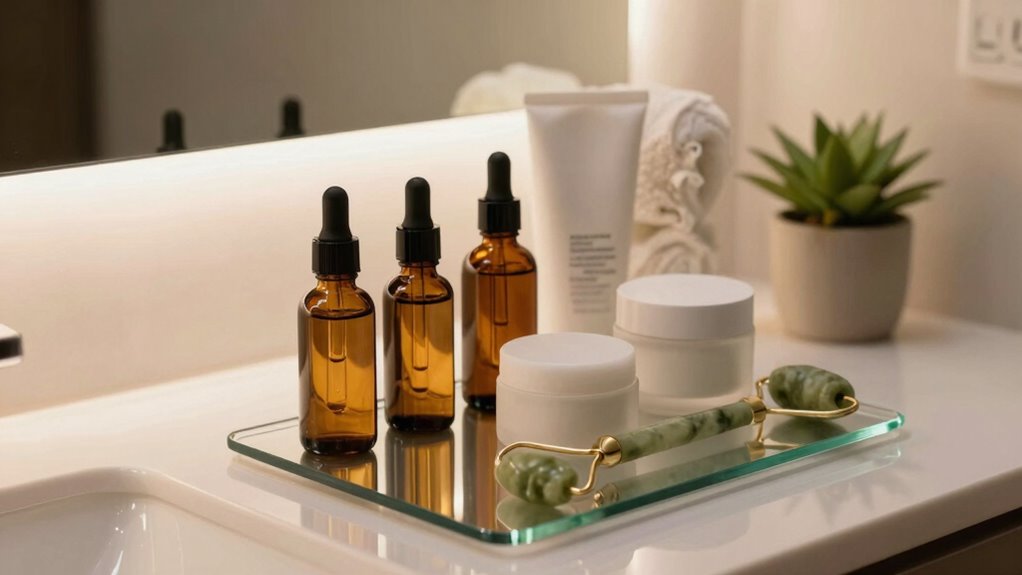
Upgrading your skincare routine involves more than just swapping out products; it’s about choosing gentle, well-researched ingredients that support your skin’s health and avoid harsh additives like alcohol or sulfates. Focus on proper application techniques, such as patting rather than rubbing, and incorporate sustainable, plant-based options. Adding broad-spectrum SPF and targeting your specific concerns can make a big difference. Keep exploring to discover how aligning ingredients and routine habits can transform your overall skin health.
Listen free for 30 days with Audible
Thousands of audiobooks and originals — cancel anytime.
As an affiliate, we earn on qualifying purchases.
Key Takeaways
- Upgrading to gentle, fragrance-free products minimizes irritation and strengthens the skin barrier.
- Incorporating sustainable, biodiversity-aware skincare supports long-term skin and environmental health.
- Replacing harsh cleansers with hydrating, pH-balanced options ensures better moisture retention.
- Adding targeted treatments like antioxidants or niacinamide enhances routine effectiveness without overload.
- Consistently applying broad-spectrum SPF daily protects skin from UV damage, preventing aging and irritation.
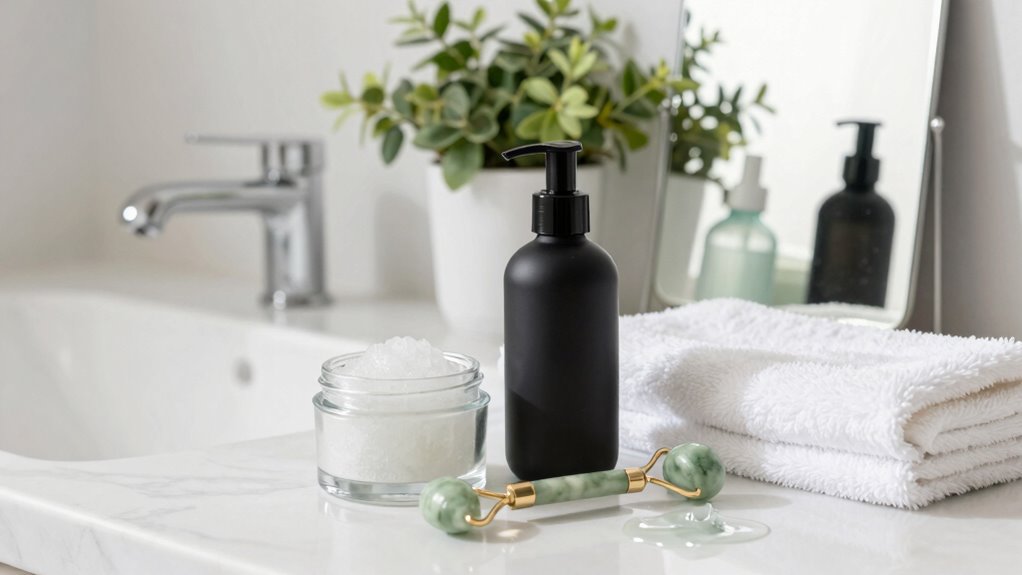
If your skincare routine has become routine rather than effective, it’s time for an upgrade. Sticking to the same products, even when they stop delivering results, can lead to stagnation and sometimes even damage your skin. The first step toward improvement is examining the ingredients in your current lineup. Many conventional skincare products contain harsh ingredients like alcohol, sulfates, or synthetic preservatives that can strip your skin’s natural oils, causing irritation and imbalance. If you notice redness, dryness, or increased breakouts, it might be a sign that your skin is reacting negatively to these harsh components. Additionally, fragrance sensitivity is a common yet often overlooked issue. Fragrances, whether synthetic or natural, can trigger allergic reactions or irritate sensitive skin, making your skincare routine counterproductive. Replacing scented products with fragrance-free options is a simple but effective way to minimize irritation and support your skin’s natural barrier.
Beyond swapping out products with harsh ingredients and fragrances, you should also reconsider your approach to cleansing and moisturizing. Many cleansers strip too much oil, leaving your skin vulnerable to dryness and irritation. Opt for gentle, hydrating cleansers that respect your skin’s natural pH and don’t overly disrupt the barrier. When it comes to moisturizers, look for formulas that contain nourishing ingredients like hyaluronic acid, ceramides, or plant oils. These ingredients help lock in moisture and strengthen your skin’s defenses, especially if you’ve been using products that are overly aggressive or drying. Incorporating biodiversity-aware skincare options that use plant-based ingredients can also support a more sustainable and skin-friendly routine. Furthermore, choosing products with gentle, natural ingredients can help reduce the risk of irritation and promote overall skin health. Using products with well-researched, effective ingredients rather than unverified claims can also make a significant difference in your routine’s efficacy. Including products with sustainable packaging can also contribute to a more eco-conscious routine.
In addition to product choices, pay attention to how you apply them. Using too much product or applying it aggressively can cause unnecessary stress on your skin, especially if it’s sensitive. Patting instead of rubbing, and using gentle motions, minimizes irritation. Also, consider your skincare routine’s overall balance. Incorporate targeted treatments like serums with antioxidants or niacinamide, but only if they suit your skin type. Overloading your skin with multiple active ingredients can sometimes do more harm than good. A consistent routine tailored to your skin’s unique needs is key to long-term improvement.
Finally, don’t forget the importance of sun protection. Even the best skincare routine can be compromised by UV damage, which accelerates aging and worsens skin conditions. Use a broad-spectrum SPF daily, preferably one formulated for sensitive skin, to shield your skin from harmful rays. Remember, an effective skincare upgrade isn’t just about swapping products; it’s about understanding your skin’s needs and choosing gentle, nourishing options that support its health. By making these thoughtful changes, you’ll notice a healthier, more resilient complexion that truly benefits from your upgraded routine.
fragrance-free hydrating facial cleanser
As an affiliate, we earn on qualifying purchases.
As an affiliate, we earn on qualifying purchases.
Frequently Asked Questions
How Long Should I Wait Between Different Skincare Product Applications?
You should wait about 30 seconds to a minute between applying different skincare products to guarantee proper absorption and ingredient compatibility. This pause helps prevent pilling and enhances layering techniques. If you’re using active ingredients like acids or retinoids, consider waiting a bit longer to reduce irritation. Pay attention to how your skin reacts, and adjust the wait time if you notice any discomfort, making sure each product works effectively.
Can Switching Products Suddenly Cause Breakouts or Skin Reactions?
Switching products suddenly can cause breakouts or skin reactions, especially if you’re sensitive to certain ingredients. Your skin might react with redness, irritation, or allergic reactions if new products contain ingredients it doesn’t tolerate well. To avoid this, introduce new products gradually and pay attention to ingredient sensitivities. If you notice adverse reactions, stop using the product and consult a dermatologist to pinpoint the cause and protect your skin’s health.
How Do I Know if a New Product Suits My Skin Type?
Figuring out if a new product suits your skin is like trying on a new pair of shoes—you’ll know if it fits comfortably. Pay attention to ingredient compatibility and how your skin reacts; if you notice redness, irritation, or increased sensitivity, it’s a sign it might not be right. Start with a patch test first, and give your skin time to adjust before fully switching to see if it’s a good match.
Should I Introduce New Products One at a Time or All at Once?
You should introduce new products one at a time to make certain ingredient compatibility and observe how your skin reacts. This approach allows you to identify any adverse reactions or irritation easily. When layering products, wait a few minutes between applications to see how your skin responds. A gradual, step-by-step process helps prevent overwhelming your skin and makes it easier to pinpoint which product causes any issues, ensuring a safe and effective routine upgrade.
How Often Should I Reassess My Skincare Routine for Upgrades?
You should reassess your skincare routine every few months, especially if you notice ingredient sensitivities or changes in your skin’s condition. Regularly reviewing your routine helps you identify products that no longer work or need adjustments. Stay consistent with your routine to track progress, but be open to upgrades when your skin shows signs of needing different ingredients or better results. This keeps your skincare effective and tailored to your evolving needs.
As an affiliate, we earn on qualifying purchases.
Conclusion
So, are you ready to embrace this skincare upgrade? Remember, your routine isn’t just about products — it’s about caring for your skin’s story. Like a well-tuned symphony, each swap and step harmonizes to reveal your true glow. Don’t let fear hold you back; sometimes, the smallest change can release the biggest transformation. Your skin’s new chapter begins now — are you prepared to turn the page?
niacinamide serum for sensitive skin
As an affiliate, we earn on qualifying purchases.
As an affiliate, we earn on qualifying purchases.
As an affiliate, we earn on qualifying purchases.
Fall Picks
fall essentials
As an affiliate, we earn on qualifying purchases.