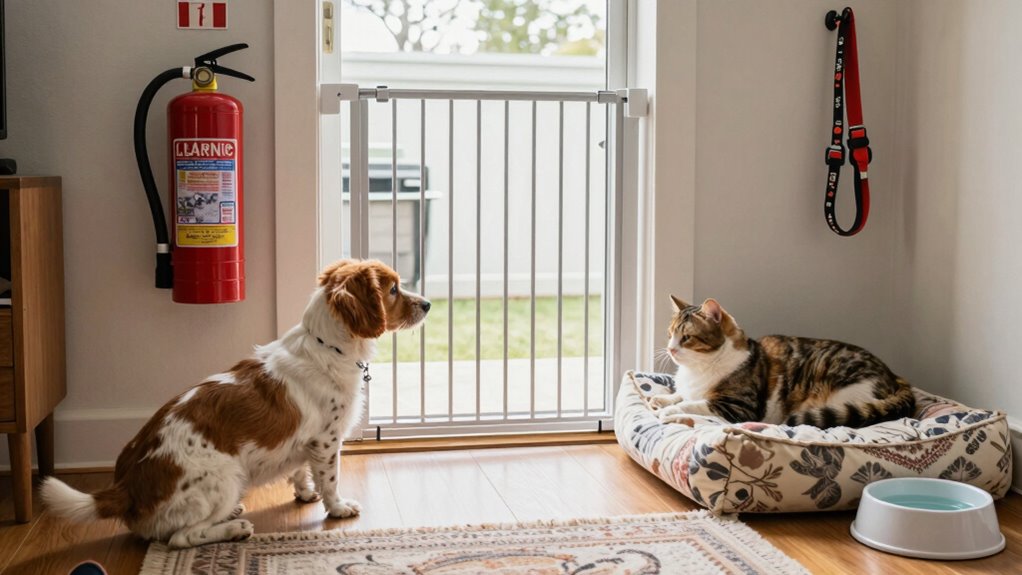

Many pet owners forget that everyday household items can be hidden hazards. You might overlook loose cords, small objects, or toxic plants that pose a risk if your pet ingests or mishandles them. Keep chemicals, medications, and sharp items out of reach, and secure furniture and cords to prevent accidents. Staying vigilant and regularly inspecting your home helps create a safe space. If you continue, you’ll discover more practical tips to keep your pets secure and happy.

Turn the school run and nap time into listening time
- Thousands of audiobooks, podcasts and originals
- Listen on your phone, tablet or Echo — also offline
- Cancel anytime
Key Takeaways
- People often overlook securing cords and blinds, which can cause strangulation or entanglement hazards.
- Regularly checking for new household items that may be toxic or dangerous to pets is frequently neglected.
- Many forget to update or verify pet ID tags and microchip information for quick recovery during emergencies.
- Households may not recognize that seemingly harmless plants or decorations can be toxic to pets.
- Consistently practicing evacuation routes and emergency plans for pets is often overlooked until an emergency occurs.
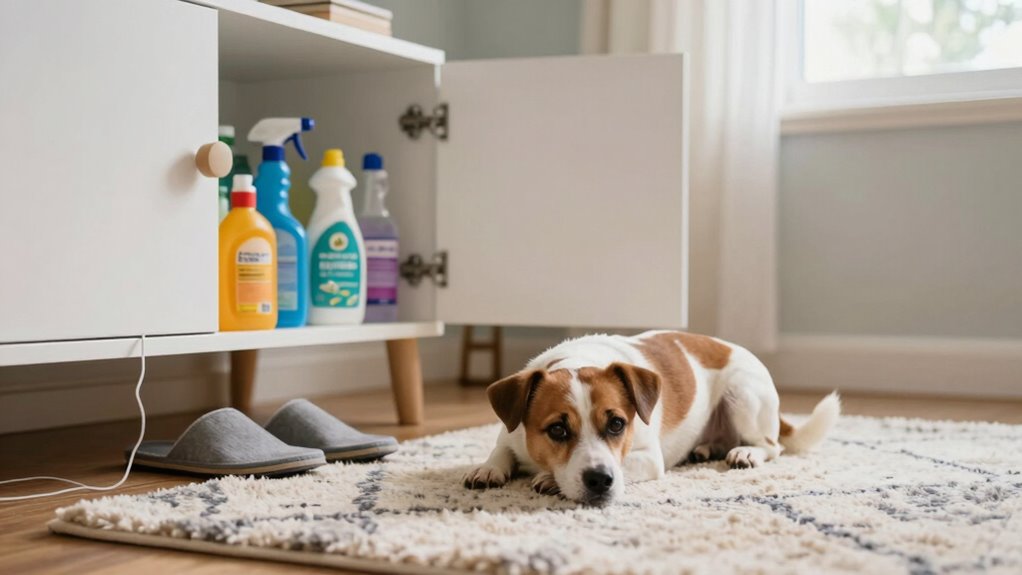
Have you ever wondered how to keep your pet safe at home and on the go? Many pet owners overlook the subtle pet proofing hazards lurking around their living spaces. Common household items like electrical cords, loose strings, and small objects can turn into hazards if your pet gets curious. It’s easy to assume that your home is safe because nothing bad has happened yet, but pets are naturally inquisitive, and even the most cautious pet owner can miss risks. Take a moment to walk through your house from a pet’s perspective, checking for hazards that could cause injuries or poisoning. For example, household cleaners, medications, and certain plants might seem harmless to you but are dangerous for your furry friend. Keeping these items out of reach or securely stored is crucial.
Check your home from a pet’s view to spot and remove hidden hazards before accidents happen.
Emergency preparedness is another critical aspect that often gets overlooked. It’s not enough to just have a first aid kit; you need a thorough plan that covers various scenarios, like your pet escaping or getting injured. Make sure your pet’s ID tags are up-to-date, and consider microchipping as a permanent form of identification. Keep a list of emergency contacts, including your veterinarian and the nearest animal emergency clinic, in an easily accessible place. Practice quick evacuation routes with your pet so they become familiar with leaving the house calmly if necessary. In case of natural disasters or accidents, knowing how to respond swiftly can make a life-or-death difference. Regularly home safety assessments help identify new risks as your living environment changes. Staying informed about household hazards such as toxic plants or chemicals can further enhance your pet’s safety. Understanding pet safety basics**** is essential for creating a secure environment where your furry friend can thrive.
Many pet owners forget to secure dangerous items that could fall or be pulled down during play or sudden movements. Items like window cords, blinds, or unstable furniture should be anchored properly to prevent accidents. Additionally, be mindful of plants or decorations that might seem harmless but can be toxic if ingested. Regularly inspecting your home for new hazards ensures you’re not caught off guard. Incorporating preventive measures into your routine can greatly reduce the likelihood of accidents and injuries. Staying vigilant about hazard identification can help you spot potential dangers before they cause harm.
Ultimately, pet proofing hazards and emergency preparedness are ongoing processes. It’s easy to get complacent, but staying vigilant and proactive keeps your pet safe. Simple adjustments—like securing cords, storing chemicals safely, and maintaining an emergency kit—can greatly reduce risks. Remember, your awareness and quick action can prevent accidents before they happen, making your home a safer environment for your pet. The effort you put into these safety basics isn’t just about preventing injuries; it’s about giving your pet a secure, happy life where they can explore freely without constant danger lurking around every corner.
As an affiliate, we earn on qualifying purchases.
Frequently Asked Questions
How Can I Pet-Proof My Backyard Effectively?
To pet-proof your backyard effectively, start with fencing strategies that keep your pet safely contained and prevent escapes. Make sure the fencing is tall and secure, with no gaps or loose sections. Identify and eliminate hazardous zones, like pools or garden chemicals, that could harm your pet. Regularly inspect your yard for new dangers and reinforce fencing as needed. This proactive approach keeps your pet safe and gives you peace of mind.
Are Certain Houseplants Dangerous for Pets?
Yes, certain houseplants are dangerous for pets because they contain poisonous plants and toxic foliage. You should identify and avoid plants like lilies, philodendrons, and dieffenbachia, which can cause serious health issues if ingested. Keep these plants out of your pet’s reach, or choose pet-safe alternatives. Regularly check your houseplants for any signs of nibbling, and consult your vet if you suspect your pet has ingested something toxic.
What Household Appliances Pose Risks to Pets?
Household appliances can pose risks to your pets through chemical hazards and sharp objects. Keep cleaning supplies, detergents, and other chemicals stored securely away from curious pets. Avoid leaving sharp objects like knives or scissors out in accessible areas. Unplug appliances when not in use, and supervise your pets around cords and small parts that could cause choking or injury. Staying vigilant helps prevent accidents and keeps your furry friends safe at home.
How Do I Keep Pets Safe During Home Repairs?
To keep pets safe during home repairs, you should keep pet medication and cleaning hazards out of their reach. Seal off work areas and use barriers to prevent access to dangerous tools or substances. Always supervise your pets, and when possible, relocate them temporarily. Make sure ventilation is adequate to avoid fumes, and clean up any spills promptly to prevent ingestion. This helps protect your pets from potential accidents or exposure.
What Emergency Supplies Should I Have for Pet Accidents?
Think of your emergency supplies like a safety net for your pet. You should have a well-stocked first aid kit with bandages, antiseptic, and tweezers. Keep emergency contacts for your veterinarian and local animal hospitals handy. Include items like clean towels, gloves, and a flashlight. Being prepared guarantees you can act swiftly, providing immediate care and peace of mind during unexpected pet accidents.
As an affiliate, we earn on qualifying purchases.
Conclusion
Remember, your home is a sanctuary where your pet’s safety should be a constant priority. By keeping hazardous items out of reach, securing dangerous zones, and staying alert, you paint a safe haven as vivid as a sunlit garden. Don’t let overlooked dangers cast shadows over your pet’s happiness. Instead, be the vigilant guardian who transforms everyday spaces into a fortress of love and security—your pet’s most cherished refuge.
As an affiliate, we earn on qualifying purchases.
As an affiliate, we earn on qualifying purchases.
Fall Picks
fall essentials
As an affiliate, we earn on qualifying purchases.