
When choosing a pressure washer, focusing only on PSI can be misleading because flow rate, measured in GPM, is what truly determines cleaning effectiveness. A high PSI with low flow may not clean thoroughly, especially on large surfaces or stubborn grime. A better approach balances both, ensuring you use water efficiently and achieve faster, more complete results. To learn how this balance impacts your cleaning projects, keep exploring the key factors behind ideal pressure washer performance.

Turn the school run and nap time into listening time
- Thousands of audiobooks, podcasts and originals
- Listen on your phone, tablet or Echo — also offline
- Cancel anytime
Key Takeaways
- Flow rate determines how much water is used, directly impacting cleaning efficiency and surface coverage.
- High GPM enhances dirt and grime removal, especially on large or stubborn surfaces.
- Focusing on flow rate promotes water conservation and reduces environmental impact.
- Proper flow rate prevents surface damage by allowing precise cleaning without relying solely on pressure.
- Balancing flow rate with PSI yields better results and more efficient, sustainable cleaning.
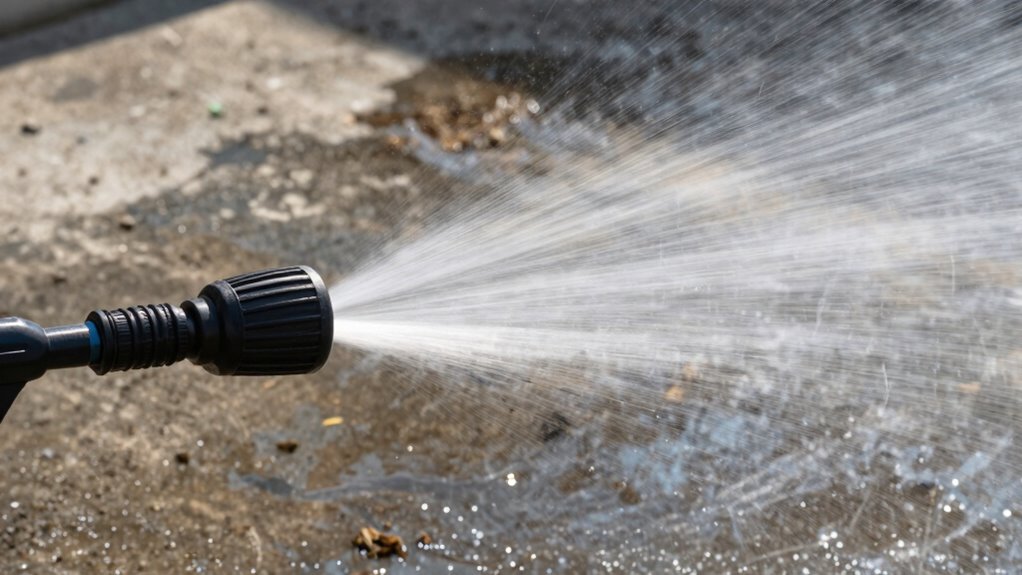
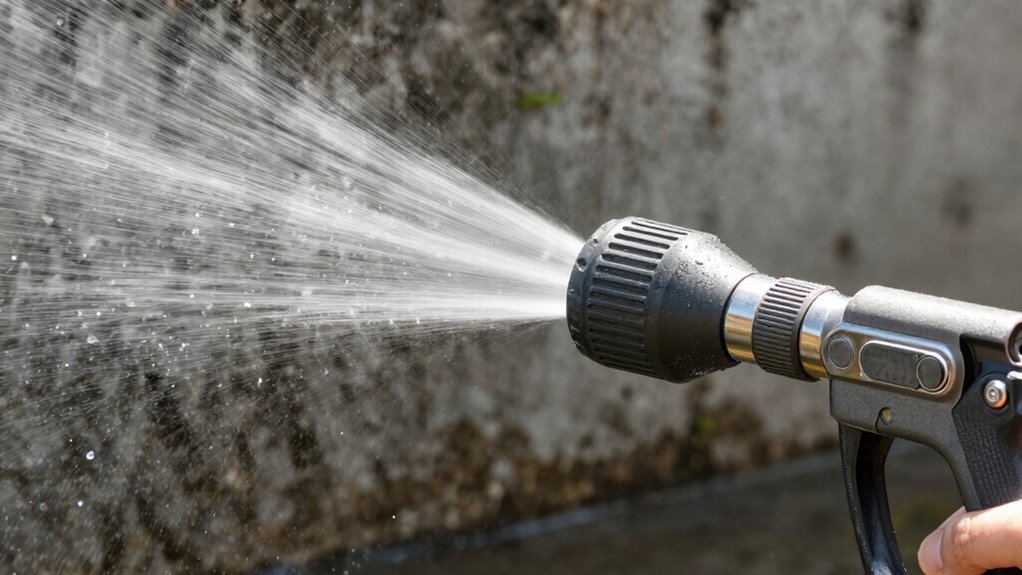
When choosing a pressure washer, it’s tempting to focus solely on the PSI (pounds per square inch) rating, but this number doesn’t tell the whole story. PSI indicates how powerful the water stream is, but it doesn’t reveal how much water the machine uses or how effectively it will clean. To get the best results, especially for surface preparation, you need to pay attention to the flow rate, measured in gallons per minute (GPM). A higher flow rate means more water is delivered to the surface, which often translates to more efficient cleaning, particularly when you’re tackling larger areas or stubborn grime.
Focusing on flow rate can make a significant difference in your cleaning process. When you prioritize flow rate, you’re ensuring that the water volume is sufficient to loosen dirt, moss, or old paint, making surface preparation faster and more thorough. This is especially important for tasks like cleaning decks, driveways, or siding, where you want to remove contaminants without spending hours on the job. A high flow rate combined with moderate PSI often results in better cleaning power than a high PSI with a low flow rate. It’s about balancing water pressure with volume to optimize cleaning performance.
Another key advantage of paying attention to flow rate is water conservation. Modern pressure washers with higher flow rates are more efficient because they use water more effectively, reducing waste. When you choose a model with a suitable flow rate, you can clean faster without sacrificing quality, which means less water consumption overall. This is especially relevant if you’re dealing with drought restrictions or trying to lower your water bill. Understanding flow rate helps you select equipment that is both effective and environmentally friendly. Additionally, considering the water consumption of your pressure washer can help you make more sustainable choices over time. Properly managing water efficiency can also extend the lifespan of your equipment by reducing strain on its components.
Being aware of the water flow and how it interacts with pressure can help you tailor your cleaning approach to different surfaces, preventing damage and achieving better results. Recognizing the impact of water dynamics can lead to more precise and effective cleaning techniques. Ultimately, understanding the importance of flow rate helps you make smarter choices about your equipment. Instead of fixating on PSI alone, consider how the combination of flow rate and PSI impacts surface preparation and water use. A machine with an optimal flow rate will allow you to clean more effectively, whether you’re removing stubborn stains or preparing a surface for painting. By focusing on these aspects, you’ll find your cleaning efforts are quicker, more thorough, and environmentally friendly, making your pressure washing projects more successful overall.
As an affiliate, we earn on qualifying purchases.
Frequently Asked Questions
How Does Flow Rate Impact Cleaning Speed?
Your cleaning speed is directly impacted by flow rate because it determines how much water you deliver over a period. With a higher flow rate, you get better water coverage, which boosts cleaning efficiency. Water pressure is important, but without sufficient flow rate, your pressure washer won’t clean as quickly or effectively. So, focusing on flow rate helps you finish jobs faster and achieve cleaner results more efficiently.
Is a Higher Flow Rate Better for Stubborn Stains?
A higher flow rate is better for stubborn stains because it delivers more water quickly, like a powerful stream that dislodges dirt efficiently. When you focus on flow rate, you’re improving surface preparation and reducing the need for harsh chemicals, which benefits the environment. By increasing flow rate, you clean faster and more thoroughly, minimizing environmental impact and ensuring your surfaces are spotless without damaging delicate materials.
Can a Low Flow Rate Damage Delicate Surfaces?
Yes, a low flow rate can still damage delicate surfaces if you’re not careful. Surface sensitivity and material compatibility matter most; a gentle, controlled spray prevents harm. Using a low flow rate minimizes the risk of over-penetrating or eroding fragile materials. Always test on a small area first, and adjust your pressure and flow to suit the surface’s sensitivity. Proper technique ensures cleaning without causing damage.
How Do I Measure the Flow Rate of a Pressure Washer?
You can measure your pressure washer’s flow rate by filling a container with water for 10 seconds, then timing it. An interesting fact: most washers have flow rates between 1.2 and 2.5 GPM. To get accurate readings, consider water temperature, as colder water might slightly reduce flow. Use different nozzle types, like wide or narrow spray, to see how they impact flow rate during your measurement.
Does Flow Rate Affect the Longevity of the Pressure Washer?
Yes, flow rate affects the longevity of your pressure washer. A higher water flow can strain the pump if it exceeds the machine’s capacity, leading to quicker wear. Maintaining the proper flow rate guarantees the pump’s durability and prevents damage. When you use a pressure washer with the right flow rate for your tasks, you’re helping extend its lifespan and keeping water pressure consistent for ideal cleaning.
best pressure washer for large surfaces
As an affiliate, we earn on qualifying purchases.
As an affiliate, we earn on qualifying purchases.
Conclusion
Just as the river’s strength lies not only in its speed but in its volume, your pressure washer’s true power depends on flow rate. Don’t be swayed by soaring PSI figures alone; focus on how much water it delivers. Remember, even Hercules needed the right tools—so choose wisely. When you prioritize flow rate, you’re harnessing the full force of nature’s own cleansing power, making every job easier and more effective.
As an affiliate, we earn on qualifying purchases.
adjustable flow rate pressure washer
As an affiliate, we earn on qualifying purchases.
As an affiliate, we earn on qualifying purchases.
Fall Picks
fall essentials
As an affiliate, we earn on qualifying purchases.